
What is Surrealism?
- Show All
- Established
- Discoveries
- Show All
Artworks Related to Surrealism
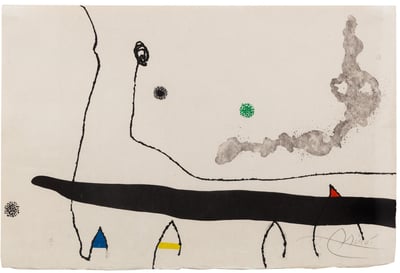
Joan Miró
Le Marteau sans maître: one plate, 1976
Limited Edition Print
Etching and Aquatint
USD 4,950
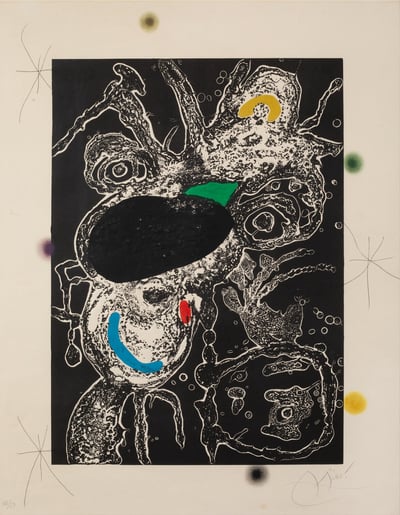
Joan Miró
Plate III from Espriu-Miró, 1975
Limited Edition Print
Etching and Aquatint
USD 8,350
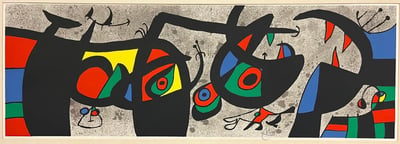
Joan Miró
Le lézard aux plumes d' or -II, 1971
Limited Edition Print
Lithograph
EUR 14,300
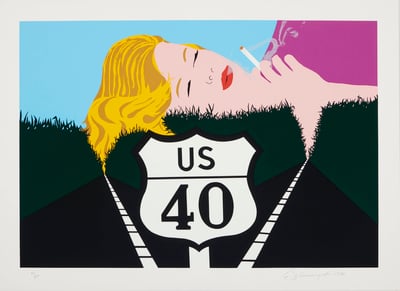
Allan D'Arcangelo
Smoke Dreams, 1980
Limited Edition Print
Screen-print
Inquire For Price
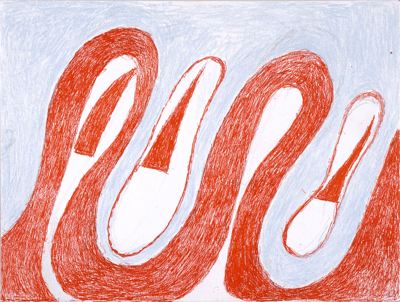
Louise Bourgeois
Untitled (Undulating Ribbon), 1997
Drawing / Watercolor
Mixed Media
Inquire For Price
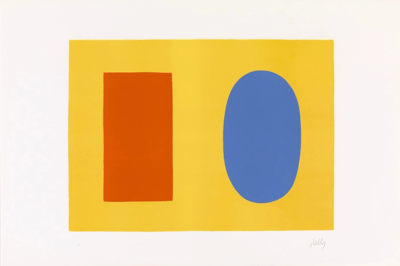
Ellsworth Kelly
Orange and Blue over Yellow, 1964-65
Limited Edition Print
Lithograph
USD 20,000 - 25,000
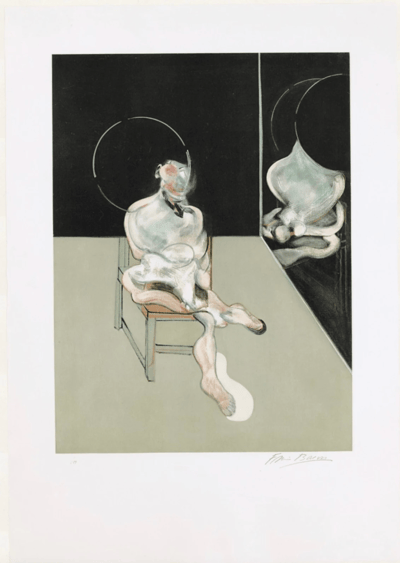
Francis Bacon
Seated Figure, 1983
Limited Edition Print
Etching and Aquatint
Currently Not Available
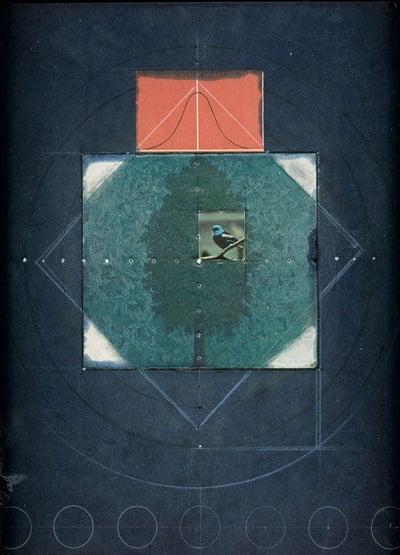
Joseph Cornell
Untitled (2C-38E), 1969
Drawing / Watercolor
Collage
Inquire For Price
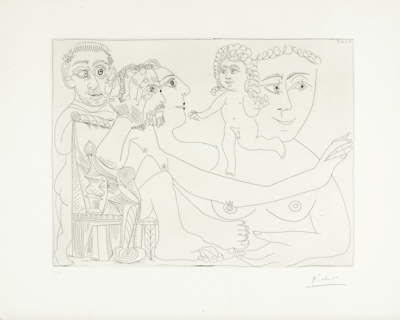
Pablo Picasso
Groupe avec homme dans un fauteuil à boules, pl. 21 (from Serie 347), 1968
Limited Edition Print
Mixed Media
USD 16,000 - 20,000
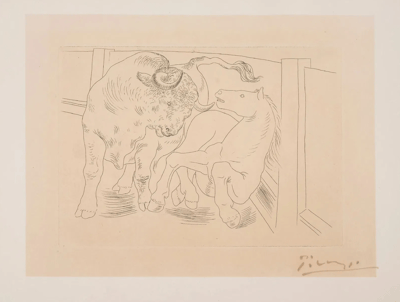
Pablo Picasso
Taureau et Cheval, 1927
Limited Edition Print
Etching
Inquire For Price
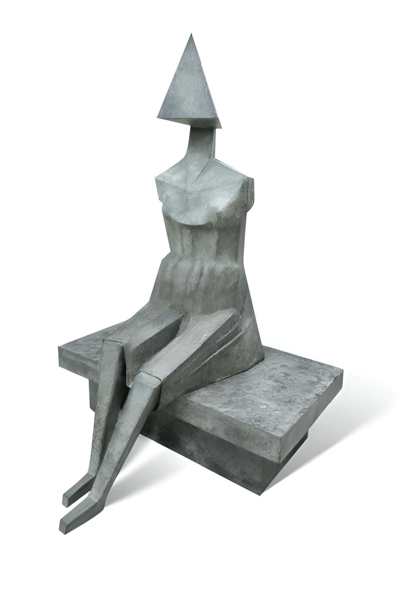
Lynn Chadwick
Little Girl III, 1987
Sculpture / Object
Bronze
Inquire For Price
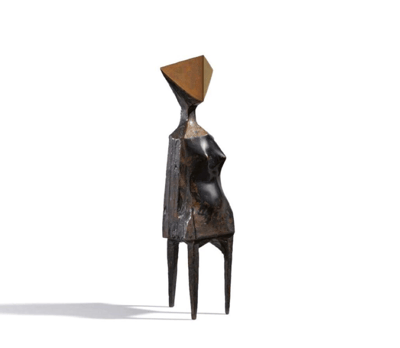
Lynn Chadwick
Little Girl, 1970
Sculpture / Object
Bronze
Inquire For Price
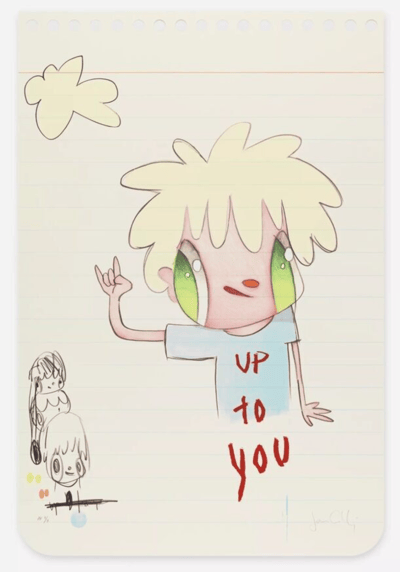
Javier Calleja
Up To You, 2020
Limited Edition Print
Mixed Media
Inquire For Price
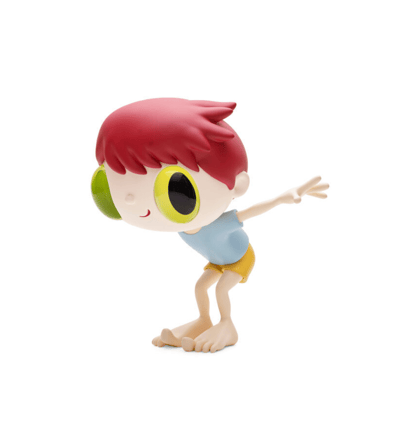
Javier Calleja
No Wings to Fly, 2023
Sculpture / Object
Mixed Media
GBP 5,800
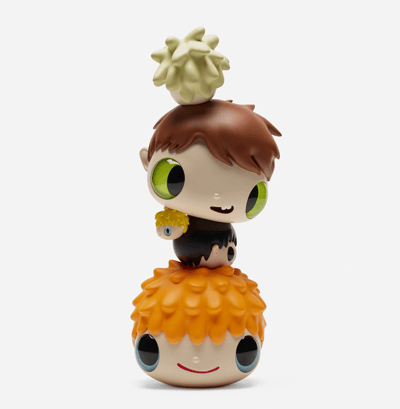
Javier Calleja
Heads ver.2, 2022
Sculpture / Object
Glass
GBP 3,500
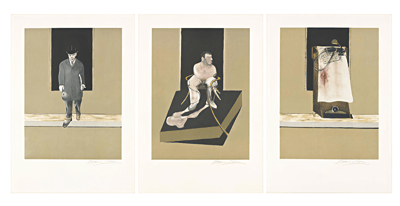
Francis Bacon
Tryptych, 1986/1987
Limited Edition Print
Etching and Aquatint
Inquire For Price
Related Articles
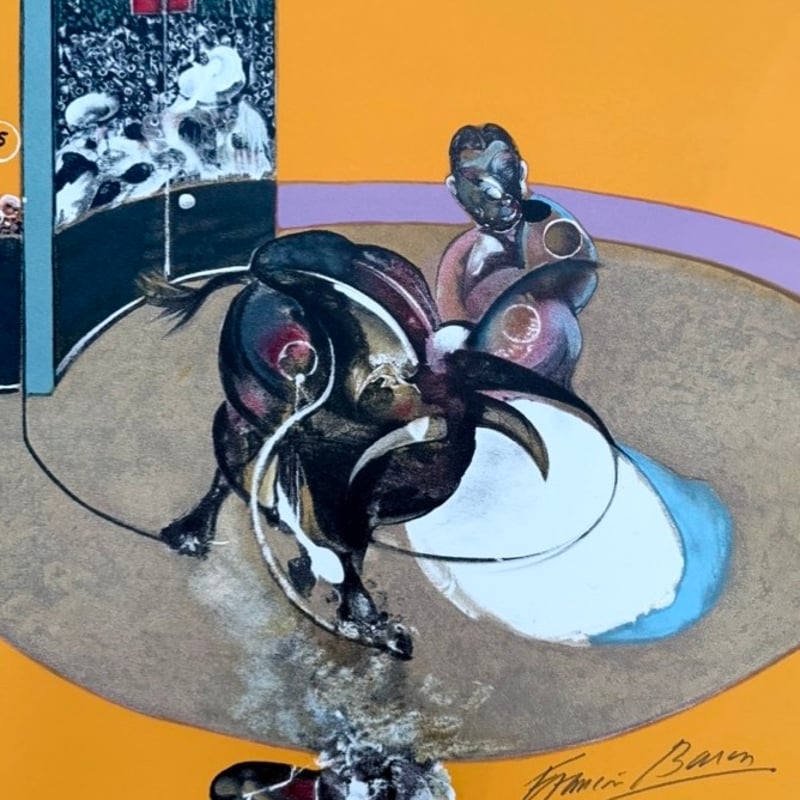
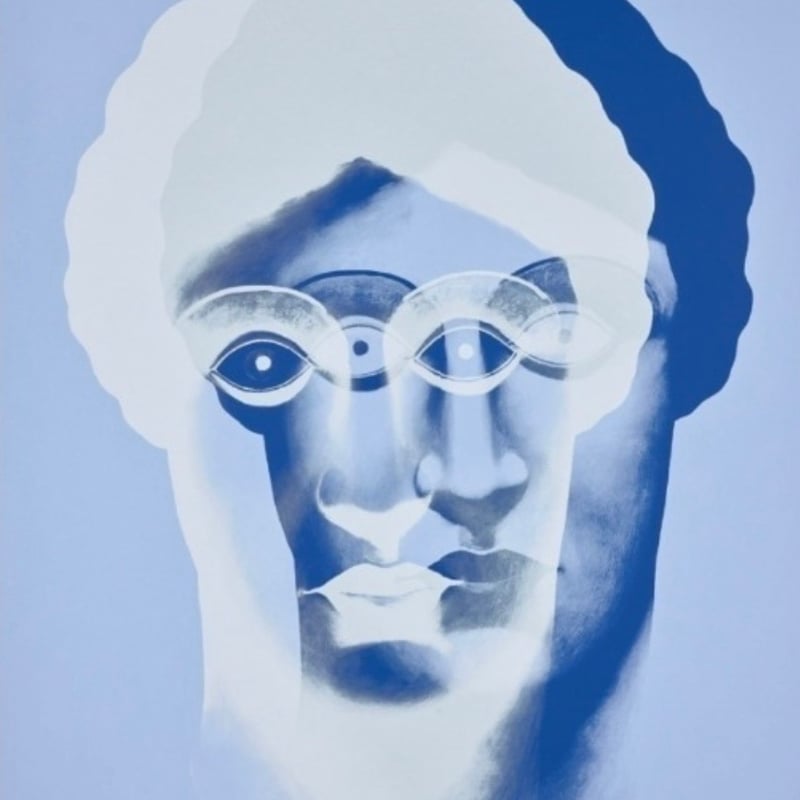

Animation is the process of displaying a sequence of static images in rapid succession to create the illusion of movement. Each image, or frame, is slightly altered from the previous one, particularly in the moving parts, so when shown together, they form a continuous motion. Traditionally, illustrators drew each frame by hand to produce this effect.

Live art is a form of performance that began in the 1960s and is generally exploratory and innovative. It involves a single artist or an artist group presenting the work before a live audience. The performances can include humans, animals, and living plants, often blurring the boundaries between art and life, and encouraging interaction with the audience.
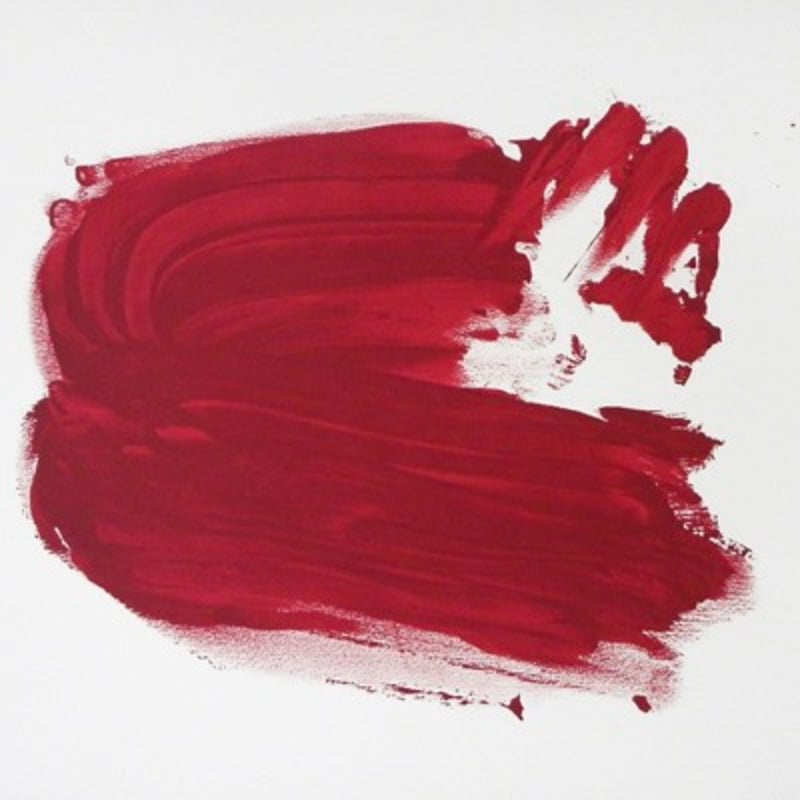
Dau Al Set was an artistic movement that sought to express both the conscious and unconscious mind through art. Initially an offshoot of Surrealism, it evolved into a distinct movement over time. Founded in Catalonia post-World War II, Dau Al Set was the first artistic movement in the region after the war. The name Dau Al Set translates to the seventh face of the dice in Catalan, symbolizing the movement's unique and unconventional character.
Can't find your Answer?
Thank you! Your question has been sent — we'll get back to you shortly.
