
What is Surrealism?
- Show All
- Established
- Discoveries
- Show All
Artworks Related to Surrealism
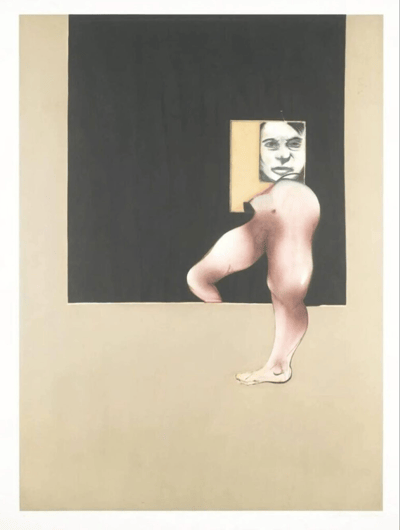
Francis Bacon
Tryptych, 1992
Limited Edition Print
Aquatint
Inquire For Price
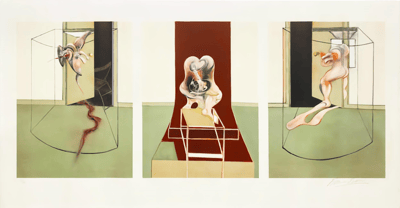
Francis Bacon
Triptych Inspired by Oresteia of Aeschylus (s.9503), 1981
Limited Edition Print
Lithograph
Inquire For Price
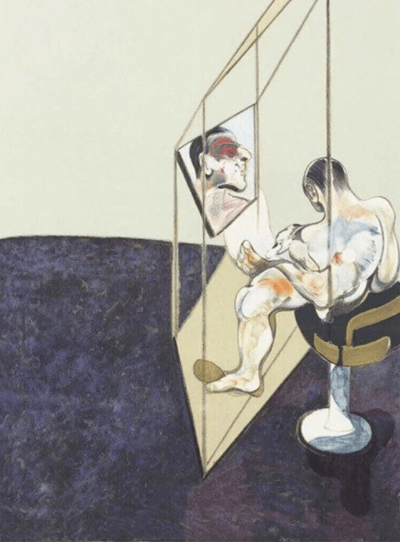
Francis Bacon
Three Studies of Male Back (One Work - Right hand panel of the triptych), 1987
Limited Edition Print
Lithograph
Inquire For Price
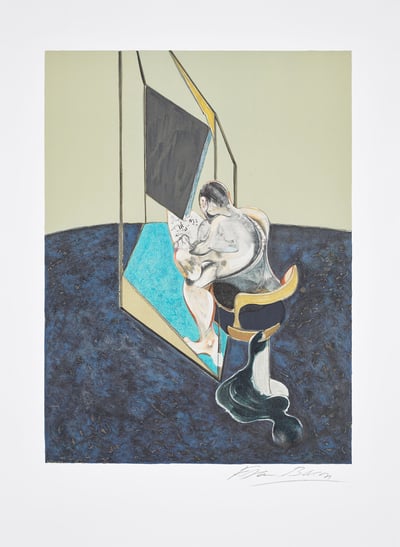
Francis Bacon
Three Studies of Male Back (One Work - Central panel of the triptych), 1987
Limited Edition Print
Lithograph
GBP 18,000 - 22,000
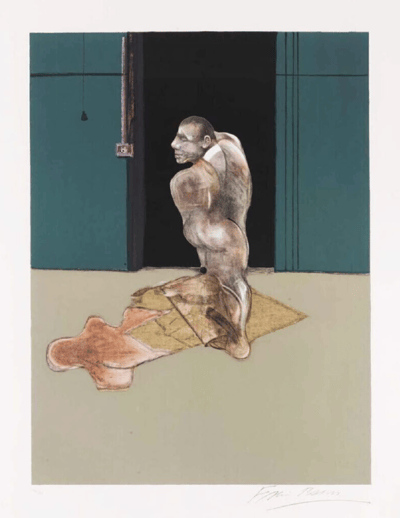
Francis Bacon
Study for a portrait of John Edwards (s.9495), 1986
Limited Edition Print
Lithograph
GBP 17,000 - 20,000
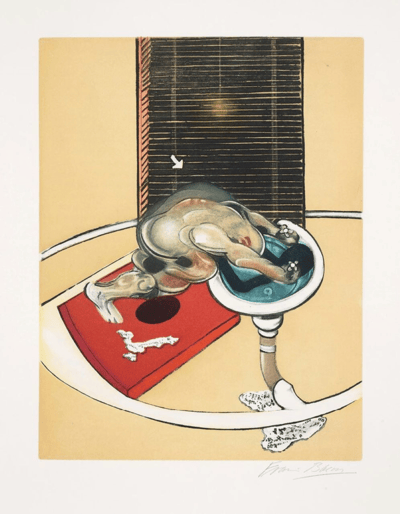
Francis Bacon
L’Homme au Lavabo Figure at a washbasin, 1978
Limited Edition Print
Etching and Aquatint
GBP 19,000 - 23,000

Allen Jones
Shoe Box, 1968
Sculpture / Object
Metal
GBP 7,000 - 10,000
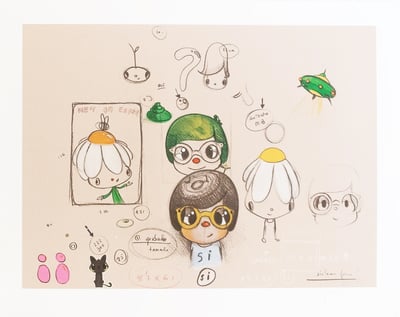
Javier Calleja
Si, 2024
Limited Edition Print
Serigraph
USD 6,600
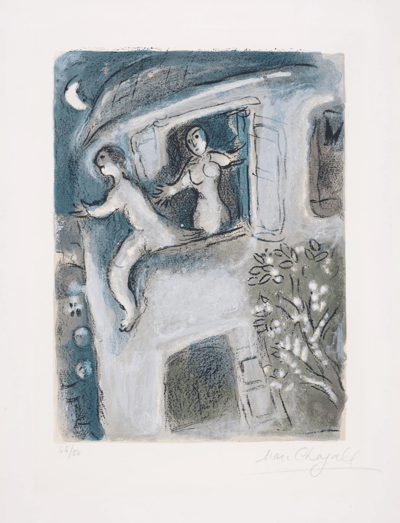
Marc Chagall
David Sauvé par Michal, from La Bible, 1960
Limited Edition Print
Lithograph
USD 4,690
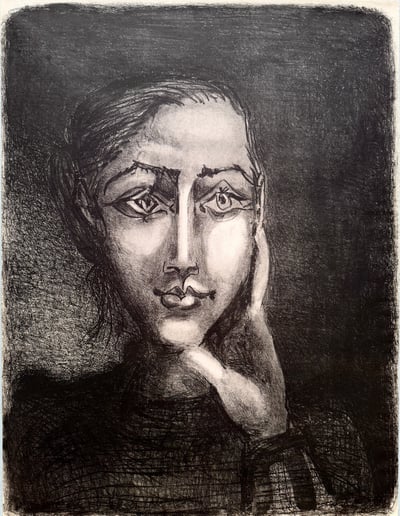
Pablo Picasso
Françoise sur fond gris, 1950
Limited Edition Print
Lithograph
EUR 70,000 - 80,000
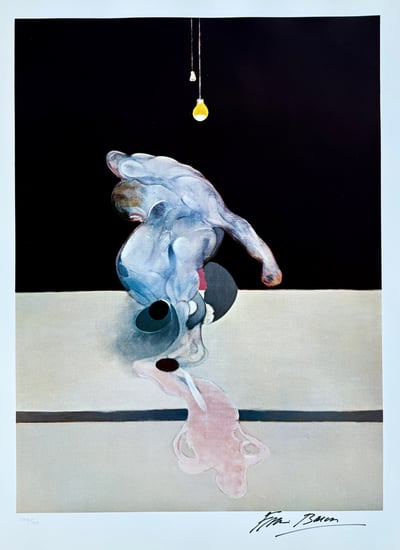
Francis Bacon
Triptych, March 1974 ( Centre Panel ), 1978
Limited Edition Print
Offset Print
Currently Not Available
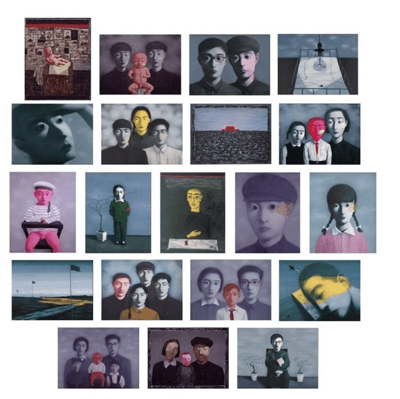
Zhang Xiaogang
The Storyteller's Enchantments (Portfolio of 20), 2009
Limited Edition Print
Lithograph
Inquire For Price
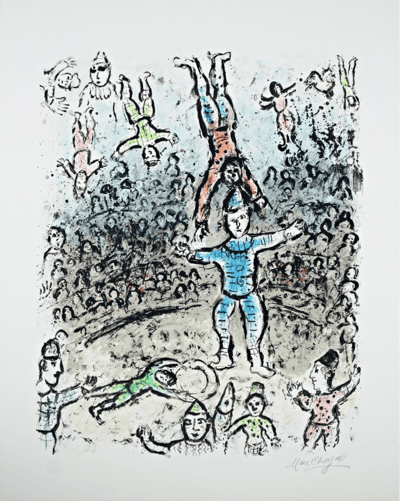
Marc Chagall
The Acrobats, 1984
Limited Edition Print
Lithograph
Inquire For Price
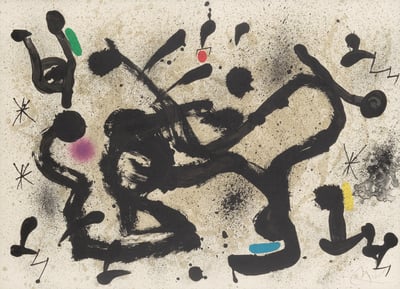
Joan Miró
One plate, Homenatge à Joan Prats, 1975
Limited Edition Print
Lithograph
USD 4,250
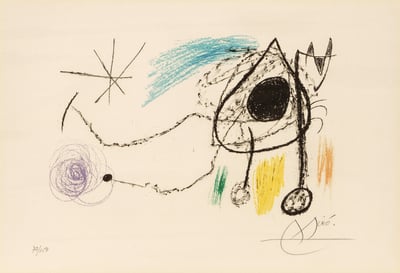
Joan Miró
Sobreteixims I Escultures, 1972
Limited Edition Print
Lithograph
Currently Not Available
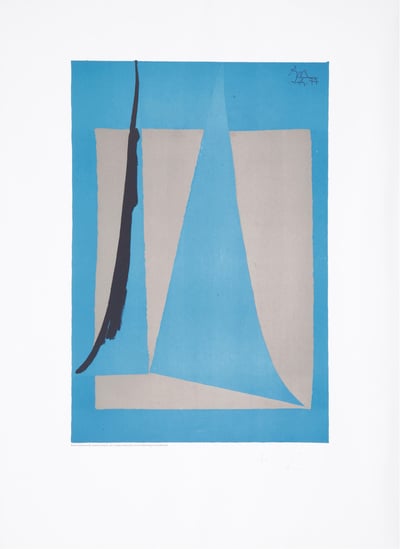
Robert Motherwell
Newport Opera, 1979
Limited Edition Print
Offset Print
USD 2,310
Related Articles
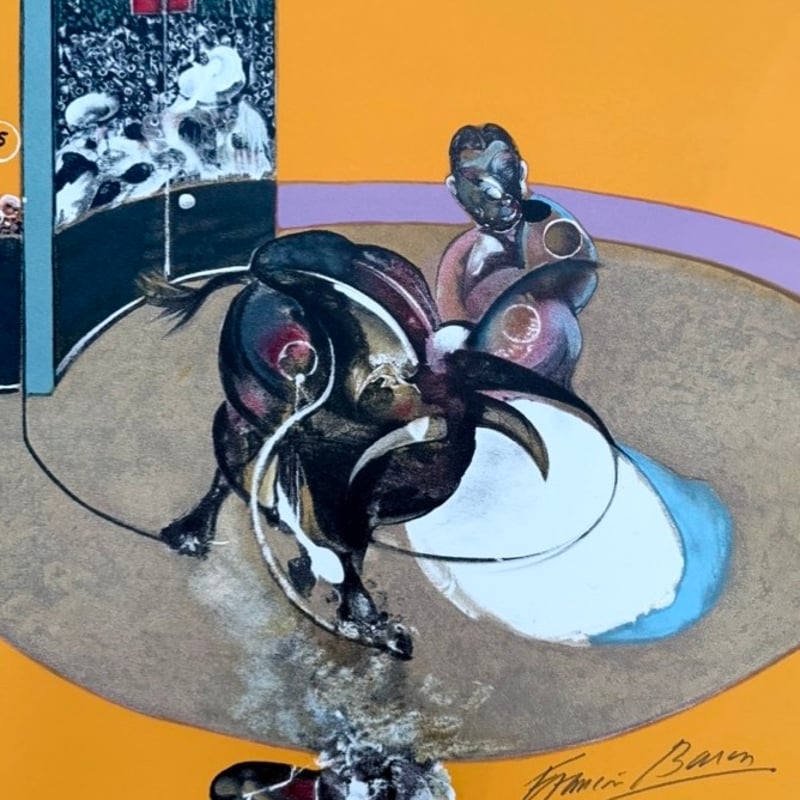
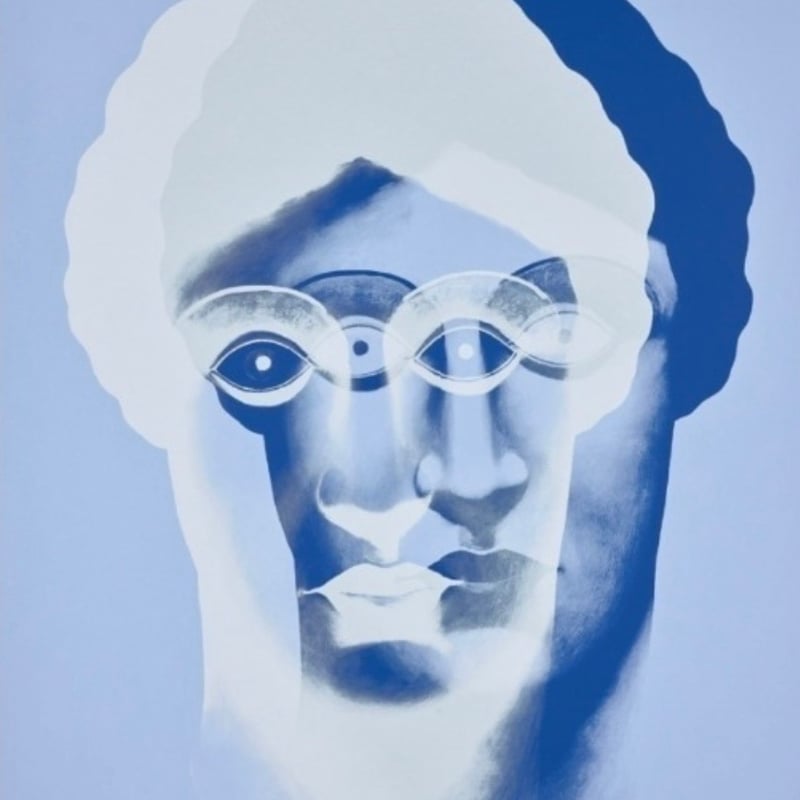

Woodcut is a printing technique where an image is carved into the surface of a woodblock using gouges, with the remaining flat surface holding the ink for printing. The areas cut away by the artist do not carry ink, while the uncut areas do, producing the desired print. The carving follows the wood's grain, unlike wood engraving, where the block is cut across the end-grain. Ink is applied to the surface with a roller, ensuring only the flat, uncarved areas receive ink, leaving the recessed, non-printing areas clean.
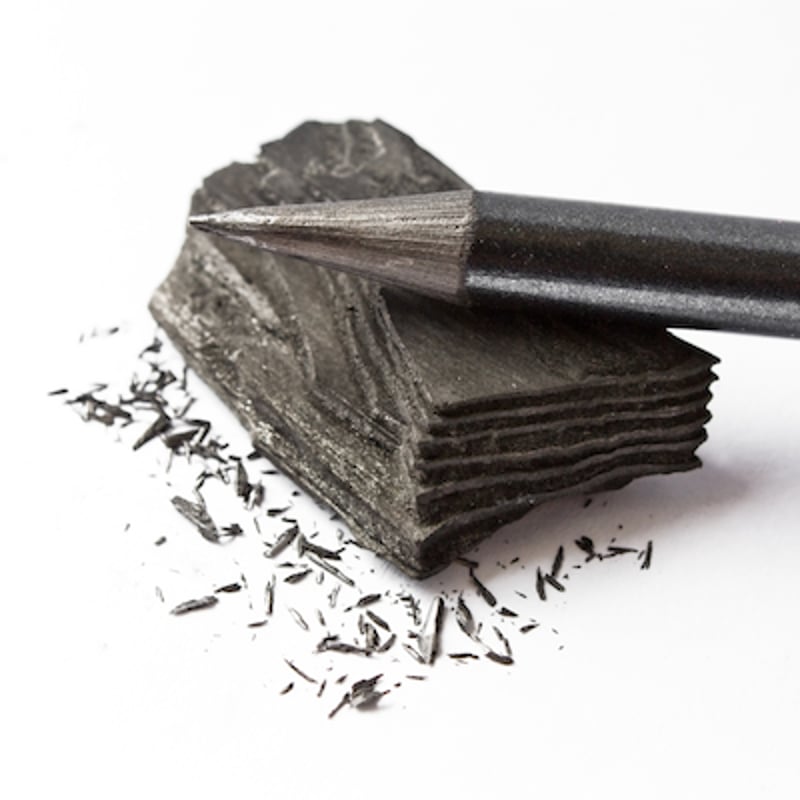
Graphite is a form of carbon commonly used as the core material in pencils. It can be compressed to various levels of hardness, allowing for different shading effects in drawing. In powdered form, graphite can be applied with a brush for broader, softer applications. Graphite erases easily and was first discovered in the 1500s in England's Lake District.
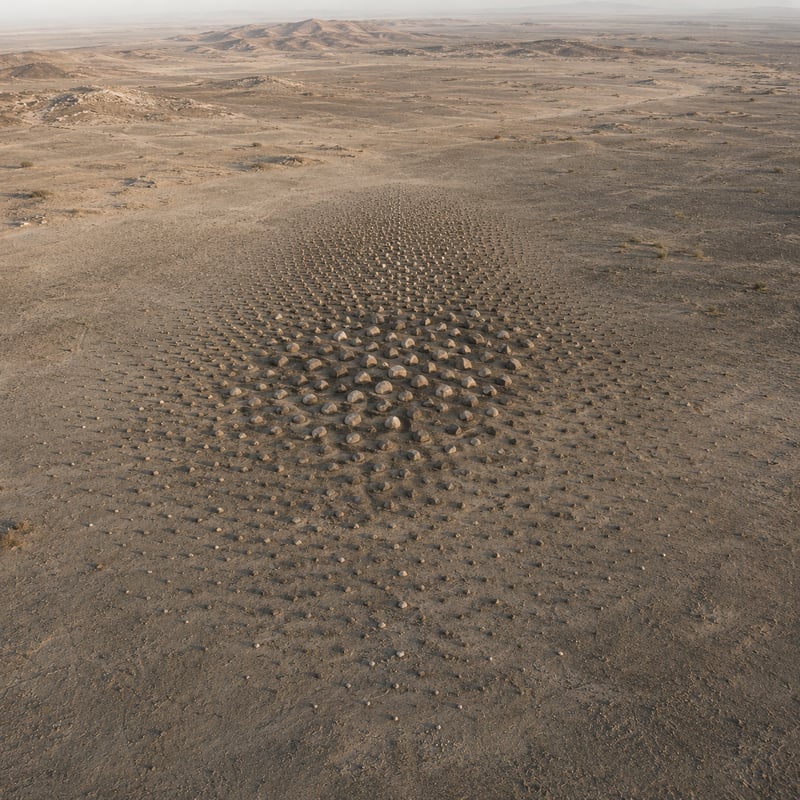
Earth art, also known as Land Art, emerged in the 1960s and 70s as part of the conceptual art movement. It involves creating artworks by sculpting the land or constructing structures in the landscape using natural materials like earth, rocks, or twigs. These works are often large-scale and emphasize the relationship between art and nature.
Can't find your Answer?
Thank you! Your question has been sent — we'll get back to you shortly.
