What is new figuration?
- Show All
- Established
- Discoveries
- Show All
Artworks Related to New Figuration
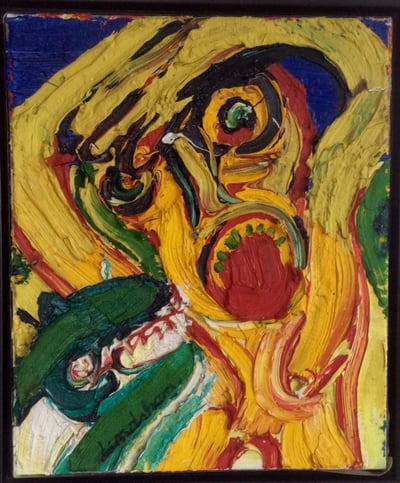
Bengt Lindstrom
Untitled (Yellow Swirl ), 1960
Painting
Oil on canvas
Currently Not Available
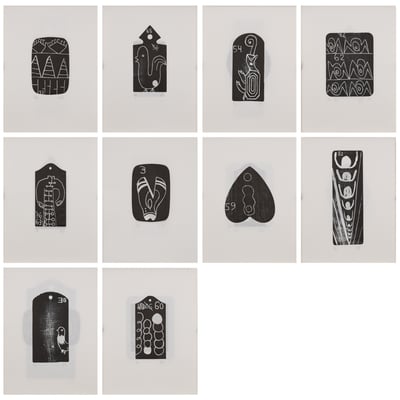
Tal R
Almanach (67 prints), 2015
Limited Edition Print
Woodcut
EUR 35,000
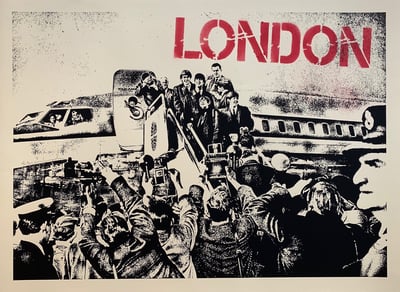
Mr. Brainwash
A good day's flight, 2009
Limited Edition Print
Lithograph
USD 4,850
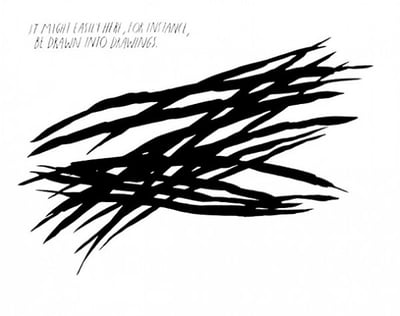
Raymond Pettibon
Untitled, It might easily -be drawn into drawings, 1990
Limited Edition Print
Serigraph
USD 2,900
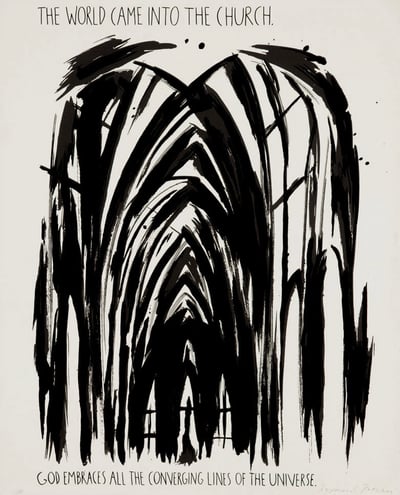
Raymond Pettibon
The World Came into the Church, 1991
Limited Edition Print
Screen-print
USD 2,950
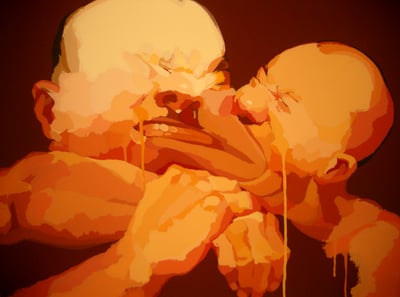
Yang Shao Bin
No. 9, 2003
Limited Edition Print
Lithograph
Currently Not Available
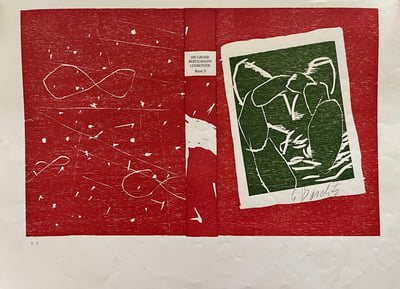
Georg Baselitz
Die Grosse..., 1992
Limited Edition Print
Serigraph
EUR 1,550

Bengt Lindstrom
L'Attente
Painting
Acrylic on paper
EUR 9,500
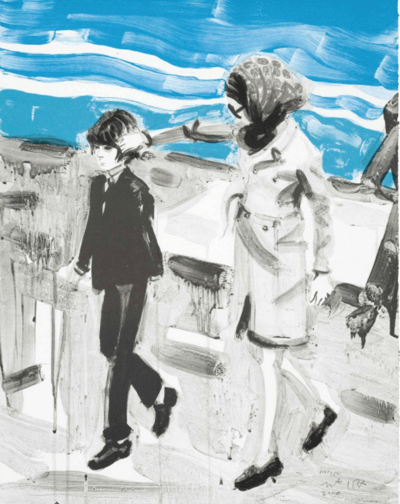
Elizabeth Peyton
Jackie and John, 2000
Limited Edition Print
Lithograph
Currently Not Available
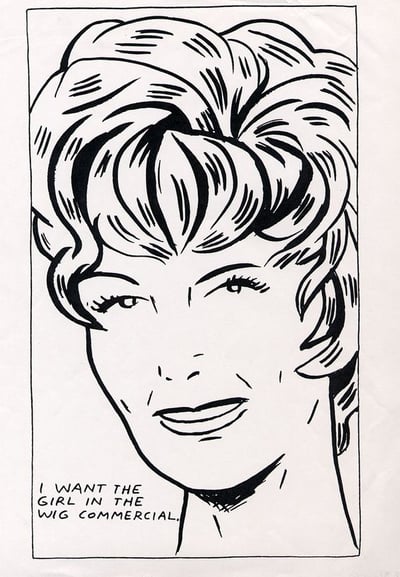
Raymond Pettibon
I Want To Be The Girl In The Wig Commercial, 1989
Limited Edition Print
Lithograph
USD 3,900
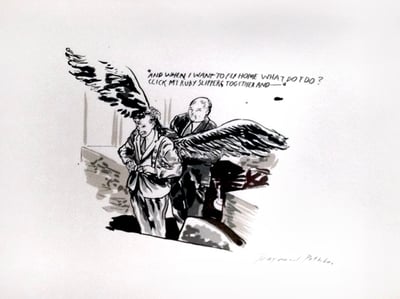
Raymond Pettibon
And When I Want to Fly Home What Do I Do?, 2004
Limited Edition Print
Lithograph
USD 2,700
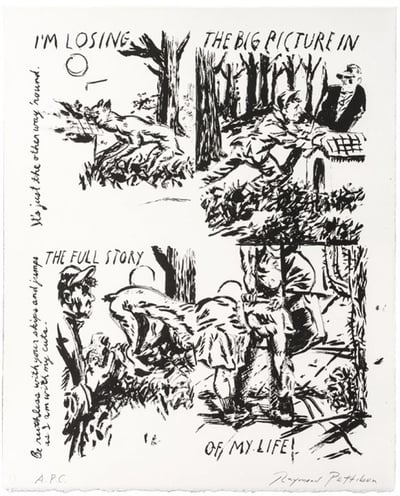
Raymond Pettibon
I’m Losing The Big Picture In The Full Story Of My Life, 2010
Limited Edition Print
Lithograph
USD 3,900
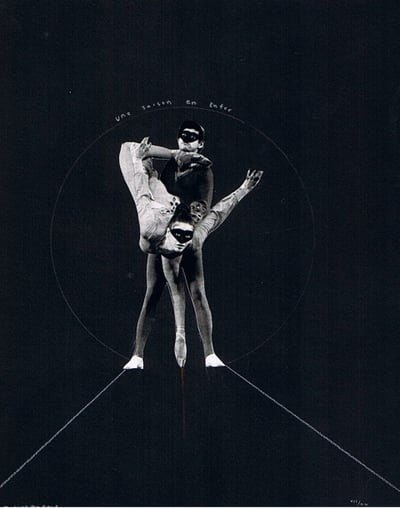
Marcel Dzama
Une saison en enfer, 2011
Drawing / Watercolor
Mixed Media
EUR 2,250
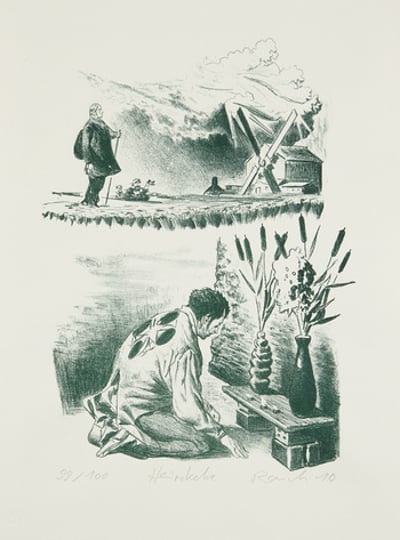
Neo Rauch
Heimkehr, 2010
Limited Edition Print
Lithograph
Currently Not Available
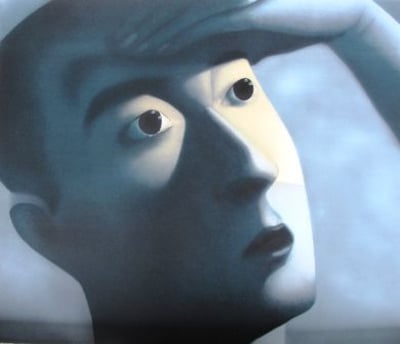
Zhang Xiaogang
Amnesia and Memory, 2009
Limited Edition Print
Lithograph
USD 7,850

Mr. Brainwash
Lichtenline, 2009
Limited Edition Print
Screen-print
USD 7,800
Related Articles
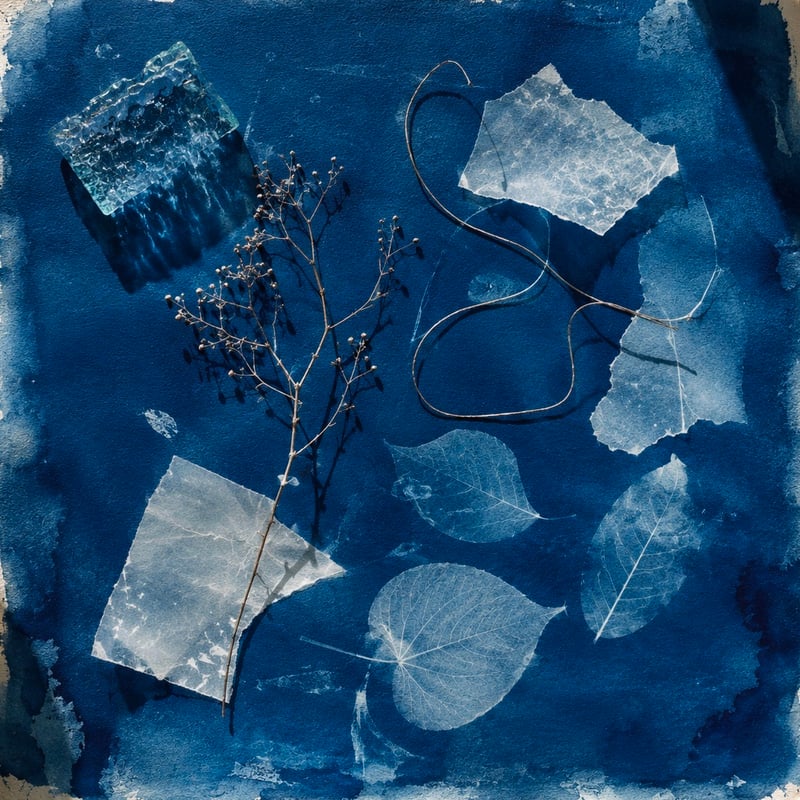
Cyanotype is a photographic technique that creates images in shades of blue, commonly known as blueprints. It involves coating a surface with a mixture of two chemicals, typically ferric ammonium citrate and potassium ferricyanide. When exposed to UV light and then washed in water, the process produces white images on a deep blue background.
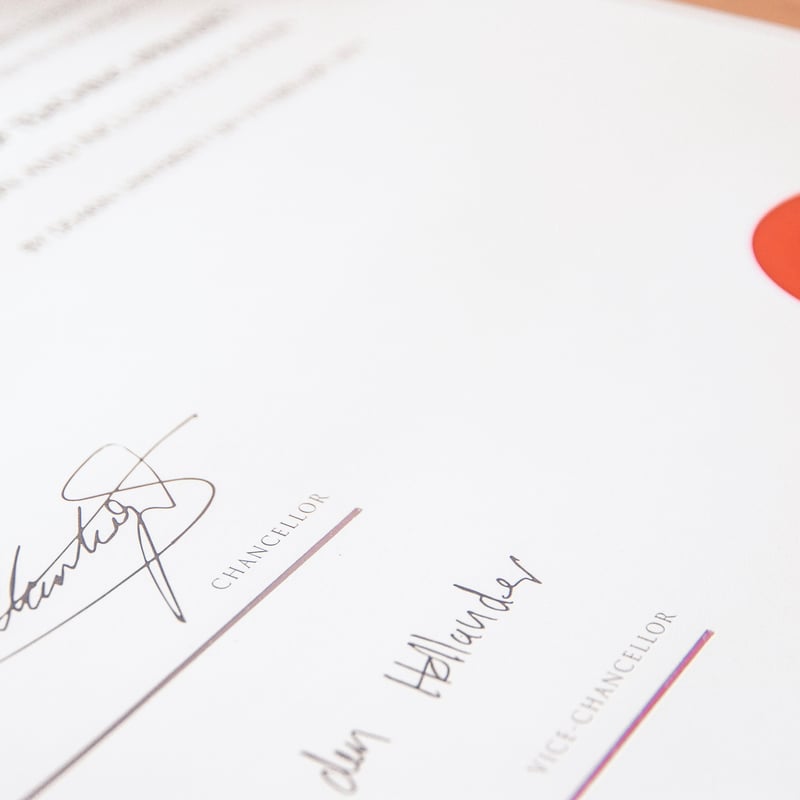
Authenticity refers to the qualities that define an original artwork as genuine, created by the artist under the original circumstances. A reproduction lacks authenticity because it was not made by the original artist and does not share the same context or creation process. The authenticity of an original artwork can be questioned when reproductions exist, which can diminish its value. Authenticity is often established through provenance, expert analysis, and documentation, ensuring the artwork's originality.

A plate is a broad, primarily flat vessel used for serving food, but it can also serve ceremonial or decorative purposes. Plates are typically circular, though they can be any shape and made from various water-resistant materials. Most plates have raised edges, either by curving upward or featuring a wider lip. Vessels without a raised edge or with a more rounded profile are often considered bowls or dishes, while very large, plate-shaped vessels might also be classified as dishes.
Can't find your Answer?
Thank you! Your question has been sent — we'll get back to you shortly.
