
What is Naive Art?
- Show All
- Established
- Discoveries
- Show All
Artworks Related to Naive art
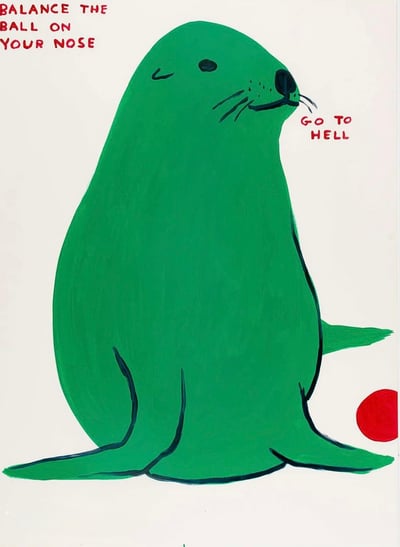
David Shrigley
Balance The Ball On Your Nose, 2022
Limited Edition Print
Screen-print
GBP 3,900
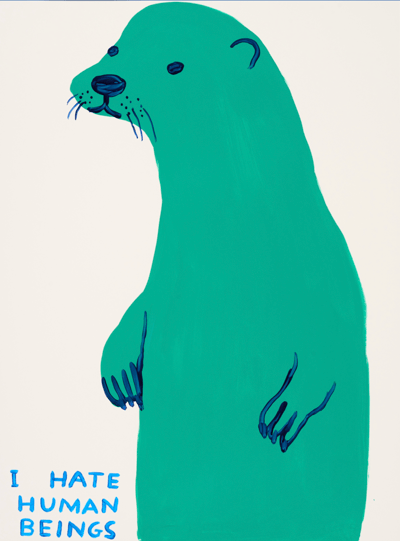
David Shrigley
Untitled (I Hate Human Beings), 2022
Limited Edition Print
Screen-print
GBP 3,180
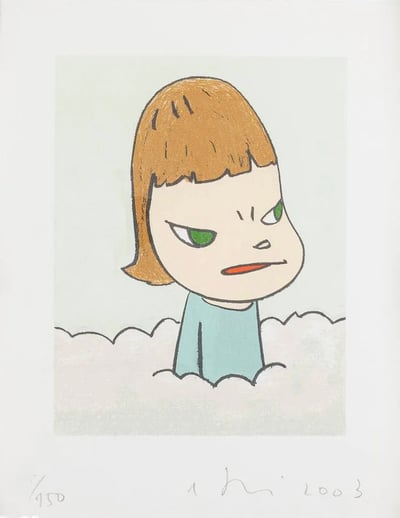
Yoshitomo Nara
In the Cloud, 2003
Limited Edition Print
Lithograph
Currently Not Available
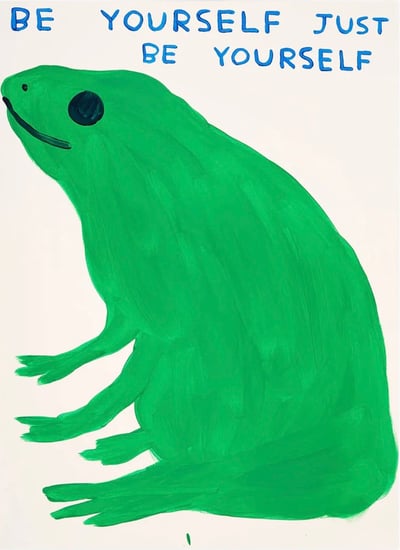
David Shrigley
Be Yourself Just Be Yourself, 2023
Limited Edition Print
Screen-print
GBP 2,550
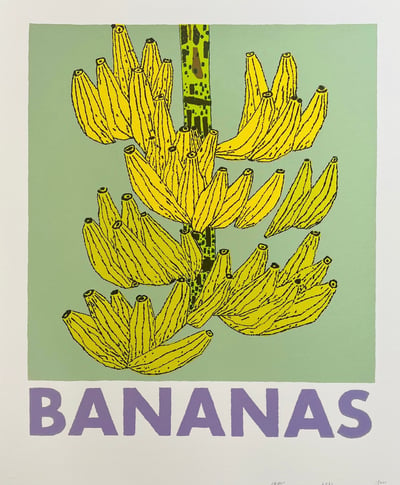
Jonas Wood
Bananas, 2021
Limited Edition Print
Screen-print
EUR 4,850
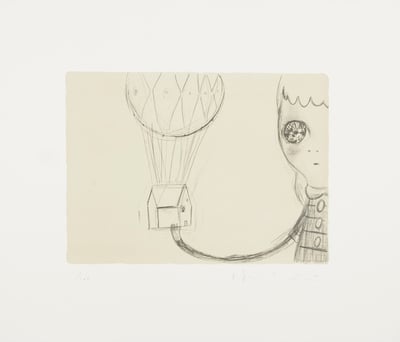
Yoshitomo Nara
Omaha, 2015
Limited Edition Print
Lithograph
EUR 16,500
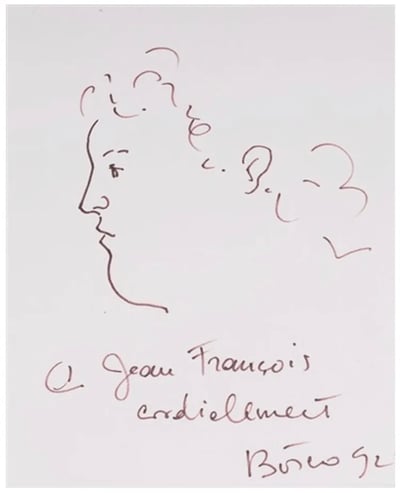
Fernando Botero
Profile de Jeune Homme, 1992
Drawing / Watercolor
Pen and ink
USD 17,900
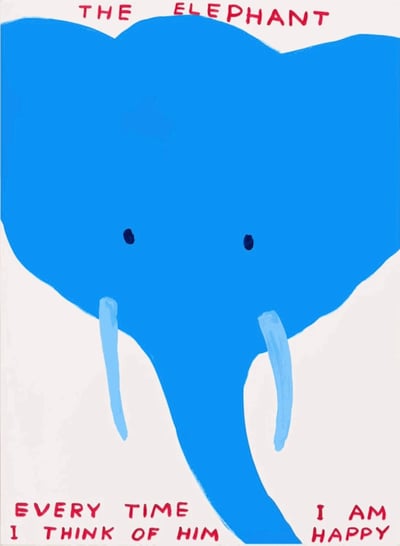
David Shrigley
The Elephant, Every time I think of him I am happy, 2022
Limited Edition Print
Screen-print
USD 5,400
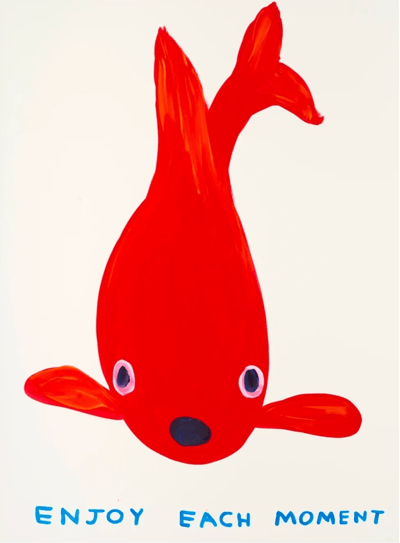
David Shrigley
Enjoy Each Moment, 2022
Limited Edition Print
Screen-print
GBP 4,200
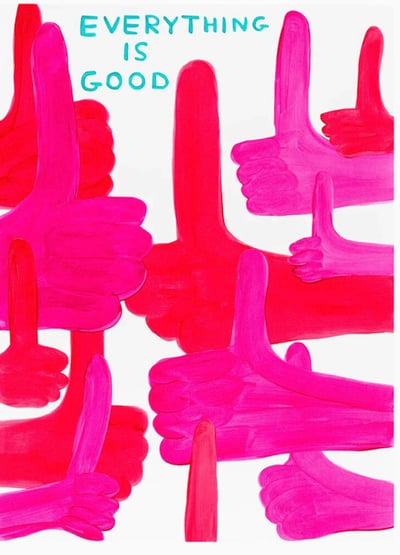
David Shrigley
Everything Is Good, 2023
Limited Edition Print
Screen-print
GBP 3,900
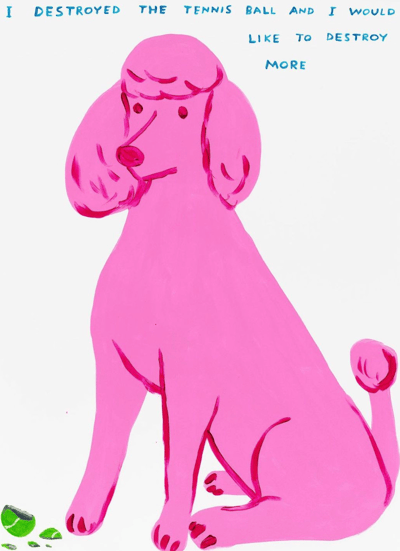
David Shrigley
I Destroyed The Tennis Ball And I Would Like To Destroy More, 2023
Limited Edition Print
Screen-print
GBP 3,350
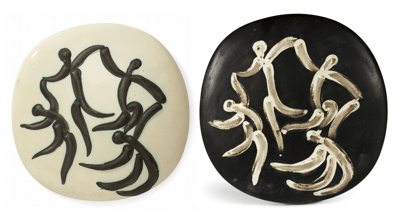
Pablo Picasso
Dancers (pair), 1956
Sculpture / Object
Plate
Currently Not Available
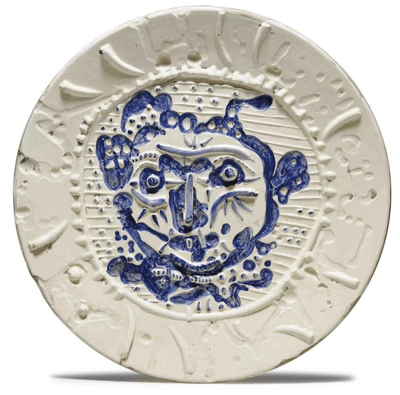
Pablo Picasso
Tormented Faun’s Face, 1956
Sculpture / Object
Plate
Currently Not Available
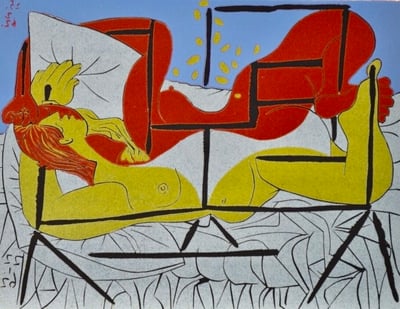
Pablo Picasso
DANAÉ (B. 1084; BA. 1286), 1962
Limited Edition Print
Linocut
Inquire For Price
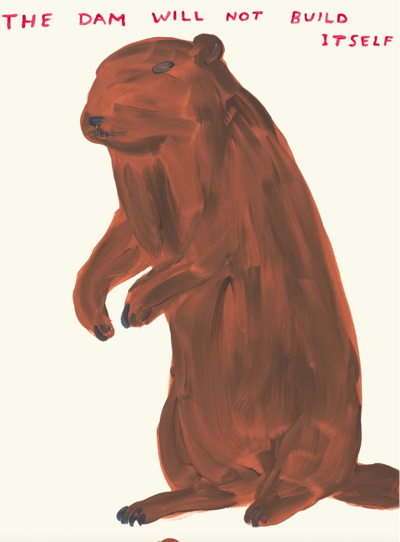
David Shrigley
The Dam Will Not Build Itself, 2023
Limited Edition Print
Screen-print
GBP 2,700

Pablo Picasso
Le peintre et son modele, 1954
Limited Edition Print
Lithograph
EUR 23,500
Related Articles
Ink is a colored liquid or paste used for writing, drawing, painting, and printing. The term also refers to the process of applying ink to mark, cover, stain, draw, or trace over pencil lines. Ink can be applied using various tools, such as pens, brushes, and quills.

The Bay Area Figurative Movement, which also goes by the names Bay Area Figurative School, Bay Area Figurative Art, or Bay Area Figuration, came to existence in San-Francisco Bay Area. This was in the mid-20th century, when a group of artists from the area stopped working on the then popular Abstract Expressionism for a preference to figuration in painting. The movement lasted a total of two decades during the 1950's and 1960's.

Bronze is a metal alloy made primarily of copper and tin, with a typical modern composition of 88% copper and 12% tin. Over time, bronze develops a patina, a surface color that often turns deep green due to oxidation. Large bronze objects, such as sculptures, are typically made in foundries. Bronze is valued for its durability and has been widely used throughout history for art, tools, and weapons.
Can't find your Answer?
Thank you! Your question has been sent — we'll get back to you shortly.
