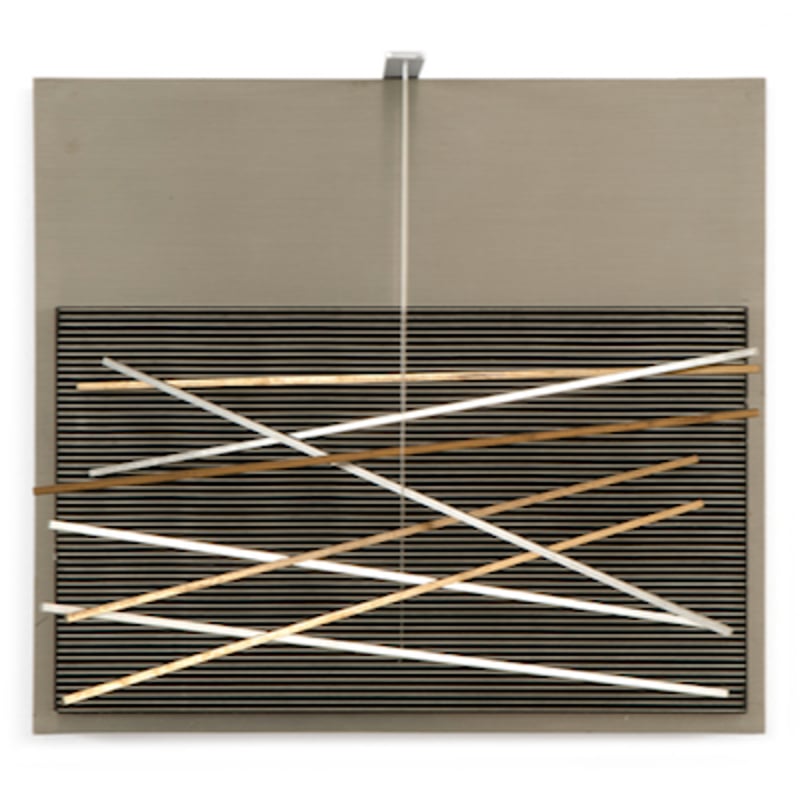
What is kinetic art?
- Show All
- Established
- Discoveries
- Show All
Artworks Related to Kinetic art
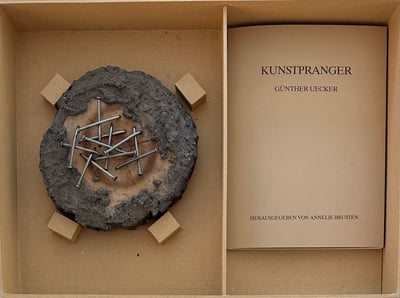
Gunther Uecker
Baum. Kunstpranger, 1984
Sculpture / Object
Mixed Media
EUR 10,800

Felipe Pantone
Subtractive Variability Orbital, 2023
Sculpture / Object
Mixed Media
EUR 4,500 - 7,000

Julio Le Parc
Color Secuencia 14, 2024
Limited Edition Print
Lithograph
EUR 5,000

Julio Le Parc
Color Secuencia 13, 2024
Limited Edition Print
Lithograph
EUR 5,000

Julio Le Parc
Color Secuencia 12, 2024
Limited Edition Print
Lithograph
EUR 5,000

Julio Le Parc
Color Secuencia 11, 2024
Limited Edition Print
Lithograph
EUR 5,000

Julio Le Parc
Color Secuencia 10, 2024
Limited Edition Print
Lithograph
EUR 5,000

Julio Le Parc
Color Secuencia 9, 2024
Limited Edition Print
Lithograph
EUR 5,000

Julio Le Parc
Color Secuencia 8, 2024
Limited Edition Print
Lithograph
EUR 5,000
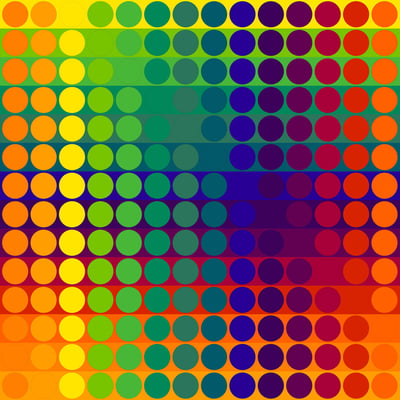
Julio Le Parc
Color Secuencia 7, 2024
Limited Edition Print
Lithograph
EUR 5,000
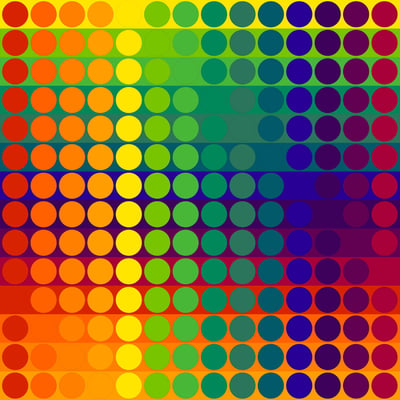
Julio Le Parc
Color Secuencia 6, 2024
Limited Edition Print
Lithograph
EUR 5,000
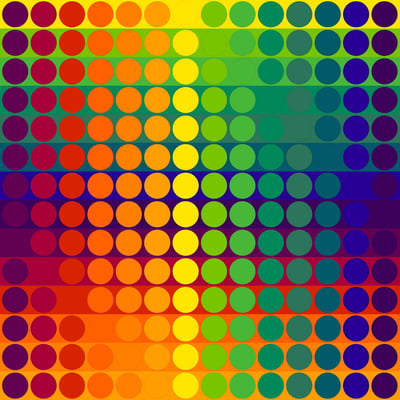
Julio Le Parc
Color Secuencia 5, 2024
Limited Edition Print
Lithograph
EUR 5,000
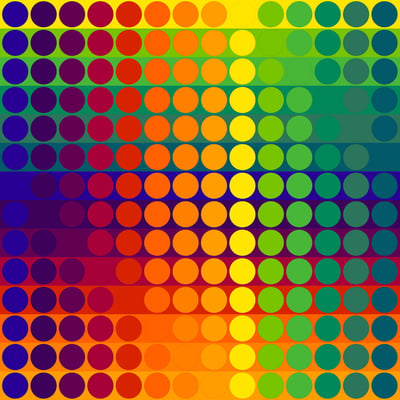
Julio Le Parc
Color Secuencia 4, 2024
Limited Edition Print
Lithograph
EUR 5,000
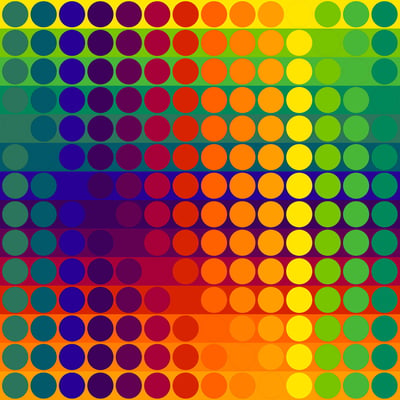
Julio Le Parc
Color Secuencia 3, 2024
Limited Edition Print
Lithograph
EUR 5,000
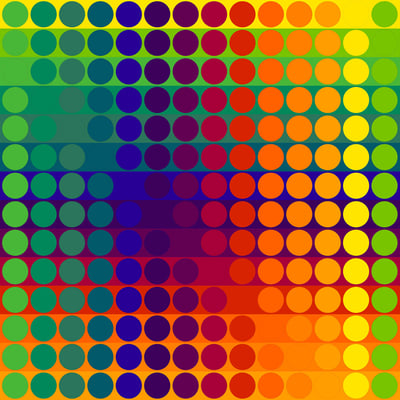
Julio Le Parc
Color Secuencia 2, 2024
Limited Edition Print
Lithograph
EUR 5,000
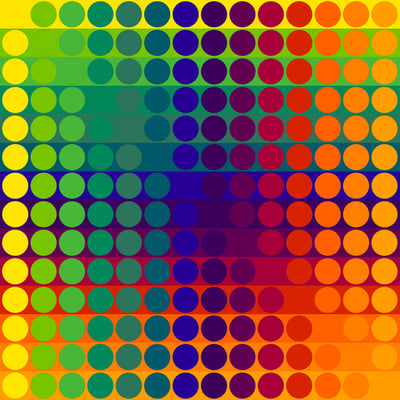
Julio Le Parc
Color Secuencia 1, 2024
Limited Edition Print
Lithograph
EUR 5,000
Related Articles

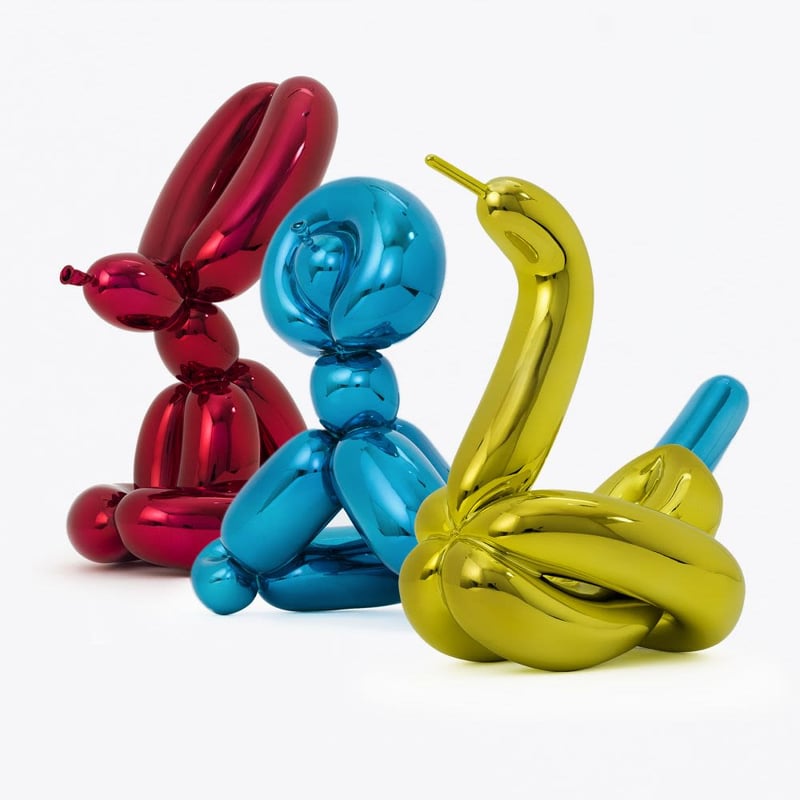
Found objects (or objet trouvé in French) are everyday items that an artist finds and incorporates into a work of art. While collectors have displayed aesthetically pleasing objects for centuries, modern art often uses objects that originally had non-artistic functions, such as recycled or repurposed materials.
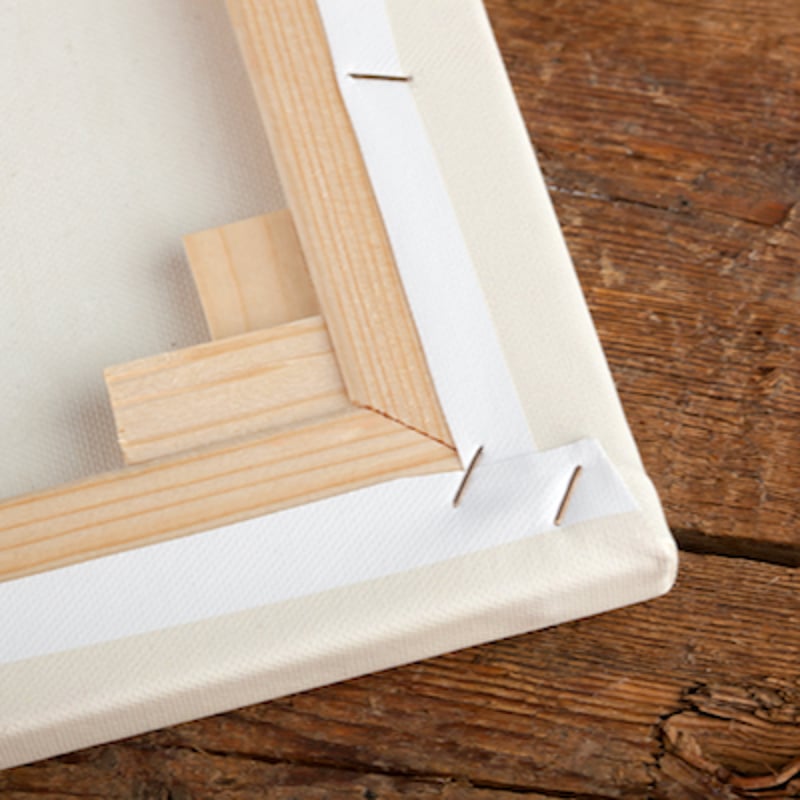
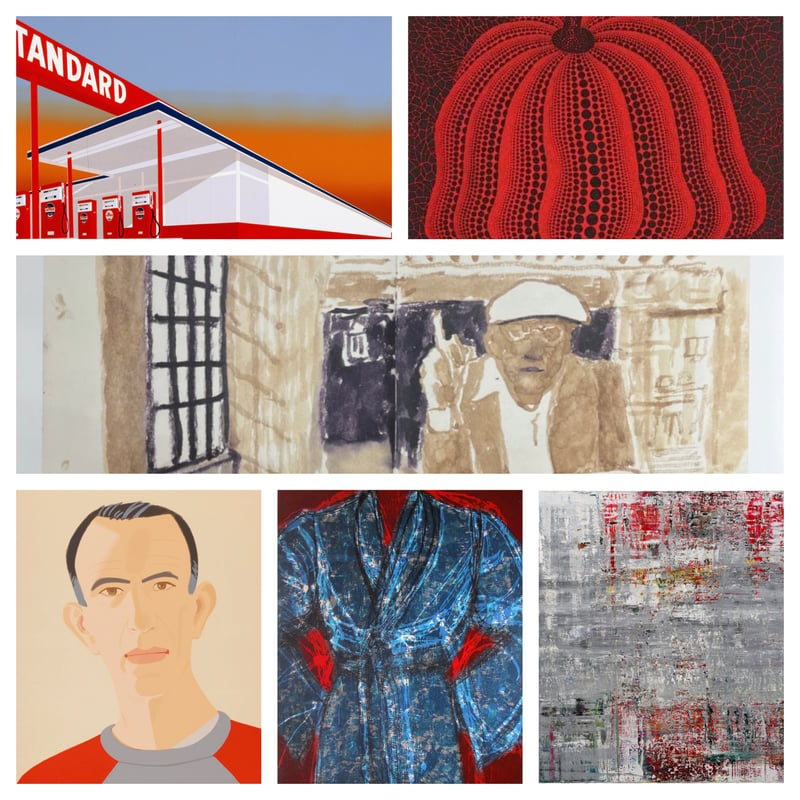
Recto and verso are terms used to describe the right and left pages of an open book, or the front and back of a sheet of paper. In both cases, recto refers to the right-hand page or the front of the paper, while verso refers to the left-hand page or the back of the paper. These terms are commonly used in bookbinding, printmaking, and art to distinguish between the two sides of a sheet.

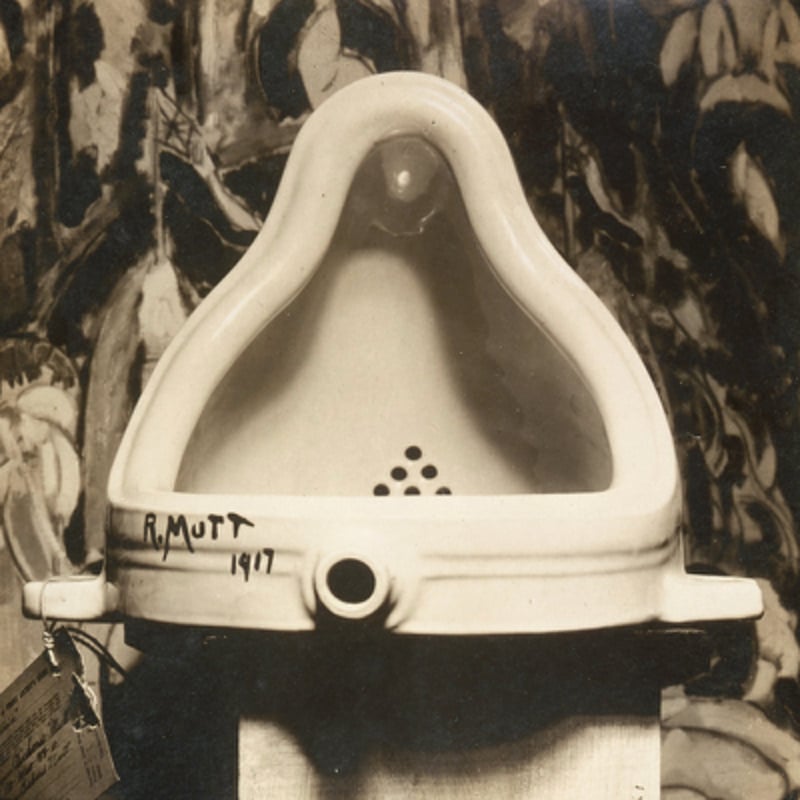
Cubism is an art movement that aimed to depict multiple perspectives of objects or figures within a single picture. Artists Georges Braque and Pablo Picasso pioneered this style around 1907. The name Cubism emerged from their use of geometric shapes and outlines that often resembled cubes, breaking objects down into abstracted forms.
Can't find your Answer?
Thank you! Your question has been sent — we'll get back to you shortly.
