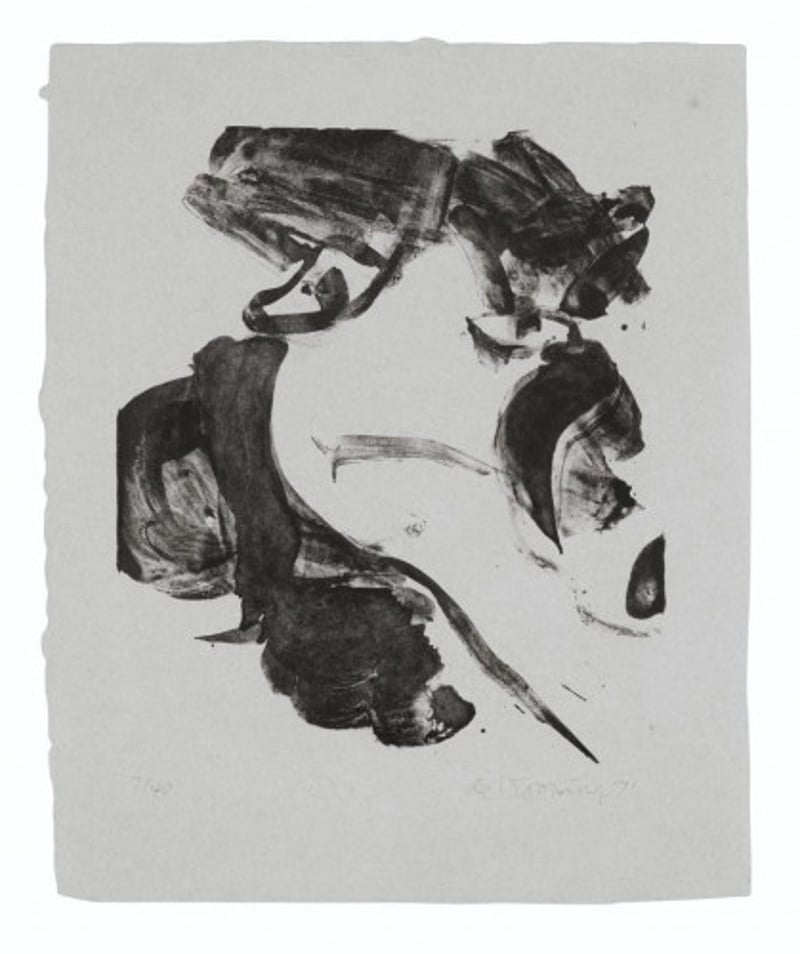
What is Gestural?
Gestural art is a term that describes painting with freely sweeping brushstrokes. The primary goal of gestural art is to allow the artist to physically express emotional impulses. The varied, yet expressive paint marks are intended to convey the artist's inner thoughts and emotions, which viewers are believed to understand through the dynamic and spontaneous application of paint.
Show All
- Show All
- Established
- Discoveries
Show All
- Show All
Artworks Related to Gestural
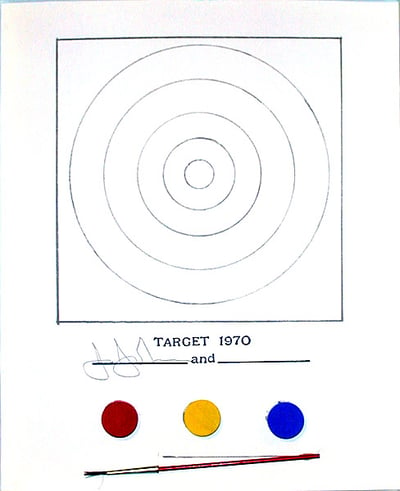
Jasper Johns
Technics and Creativity, 1971
Limited Edition Print
Mixed Media
Currently Not Available
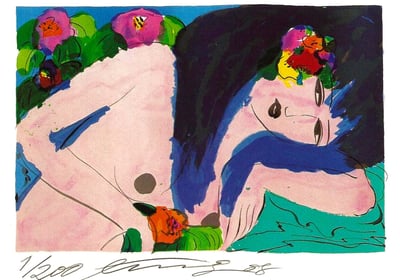
Walasse Ting
Untitled WT EP 20, 1985
Limited Edition Print
Lithograph
EUR 1,490
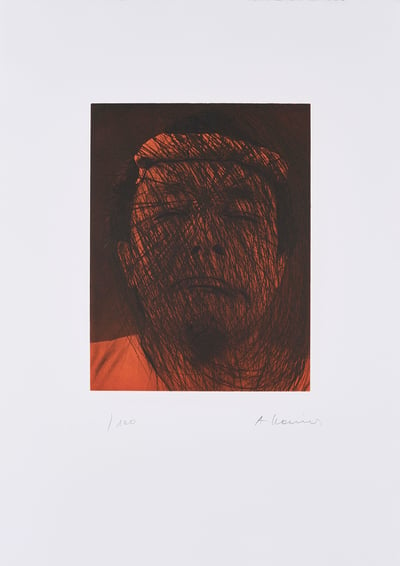
Arnulf Rainer
Kopf auf Braun (Selbstportrait), 1991
Limited Edition Print
Mixed Media
Make Your Offer
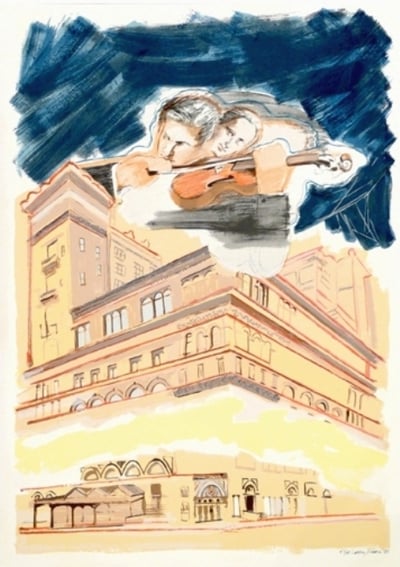
Larry Rivers
Sky Music Over Carnegie Hall, 1990
Limited Edition Print
Screen-print
USD 1,875

Qiu Zhijie
Tattoo 3, 2000
Limited Edition Print
Digital Print on paper
Currently Not Available
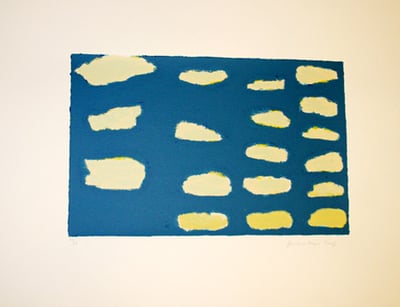
Raoul De Keyser
compositie 2, 2007
Limited Edition Print
Lithograph
Currently Not Available

Martin Disler
Endless modern licking of crasching globe by Black Doggy - Time Bomb, 1981
Limited Edition Print
Etching
Currently Not Available
Related Articles
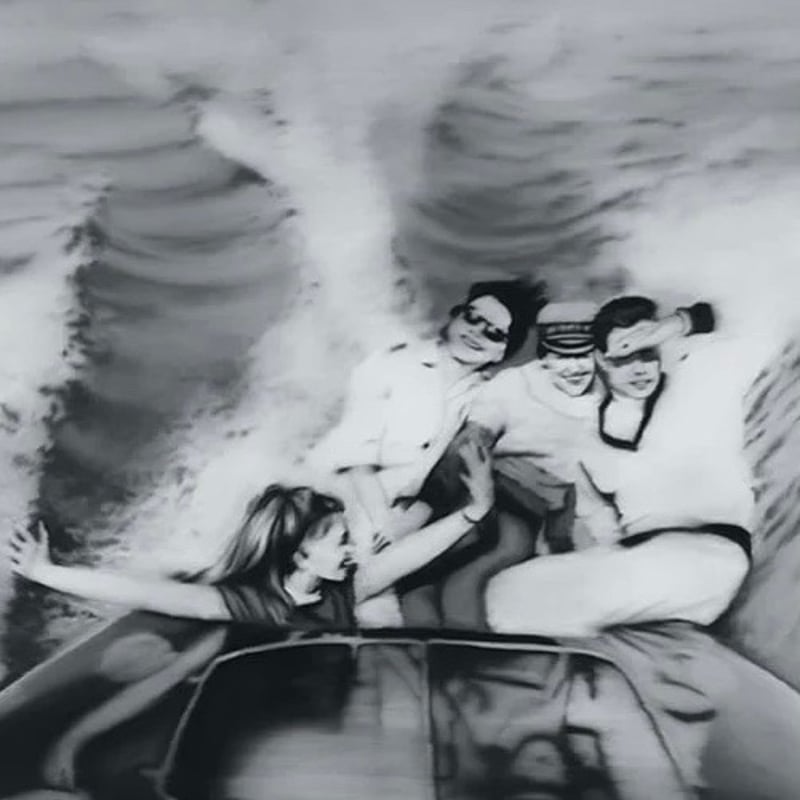
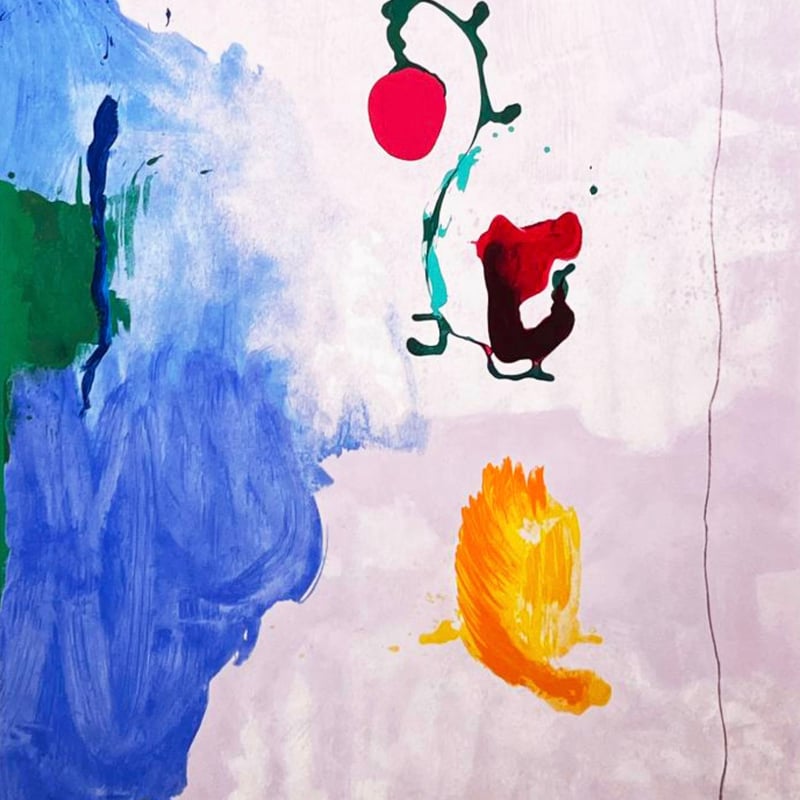
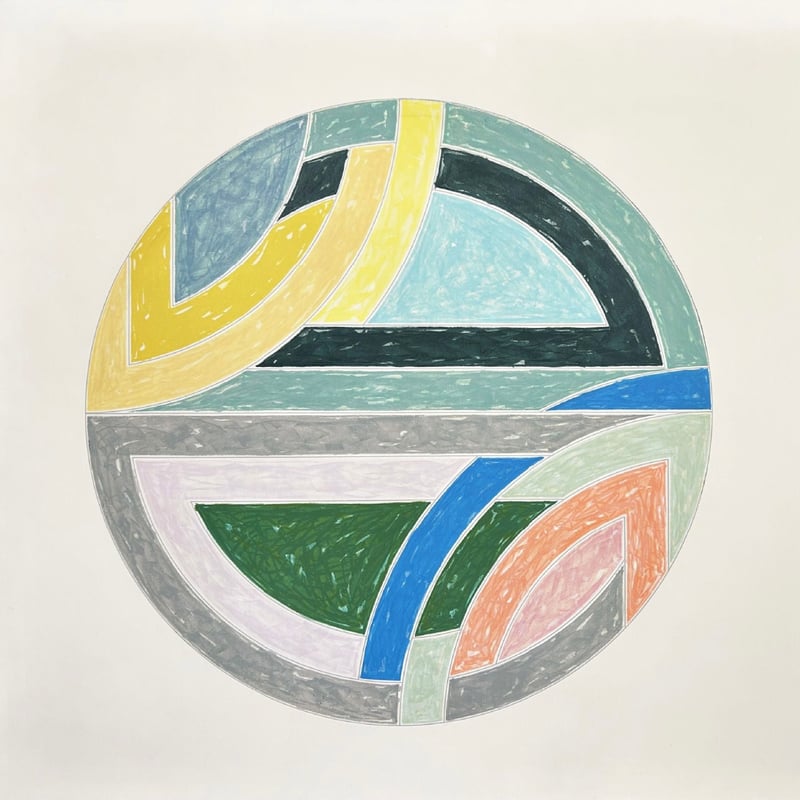
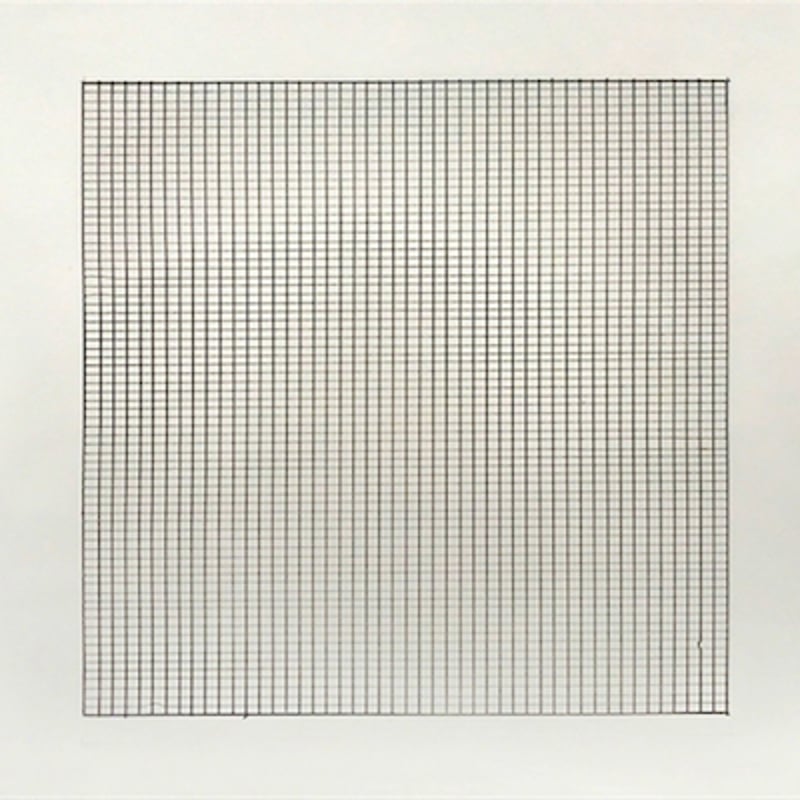
Minimalism is a style in music and visual arts characterized by pared-down designs and simplicity. It began in Western art after World War II, gaining prominence particularly in American visual arts. Minimalism draws heavily on aspects of modernism and is often viewed as a reaction against Abstract Expressionism, as well as a precursor to post-minimal art practices. Prominent minimalist artists include Agnes Martin, Donald Judd, Robert Morris, Frank Stella, and Dan Flavin.
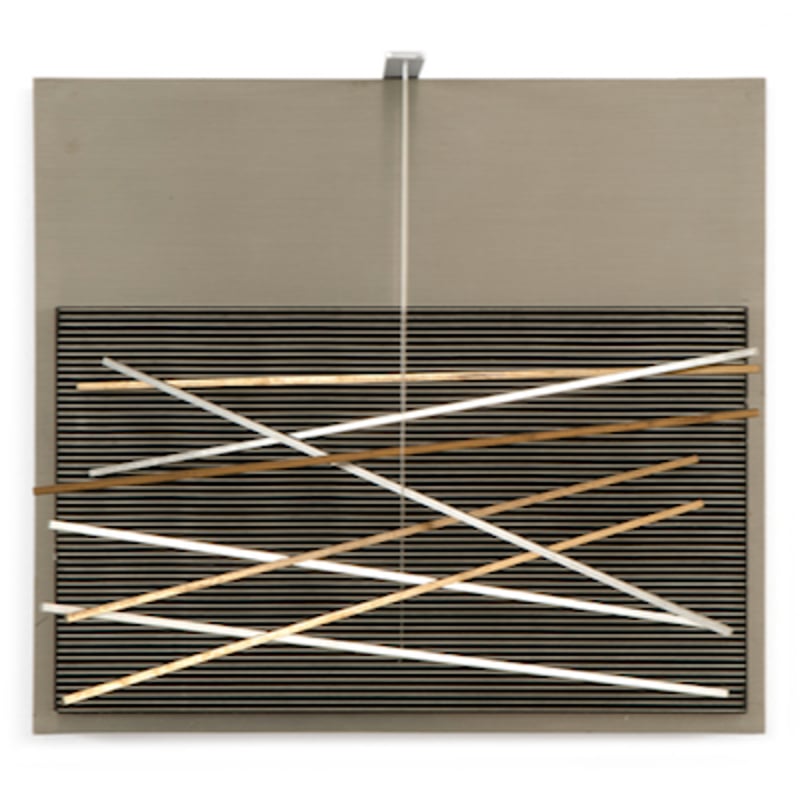
Kinetic art is an international movement that emerged in the 1920s and gained prominence in the 1960s, referring to art that involves both apparent and real motion. It encompasses any medium that includes movement, either relying on actual motion for its effect or being perceived as moving by the viewer. Early examples include canvas paintings designed to create optical illusions of movement. Today, kinetic art often refers to three-dimensional figures and sculptures, such as those operated by machines or those that move naturally. The movement covers a variety of styles and techniques that frequently overlap.
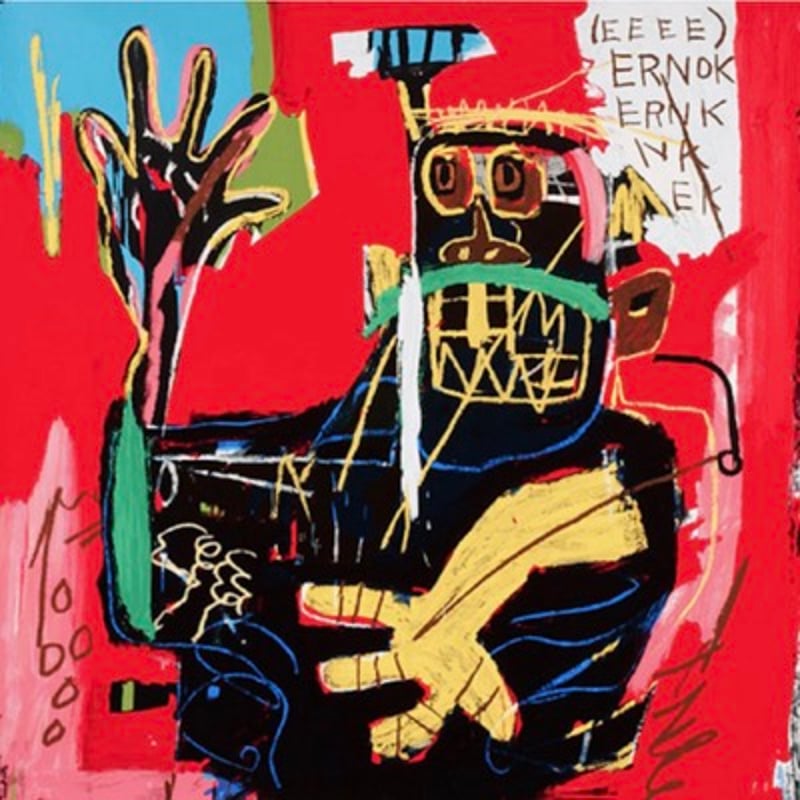
In 1981, Patti Astor opened the first art gallery in New York City's East Village, helping to launch the careers of various artists and musicians. The gallery started small but quickly gained popularity, contributing to the emergence of art movements such as Neo-Expressionism and Street Art in the area. The East Village became a hub for these new artistic expressions. However, the gallery closed in 1985 due to waning interest.
Can't find your Answer?
Thank you! Your question has been sent — we'll get back to you shortly.
