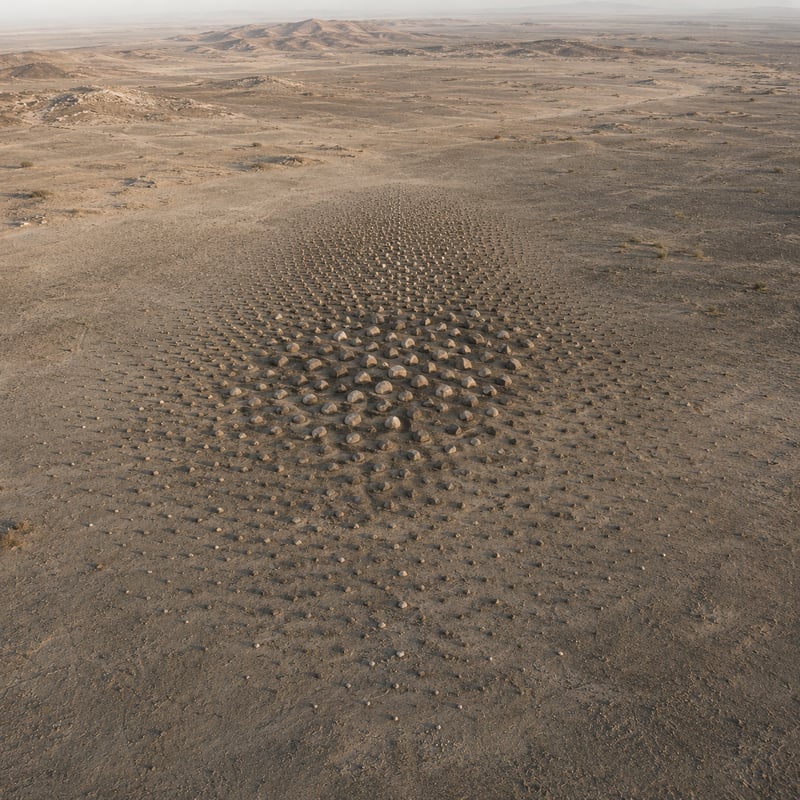
What is Earth Art?
Earth art, also known as Land Art, emerged in the 1960s and 70s as part of the conceptual art movement. It involves creating artworks by sculpting the land or constructing structures in the landscape using natural materials like earth, rocks, or twigs. These works are often large-scale and emphasize the relationship between art and nature.
Show All
- Show All
- Established
- Discoveries
Show All
- Show All
Artworks Related to Earth Art
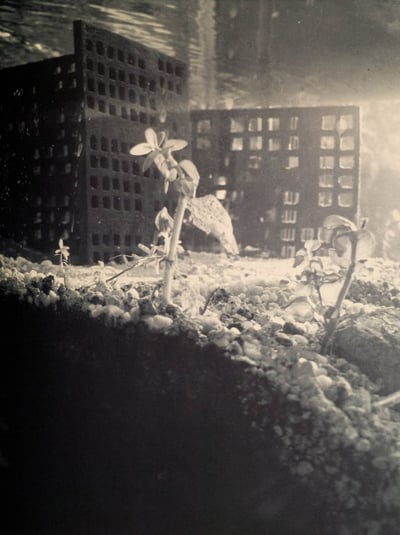
Cristina Iglesias
Aquarium II, 1, 2011
Photography
Photogravure
EUR 5,500
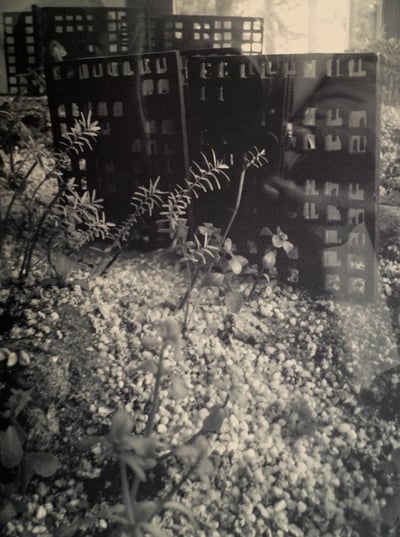
Cristina Iglesias
Aquarium II, 2, 2011
Photography
Photogravure
EUR 5,500
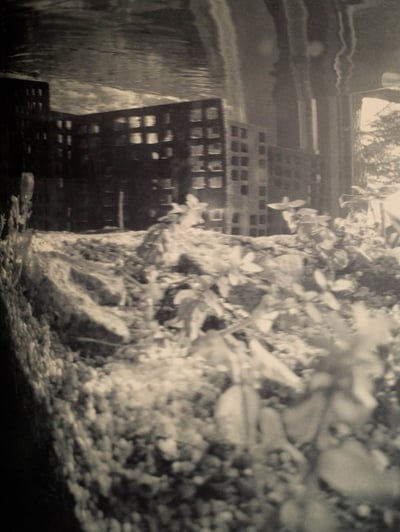
Cristina Iglesias
Aquarium II, 3, 2011
Photography
Photogravure
EUR 5,500
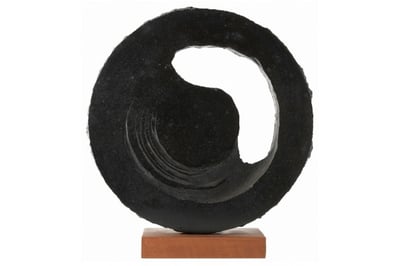
Nobuo Sekine
One Stroke Circle, 1974
Sculpture / Object
Acrylic sculpture
Currently Not Available
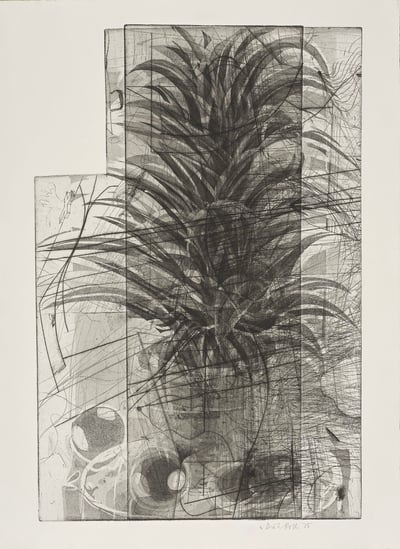
Dieter Roth
Steep Potplant, 1975
Limited Edition Print
Drypoint
USD 2,200
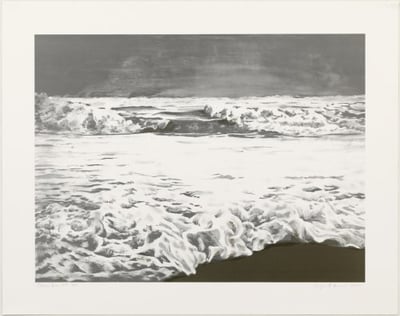
April Gornik
Storm sea, 2011
Limited Edition Print
Lithograph
Currently Not Available
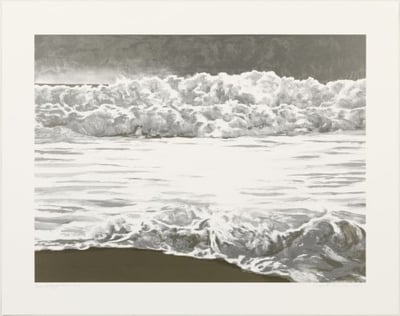
April Gornik
Sea edge, 2011
Limited Edition Print
Lithograph
Currently Not Available
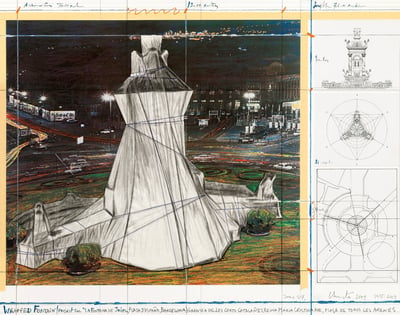
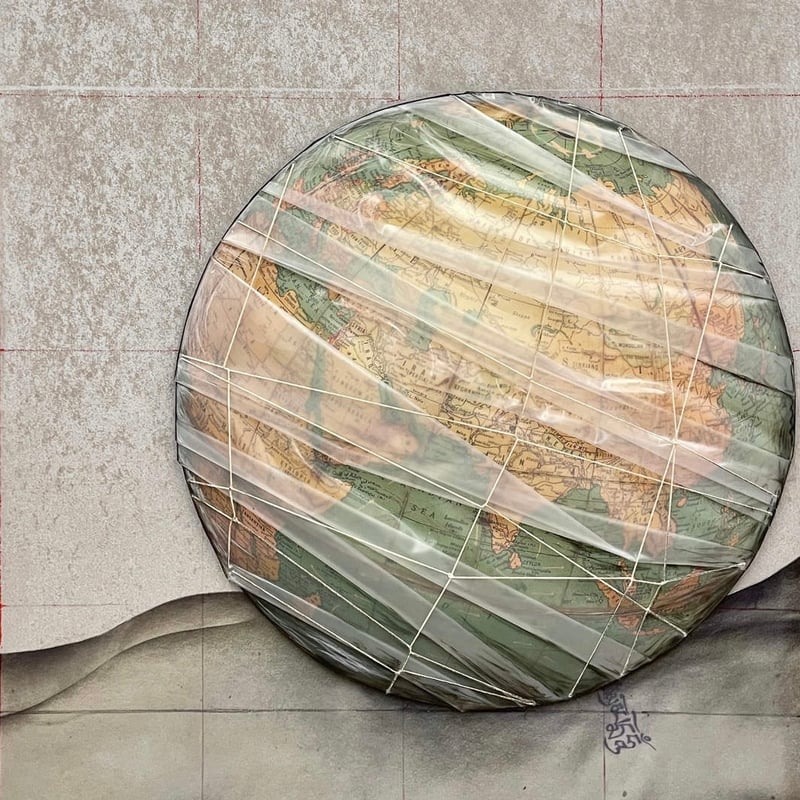
Javacheff Christo
Wrapped Fountain, 2009
Limited Edition Print
Collage
EUR 8,000
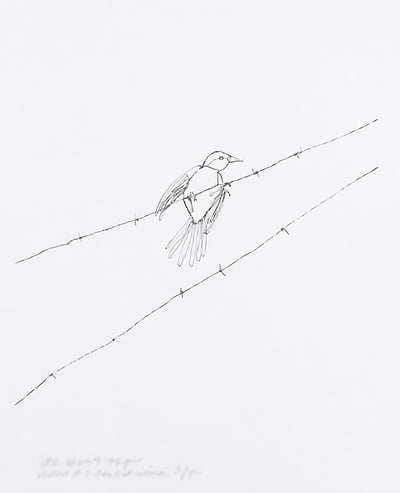
Vik Muniz
Vireo on Barbed Wire, 1995
Photography
Photograph
USD 6,200
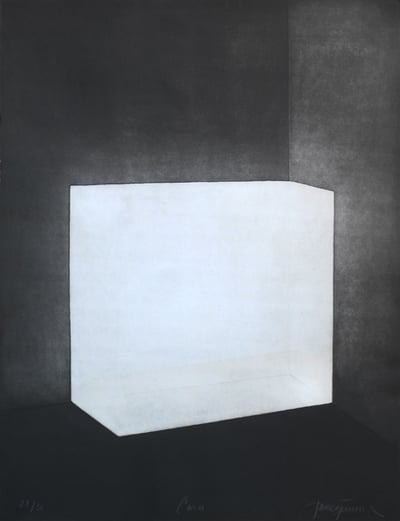
James Turrell
Carn, 1988
Limited Edition Print
Etching
Currently Not Available
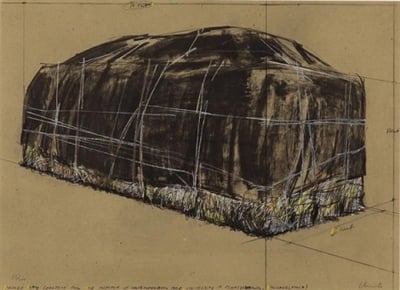
Javacheff Christo
Packed Hay, 1973
Limited Edition Print
Screen-print
EUR 3,800
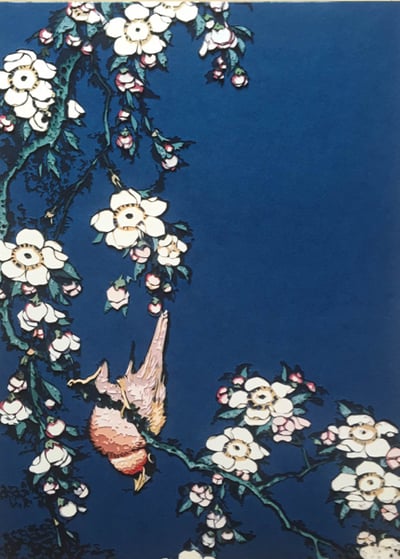
Vik Muniz
Bullfinch and weeping cherry, 2010
Photography
C-Print
EUR 6,500
Related Articles

A watermark is an image or pattern embedded into a sheet of paper during the papermaking process. Each papermaker includes a faint trademark, which becomes visible when the paper is held up to a light source. Watermarks serve as a mark of authenticity and are used for identification, often carrying historical significance in determining the origin and age of the paper.
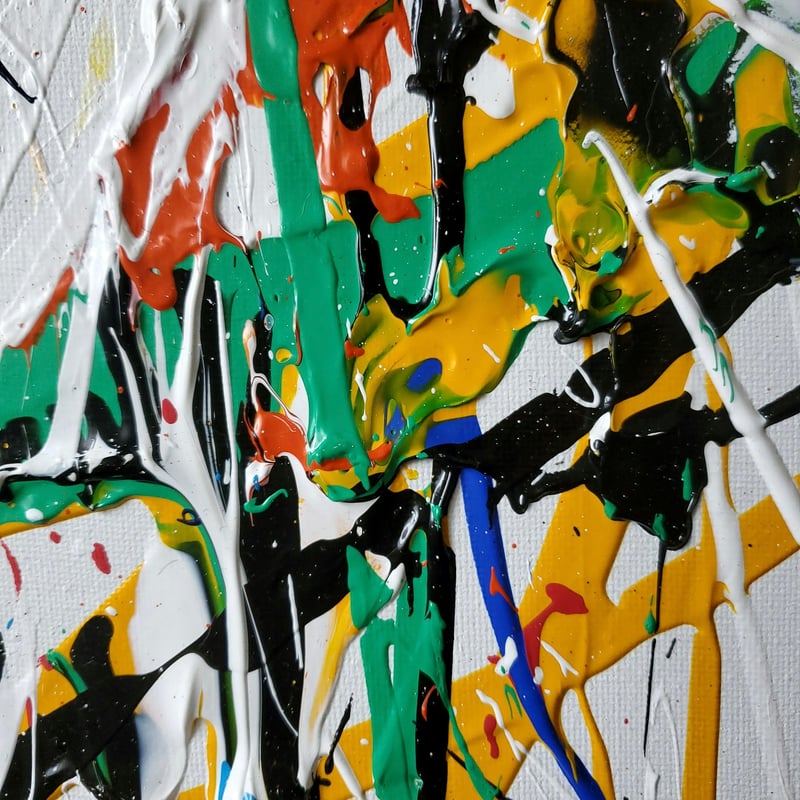
Original artwork is art that stems directly from the personal inspiration and creativity of an artist. It is not a direct copy of another artist’s work, though it may be inspired by it. The subject matter can be similar, but it cannot be an exact replication. The term also refers to a unique piece, as opposed to a multiple or edition.
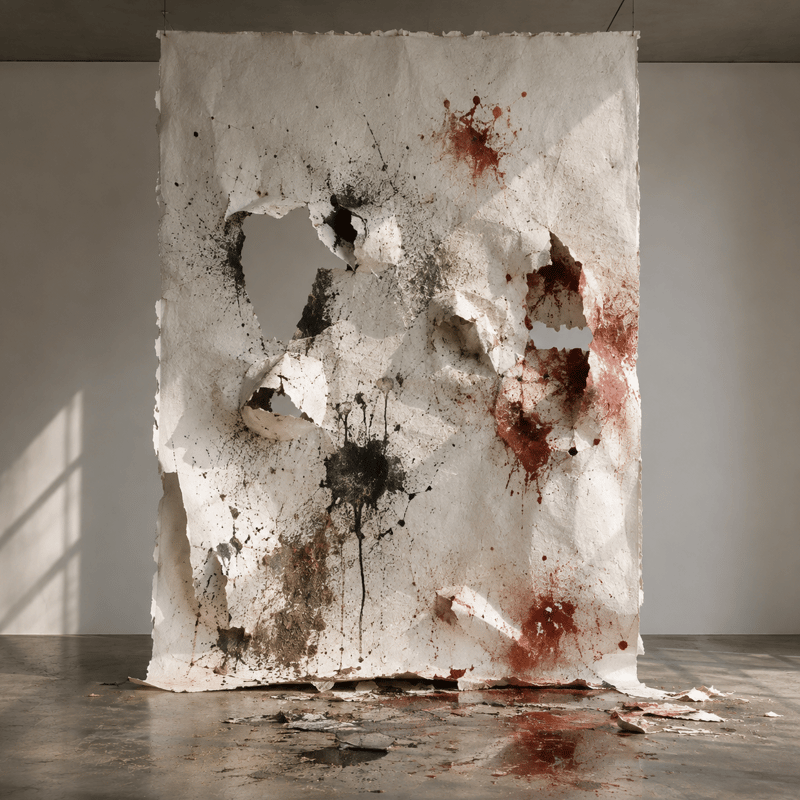
Gutai was a group of Japanese radical artists who formed the Gutai Art Association in 1954. The word Gutai translates to embodiment. The group was known for creating art on the spot for live audiences, often incorporating their own physical movements. Their performances included actions like throwing paint, piercing paper, and rolling in mud, emphasizing the direct interaction between the body and the material.
Can't find your Answer?
Thank you! Your question has been sent — we'll get back to you shortly.
