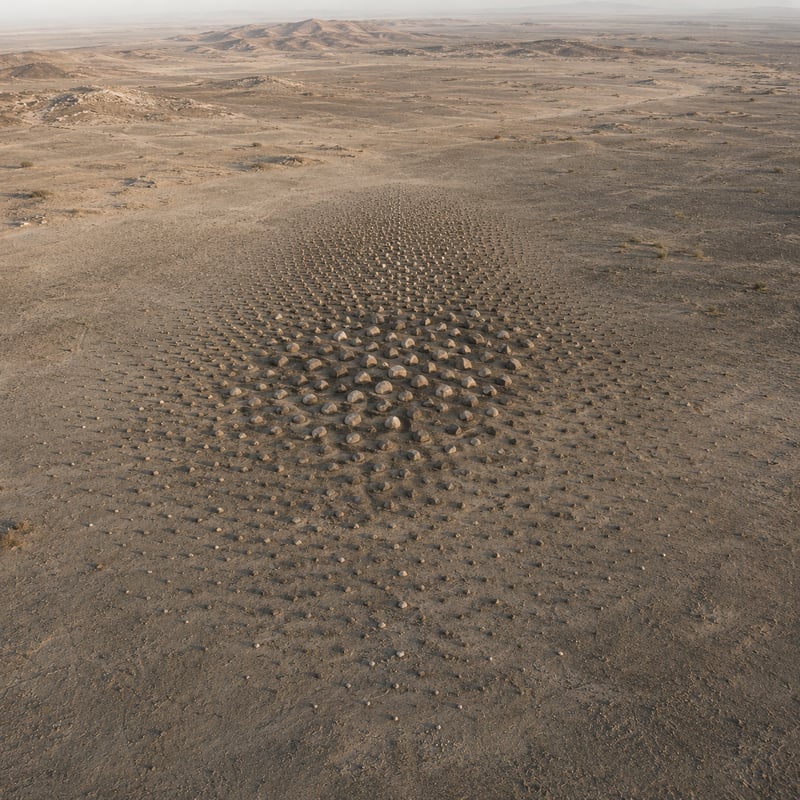
What is Earth Art?
- Show All
- Established
- Discoveries
- Show All
Artworks Related to Earth Art
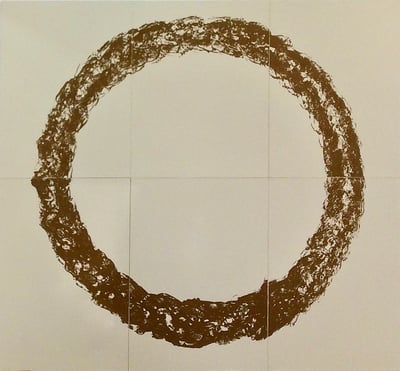
Gunther Uecker
Ouroboros (natural sand), 2018
Limited Edition Print
Screen-print
EUR 22,000

Ugo Rondinone
Window I
Limited Edition Print
Lithograph
Currently Not Available
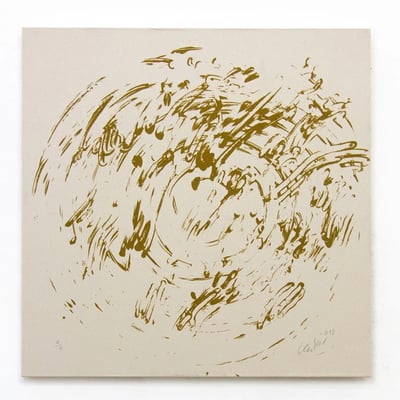
Gunther Uecker
Ouroboros #11, 2018
Limited Edition Print
Sand
EUR 8,000
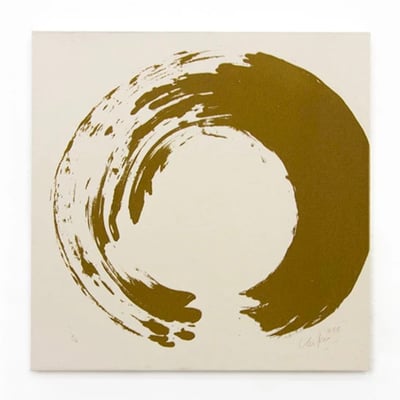
Gunther Uecker
Ouroboros #10, 2018
Limited Edition Print
Sand
EUR 8,000
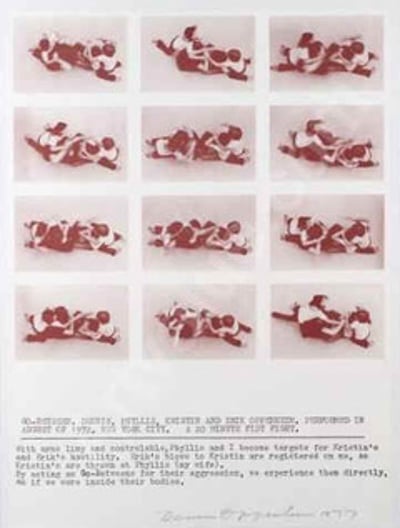
Dennis Oppenheim
Go Beteween, 1977
Limited Edition Print
Lithograph
EUR 940
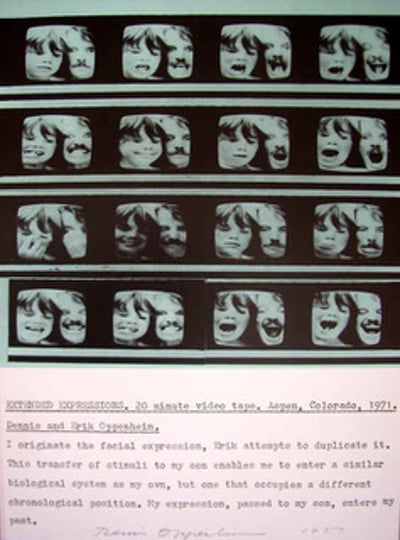
Dennis Oppenheim
Extended Expressions, 1976
Limited Edition Print
Lithograph
EUR 940
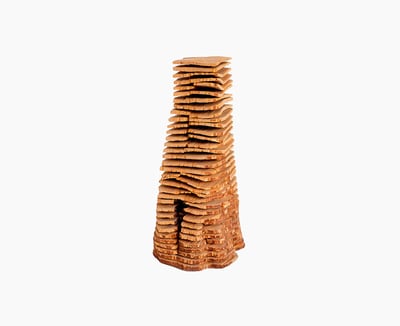
David Nash
Birch crack and warp column, 1999
Sculpture / Object
Wood
EUR 14,260
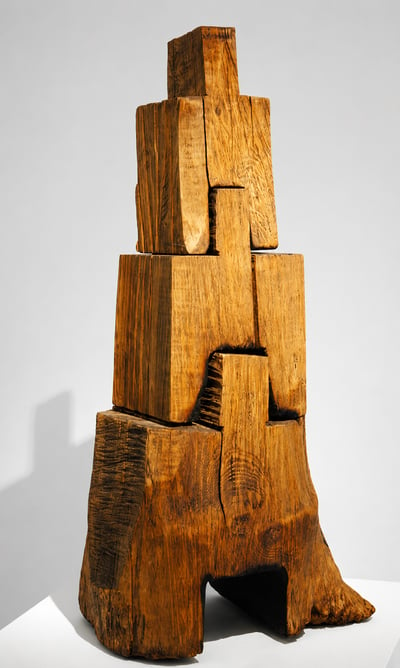
David Nash
Tongue and groove stove, 1983
Sculpture / Object
Wood
Inquire For Price
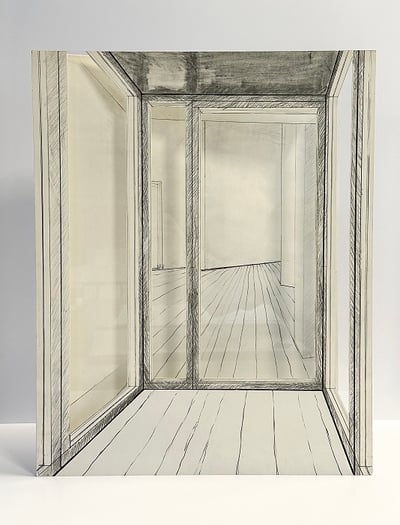
Javacheff Christo
Store Front Corridor two parts
Limited Edition Print
Silkscreen
EUR 9,800
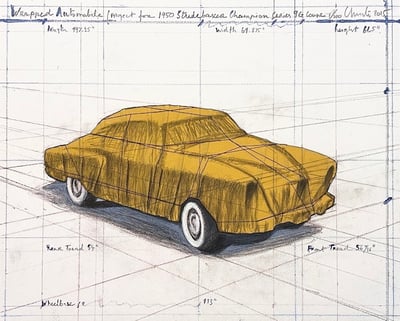
Javacheff Christo
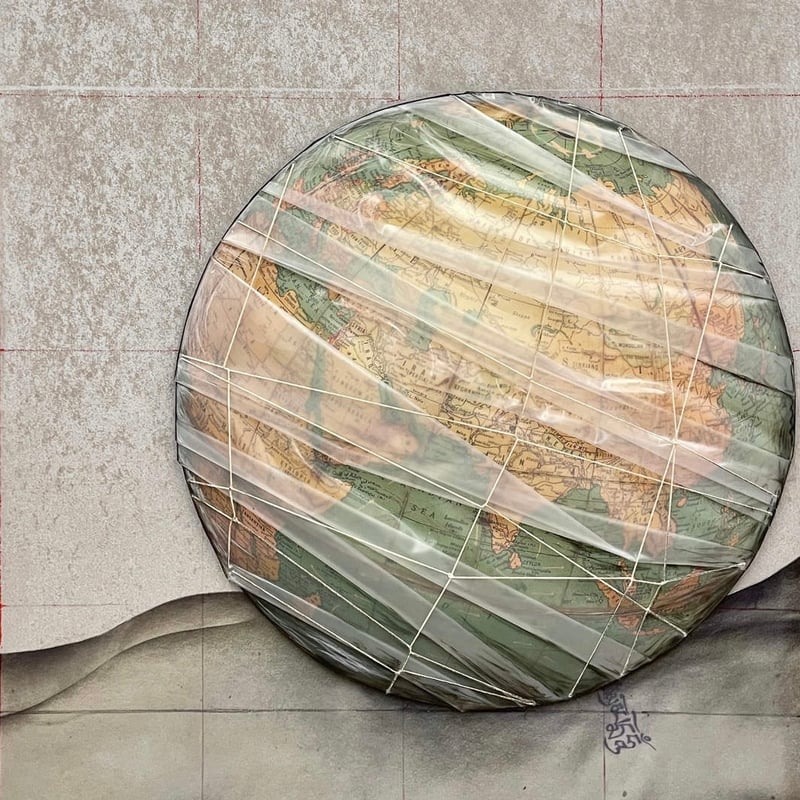
Wrapped Automobile, Project for Studebaker, 2015
Limited Edition Print
Collage
EUR 9,800
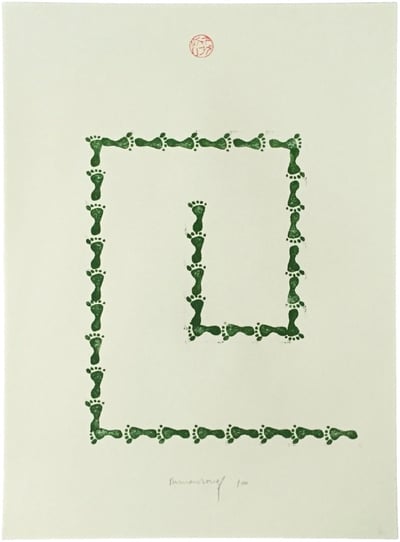
Richard Long
Untitled (from Artists Against Torture portfolio), 2003
Limited Edition Print
Lithograph
EUR 2,900
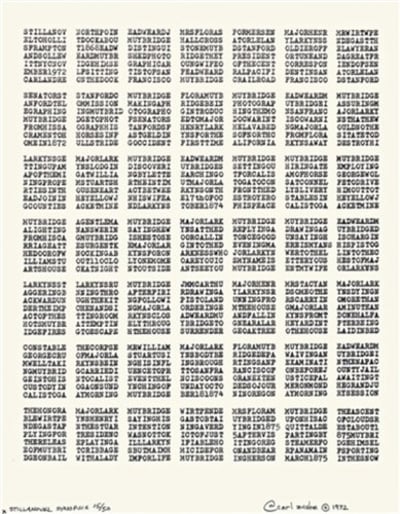
Carl Andre
Still Novel Synopsis, 1972
Limited Edition Print
Inkjet print
Currently Not Available
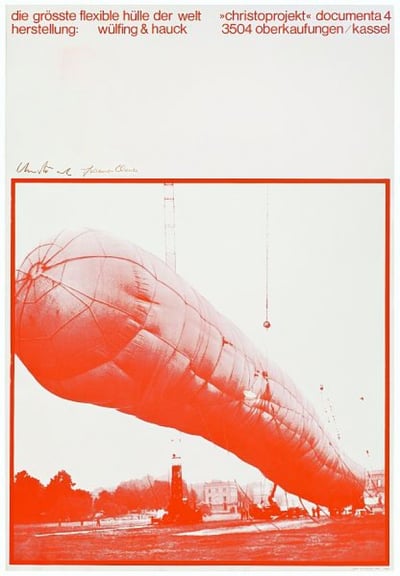
Javacheff Christo
5600 m3, Kassel, 1968
Limited Edition Print
Silkscreen
EUR 3,900
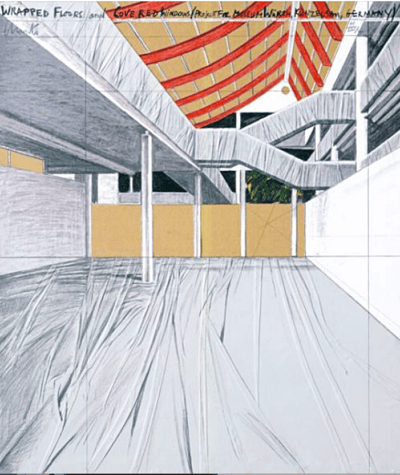
Javacheff Christo
Wrapped Floors and Covered Windows, Museum Würth, 1994
Limited Edition Print
Collage
EUR 9,800
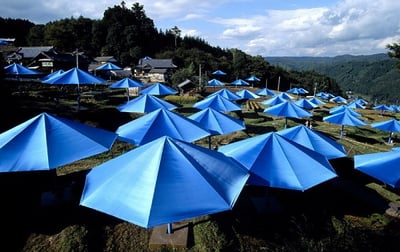
Javacheff Christo
Toronto Edition, The Umbrellas, Japan
Photography
Photograph
Currently Not Available
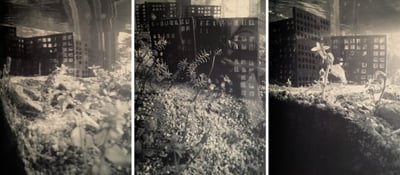
Cristina Iglesias
Aquarium II, 2011
Photography
Photogravure
EUR 15,000
Related Articles


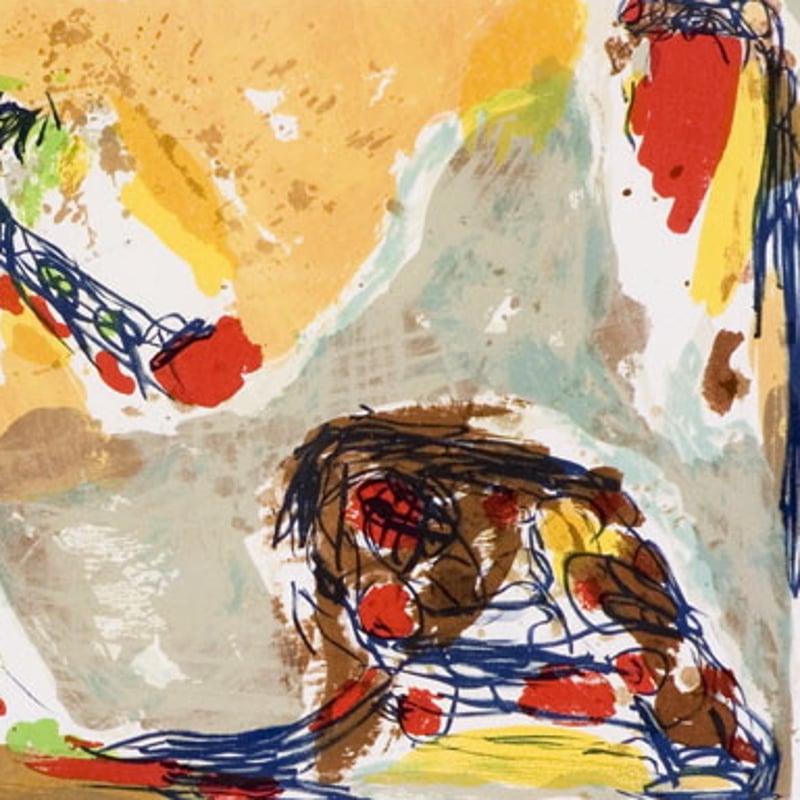
Situationism is a psychological theory that gained prominence in 1968, following the publication of a monograph by Walter Mischel that sparked the Person-situation debate. This theory argues that behavior is primarily influenced by external situational factors rather than internal traits or motivations, challenging the ideas of trait theorists like Raymond B. Cattell and Hans Eysenck, who emphasized stable personality traits. It is important not to confuse this with the Situationist International movement, an artistic and political movement founded by Asger Jorn, which focused on the critique of modern consumer society and the influence of environments on human behavior.

Bronze is a metal alloy made primarily of copper and tin, with a typical modern composition of 88% copper and 12% tin. Over time, bronze develops a patina, a surface color that often turns deep green due to oxidation. Large bronze objects, such as sculptures, are typically made in foundries. Bronze is valued for its durability and has been widely used throughout history for art, tools, and weapons.
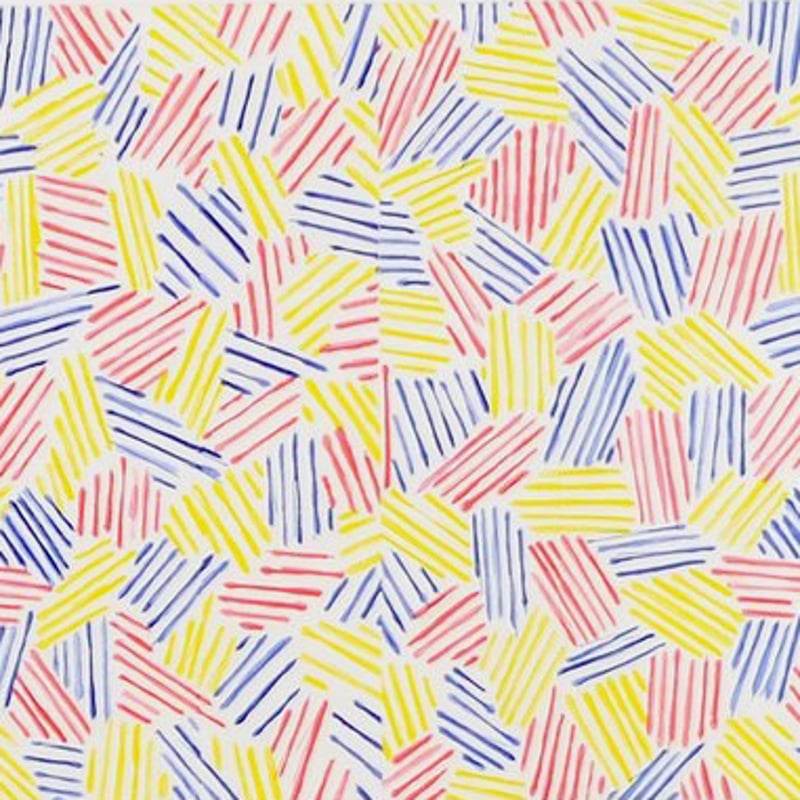
Intaglio is a printmaking technique where a design is incised below the surface of a metal or stone plate. Ink is applied to the plate, filling the incised lines or depressions, while the surface is wiped clean. The ink in the depressions is then transferred to paper using an etching press. Common intaglio techniques include engraving, etching, and drypoint.
Can't find your Answer?
Thank you! Your question has been sent — we'll get back to you shortly.
