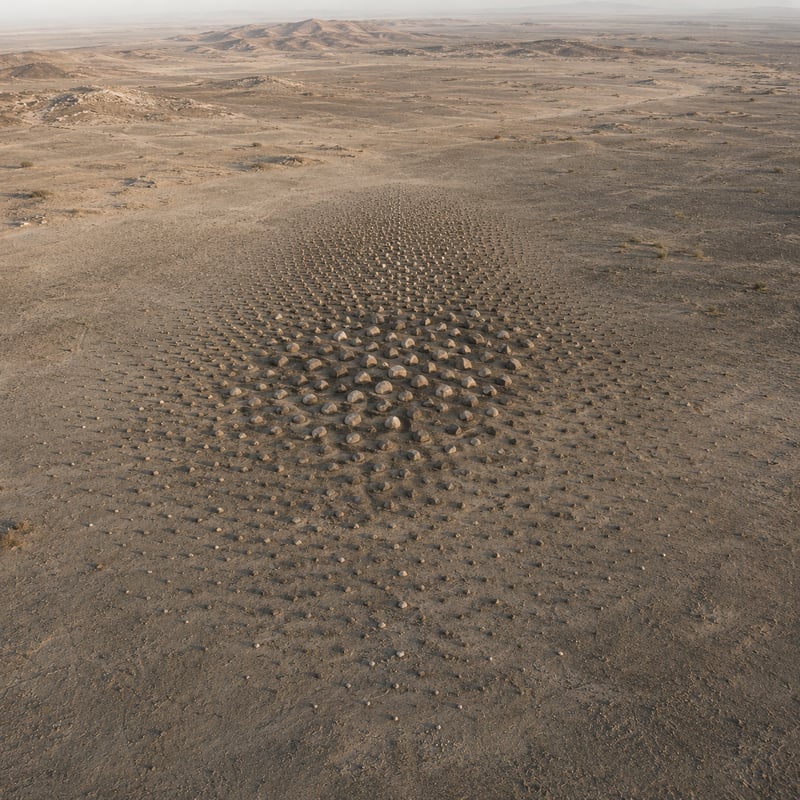
What is Earth Art?
- Show All
- Established
- Discoveries
- Show All
Artworks Related to Earth Art
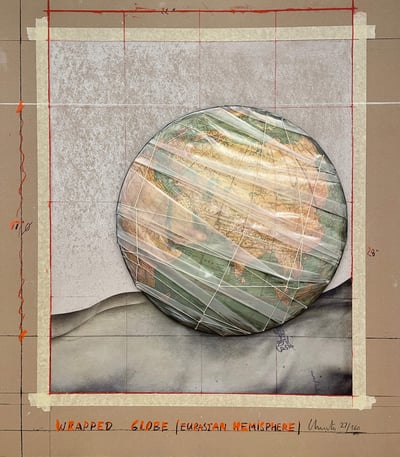
Javacheff Christo
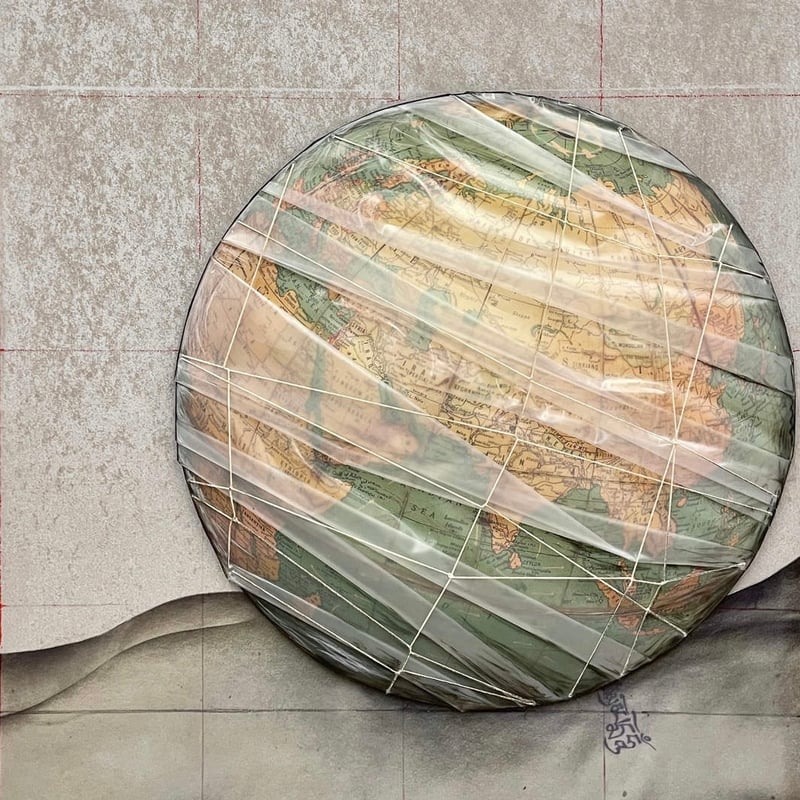
Wrapped Globe, 2020
Limited Edition Print
Collage
EUR 21,900
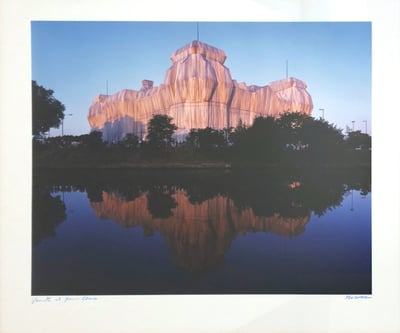
Javacheff Christo
Wrapped Reichstag/Berlin Nachmittag, 1995
Limited Edition Print
Photograph
EUR 10,000
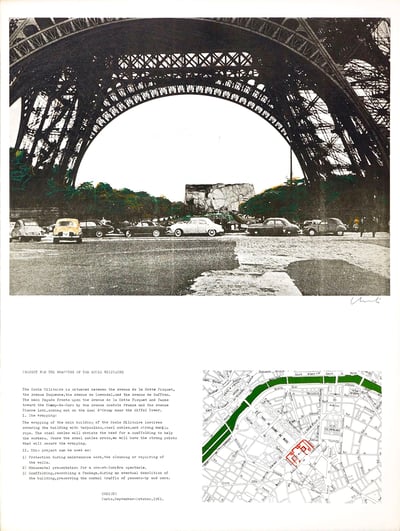
Javacheff Christo
Project Ecole Militaire, Paris, 1961
Limited Edition Print
Lithograph
EUR 3,800
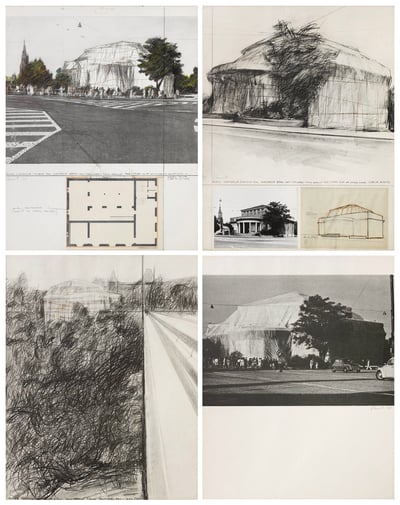
Javacheff Christo
Kunsthalle Bern, 1972
Limited Edition Print
Mixed Media
EUR 18,000
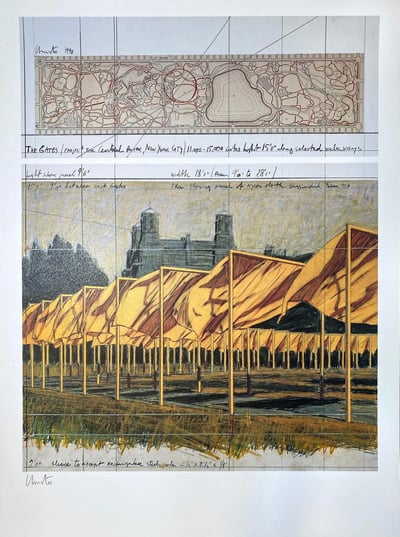
Javacheff Christo
The Gates Project for Central Park (III), 1990
Limited Edition Print
Offset Print
Currently Not Available

Javacheff Christo
Over The River Project VI, 1992
Limited Edition Print
Offset Print
USD 1,400
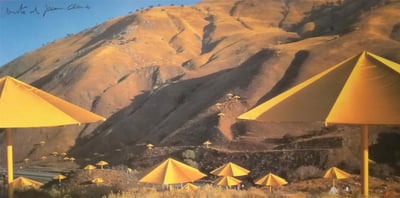
Javacheff Christo
The Umbrellas, 1991
Limited Edition Print
Offset Print
USD 1,250
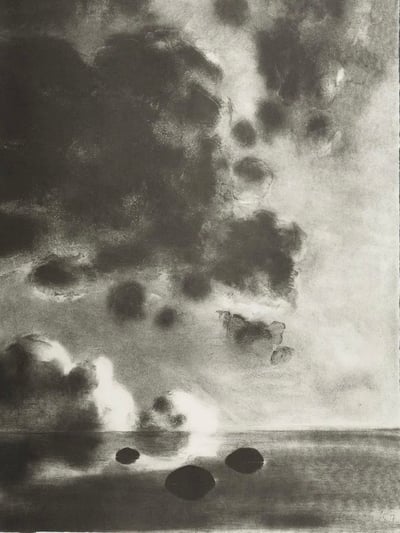
April Gornik
Remember the Sabbath Day, 1987
Limited Edition Print
Lithograph
Currently Not Available
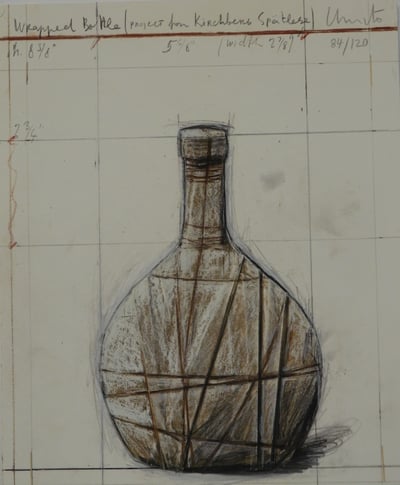
Javacheff Christo
Wrapped bottle, 2007
Limited Edition Print
Mixed Media
EUR 7,850
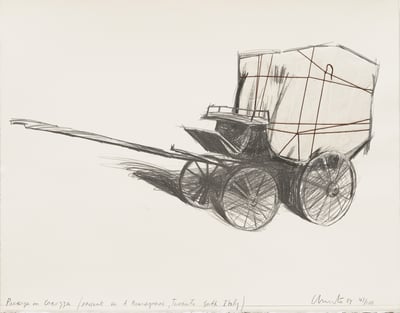
Javacheff Christo
Package on Carrozza, 1984
Limited Edition Print
Mixed Media
EUR 13,675
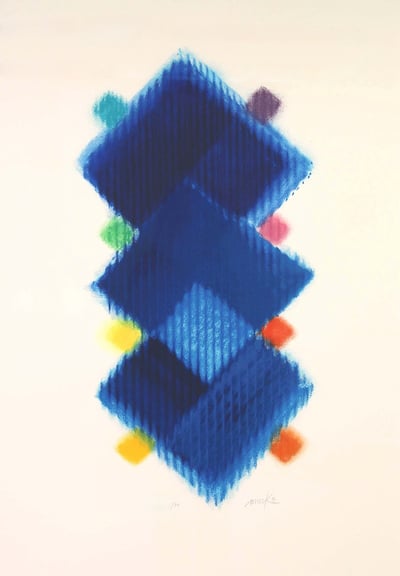
Heinz Mack
Kleiner Dreiklang, 1994
Limited Edition Print
Silkscreen
EUR 6,970
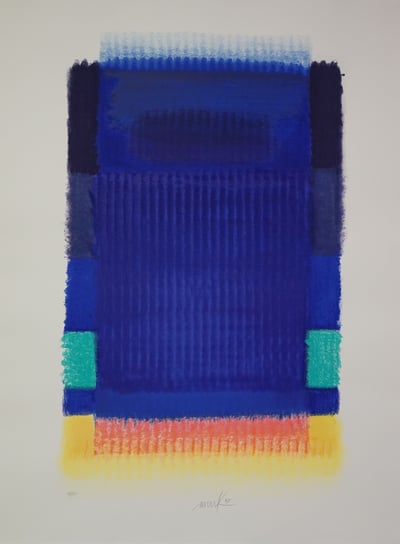
Heinz Mack
Blaues Feld mit Rosa, 1997
Limited Edition Print
Silkscreen
EUR 5,800
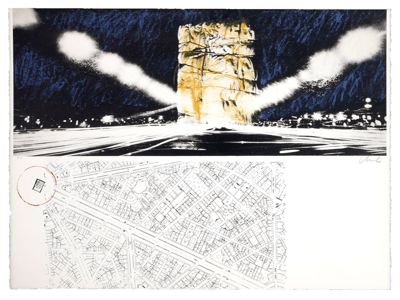
Javacheff Christo
Project for the Arc de Triomphe, Paris , 1970
Limited Edition Print
Lithograph
Currently Not Available
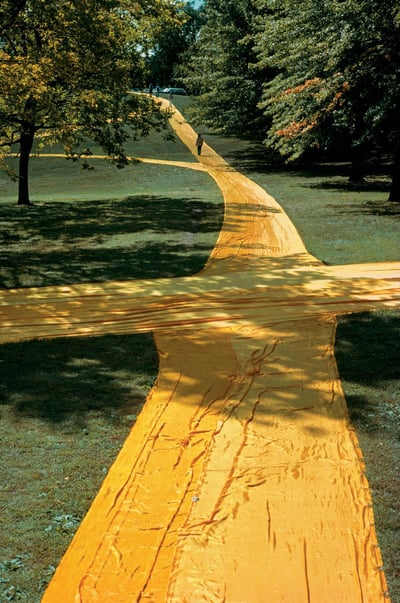
Javacheff Christo
Wrapped Walkways Detail WW-451
Limited Edition Print
Photograph
EUR 11,000

Javacheff Christo
Wrapped Tree
Limited Edition Print
Screen-print
EUR 3,800

Javacheff Christo
Reichstag/Berlin Vormittag, Wrapped, 1995
Limited Edition Print
Photograph
EUR 9,500
Related Articles
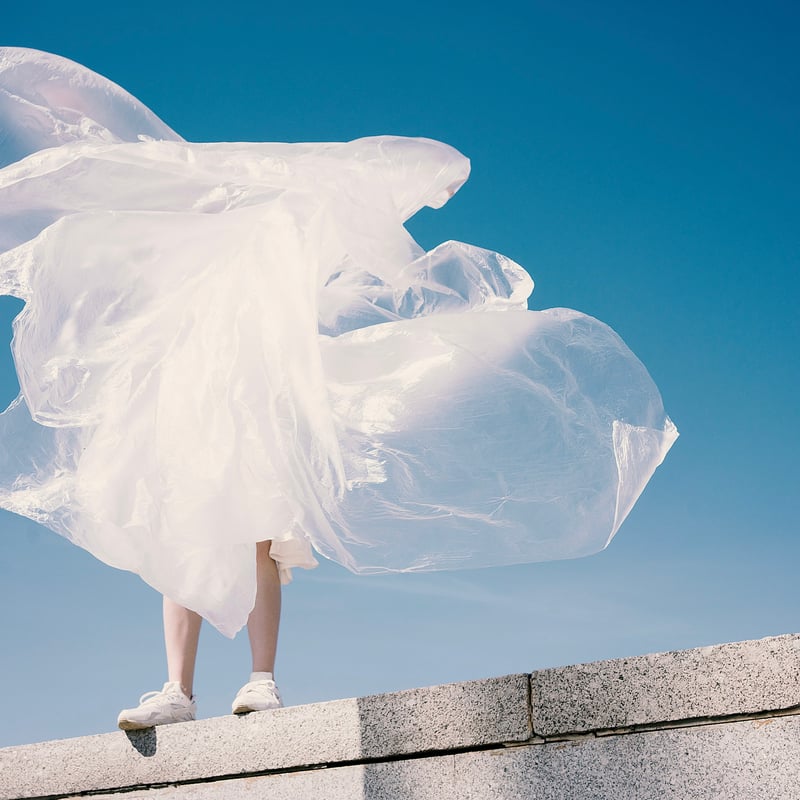

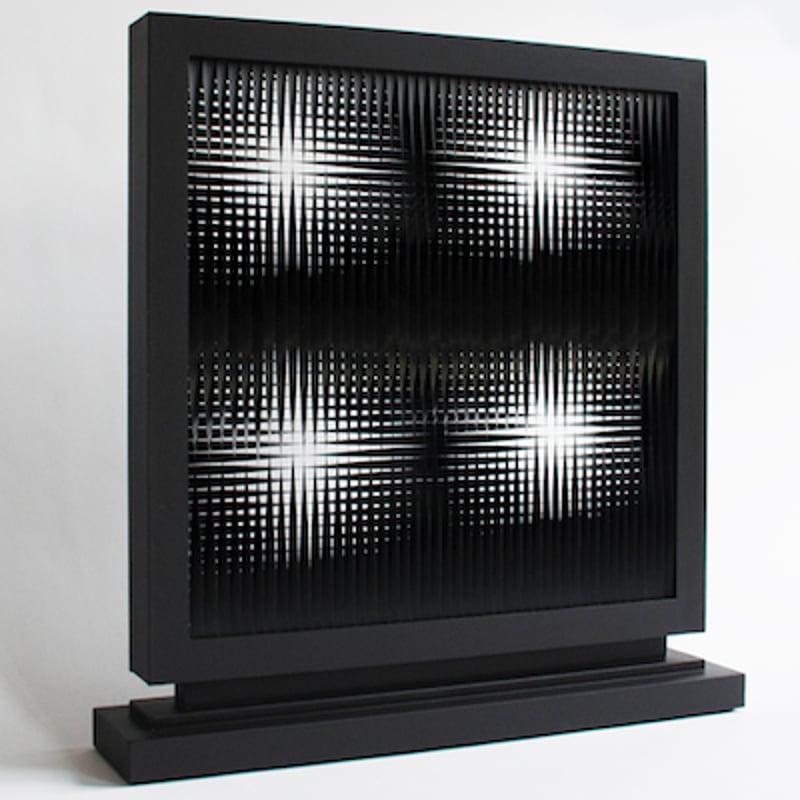
Interactive art is a form of art where the spectator is actively involved by the artist to achieve the artwork's purpose. This involvement can include allowing the visitor to walk around, in, or on the art installation, or even becoming a part of the artwork itself. Works in this category often feature computers, sensors, and interfaces that respond to various inputs such as meteorological changes, heat, motion, or other types of data programmed by the artist.
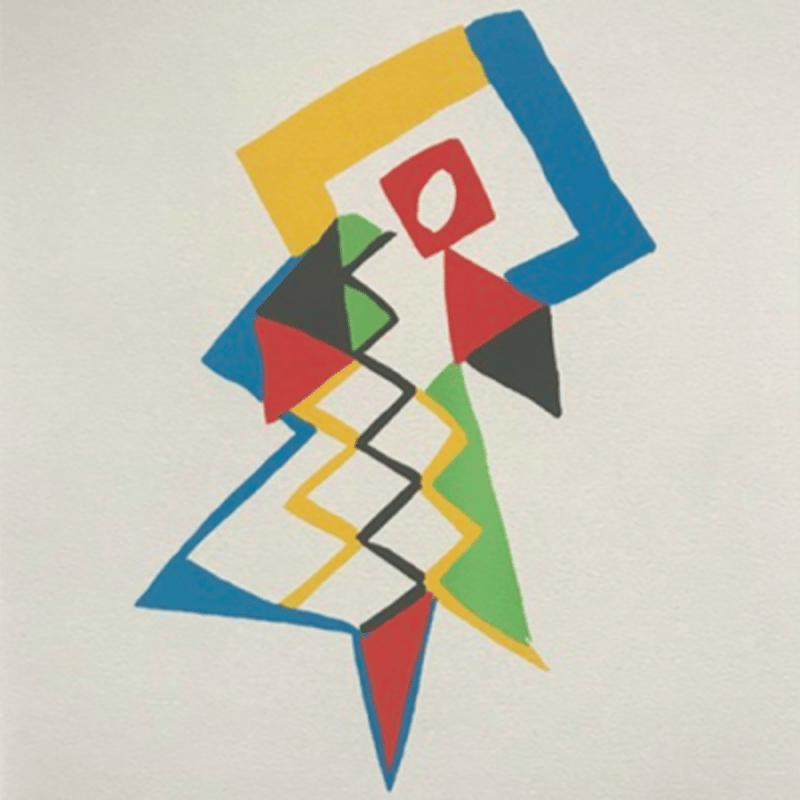
Orphism is an abstract style of painting influenced by Cubism, developed by Sonia and Robert Delaunay. The term was coined around 1912 by French poet Guillaume Apollinaire to differentiate the Delaunays' work from Cubism, emphasizing their focus on vibrant color and light. The name Orphism is inspired by the Greek musician Orpheus, symbolizing the movement's lyrical and harmonious qualities.

Hard Edge art is a style of abstract painting that became popular in the 1960s. It features areas of color separated by crisp, sharp edges that are painted with geometric precision. The term hard-edge painting was coined by art critic Jules Langsner to describe this approach, which contrasts with the softer, more fluid forms of other abstract styles.
Can't find your Answer?
Thank you! Your question has been sent — we'll get back to you shortly.
