
What is Bronze?
- Show All
- Established
- Discoveries
- Show All
Artworks Related to Bronze
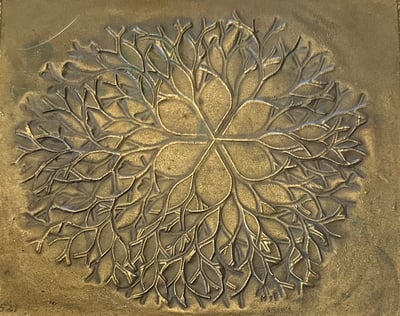
Ruth Asawa
Bronze Flower, 1979
Sculpture / Object
Bronze
USD 3,750
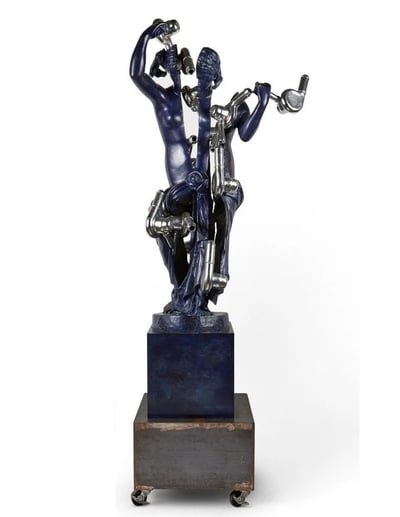
Fernandez Arman
Venus Hairspray, 1996
Sculpture / Object
Bronze
USD 28,000
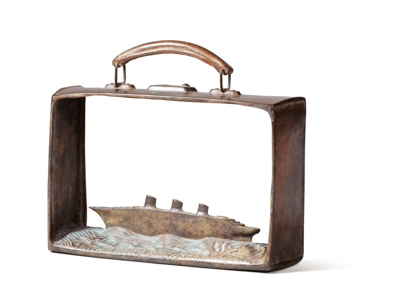
Jean-Michel Folon
Partir (F232), 2001
Sculpture / Object
Bronze
Currently Not Available
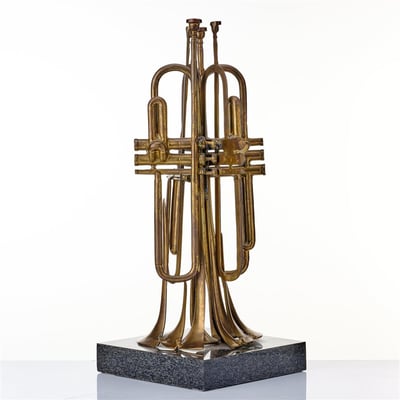
Fernandez Arman
Trompettes découpées, 1989
Sculpture / Object
Bronze
EUR 9,500

Fernandez Arman
Venus au Violon, 1991
Sculpture / Object
Bronze
Currently Not Available
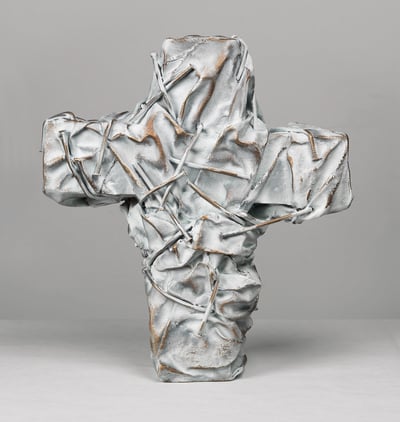
Gunther Uecker
Helles Nagelkreuz, 2017
Sculpture / Object
Bronze
EUR 49,500
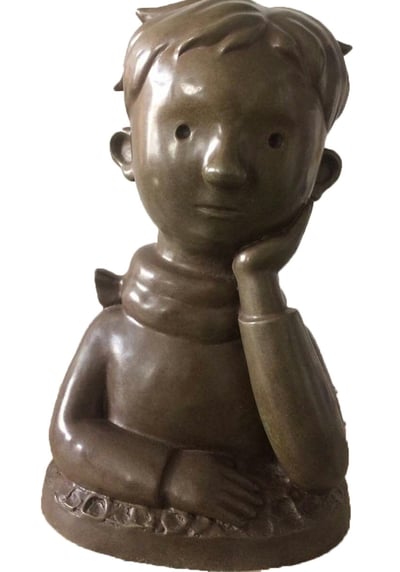
Shen Jingdong
Little Prince, 2015
Sculpture / Object
Bronze
USD 14,250
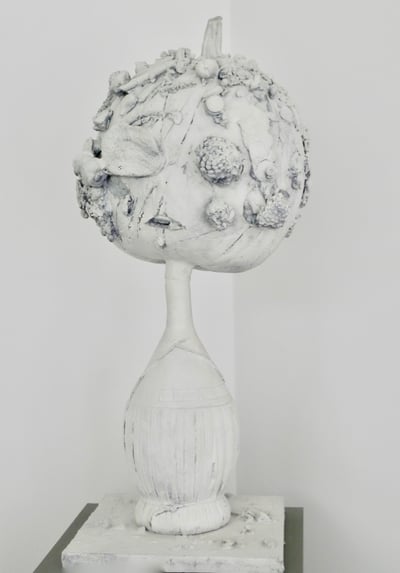
Tal R
Soya and Litschi, 2006
Sculpture / Object
Bronze
Currently Not Available
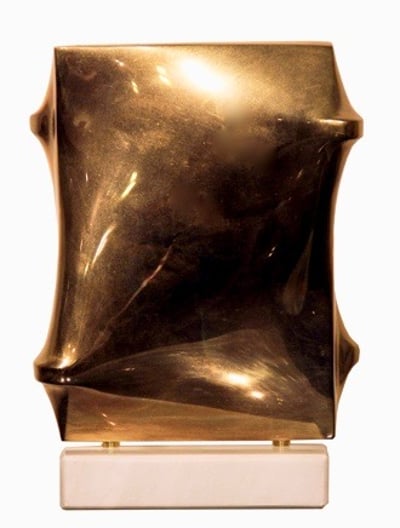
Agostino Bonalumi
Senza titolo, 1990
Sculpture / Object
Bronze
EUR 3,750
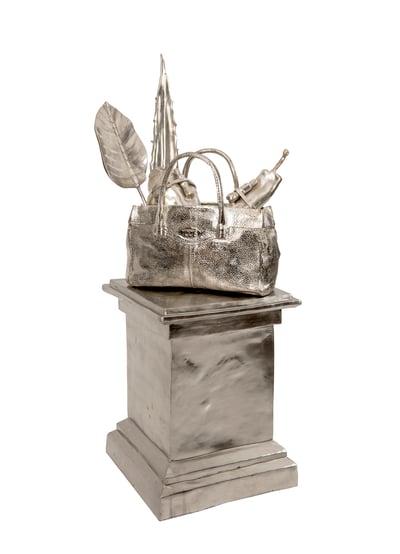
William Sweetlove
Sunday Handbag, 2016
Sculpture / Object
Bronze
EUR 9,900
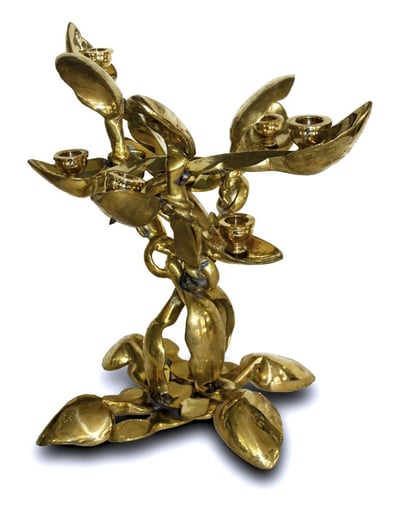
Fernandez Arman
Candélabre africain, 2003
Sculpture / Object
Bronze
EUR 6,000
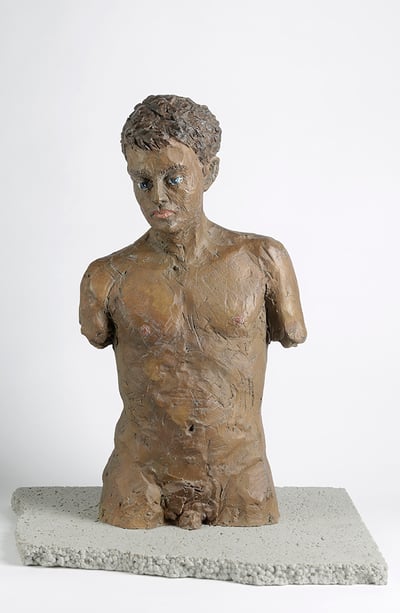
Stephan Balkenhol
Male torso, 2012
Sculpture / Object
Bronze
Currently Not Available
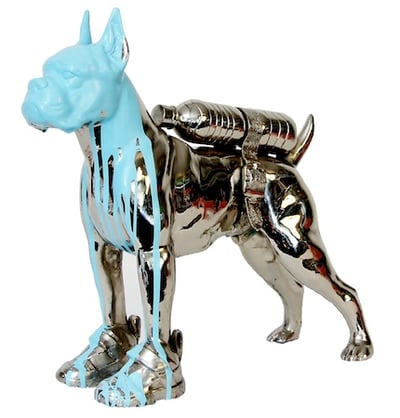
William Sweetlove
Cloned bronze bulldog with bottle water, 2011
Sculpture / Object
Bronze
EUR 6,000
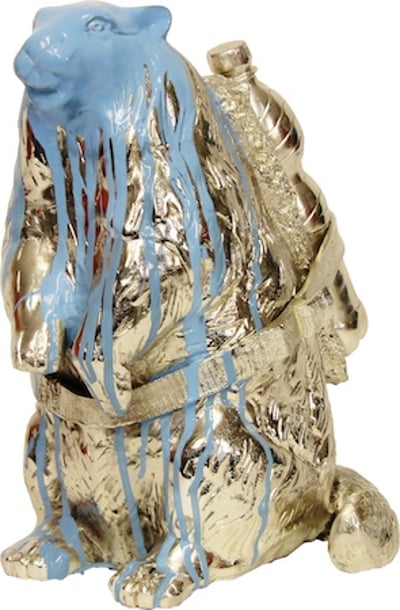
William Sweetlove
Cloned bronze marmot with bottle, 2011
Sculpture / Object
Bronze
EUR 5,000
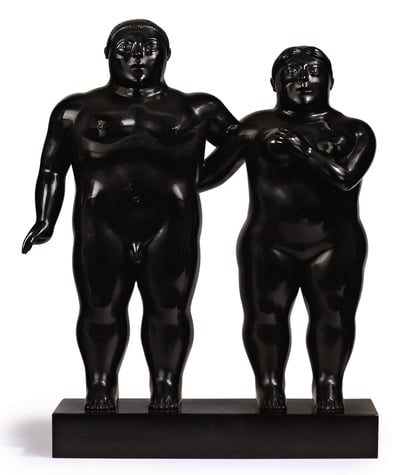
Fernando Botero
Man and Woman, .
Sculpture / Object
Bronze
Currently Not Available
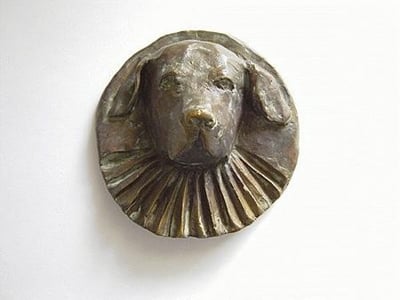
Paloma Varga-Weisz
Spike, 2007
Sculpture / Object
Bronze
Currently Not Available
Related Articles

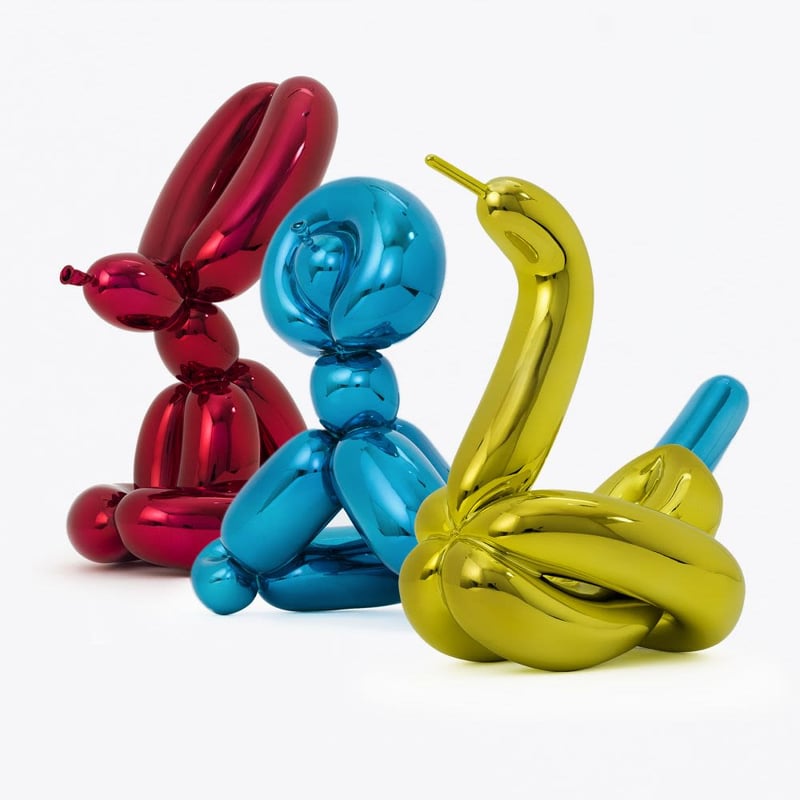

New Generation Sculpture was a movement started in the 1960s by a group of British artists. They experimented with unconventional forms, materials, and colors, creating sculptures that did not rely on traditional bases. Their work often featured plastic sheeting, fiberglass, and other industrial materials, which were fastened together and brightly painted.
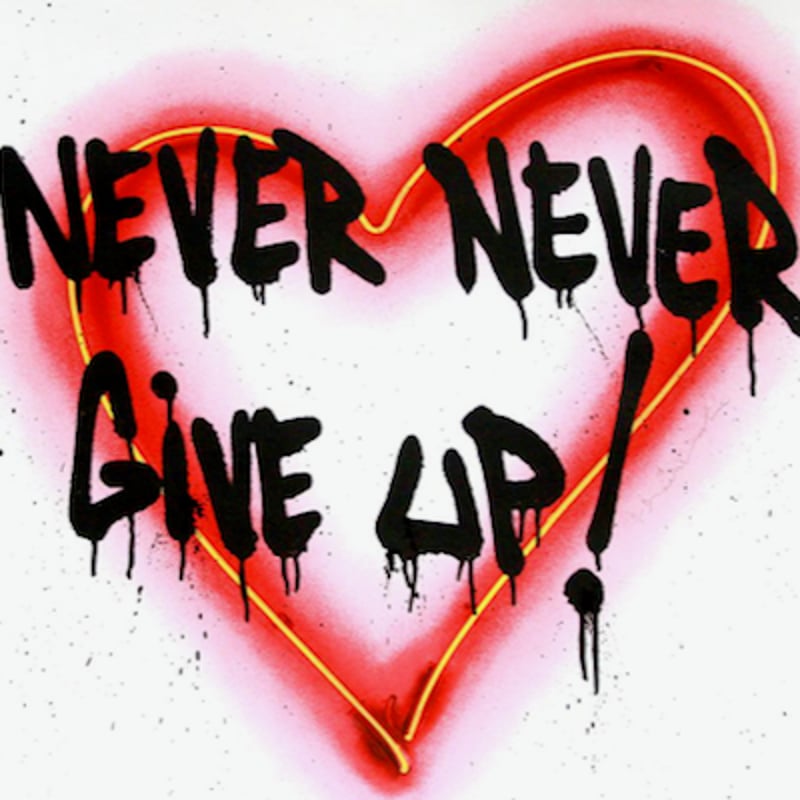
Graffiti art refers to drawings and writings that are painted, scratched, or scribbled on walls or other surfaces, typically in public spaces. This art form ranges from small tags to elaborate wall paintings. Graffiti has been in existence since ancient times, with examples dating back to the Roman Empire, Ancient Greece, and Ancient Egypt.

Art Informel is a French term referring to the gestural and improvisational techniques common in abstract painting during the 1940s and 50s. It encompasses various styles that dominated these decades, characterized by informal, spontaneous methods. Artists used this term to describe approaches that moved away from traditional structures and embraced more expressive, unstructured techniques.
Can't find your Answer?
Thank you! Your question has been sent — we'll get back to you shortly.
