
What is avant-garde?
- Show All
- Established
- Discoveries
- Show All
Artworks Related to Avant-garde

Hermann Nitsch
96 Aktion – Giardini San Martino, Napoli, C, 1996
Photography
Photograph
EUR 1,830

Hermann Nitsch
96 Aktion – Giardini San Martino, Napoli, A, 1996
Photography
Photograph
EUR 1,830
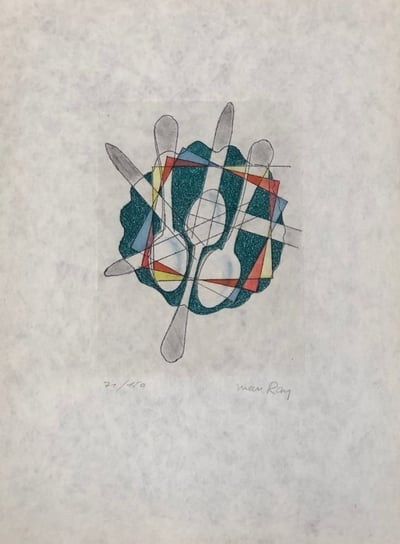
Man Ray
Seria Electro Magie II, 1969
Limited Edition Print
Etching and Aquatint
EUR 1,350
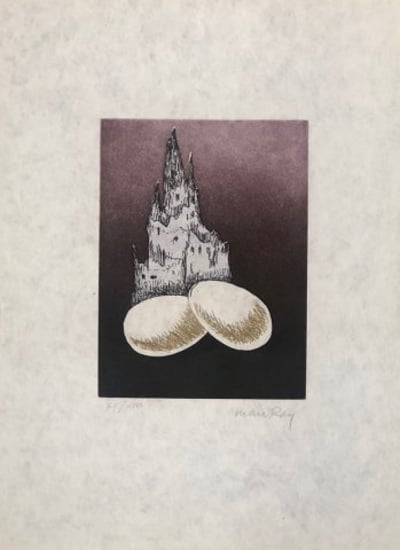
Man Ray
Seria Electro Magie I, 1969
Limited Edition Print
Etching and Aquatint
EUR 1,350
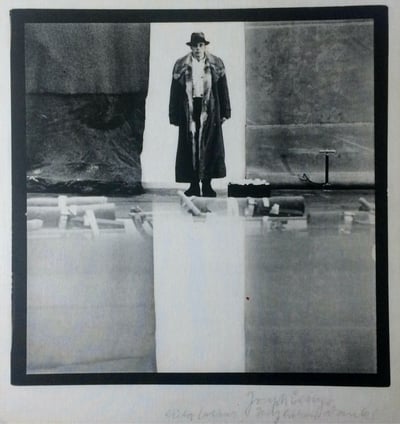
Joseph Beuys
Beuys for Lothar, 1973
Photography
Photograph
EUR 5,500
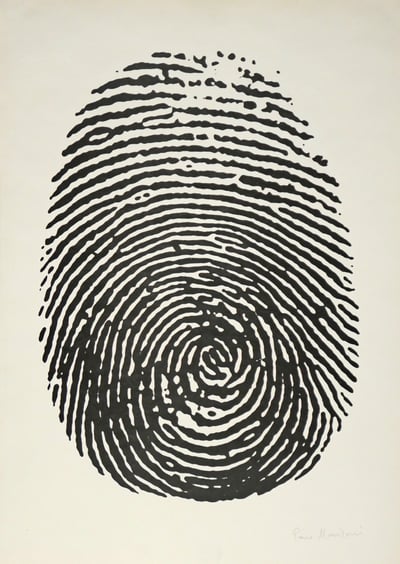
Piero Manzoni
Impronta del pollice sinistro, 1960
Limited Edition Print
Lithograph
Currently Not Available
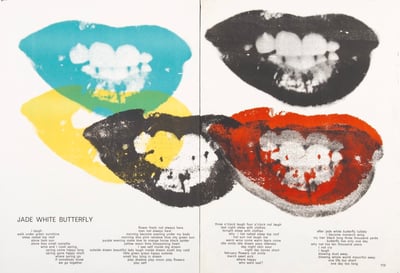
Andy Warhol
Marilyn Monroe Lips (One Cent Life) FS. 11.5, 1964
Limited Edition Print
Lithograph
USD 1,550
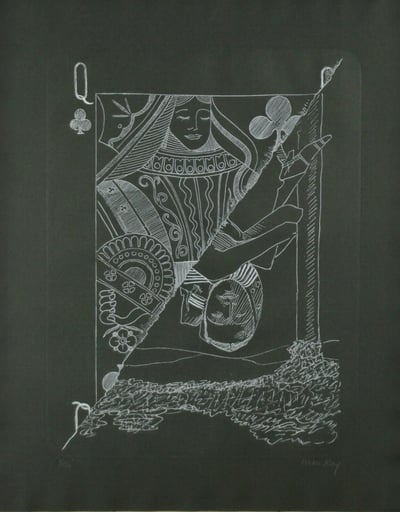
Man Ray
Queen of Spades, 1970
Limited Edition Print
Etching
USD 1,450
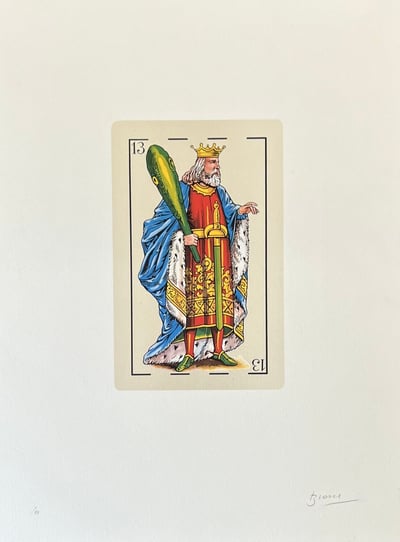
Joan Brossa
Poema visual 32, 1989
Limited Edition Print
Lithograph
EUR 1,000

Joan Brossa
Miami beach, 1989
Limited Edition Print
Lithograph
EUR 1,000

Joan Brossa
Rails, 1989
Limited Edition Print
Lithograph
EUR 1,000
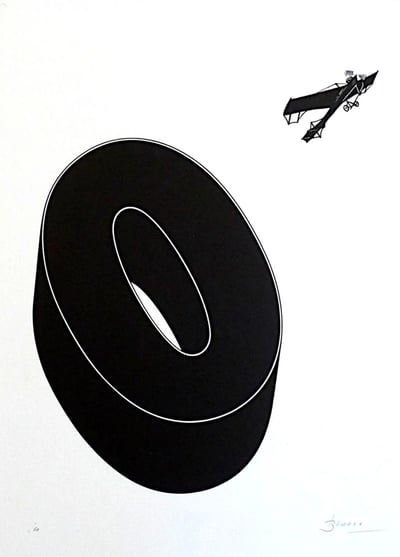
Joan Brossa
Poema visual 20, 1989
Limited Edition Print
Lithograph
EUR 1,000

Joan Brossa
Poema visual 19, 1989
Limited Edition Print
Lithograph
EUR 1,000

Joan Brossa
Signes 12, 1989
Limited Edition Print
Lithograph
EUR 1,000

Joan Brossa
Signes 11, 1989
Limited Edition Print
Lithograph
EUR 1,000

Joan Brossa
Poema visual 6, 1989
Limited Edition Print
Lithograph
EUR 1,000
Related Articles

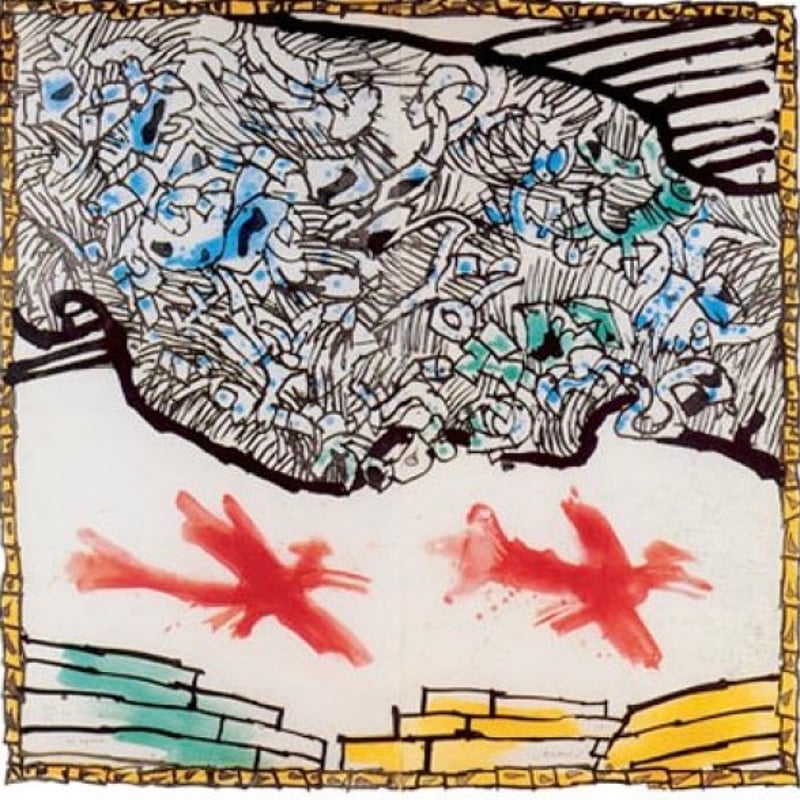
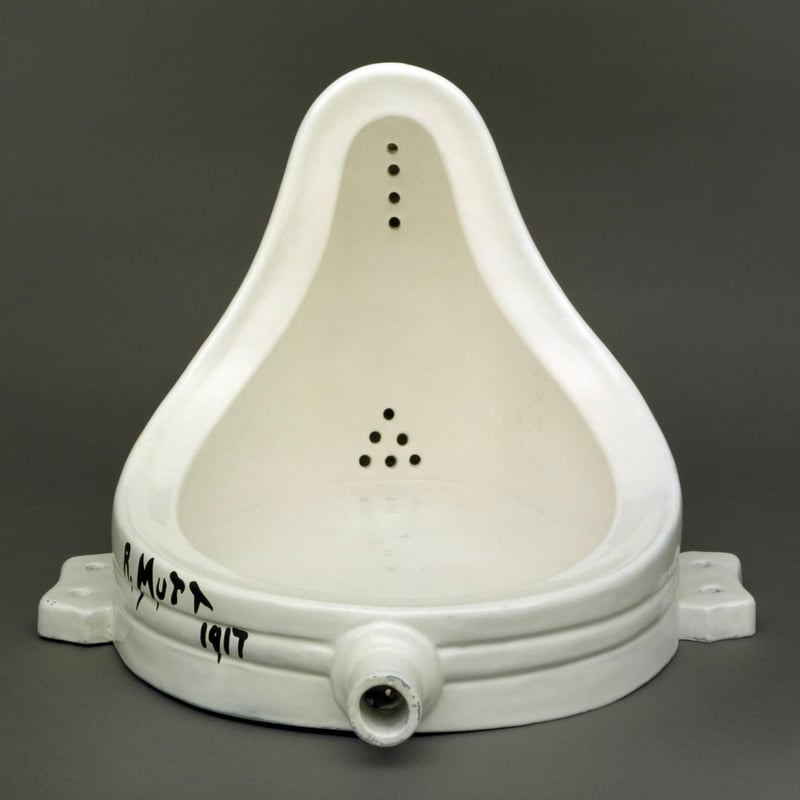

Sand consists of loose grains of material primarily made up of minerals like quartz, mica, and feldspar, as well as small fragments of rocks. Sand paintings are created by pouring colored sand into intricate designs, often for cultural rituals or special celebrations. These designs can take many days to complete and are traditionally brushed away after the ceremony, emphasizing the impermanence of the artwork.

A marker is a drawing tool filled with colorful inks that dry quickly. Markers come in various sizes and use different colorants, such as ink, dye, or paint. They are available with different tip styles and produce smooth marks with sharp edges, making them ideal for a wide range of artistic and design applications.
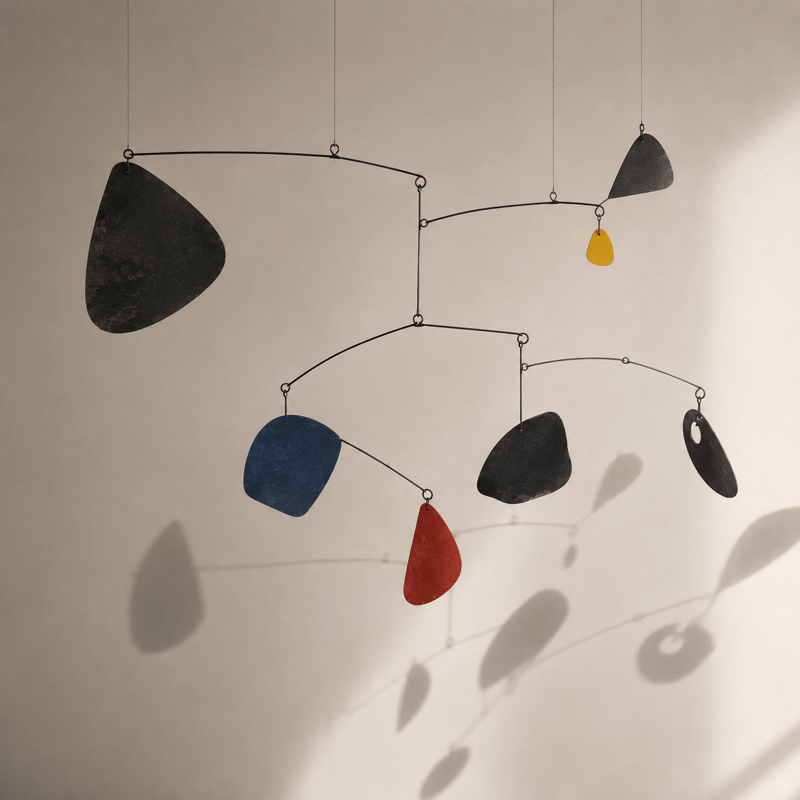
A mobile is a type of kinetic sculpture consisting of an ensemble of balanced parts that hang freely and move independently or as a whole when influenced by air currents or touch. Typically made of wire and colorful metal shapes, mobiles are designed to create dynamic visual effects through their motion.
Can't find your Answer?
Thank you! Your question has been sent — we'll get back to you shortly.
