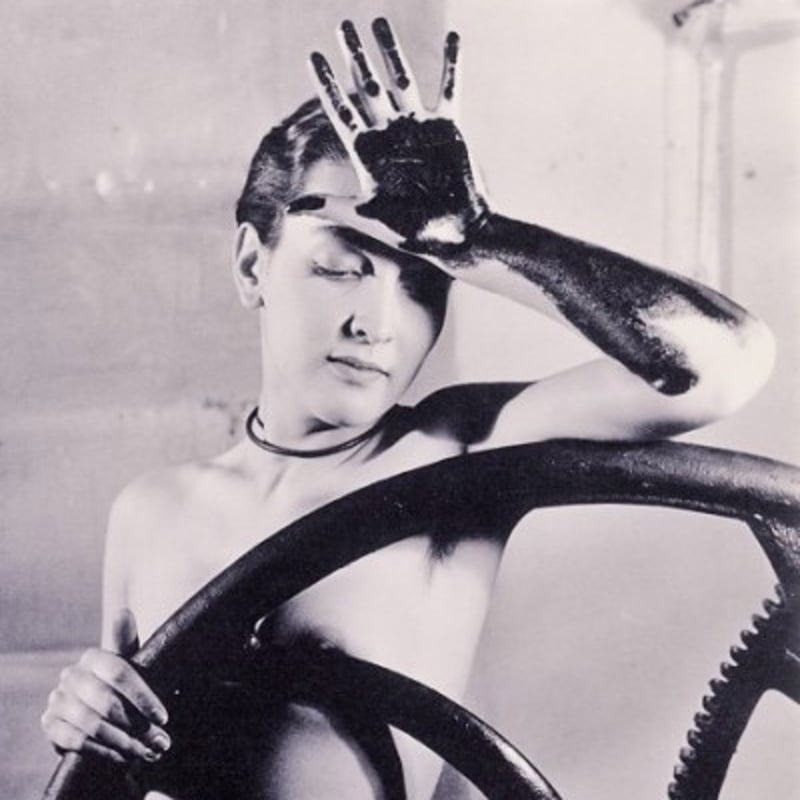
What is avant-garde?
- Show All
- Established
- Discoveries
- Show All
Artworks Related to Avant-garde

Marina Abramovic
Portrait with Falcon, 2010
Photography
Pigment print
Currently Not Available
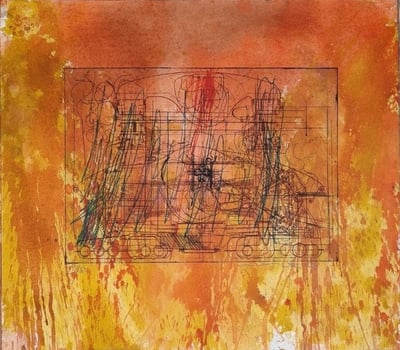
Hermann Nitsch
Untitled (Fiery Resonance), 2006
Limited Edition Print
Lithograph
EUR 3,440
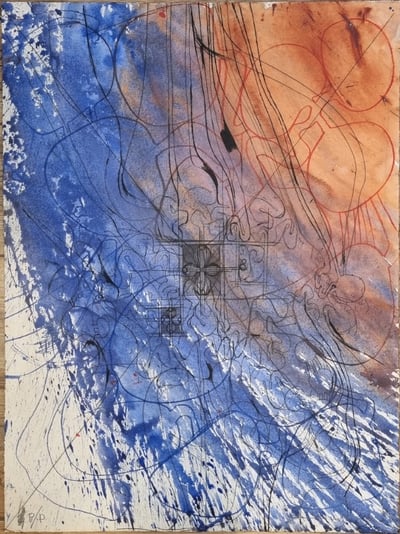
Hermann Nitsch
Untitled (Dual Forces), 2006
Limited Edition Print
Lithograph
EUR 3,900
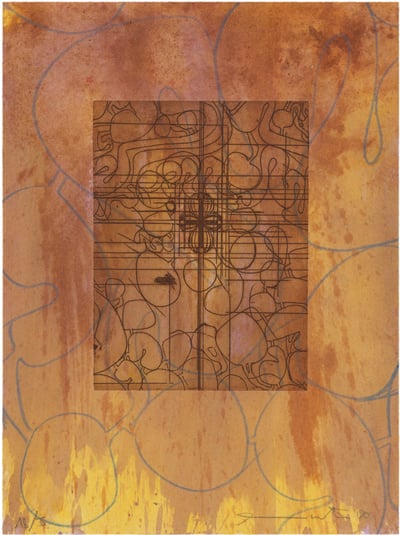
Hermann Nitsch
Untitled (Organic Maze), 2006
Limited Edition Print
Mixed Media
EUR 3,200

Man Ray
La Ballade des dames hors du temps, Natasha, 1971
Limited Edition Print
Etching and Aquatint
EUR 3,125

Man Ray
Cactus, 1969
Limited Edition Print
Aquatint
EUR 3,125

Man Ray
Untitled (from Transfiguration d' un Cactus), 1971
Limited Edition Print
Aquatint
EUR 3,125
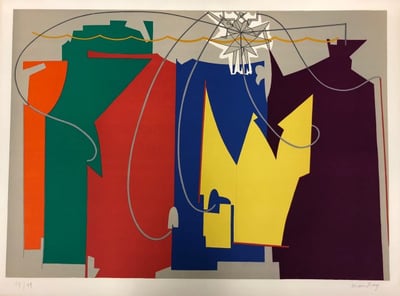
Man Ray
Danza Di Corda, 1972
Limited Edition Print
Lithograph
EUR 3,750
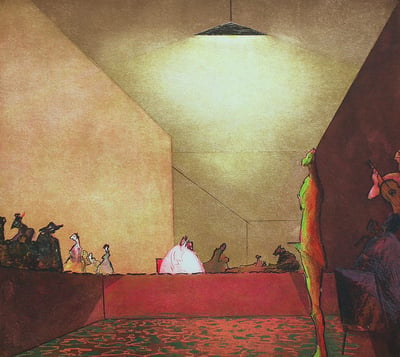
Constant Nieuwenhuys
L'ultima cena, 1980
Limited Edition Print
Etching and Aquatint
EUR 2,990

Man Ray
Cadeau, 1921
Sculpture / Object
Mixed Media
USD 1,950
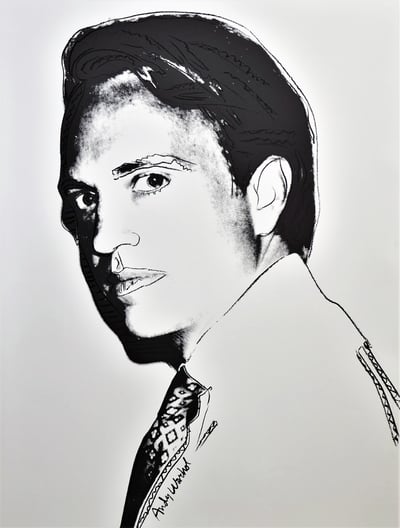
Andy Warhol
Carter Burden, 1977
Limited Edition Print
Silkscreen
EUR 29,000
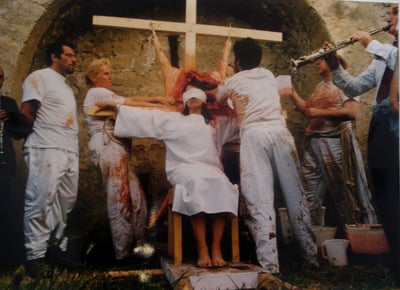
Hermann Nitsch
96 Aktion – Giardini San Martino, Napoli, T, 1996
Photography
Photograph
EUR 1,830
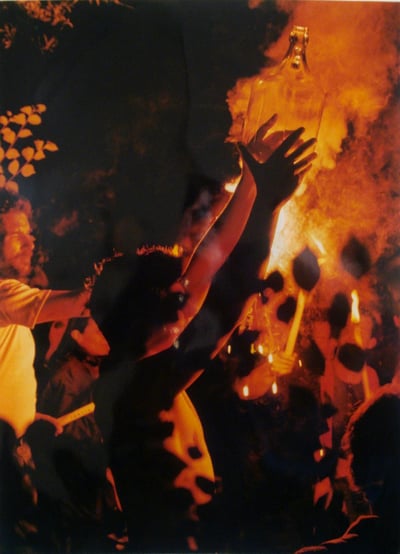
Hermann Nitsch
96 Aktion – Giardini San Martino, Napoli, R, 1996
Photography
Photograph
EUR 1,830
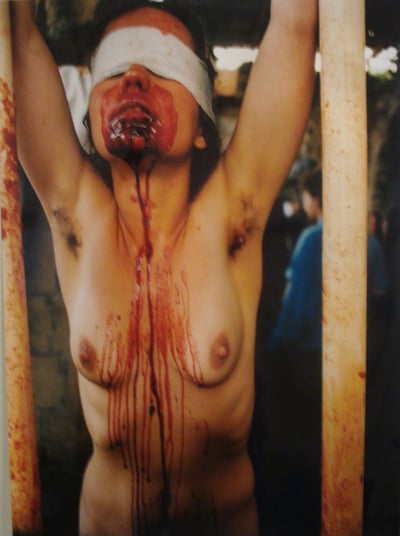
Hermann Nitsch
96 Aktion – Giardini San Martino, Napoli, P, 1996
Photography
Photograph
EUR 1,830
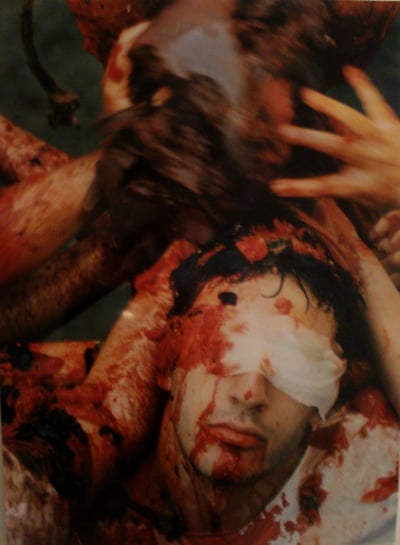
Hermann Nitsch
96 Aktion – Giardini San Martino, Napoli, M, 1996
Photography
Photograph
EUR 1,830
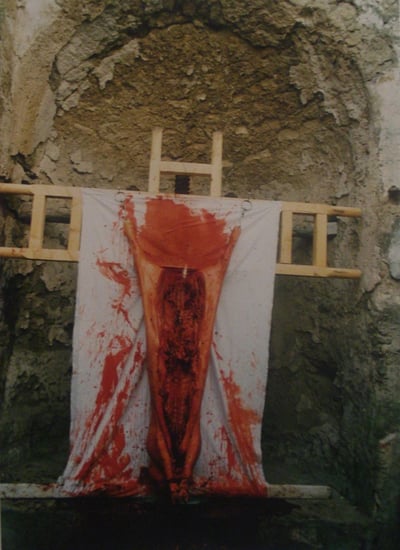
Hermann Nitsch
96 Aktion – Giardini San Martino, Napoli, I, 1996
Photography
Photograph
EUR 1,830
Related Articles

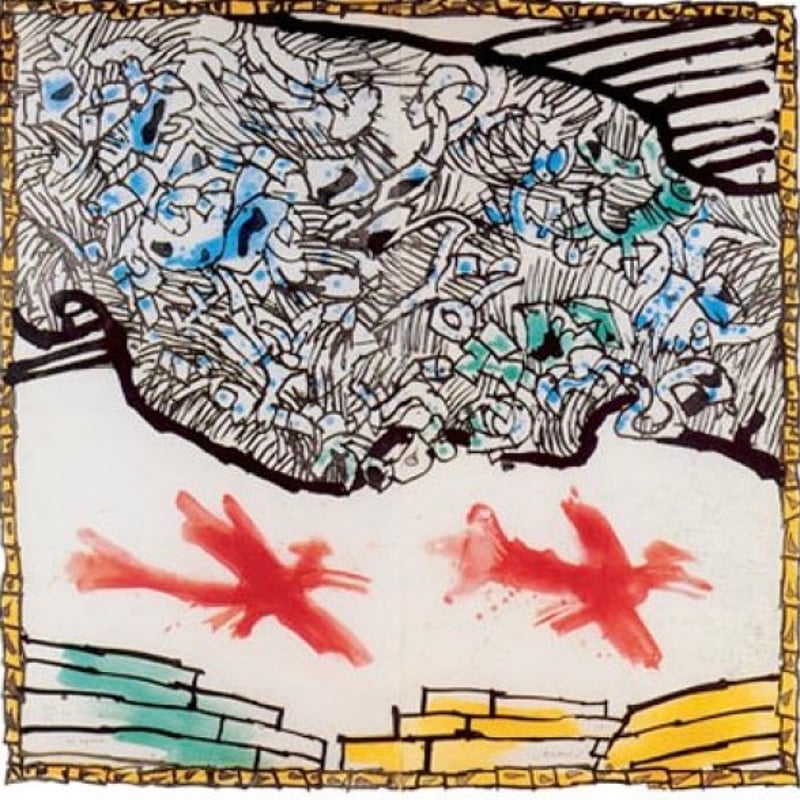
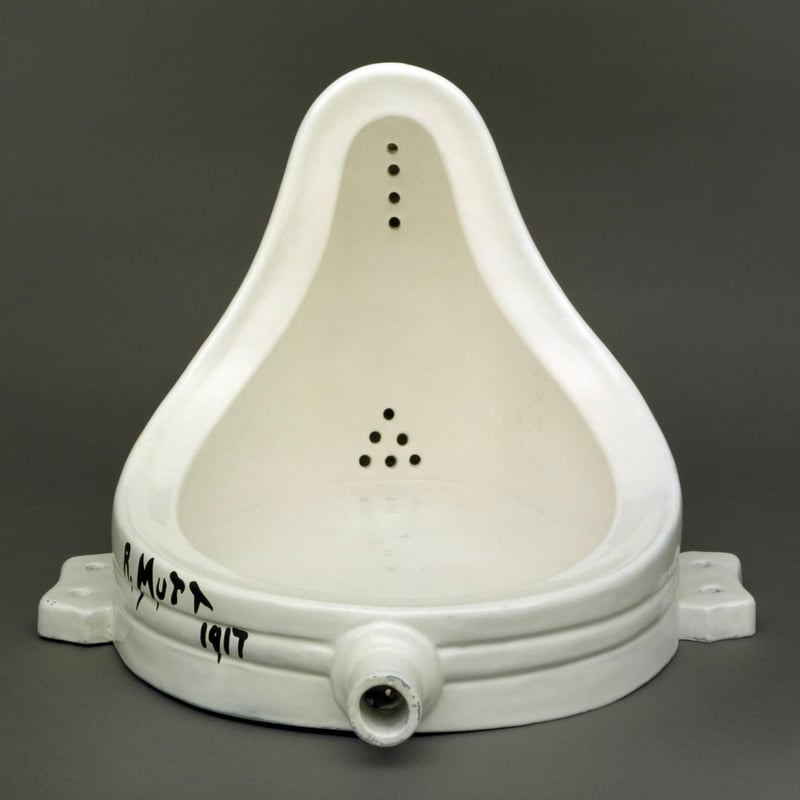

The Bay Area Figurative Movement, which also goes by the names Bay Area Figurative School, Bay Area Figurative Art, or Bay Area Figuration, came to existence in San-Francisco Bay Area. This was in the mid-20th century, when a group of artists from the area stopped working on the then popular Abstract Expressionism for a preference to figuration in painting. The movement lasted a total of two decades during the 1950's and 1960's.
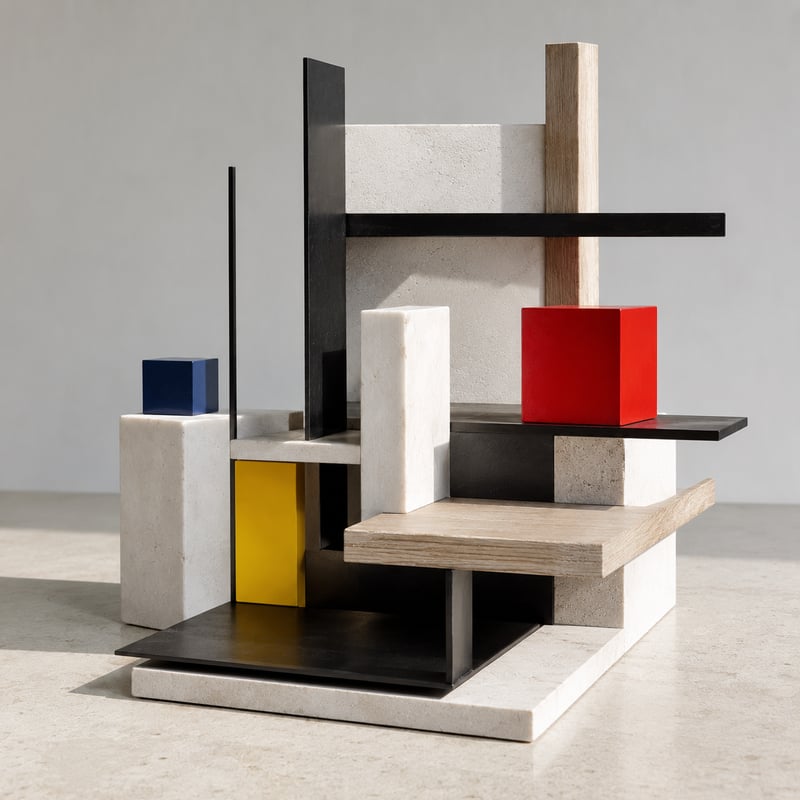
De Stijl, meaning The Style, was a group of Dutch artists who created abstract art based on strict adherence to vertical and horizontal geometry. The group was founded by Piet Mondrian and Theo van Doesburg in 1917. Mondrian eventually left De Stijl when Van Doesburg began incorporating diagonal geometry into his work, which Mondrian felt deviated from the group's principles.
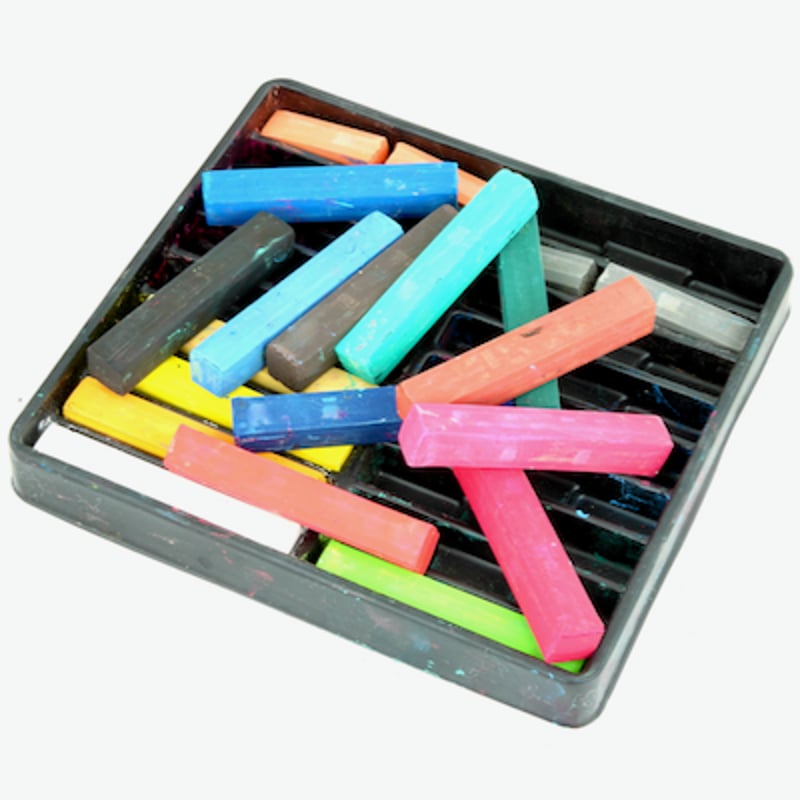
Conté is a vivid, waxy crayon invented by Nicolas-Jacques Conté in 1795. Artists use Conté crayons for detailed drawing, shading large areas, and blending colors. The tips can be sharpened with sanding pads for precision, or the sides can be dragged flat for broad shading.
Can't find your Answer?
Thank you! Your question has been sent — we'll get back to you shortly.
