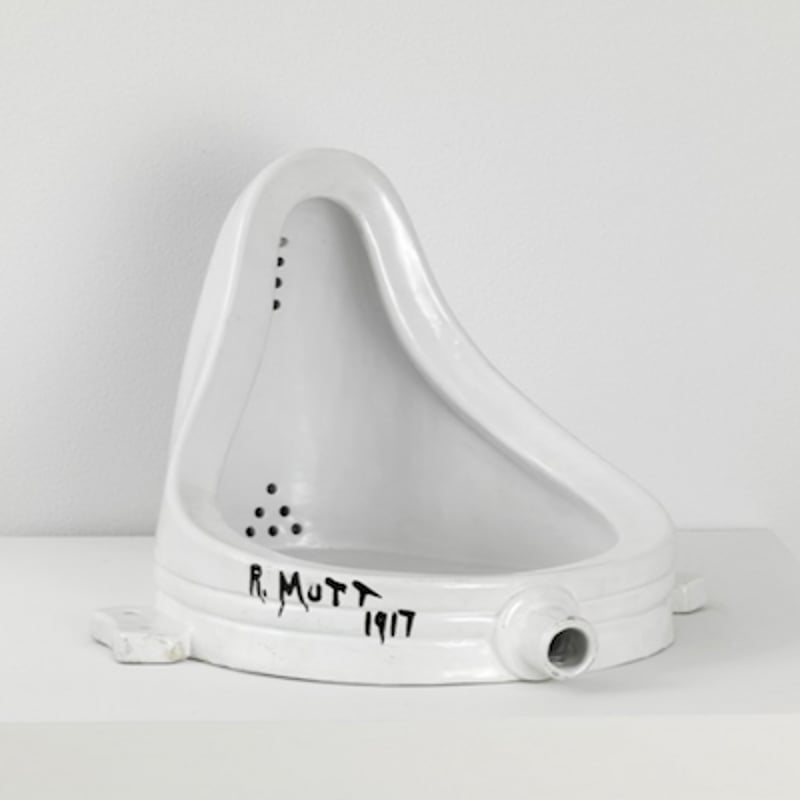
What is anti-art?
Artworks Related to Anti-art

Man Ray
Cactus, 1969
Limited Edition Print
Aquatint
EUR 3,125

Man Ray
Untitled (from Transfiguration d' un Cactus), 1971
Limited Edition Print
Aquatint
EUR 3,125
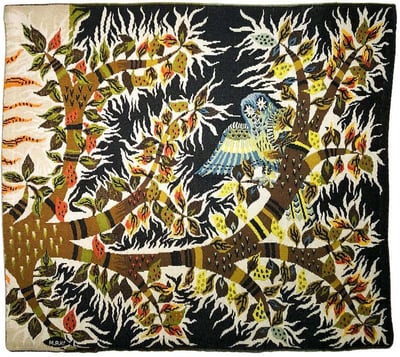
Man Ray
Nocturnal, c.1960
Tapestry
Tapestry
Currently Not Available
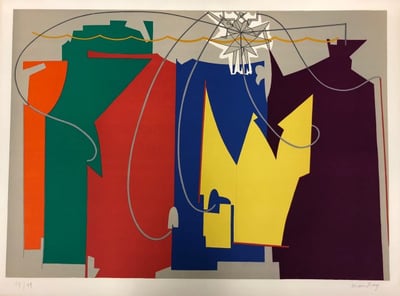
Man Ray
Danza Di Corda, 1972
Limited Edition Print
Lithograph
EUR 3,750
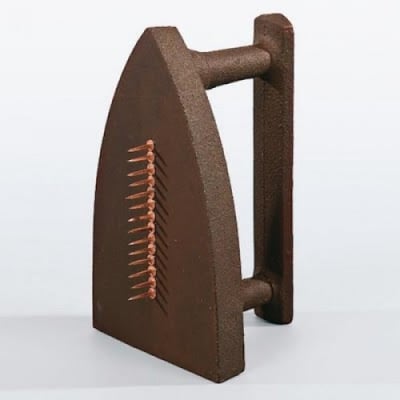
Man Ray
Cadeau, 1921
Sculpture / Object
Mixed Media
USD 1,950
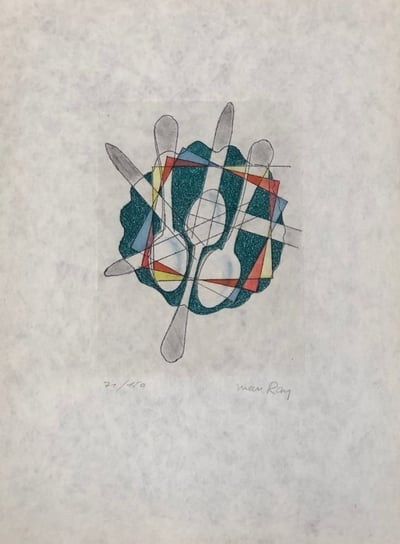
Man Ray
Seria Electro Magie II, 1969
Limited Edition Print
Etching and Aquatint
EUR 1,350
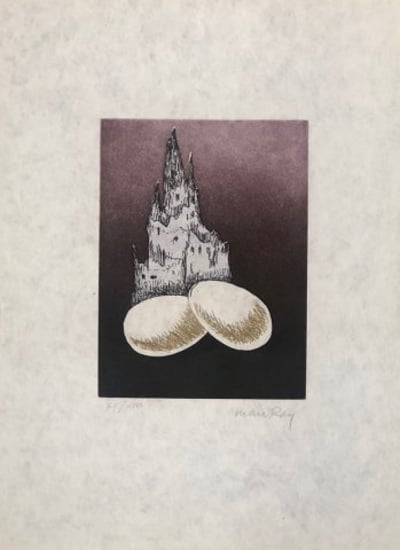
Man Ray
Seria Electro Magie I, 1969
Limited Edition Print
Etching and Aquatint
EUR 1,350
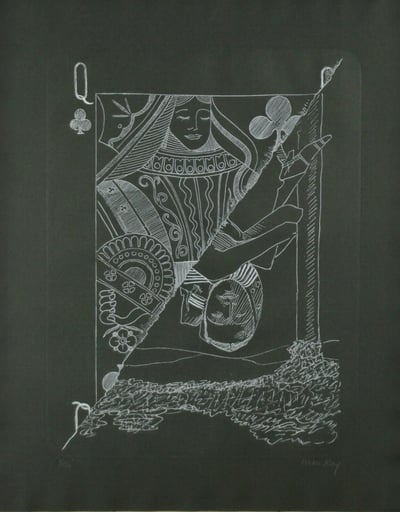
Man Ray
Queen of Spades, 1970
Limited Edition Print
Etching
USD 1,450
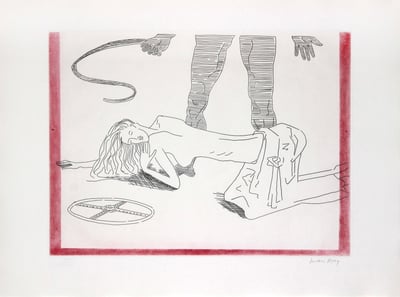
Man Ray
Donna, 1970
Limited Edition Print
Etching
EUR 2,750
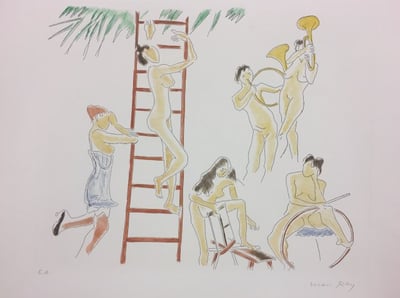
Man Ray
Le Concert, 1970
Limited Edition Print
Etching
EUR 2,750
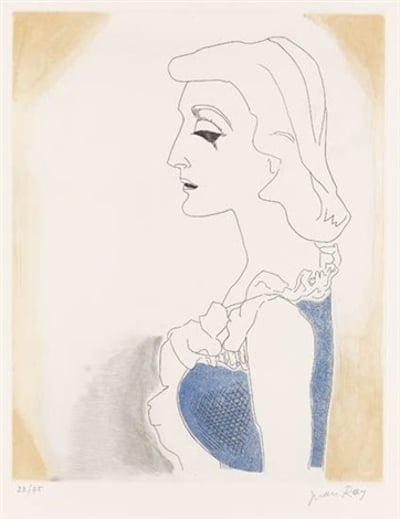
Man Ray
La ballade des dames hors du temps, 1970
Limited Edition Print
Etching and Aquatint
EUR 2,750
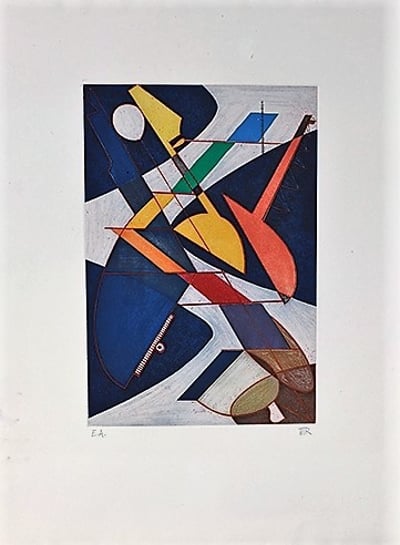
Man Ray
Symphony ou Orchestra, 1970
Limited Edition Print
Etching and Aquatint
EUR 4,375
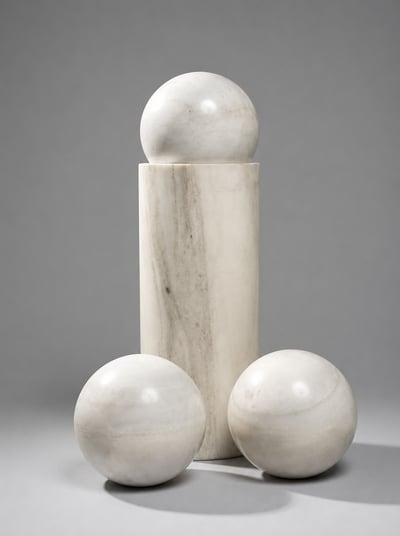
Man Ray
Pynape, 1975
Sculpture / Object
Marble
Currently Not Available
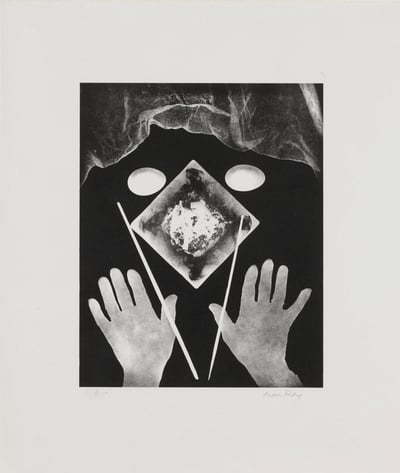
Man Ray
Untitled - (MR66-1194), 1966
Limited Edition Print
Lithograph
USD 19,500

Man Ray
Noire et Blanche, 1933/85
Limited Edition Print
Mixed Media
Currently Not Available

Man Ray
Erotique Voilée, 1933/85
Photography
Photograph
Currently Not Available
Related Articles

A plate is a broad, primarily flat vessel used for serving food, but it can also serve ceremonial or decorative purposes. Plates are typically circular, though they can be any shape and made from various water-resistant materials. Most plates have raised edges, either by curving upward or featuring a wider lip. Vessels without a raised edge or with a more rounded profile are often considered bowls or dishes, while very large, plate-shaped vessels might also be classified as dishes.
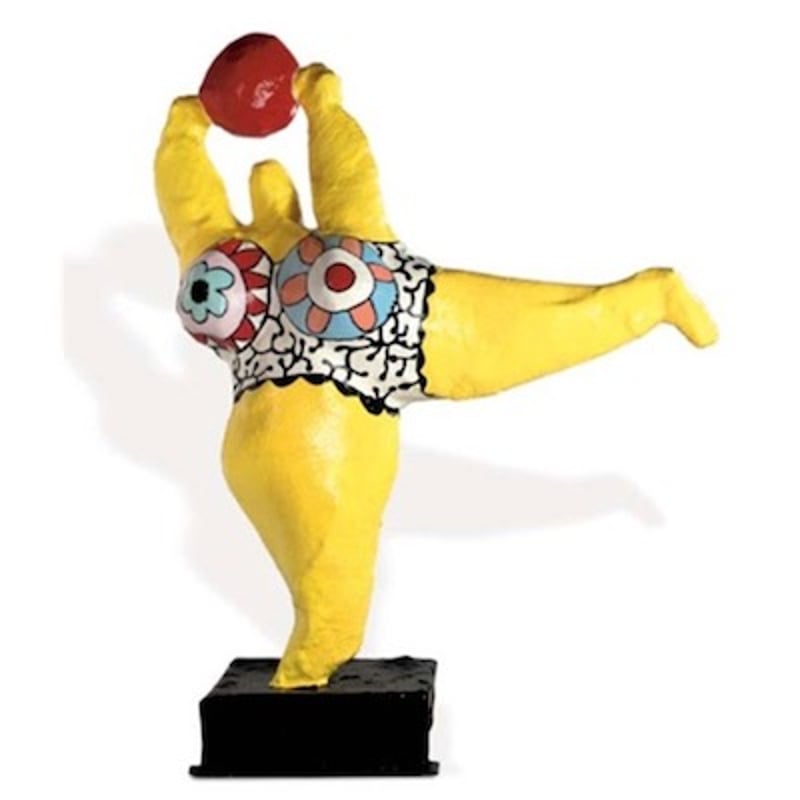
Papier-mâché is a composite material made from pieces of paper or pulp, reinforced with textiles and bound with adhesives like starch, wallpaper paste, or glue. There are two main methods to create papier-mâché: one involves layering strips of paper soaked in adhesive, while the other uses a pulp made by boiling or soaking paper and then adding glue. Though each method has a different process, both yield similar results.
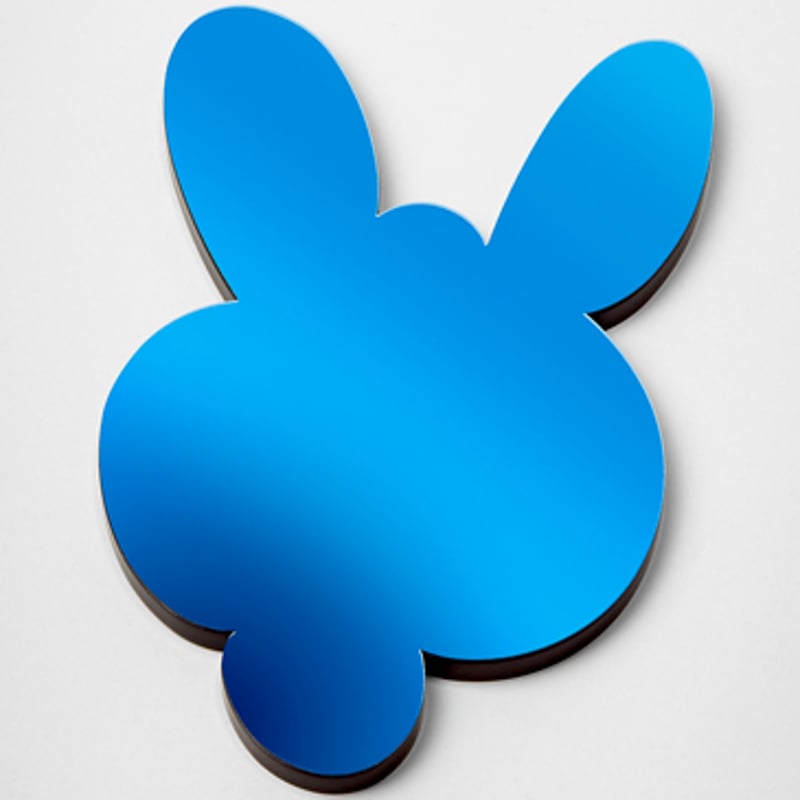
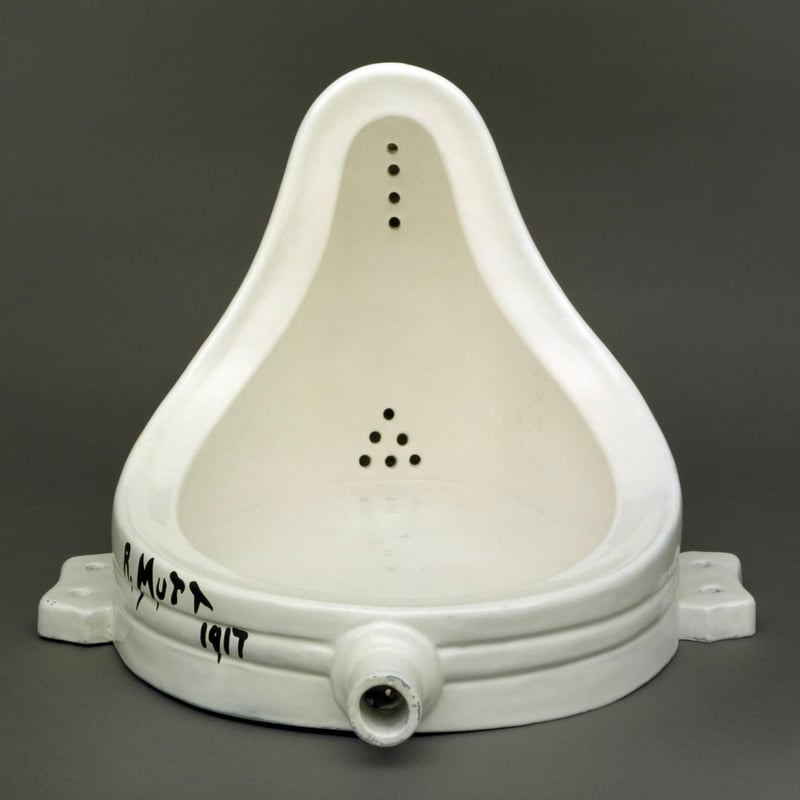
An object in art refers to any tangible thing that exists and can be depicted in a work of art. Sometimes, the object becomes the focal point of a painting, drawing, or sculpture, meaning it is the most important element in the composition. An object can be anything that can be seen or touched, and it is often used to convey meaning or emphasize certain aspects of the artwork.
Can't find your Answer?
Thank you! Your question has been sent — we'll get back to you shortly.
