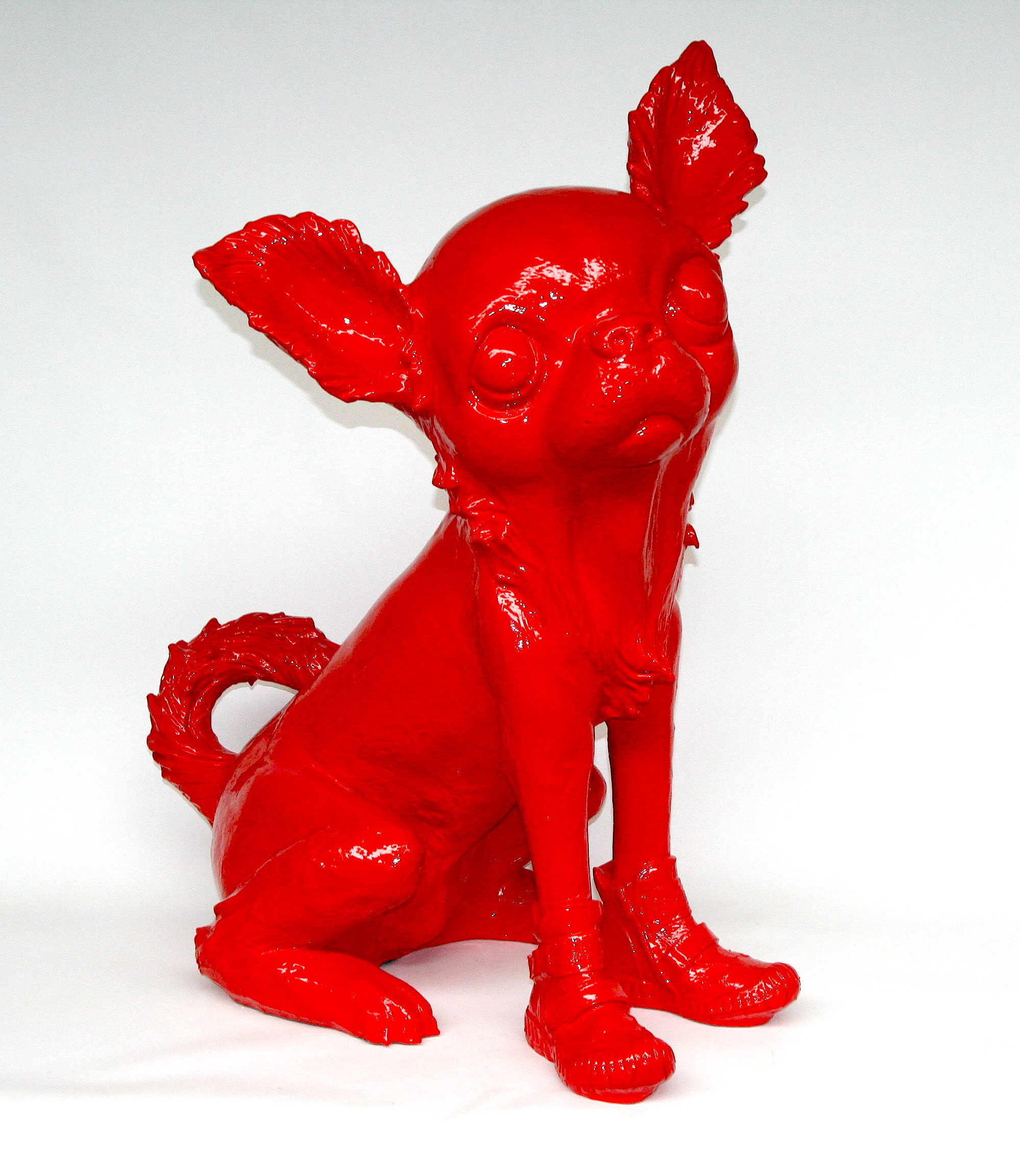
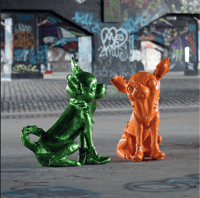
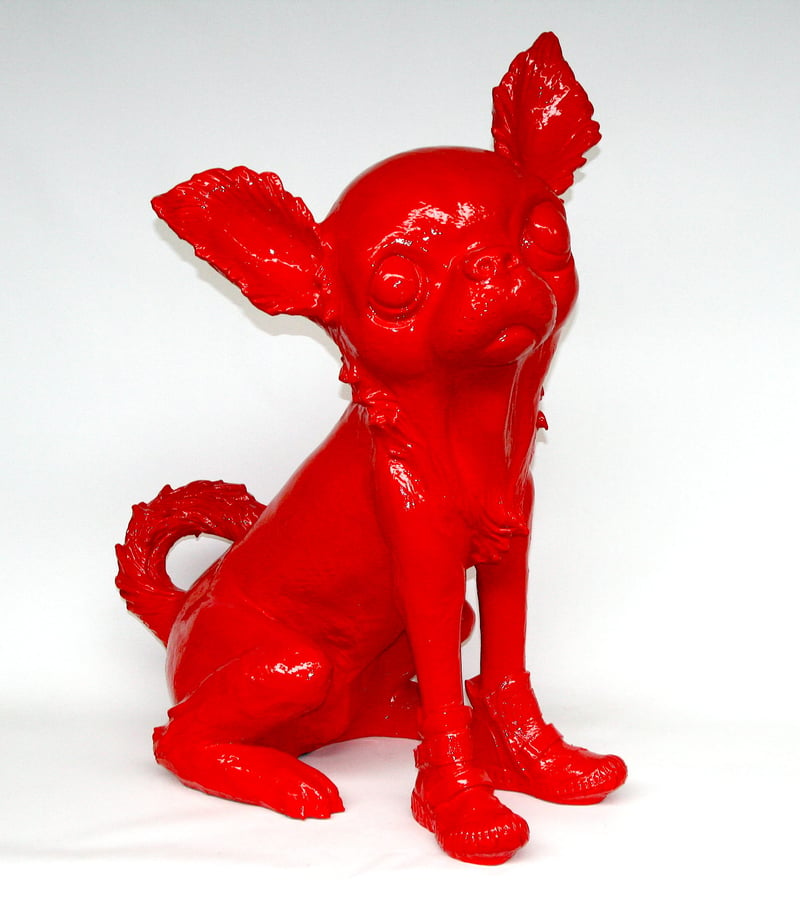
Cloned Chihuahua with shoes, 2008
Form
Medium
Size
- Inches
- Centimeters
Edition
Price
- USD
- EUR
- GBP
- CHF
- Authenticity Guaranteed
- Insured Shipping
- Online Since 2005
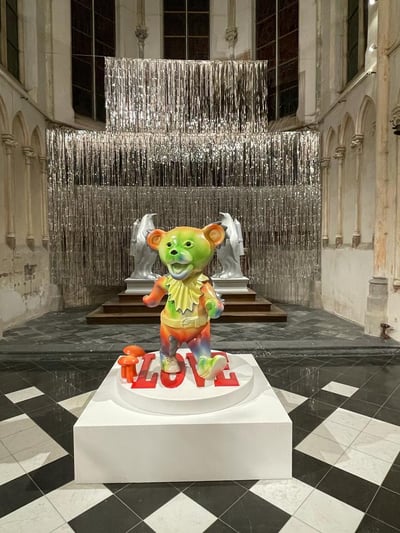
William Sweetlove
Gratful Dead Dancing Bear, 2023
Sculpture / Object
Resin
USD 25,000

William Sweetlove
Water Warrior Red, 2022
Sculpture / Object
Plastic
USD 320

William Sweetlove
Water Warrior Silver, 2022
Sculpture / Object
Plastic
USD 320
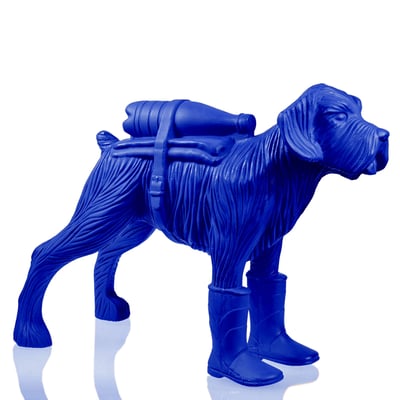
William Sweetlove
Cloned Schnauzer with water bottle, 2019
Sculpture / Object
Plastic
EUR 600

William Sweetlove
Cuban Cloned Penguin, 2020
Sculpture / Object
Plastic
EUR 500
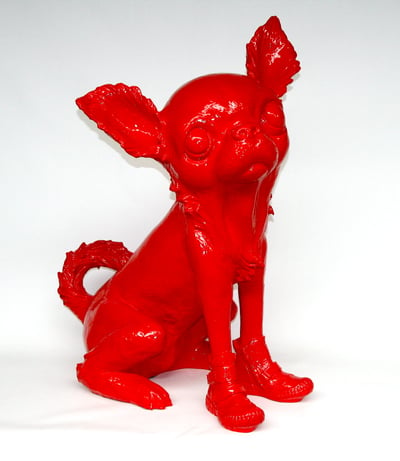
William Sweetlove
Cloned Chihuahua with shoes, 2008
Sculpture / Object
Object
EUR 1,750
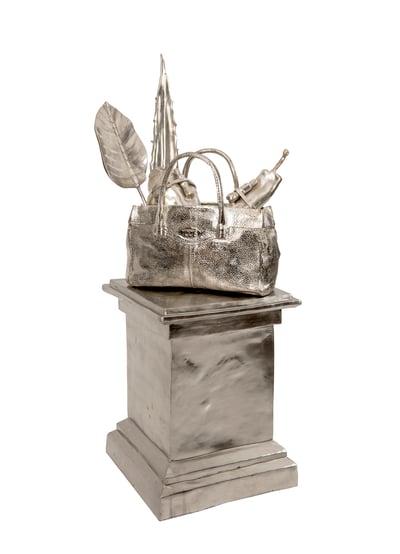
William Sweetlove
Sunday Handbag, 2016
Sculpture / Object
Bronze
EUR 9,900
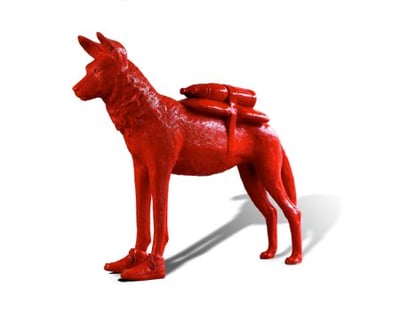
William Sweetlove
African dog with shoes and water bottles, 2011
Sculpture / Object
Resin
EUR 6,000 – 8,000
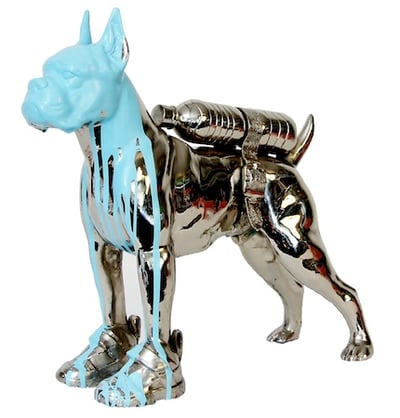
William Sweetlove
Cloned bronze bulldog with bottle water, 2011
Sculpture / Object
Bronze
EUR 6,000
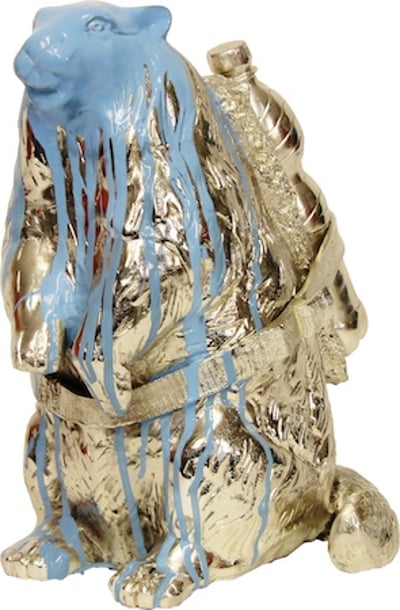
William Sweetlove
Cloned bronze marmot with bottle, 2011
Sculpture / Object
Bronze
EUR 5,000
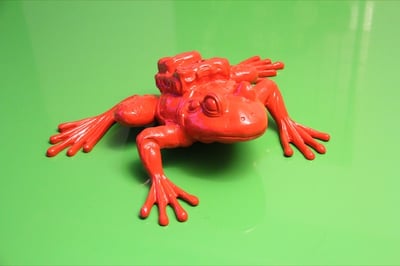
William Sweetlove
Cloned RED Aluminum FROG with backpack, 2011
Sculpture / Object
Metal
EUR 1,400
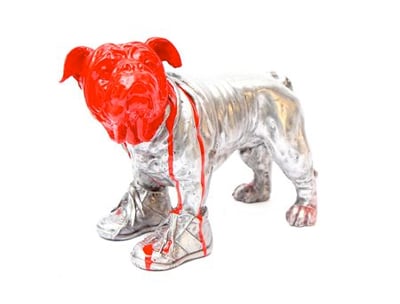
William Sweetlove
Cloned aluminum Bouly with red head, 2009
Sculpture / Object
Metal
EUR 4,000
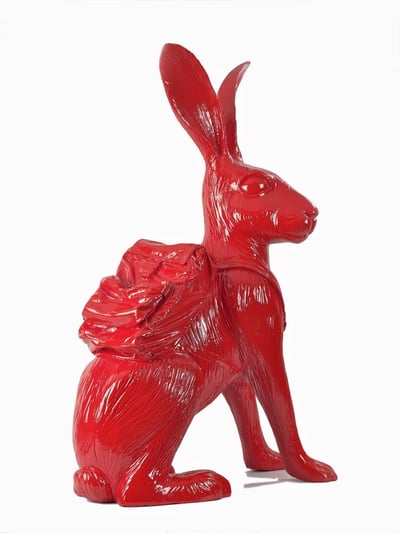
William Sweetlove
Cloned Hare with backpack, 2009
Sculpture / Object
Resin
EUR 10,000
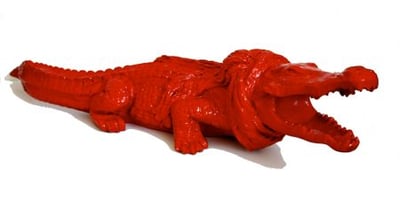
William Sweetlove
Cloned Krocky with scarf, 2009
Sculpture / Object
Resin
EUR 3,000
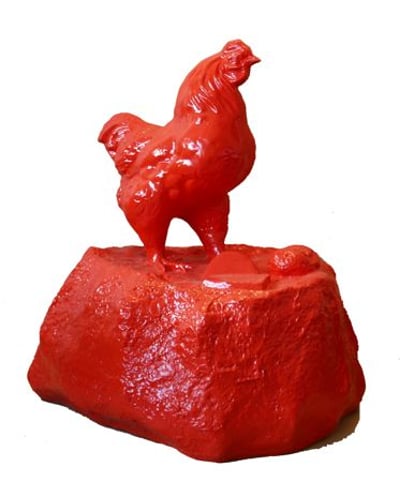
William Sweetlove
Cloned red chicken on a rock, 2005
Sculpture / Object
Resin
EUR 2,500
William Sweetlove
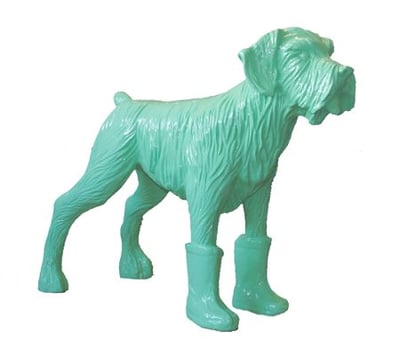
Cloned pistachio dog with plastic boots, 2008
Sculpture / Object
Resin
EUR 2,500
William Sweetlove
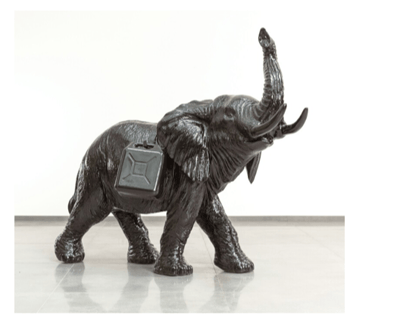
Cloned black elephant with watercans, 2010-11
Sculpture / Object
Mixed Media
Currently Not Available
William Sweetlove
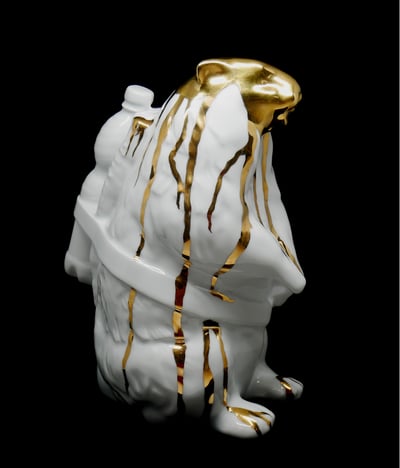
Cloned Marmot with Gold , 2018
Sculpture / Object
Porcelain
Currently Not Available
Related Artists
Related Articles

Popular, Art Movements - November 25, 2025
Trash to Treasure: Eco-Art and the Beauty of Recycled Materials
Discover how artists turn trash into treasure—transforming e-waste, scrap, and textiles into powerful, sustainable eco-art with global impact.Read More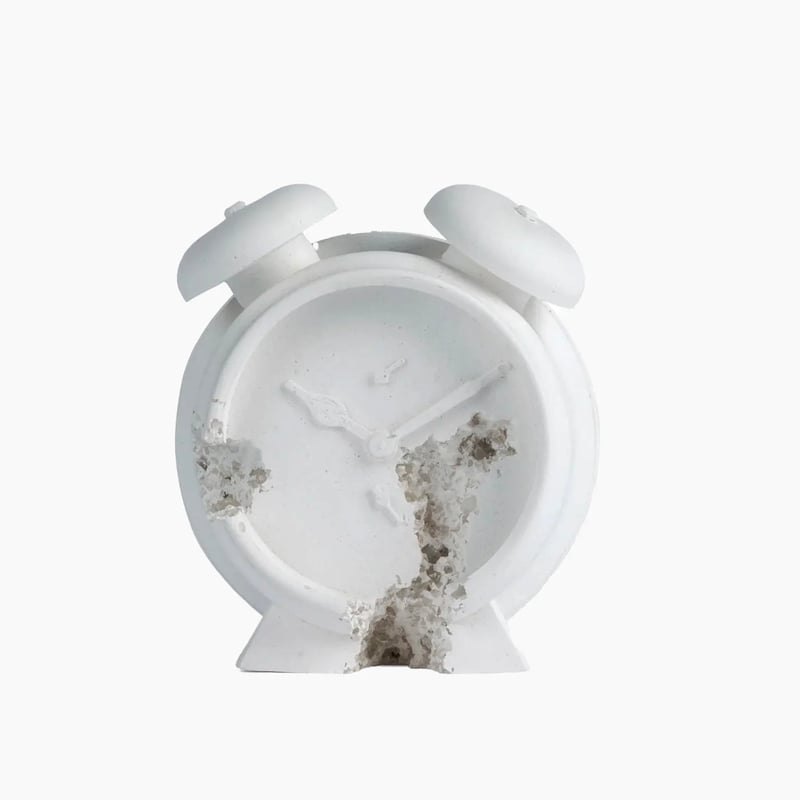
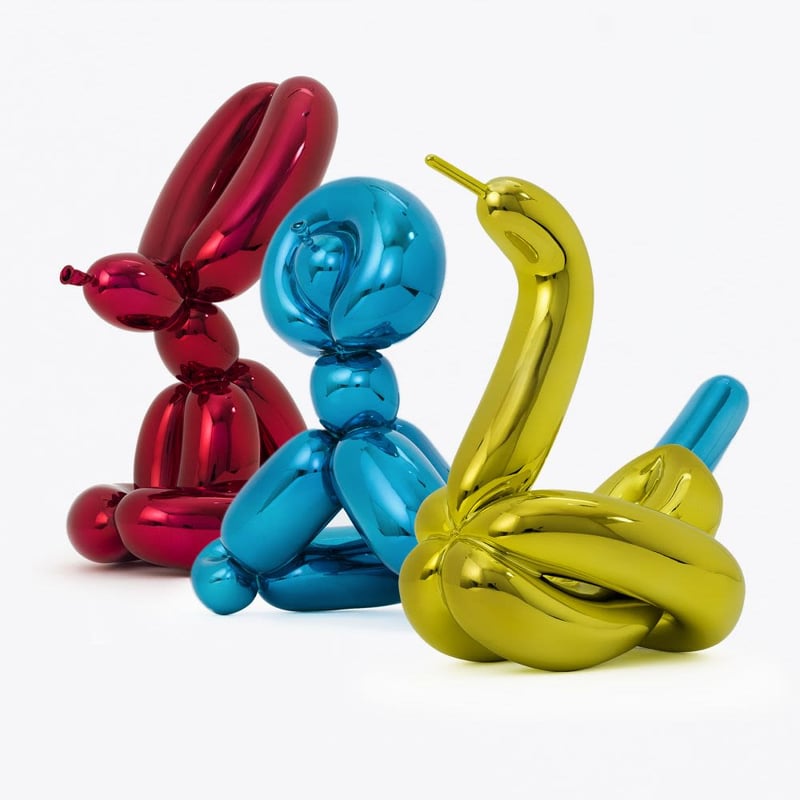
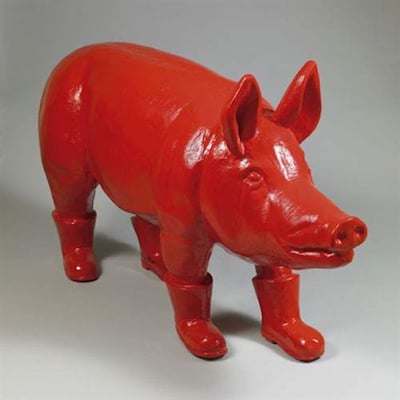
What is Kitsch?
Kitsch is a term used to describe cheap, commercial, sentimental, or vulgar art and objects commonly associated with popular culture. The word is borrowed from German, where it originally means trash. Since the 1920s, kitsch has been used to denote the opposite of high art, often implying that the work lacks sophistication or artistic merit.