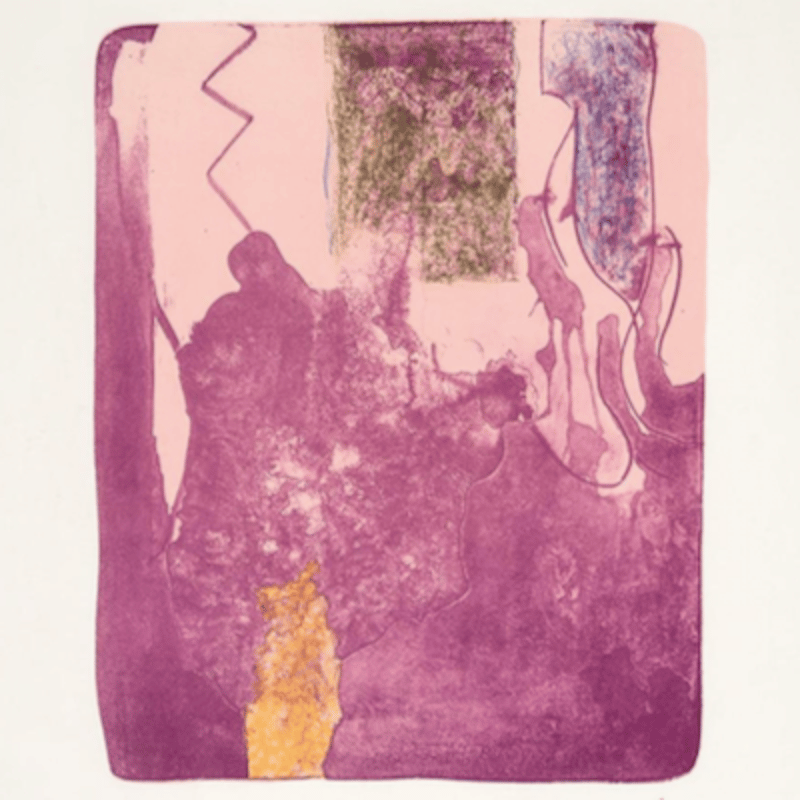
What is abstract expressionism?
- Show All
- Established
- Discoveries
- Show All
Artworks Related to Abstract expressionism

Roberto Matta
Feu, Feu Sur Moi, 1978
Limited Edition Print
Etching
EUR 1,875
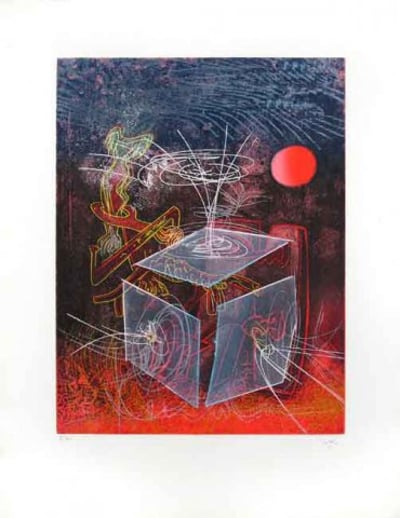
Roberto Matta
L'âme Est Une Inconnue, 1978
Limited Edition Print
Etching
EUR 1,875

Roberto Matta
Nous Ne Sommes Pas Au Monde, 1978
Limited Edition Print
Etching
EUR 1,875

Helena Vieira da Silva
Grottes, 1971
Limited Edition Print
Lithograph
Currently Not Available
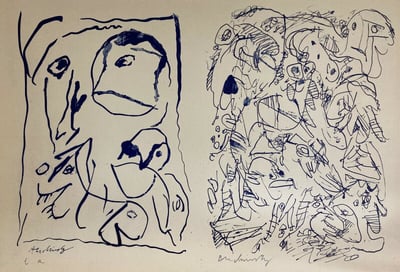
Pierre Alechinsky
Sans titre, Unknown
Limited Edition Print
Lithograph
Currently Not Available
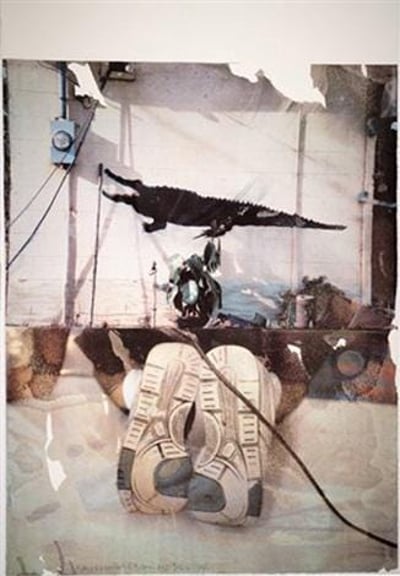
Robert Rauschenberg
Tribute 21 (Environment), 1994
Limited Edition Print
Lithograph
Inquire For Price
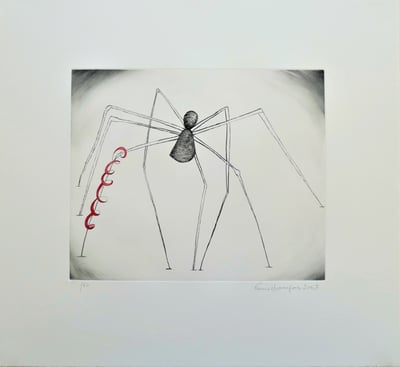
Louise Bourgeois
Untitled (Spider and Snake), 2003
Limited Edition Print
Mixed Media
EUR 23,600

Donald Sultan
Untitled IX, 2008
Limited Edition Print
Screen-print
Inquire For Price
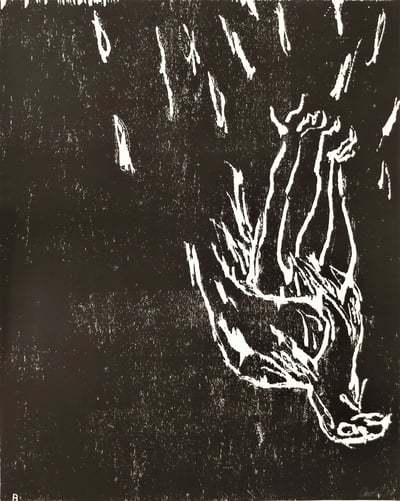
Georg Baselitz
Adler (Eagle) 1, 1981
Limited Edition Print
Woodcut
Inquire For Price
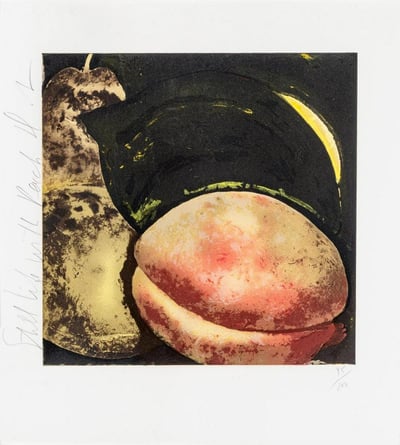
Donald Sultan
Still Life with Peach, 1987
Limited Edition Print
Serigraph
USD 900
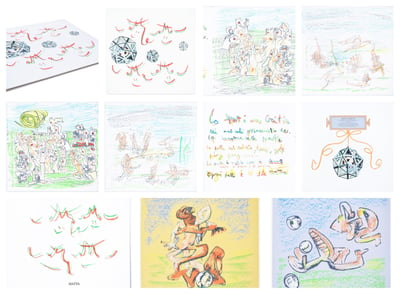
Roberto Matta
Music Foot (portfolio), 1990
Limited Edition Print
Lithograph
EUR 2,750
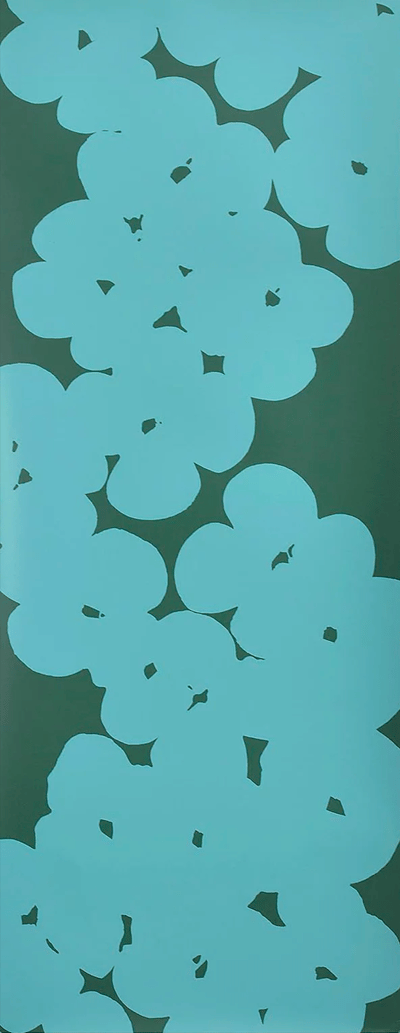
Donald Sultan
Wallflowers (aqua on dark green), 2018
Limited Edition Print
Screen-print
USD 9,000 - 12,000

Donald Sultan
Wallflowers (black on aqua), 2018
Limited Edition Print
Screen-print
USD 9,000 - 12,000
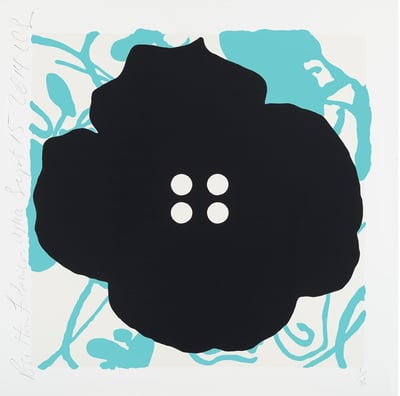
Donald Sultan
Button flower aqua, Sept 15, 2014, 2014
Limited Edition Print
Silkscreen
EUR 2,800
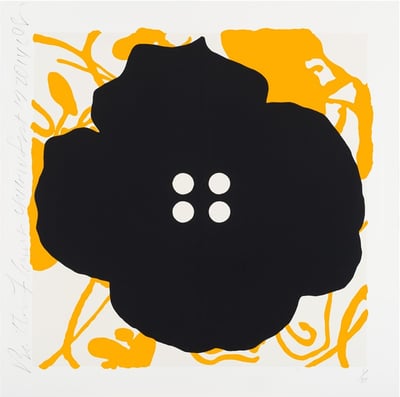
Donald Sultan
Button flower yellow, Sept 17, 2014, 2014
Limited Edition Print
Silkscreen
EUR 2,800
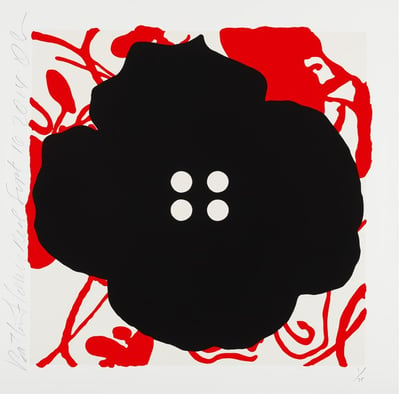
Donald Sultan
Button flower red, Sept 16, 2014, 2014
Limited Edition Print
Silkscreen
EUR 2,800
Related Articles

Cement refers to a variety of mixtures, typically made from clay, limestone, water, sand, and gravel, which form concrete used in construction. The term to cement also means to join or unite materials. In art, cement can refer to the process of securely gluing or bonding elements together, often used in sculptural work or mixed media.

Sometimes known as Figurativism, figurative art refers to sculptures and paintings that are clearly or specifically derived from real objects, making them representational. The term figurative art is often used in contrast to abstract art. However, since the emergence of abstract art, figurative art has come to describe any form of modern art that has strong references to the real world or actual situations.

Provenance refers to the chronology of ownership, location, or custody of an artwork. Tracing an object's provenance helps establish its authenticity and historical context by documenting its ownership history, storage locations, and custody over time. This process often involves expert opinions, comparative analysis, and scientific testing to provide evidence of the artwork’s origin and history.
Can't find your Answer?
Thank you! Your question has been sent — we'll get back to you shortly.
