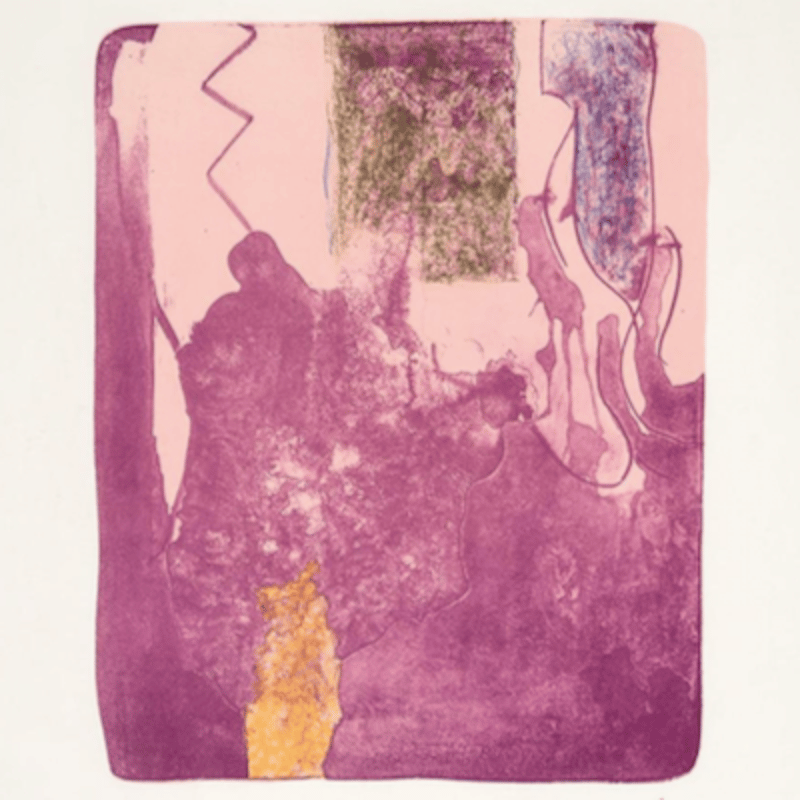
What is abstract expressionism?
- Show All
- Established
- Discoveries
- Show All
Artworks Related to Abstract expressionism
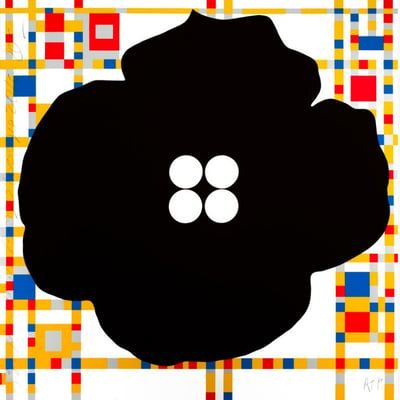
Donald Sultan
Button Down Boogie Woogie, 2016
Limited Edition Print
Archival Print
EUR 2,800
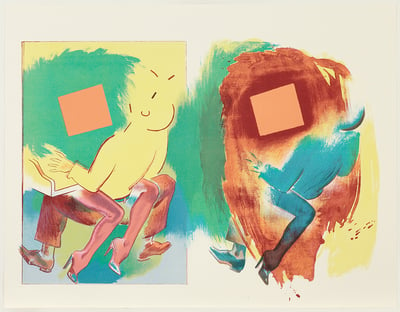
Allen Jones
Two Part Invention, 2012
Limited Edition Print
Lithograph
EUR 2,500
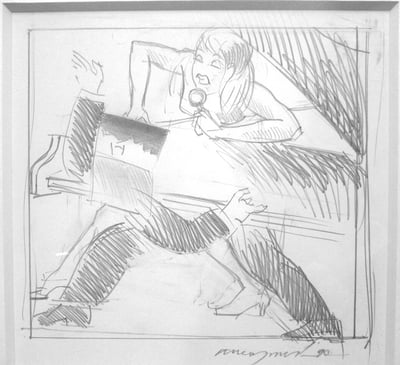
Allen Jones
Study for Night Fever, 1990
Drawing / Watercolor
Pencil
EUR 8,500
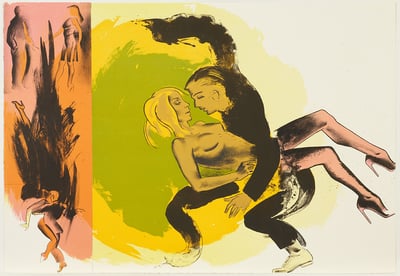
Allen Jones
Swing Low, 2012
Limited Edition Print
Lithograph
EUR 2,500
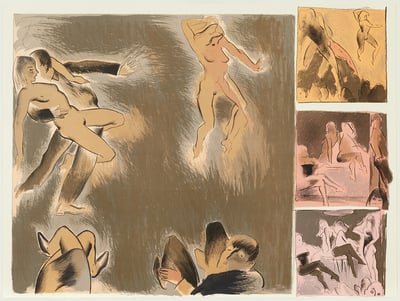
Allen Jones
Gentlemen, 2012
Limited Edition Print
Lithograph
EUR 2,500
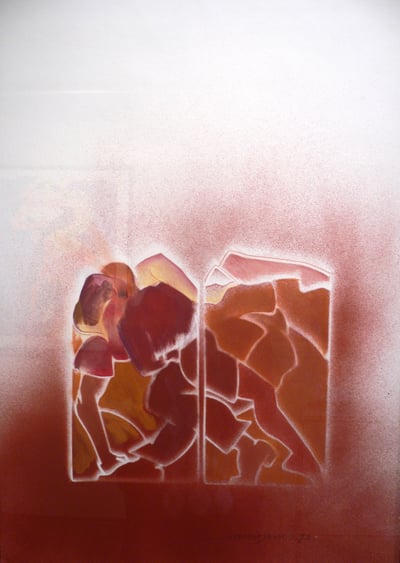
Allen Jones
Dancing Gate, 1993
Limited Edition Print
Mixed Media
EUR 12,000
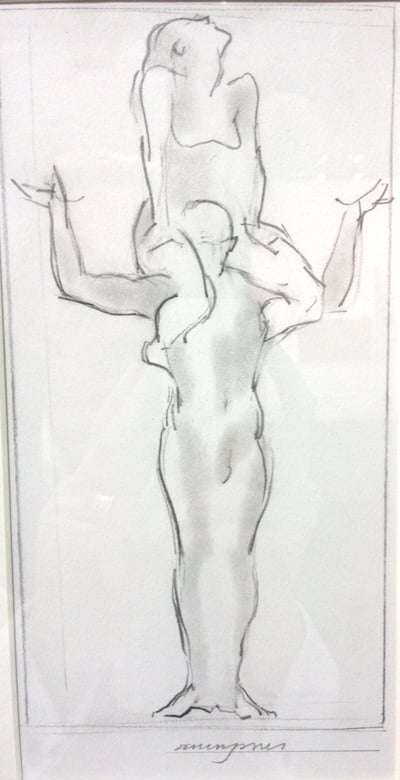
Allen Jones
Cascade, 1999
Drawing / Watercolor
Pencil
EUR 8,500
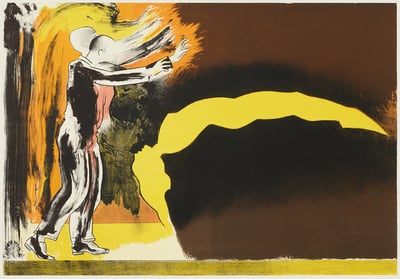
Allen Jones
Just Like That, 2012
Limited Edition Print
Lithograph
EUR 2,500
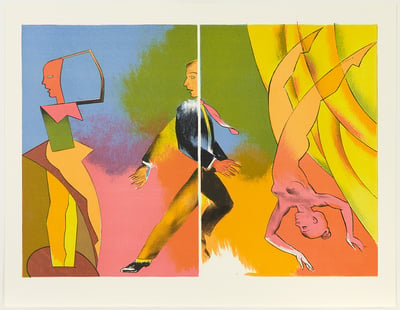
Allen Jones
Split Performance, 2012
Limited Edition Print
Lithograph
EUR 2,500
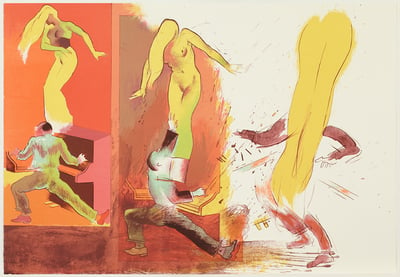
Allen Jones
Second Thought, 2012
Limited Edition Print
Lithograph
EUR 2,500
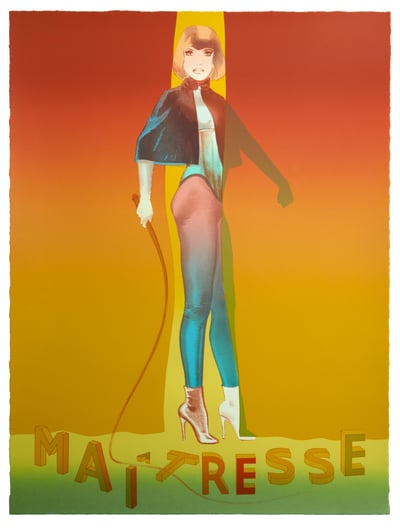
Allen Jones
Maitresse I, 2016
Limited Edition Print
Screen-print
EUR 2,800
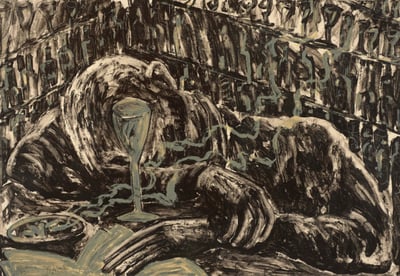
Miquel Barceló
Hombre Borracho En Un Bar 1, 1983
Limited Edition Print
Lithograph
EUR 3,750
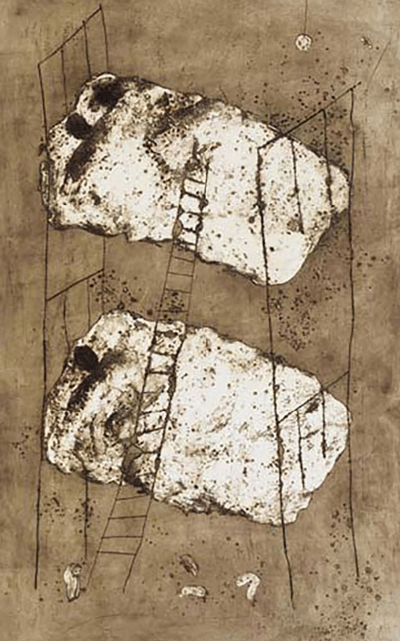
Miquel Barceló
Lits superposes I, 1987
Limited Edition Print
Etching
Currently Not Available
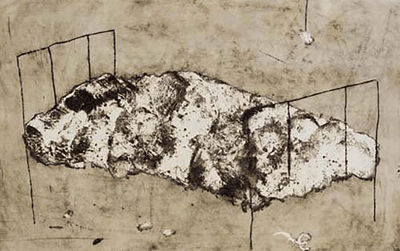
Miquel Barceló
Lit I, 1987
Limited Edition Print
Etching
EUR 17,800
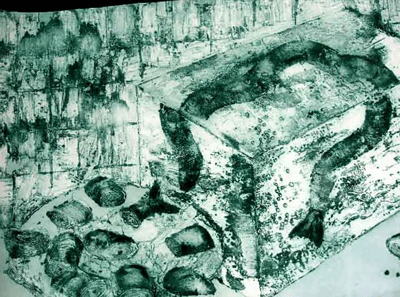
Miquel Barceló
Eels, 1987
Limited Edition Print
Etching
EUR 13,000
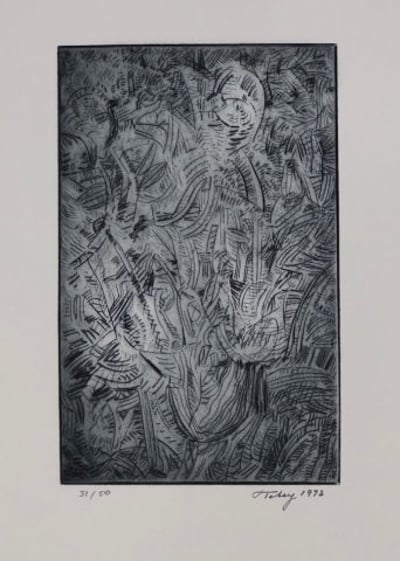
Mark Tobey
Album internacional, 1973
Limited Edition Print
Etching
EUR 850
Related Articles

Marble is a rare and expensive metamorphic rock composed of recrystallized limestone. It has been used for centuries to create statues, decorative floors, and walls due to its translucency and durability. Marble is ideal for both free-standing statues and relief sculptures. When carving, the material is chiseled away in small increments to achieve the desired form.
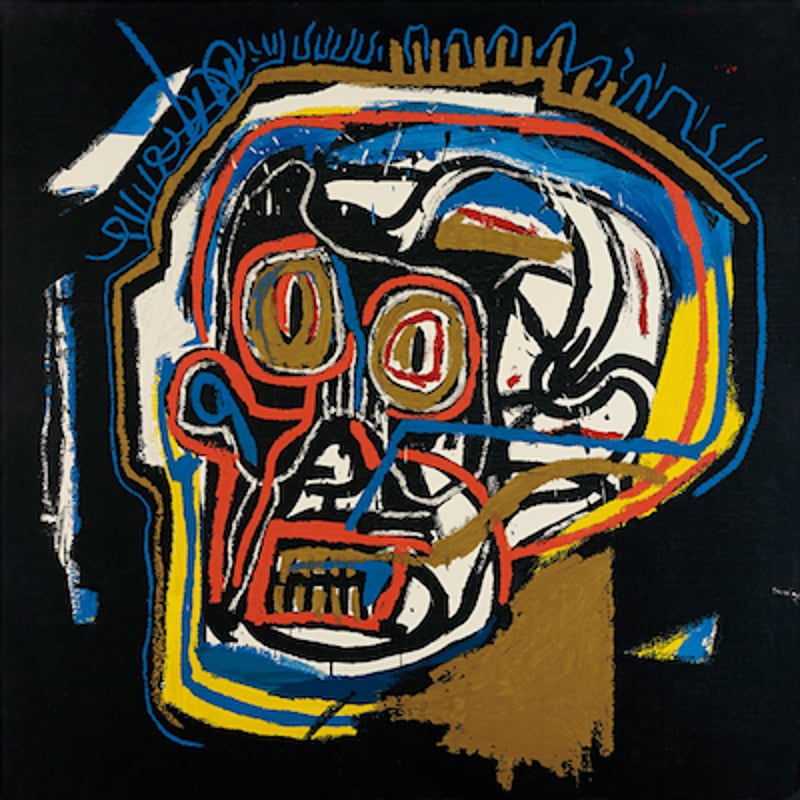
Street Art is artwork created and executed in public spaces, outside of traditional art venues. It gained popularity during the 1980s graffiti art boom and has since evolved into various forms and styles. Common forms of Street Art include pop-up art, sticker art, stencil graffiti, and street installations or sculptures. Terms like guerrilla art, neo-graffiti, post-graffiti, and urban art are often used interchangeably to describe this genre, which challenges conventional ideas about where and how art should be displayed.
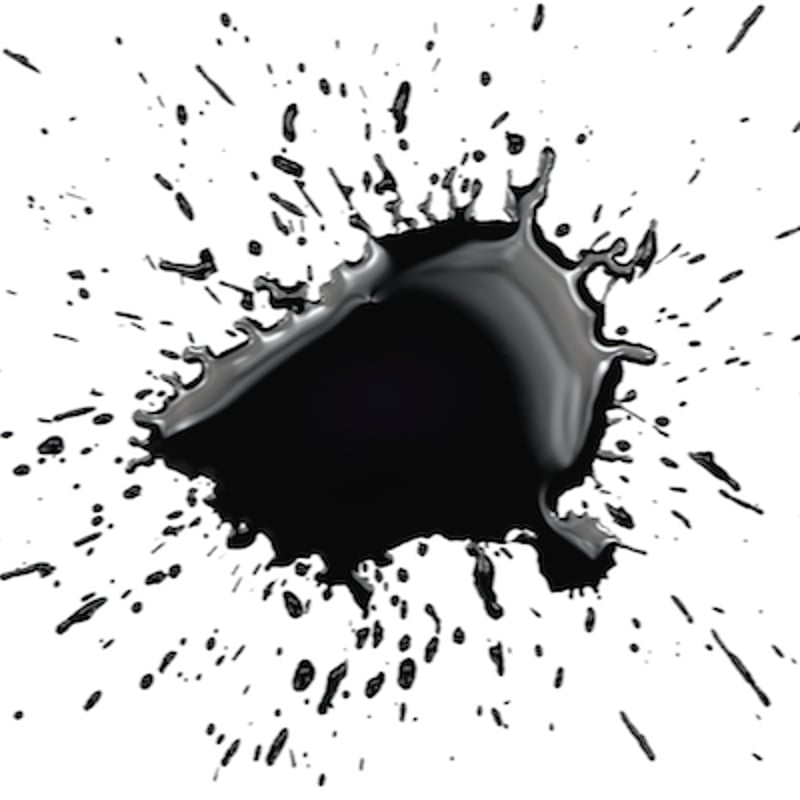
India ink is a medium made from fine soot, known as lampblack, combined with water and a binder, usually shellac, to create a black, waterproof ink. It has been used in India since the 4th century BC. Artists use India ink for writing, drawing, and painting due to its deep black color and permanence.
Can't find your Answer?
Thank you! Your question has been sent — we'll get back to you shortly.
