What is abstract expressionism?
- Show All
- Established
- Discoveries
- Show All
Artworks Related to Abstract expressionism

Donald Sultan
Wall flower 1, 2008
Limited Edition Print
Screen-print
USD 2,000
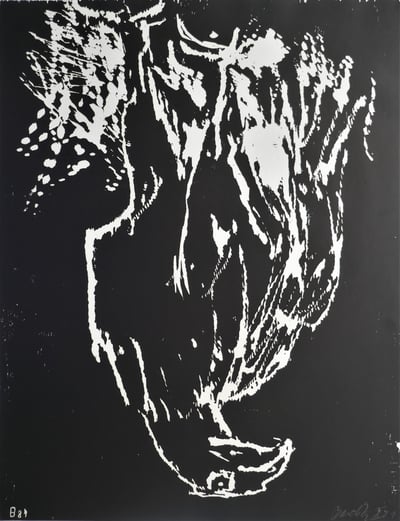
Georg Baselitz
Adler (Eagle) 2, 1981
Limited Edition Print
Woodcut
Currently Not Available

Donald Sultan
Five Lemons a Pear and an Egg, 1994
Limited Edition Print
Serigraph
USD 1,400

Donald Sultan
Two Pears A Lemon and an Egg, 1994
Limited Edition Print
Serigraph
USD 900
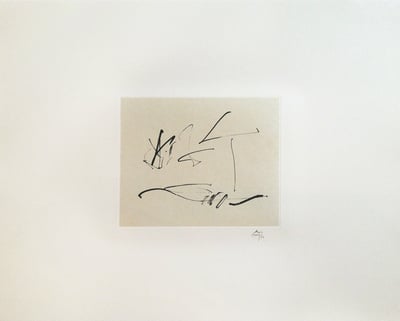
Robert Motherwell
Wind (from Octavio Paz suite), 1988
Limited Edition Print
Lithograph
Currently Not Available
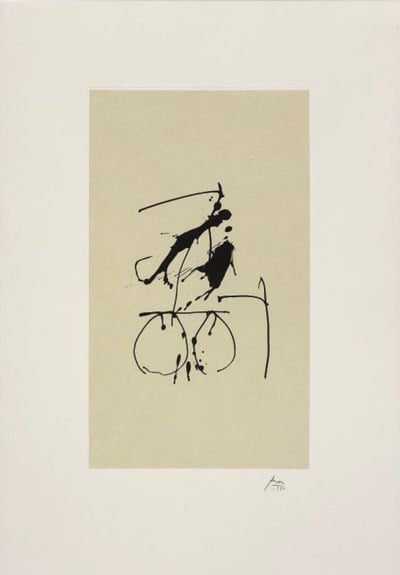
Robert Motherwell
Untitled B423 (from Octavio Paz suit), 1988
Limited Edition Print
Lithograph
USD 2,990
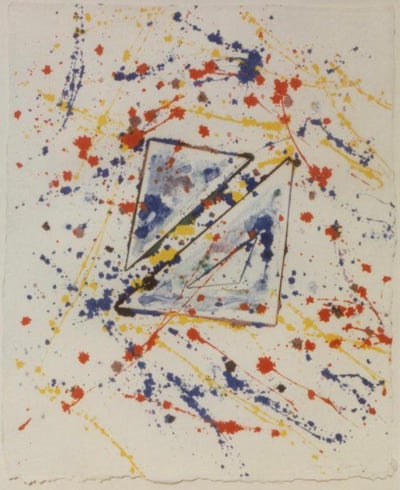
Sam Francis
In, On and Of paper, #1, 1977
Drawing / Watercolor
Mixed Media
USD 32,000 - 36,000

Frank Stella
Double grey scramble (AXSOM 93), 1973
Limited Edition Print
Screen-print
Currently Not Available
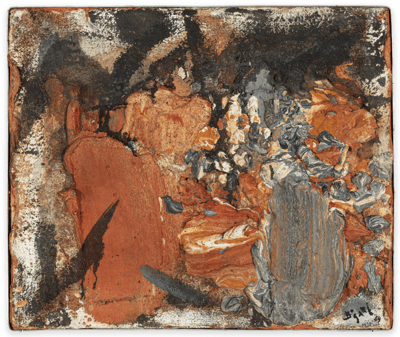
Bram Bogart
Extase, 1958 - 59
Painting
Mixed Media
Make Your Offer
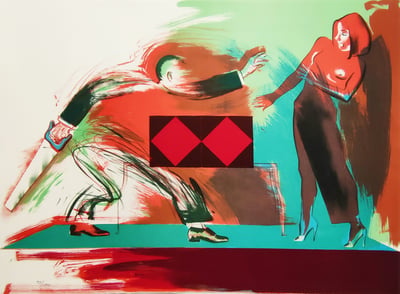
Allen Jones
Trick or Treat, 2000
Limited Edition Print
Lithograph
EUR 1,000
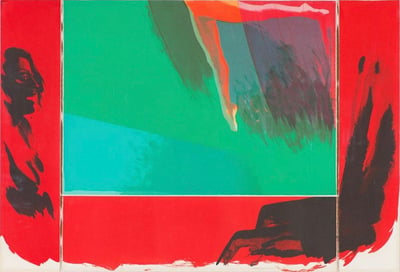
Allen Jones
Box, 1980
Limited Edition Print
Lithograph
USD 1,400

Rudolf Polanszky
Untitled, 1980s
Drawing / Watercolor
Mixed Media
EUR 25,000 - 30,000

Donald Sultan
Lantern Flowers - Yellow/White background, 2017
Limited Edition Print
Silkscreen
USD 4,250
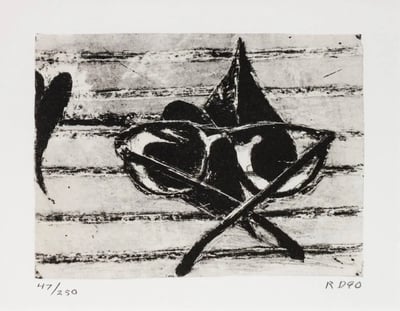
Richard Diebenkorn
Untitled (for Harvey Gantt), 1990
Limited Edition Print
Lithograph
USD 3,400

Richard Diebenkorn
Softground Y, 1982
Limited Edition Print
Etching
Currently Not Available
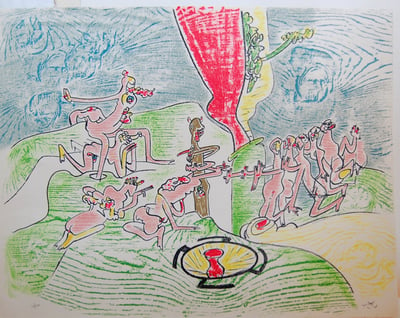
Roberto Matta
Or dur or aison, 1971
Limited Edition Print
Lithograph
USD 4,250
Related Articles
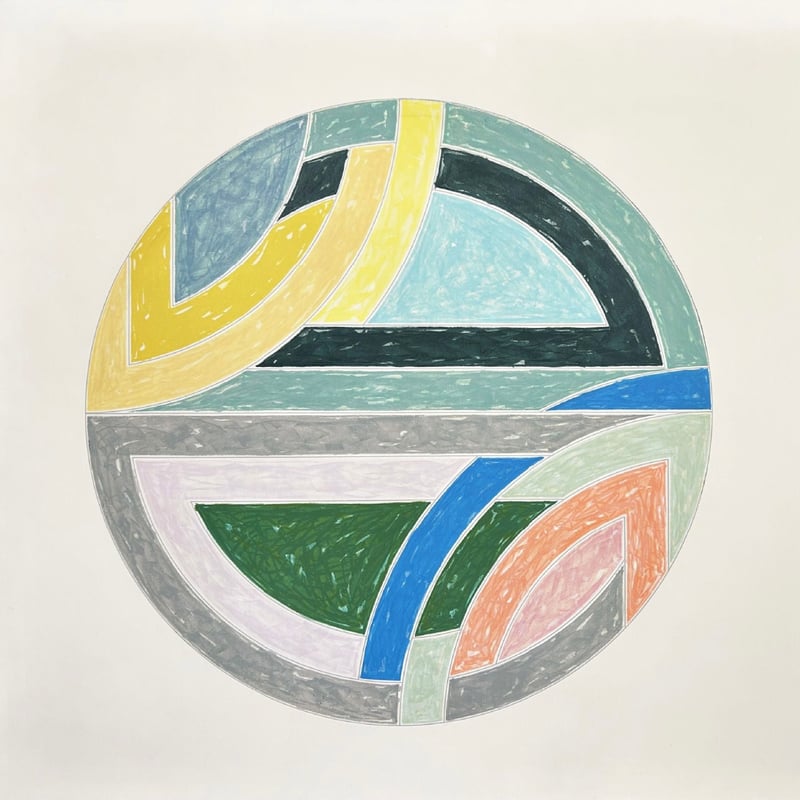
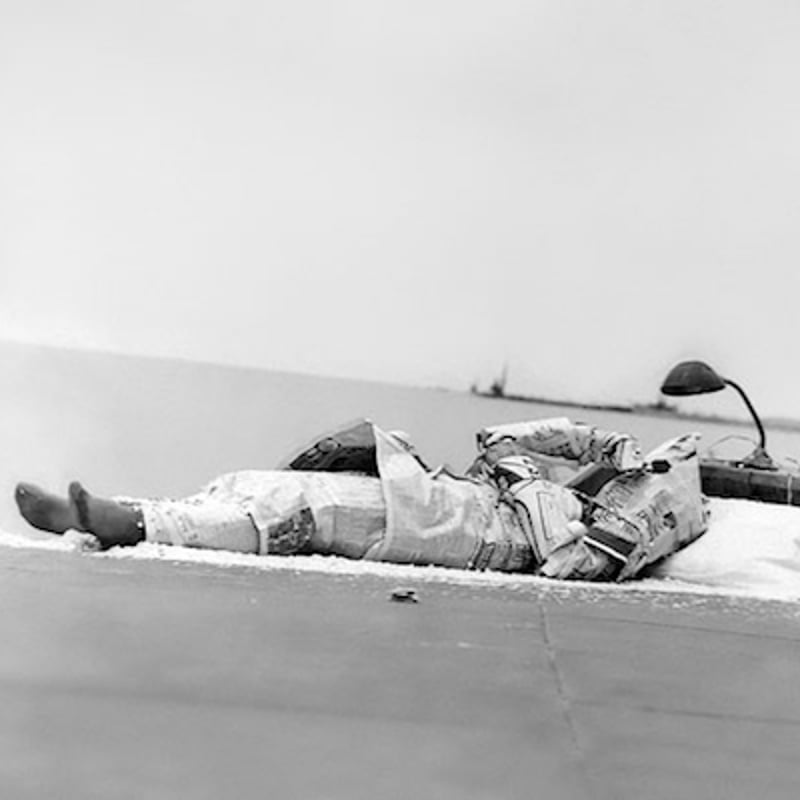
A Happening is a term used to describe artistic and theatrical events held by artists in the 1950s and 60s. These events were typically staged in gallery installations or planned environments and often involved audience participation, along with elements like lighting, sounds, and slide projections. Happenings were a precursor to performance art, which later included the active participation of the artists themselves.
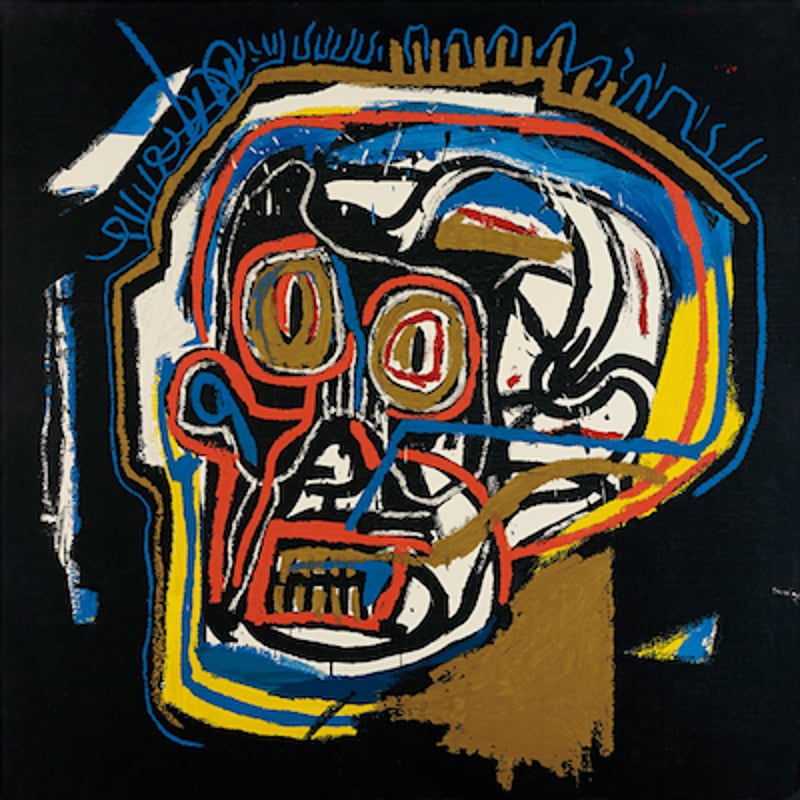
Street Art is artwork created and executed in public spaces, outside of traditional art venues. It gained popularity during the 1980s graffiti art boom and has since evolved into various forms and styles. Common forms of Street Art include pop-up art, sticker art, stencil graffiti, and street installations or sculptures. Terms like guerrilla art, neo-graffiti, post-graffiti, and urban art are often used interchangeably to describe this genre, which challenges conventional ideas about where and how art should be displayed.

A replica is a copy of an artwork that is so precisely made that it is nearly indistinguishable from the original. Artists may create replicas of their own work, or replicas can be produced for educational purposes, preservation, or display when the original cannot be shown. While replicas aim to closely mimic the original, they are usually identified as reproductions rather than original works.
Can't find your Answer?
Thank you! Your question has been sent — we'll get back to you shortly.
