What is abstract expressionism?
- Show All
- Established
- Discoveries
- Show All
Artworks Related to Abstract expressionism
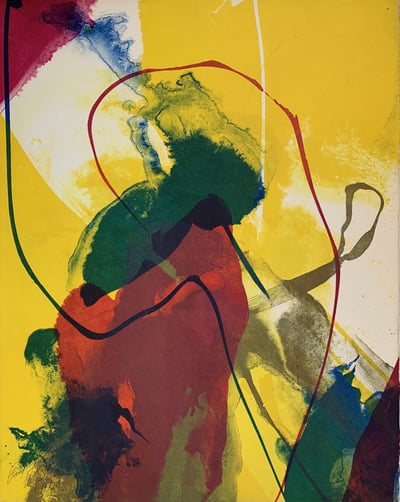
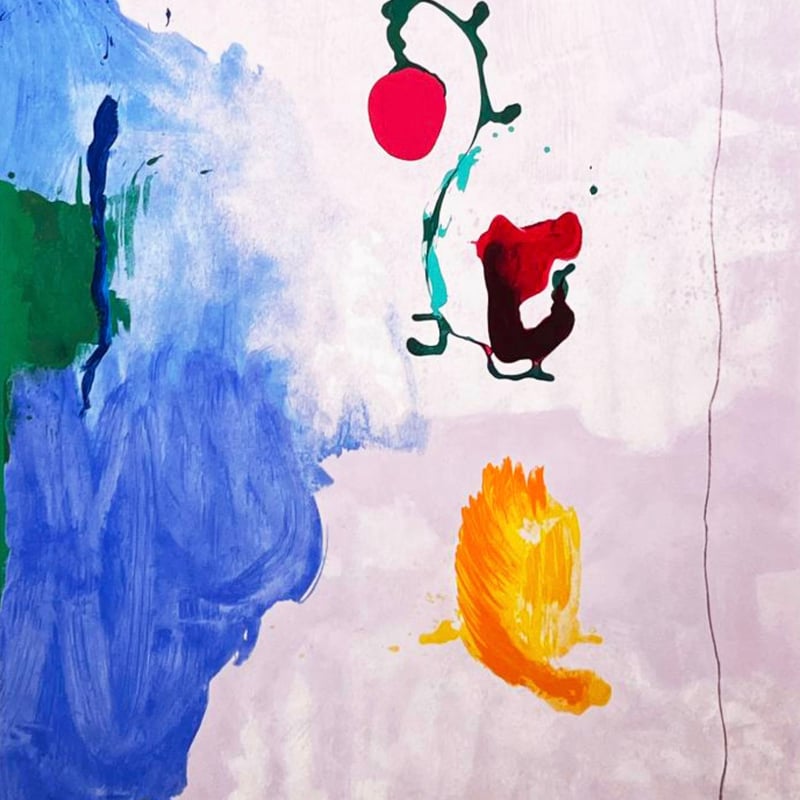
Paul Jenkins
Untitled (Vibrant Currents), 1972
Limited Edition Print
Lithograph
USD 3,300
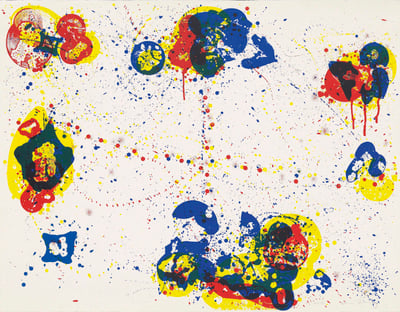
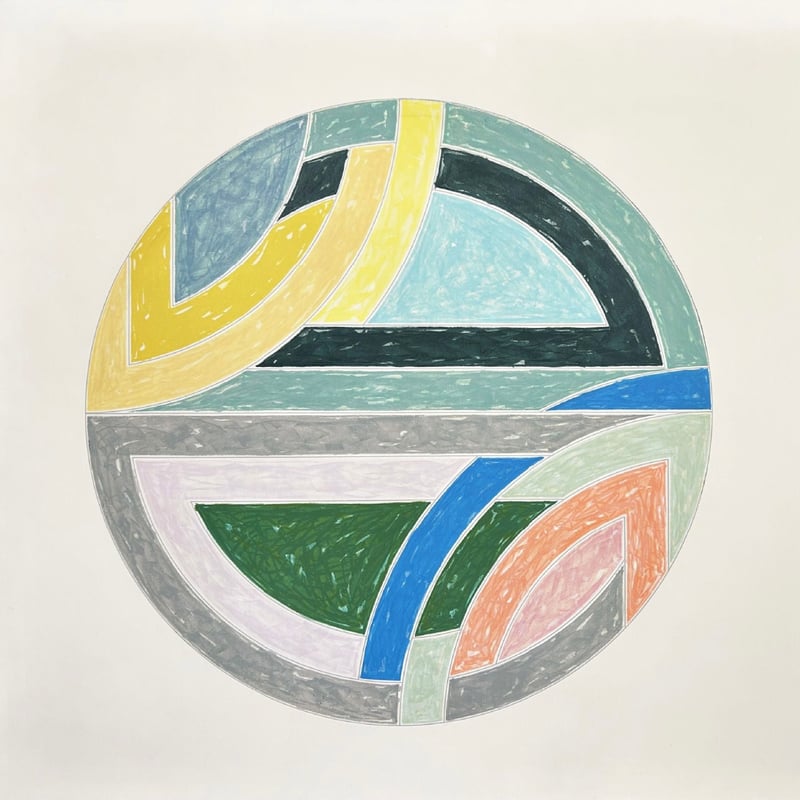
Sam Francis
Web (SFS-136), 1972
Limited Edition Print
Screen-print
USD 23,000
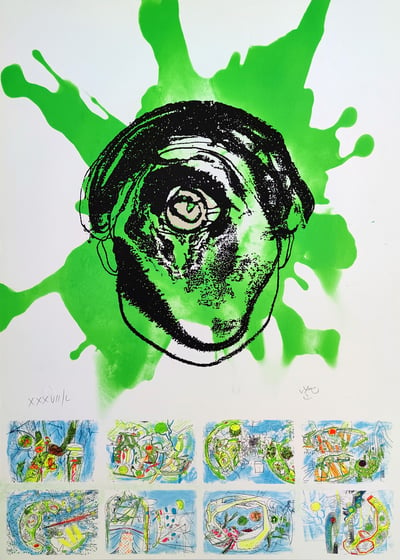
Roberto Matta
Hommage a Federico Garcia Lorca, 1999
Limited Edition Print
Silkscreen
Currently Not Available
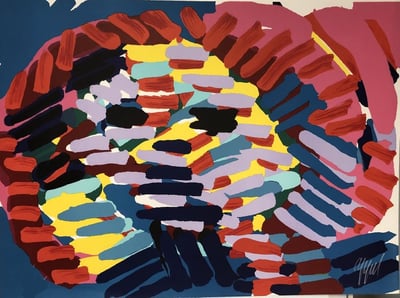
Karel Appel
Once I Was The Sun, 1978
Limited Edition Print
Lithograph
USD 1,100

Karel Appel
Flower with Blue Eyes, 1977
Sculpture / Object
Wood
Currently Not Available
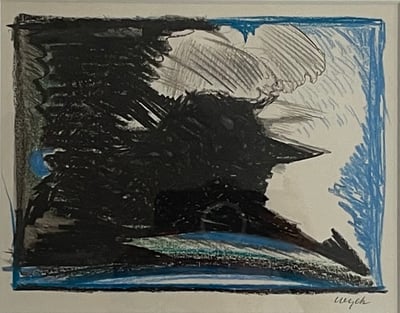
Maurice Wyckaert
Untitled (unique)
Drawing / Watercolor
Mixed Media
EUR 1,875

Richard Diebenkorn
Untitled (from Club/Spade Group '81-82), 1986
Limited Edition Print
Lithograph
Inquire For Price

Hans Hartung
Las Estampas de la Cometa 5, 1971
Limited Edition Print
Etching
EUR 1,550
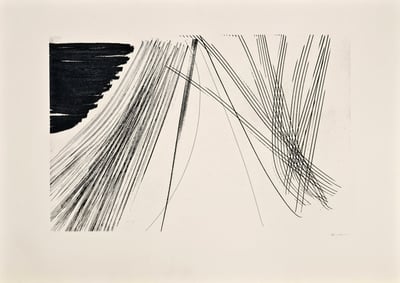
Hans Hartung
Las Estampas de la Cometa 4, 1971
Limited Edition Print
Etching
EUR 1,550

Hans Hartung
Las Estampas de la Cometa 1, 1971
Limited Edition Print
Etching
EUR 1,550

Roberto Matta
L'Explosion Qui Éclaire Mon Abime, 1978
Limited Edition Print
Etching
EUR 1,875
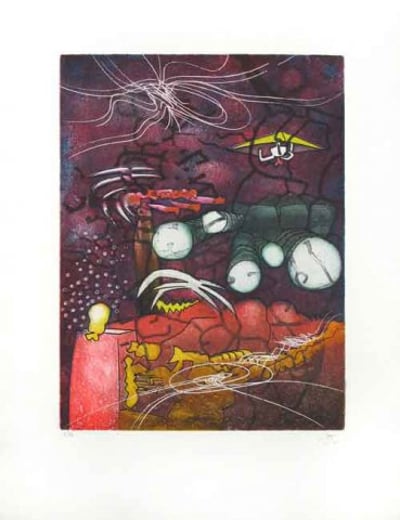
Roberto Matta
Des Secrets Pour Changer La Vie, 1978
Limited Edition Print
Etching
EUR 1,875

Roberto Matta
Damné Par L'Arc En Ciel, 1978
Limited Edition Print
Etching
EUR 1,875

Roberto Matta
Plusieurs Autres Vies, 1978
Limited Edition Print
Etching
EUR 1,875

Roberto Matta
Attire Le Gai Venin, 1978
Limited Edition Print
Etching
EUR 1,875
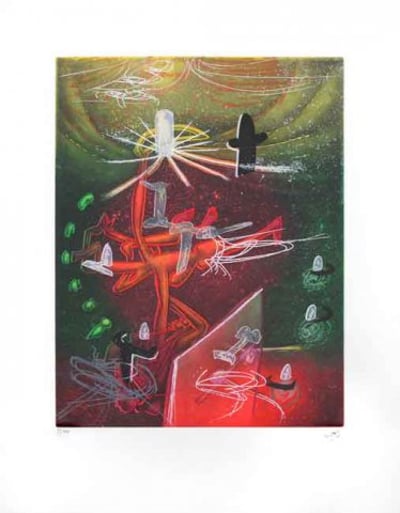
Roberto Matta
Je Fixe Des Vertiges, 1978
Limited Edition Print
Etching
EUR 1,875
Related Articles


A Biennial is an art exhibition held every two years, typically on a large scale with international participants. The first and most famous example is the Venice Biennale, established in 1895 and held in the Giardini, a public park in Venice. Over time, the event has grown to include thirty permanent pavilions, each representing different countries. Biennials have become significant events in the contemporary art world, offering a platform for artists to showcase their work to a global audience.

Monoprinting is a printmaking technique where a single impression is created from a re-printable surface, such as a lithographic stone, wood block, or metal plate. Unlike traditional printmaking, where multiple copies are produced, monoprinting results in a unique image. Techniques used in monoprinting include etching, lithography, and woodcut, but the key characteristic is that each print is one-of-a-kind.

Site-Specific Art is a form of artwork created to exist in a particular location, with the artist considering the site as an integral part of the creative process. Robert Irwin was a key figure in promoting this art form in California. Site-Specific Art emerged as a reaction against modernist objects, which were often portable, commodified, and confined to museum spaces. In contrast, Site-Specific Art is inherently tied to its location, challenging the traditional notions of art as a transportable and marketable commodity.
Can't find your Answer?
Thank you! Your question has been sent — we'll get back to you shortly.
