
City Edge, 1988
Form
Medium
Size
- Inches
- Centimeters
Edition
Price
- Authenticity Guaranteed
- Insured Shipping
- Online Since 2005
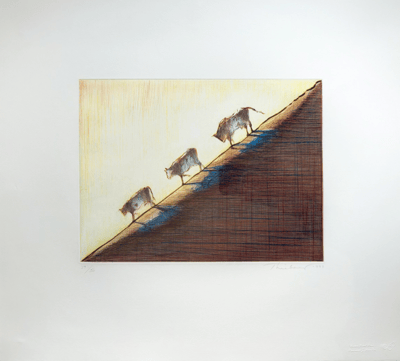
Thiebaud Wayne
Three Cows, 1991
Limited Edition Print
Drypoint
USD 11,300
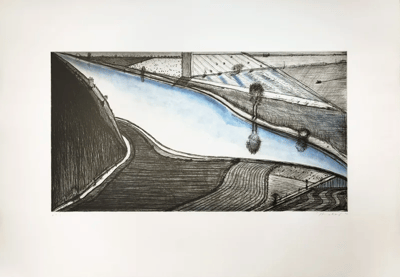
Thiebaud Wayne
Dark Hill River, 2002
Limited Edition Print
Mixed Media
USD 18,000 – 22,500
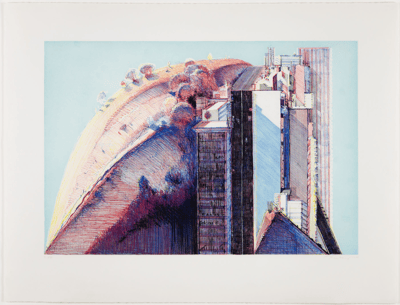
Thiebaud Wayne
Country City, 1988
Limited Edition Print
Mixed Media
Inquire For Price
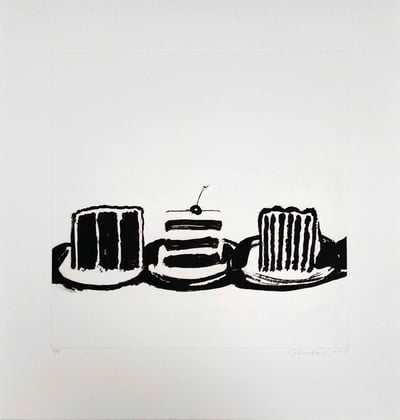
Thiebaud Wayne
Cut Cakes, 2015
Limited Edition Print
Mixed Media
USD 14,250

Thiebaud Wayne
Crown Tart, 2015
Limited Edition Print
Mixed Media
USD 11,900

Thiebaud Wayne
Trout Fishing in America, 1994
Limited Edition Print
Lithograph
USD 5,500
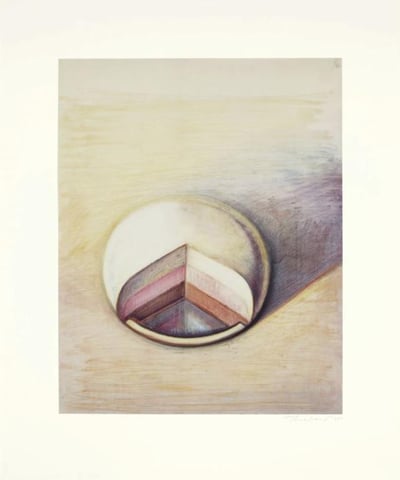
Thiebaud Wayne
Neapolitan Pie, 1990
Limited Edition Print
Lithograph
GBP 25,000 – 30,000
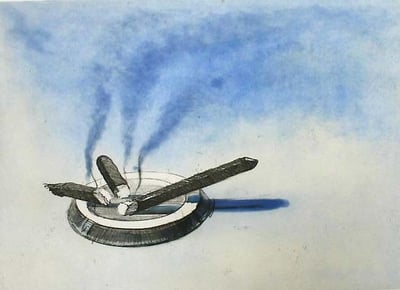
Thiebaud Wayne
Cigars, 1979
Limited Edition Print
Etching
Currently Not Available
Related Artists

Related Articles
Popular, News, Artists - February 27, 2026
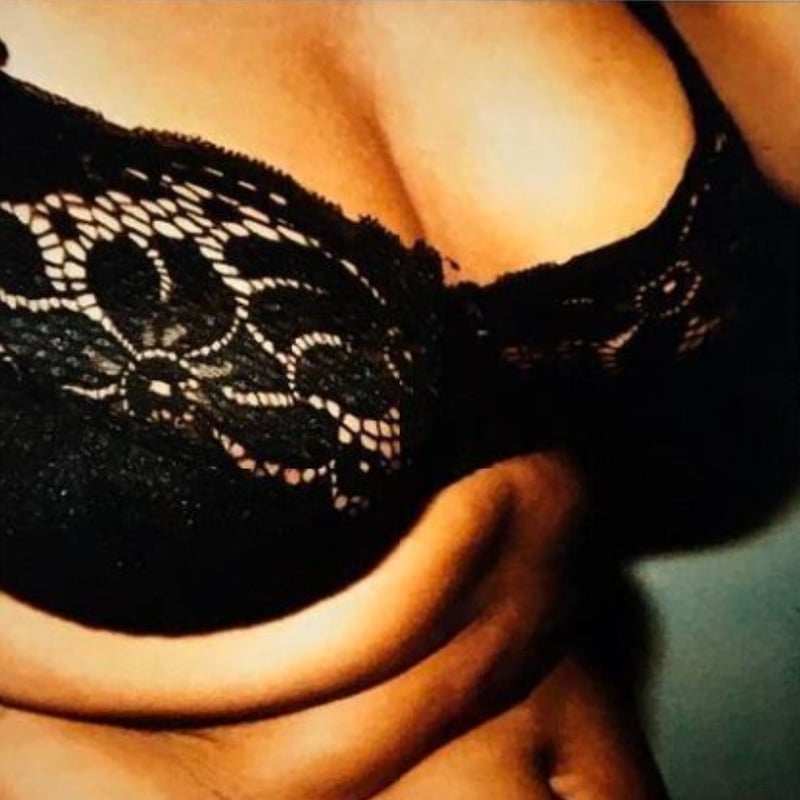
The Sovereign Self: Tracey Emin’s A Second Life at Tate Modern (2026) and the Evolution of a Global Market
Tracey Emin’s A Second Life at Tate Modern (2026) redefines her legacy, signaling institutional canonisation and a maturing global market.Read More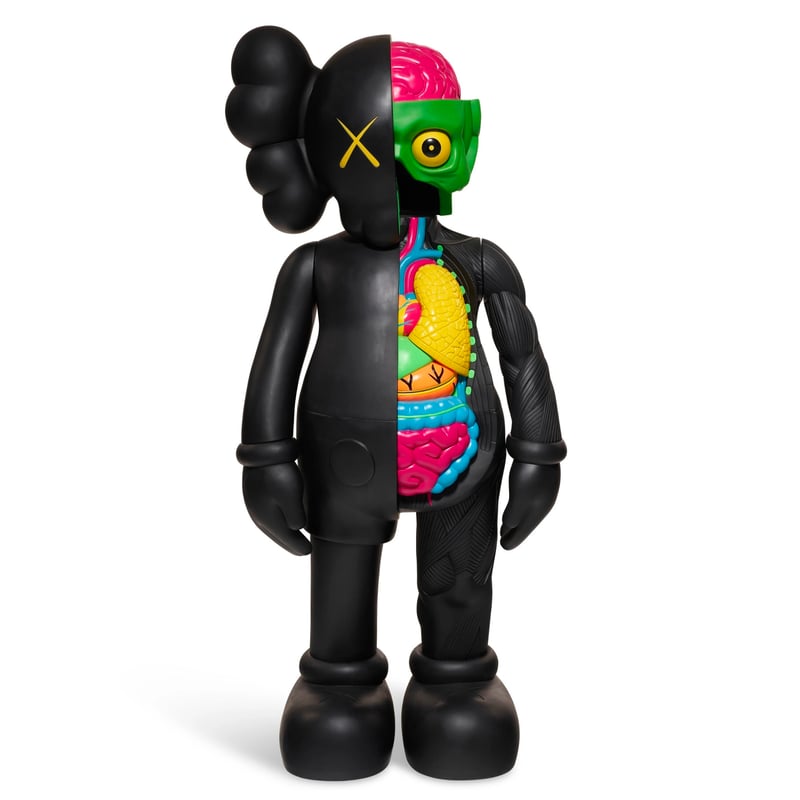
Popular, Artists, Collecting - September 1, 2026
KAWS Companion Editions: Vinyl, Four Foot and Dissected
A collector’s guide to KAWS Companion editions, from the 1999 Bounty Hunter vinyl figure to Four Foot, Dissected, Sorayama and Star Wars releases.Read More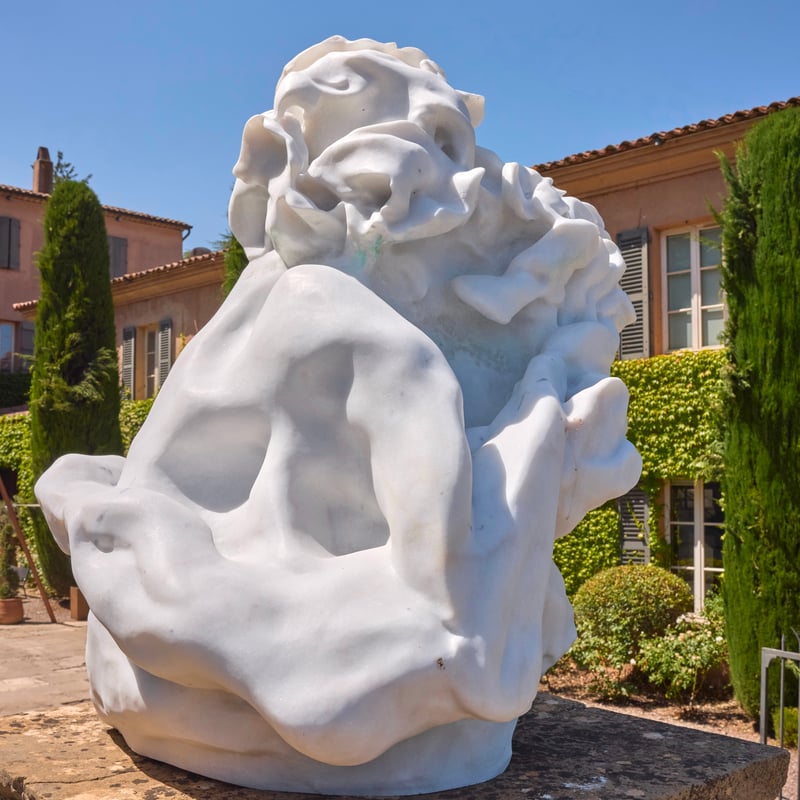
Popular, News, Artists, Collecting - August 12, 2026
In Minor Keys: Finding Intimacy and Identity at the 61st Venice Biennale — and in Your Collection
Explore how Koyo Kouoh’s 61st Venice Biennale vision, In Minor Keys, is shifting contemporary collecting toward quiet introspection, memory, and personal identity.Read More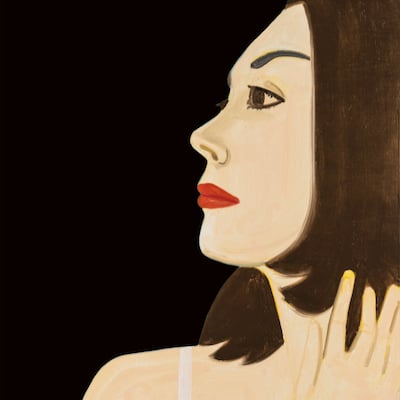
What is figurative art?
Sometimes known as Figurativism, figurative art refers to sculptures and paintings that are clearly or specifically derived from real objects, making them representational. The term figurative art is often used in contrast to abstract art. However, since the emergence of abstract art, figurative art has come to describe any form of modern art that has strong references to the real world or actual situations.


