
Hand-signed
Artwork Copyright © Rupprecht GeigerRupprecht Geiger (Germany, 1908–2009) was a German abstract painter and sculptor renowned for his vibrant color field paintings. A founding member of the ZEN 49 group, he focused on the expressive power of color, particularly red, using simple geometric forms to evoke emotional responses. Geiger's work significantly influenced post-war European abstraction.
Artwork Copyright © Rupprecht GeigerSpritzer Rot mit Silberrand
Form
Medium
Size
- Inches
- Centimeters
Edition
Price
Available works →
- Authenticity Guaranteed
- Insured Shipping
- Online Since 2005
●
●Inventory 6004
●Signed
●Comes with gallery invoice and certificate
●Sell Us a Similar Artwork. Learn more.
Hand-signed
Artwork Copyright © Rupprecht GeigerRupprecht Geiger (Germany, 1908–2009) was a German abstract painter and sculptor renowned for his vibrant color field paintings. A founding member of the ZEN 49 group, he focused on the expressive power of color, particularly red, using simple geometric forms to evoke emotional responses. Geiger's work significantly influenced post-war European abstraction.
Artwork Copyright © Rupprecht Geiger- Recently Added
- Price (Low-High)
- Price (High-Low)
- Year (Low-High)
- Year (High-Low)
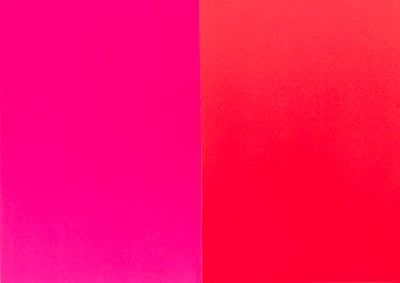
Rupprecht Geiger
Zwei verschiedene Rot, 1967
Limited Edition Print
Silkscreen
Currently Not Available
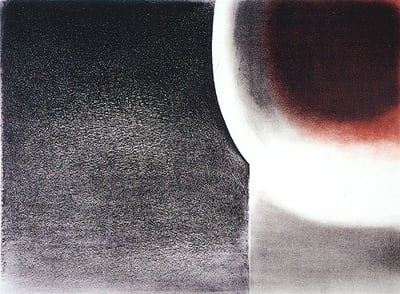
Rupprecht Geiger
Gegen die Folter
Limited Edition Print
Lithograph
Currently Not Available
Related Artists
Related Articles
Popular, Artists, Art Movements - May 5, 2022
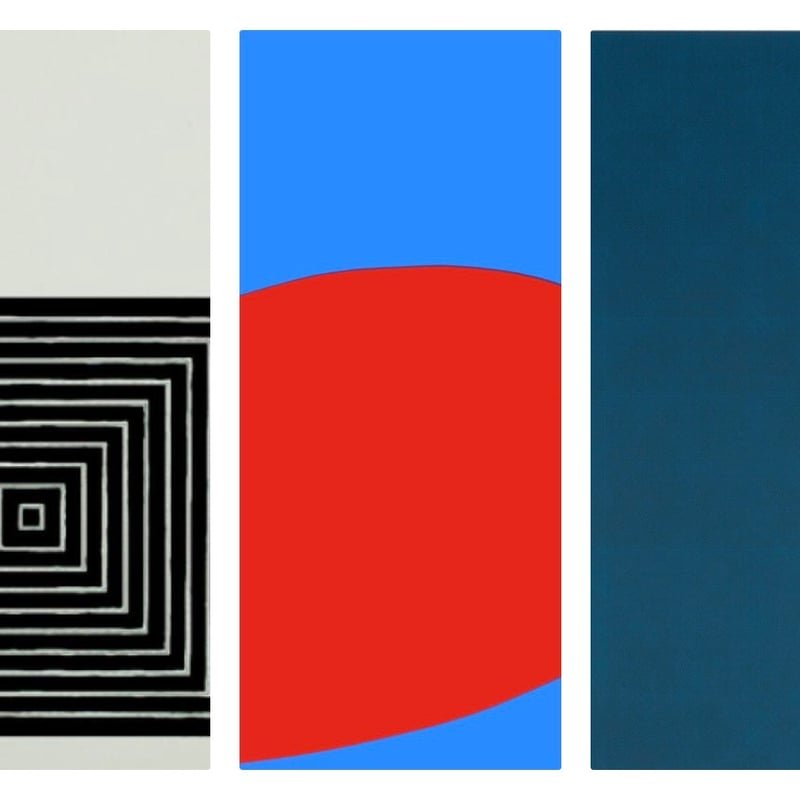
9 Essential Artists of the The Minimalist School
Discover 9 essential artists of the Minimalist movement, including Donald Judd and Agnes Martin. Explore their transformative impact on modern art and design.Read More

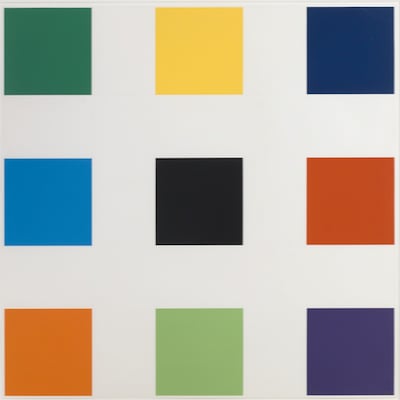
Artwork by Ellsworth Kelly
What is Hard Edge Art?
Hard Edge art is a style of abstract painting that became popular in the 1960s. It features areas of color separated by crisp, sharp edges that are painted with geometric precision. The term hard-edge painting was coined by art critic Jules Langsner to describe this approach, which contrasts with the softer, more fluid forms of other abstract styles.


