
Magnetische schoenen, 1980
Form
Medium
Size
- Inches
- Centimeters
Edition
Price
- Authenticity Guaranteed
- Insured Shipping
- Online Since 2005
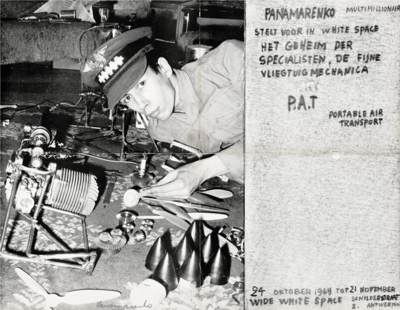
Panamarenko
Portable Air Transport, 1969
Limited Edition Print
Offset Print
EUR 3,300
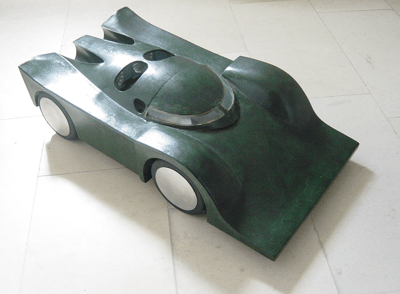
Panamarenko
Polistes, 1990
Sculpture / Object
Mixed Media
Inquire For Price
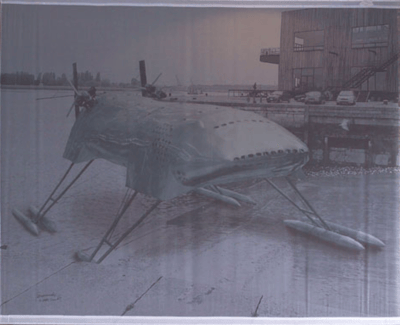
Panamarenko
Scotch Gambit at Rijnkaai, Antwerpen, 2001
Limited Edition Print
Monoprint
Inquire For Price
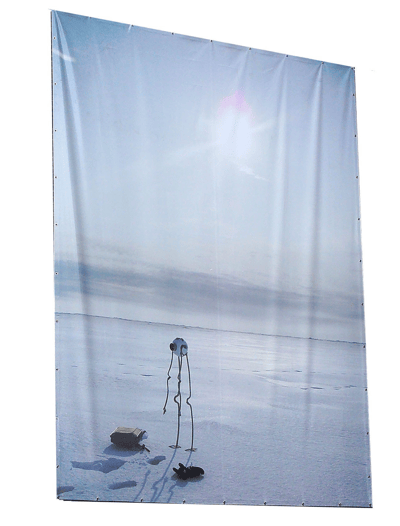
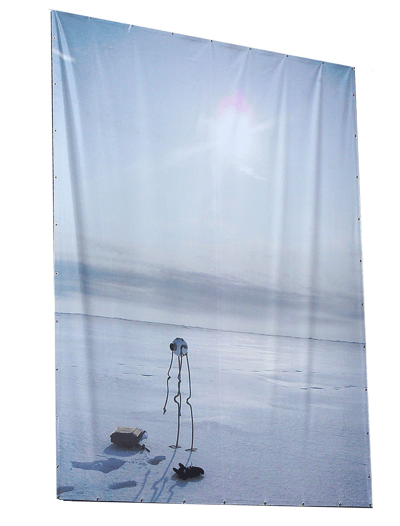
Panamarenko
Noordpool-Arlikoop, 2004
Limited Edition Print
Inkjet print
EUR 9,500
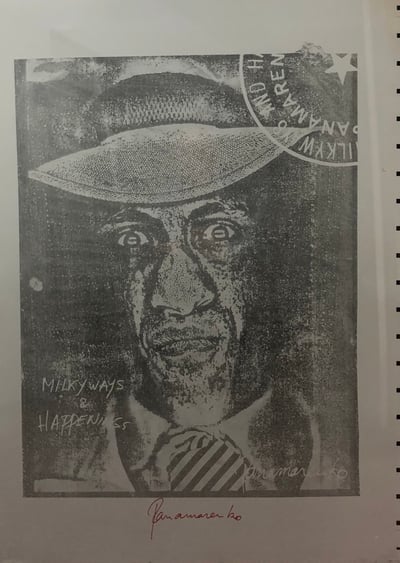
Panamarenko
Noordpool-Arlikoop, 2004
Limited Edition Print
Inkjet print
EUR 12,500
Panamarenko
Milky Ways & Happenings - original plate
Limited Edition Print
Metal
Make Your Offer
Related Artists


Related Articles
Popular, News, Artists, Collecting - August 12, 2026
In Minor Keys: Finding Intimacy and Identity at the 61st Venice Biennale — and in Your Collection
Explore how Koyo Kouoh’s 61st Venice Biennale vision, In Minor Keys, is shifting contemporary collecting toward quiet introspection, memory, and personal identity.Read More

What is Space Art?
Space Art is an artistic genre that depicts the cosmic elements of the universe, including celestial bodies, interstellar space, and space exploration. It began in 1865 with the first science-based illustrations by A. de Neuville and Emile Bayard in Jules Verne’s novel From the Earth to the Moon. Space Art has since evolved to include various forms of visual art inspired by astronomical discoveries and the human imagination, playing a key role in visualizing the wonders of space.


