Details
Artist
Styles
Aquatinta, Carborundum etching // Zyklop Gelb by Otto Piene, created in 1984, is a striking example of the artist's experimental approach to printmaking. Utilizing carborundum etching and aquatint, this limited edition print (from an edition of 30) features a large, surreal, eye-like form in a mix of yellow and black tones against a rich, deep blue background. The image evokes the mythical Cyclops, with a gaze that seems to peer beyond the frame, merging organic textures with fantastical elements. Piene’s mastery of light and texture brings an intense, almost hypnotic quality to the composition. Measuring 76 cm by 108 cm, the work captures a fusion of abstraction and symbolism, typical of Piene’s exploration of cosmic and elemental themes.
Zyklop Gelb, 1984
form
Medium
Size
76 x 108 cm
- Inches
- Centimeters
Edition
Price
- USD
- EUR
- GBP
Details
Artist
Styles
Aquatinta, Carborundum etching // Zyklop Gelb by Otto Piene, created in 1984, is a striking example of the artist's experimental approach to printmaking. Utilizing carborundum etching and aquatint, this limited edition print (from an edition of 30) features a large, surreal, eye-like form in a mix of yellow and black tones against a rich, deep blue background. The image evokes the mythical Cyclops, with a gaze that seems to peer beyond the frame, merging organic textures with fantastical elements. Piene’s mastery of light and texture brings an intense, almost hypnotic quality to the composition. Measuring 76 cm by 108 cm, the work captures a fusion of abstraction and symbolism, typical of Piene’s exploration of cosmic and elemental themes.
- Recently Added
- Price (low-high )
- Price (high-low )
- Year (low-high )
- Year (high-low )

Otto Piene
Addis Abeba, 1972
Limited Edition Print
Silkscreen
EUR 19,500

Otto Piene
Seuloeil (red), 1991
Limited Edition Print
Screen-print
EUR 2,600

Otto Piene
Seuloeil Blau/schwarzes Auge, 1991
Limited Edition Print
Screen-print
EUR 2,600

Otto Piene
Seuloeil (white), 1991
Limited Edition Print
Screen-print
EUR 2,600

Otto Piene
Zyklop Rot, 1984
Limited Edition Print
Mixed Media
EUR 2,400

Otto Piene
Zyklop Gelb, 1984
Limited Edition Print
Carborundum
EUR 2,400

Otto Piene
Addis Abeba 8, 1972
Limited Edition Print
Screen-print
EUR 3,200

Otto Piene
Blue Streak, 1980
Limited Edition Print
Screen-print
Currently Not Available

Otto Piene
Rastersonne, 2009
Ceramics
Mixed Media
Currently Not Available
Related Artists


Related Articles

Popular, Art Movements - November 25, 2025
Trash to Treasure: Eco-Art and the Beauty of Recycled Materials
Discover how artists turn trash into treasure—transforming e-waste, scrap, and textiles into powerful, sustainable eco-art with global impact. Read More

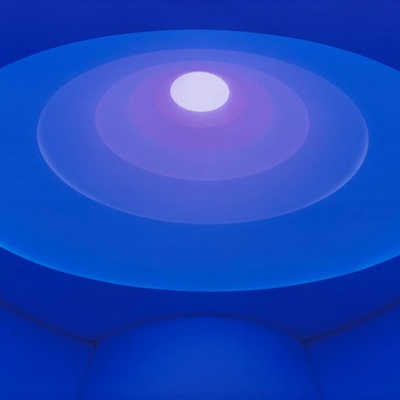
What is ‘light and space’?
The Light and Space Movement refers to loosely affiliated art movements connected to minimalism, geometric abstraction, and op art that originated in Southern California in the 1960s. Greatly influenced by artist John McLaughlin, these artists focused on sensory phenomena such as light, perception, and space as central elements of their work. They also incorporated cutting-edge technologies from the aerospace and engineering industries to develop light-filled and sensuous objects, creating immersive experiences that emphasize the viewer's perception.