Details
Artist
Styles
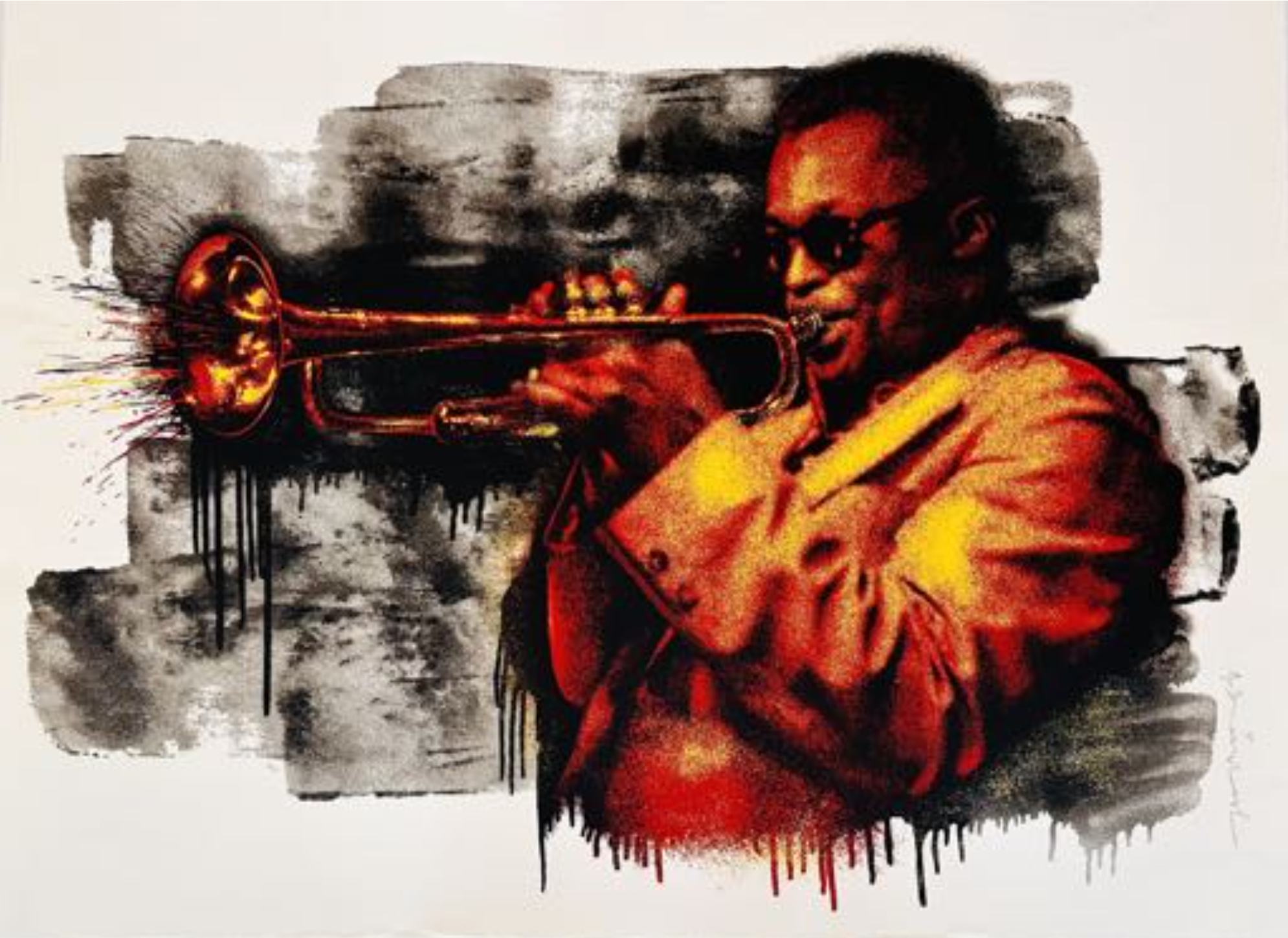
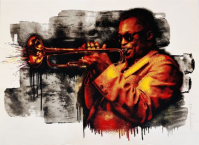
Miles Davis (Red, Yellow) (2015) by Mr. Brainwash captures the legendary jazz trumpeter in an expressive explosion of color and motion. The screen print features a bold red and yellow palette that illuminates Davis mid-performance, eyes hidden behind sunglasses, his trumpet releasing a burst of multicolored lines into the air. The textured black-and-white background evokes gritty urban walls, lending a street-art sensibility. The work blends musical dynamism with raw visual energy, paying homage to one of jazz’s most innovative figures.
Miles Davis (Red, Yellow), 2015
form
Medium
Size
57 x 76.2 cm
- Inches
- Centimeters
Edition
Price
- USD
- EUR
- GBP
Details
Artist
Styles
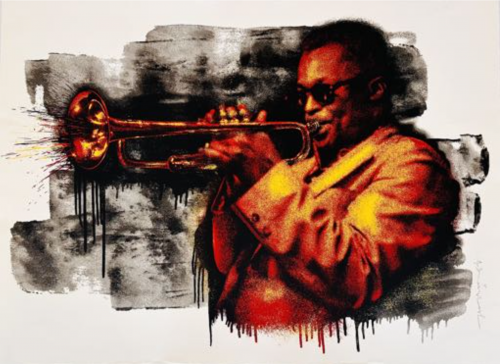
Miles Davis (Red, Yellow) (2015) by Mr. Brainwash captures the legendary jazz trumpeter in an expressive explosion of color and motion. The screen print features a bold red and yellow palette that illuminates Davis mid-performance, eyes hidden behind sunglasses, his trumpet releasing a burst of multicolored lines into the air. The textured black-and-white background evokes gritty urban walls, lending a street-art sensibility. The work blends musical dynamism with raw visual energy, paying homage to one of jazz’s most innovative figures.
- Recently Added
- Price (low-high )
- Price (high-low )
- Year (low-high )
- Year (high-low )

Mr. Brainwash
Life Is Beautiful (Dipped White Splash), 2020
Sculpture / Object
Mixed Media
USD 3,000

Mr. Brainwash
Life Is Beautiful (Dipped Red Splash), 2020
Sculpture / Object
Mixed Media
USD 3,000

Mr. Brainwash
Life Is Beautiful (Dipped Black Splash), 2020
Sculpture / Object
Mixed Media
USD 3,000

Mr. Brainwash
Flowarh$ - II (E), 2021
Limited Edition Print
Silkscreen
USD 5,700

Mr. Brainwash
Flowarh$ - II (D), 2021
Limited Edition Print
Silkscreen
USD 2,750

Mr. Brainwash
Flowarh$ - II (D), 2021
Limited Edition Print
Silkscreen
USD 5,700

Mr. Brainwash
Flowarh$ - II (C), 2021
Limited Edition Print
Silkscreen
USD 5,700

Mr. Brainwash
Life Is Beautiful (Dipped Dark Blue Splash), 2020
Sculpture / Object
Mixed Media
USD 3,000

Mr. Brainwash
Life Is Beautiful (Dipped Bubblegum Splash), 2020
Sculpture / Object
Mixed Media
USD 3,000

Mr. Brainwash
Art Is Not A Crime - Hard Candy (Silver), 2021
Sculpture / Object
Resin
USD 1,300

Mr. Brainwash
Art Is Not A Crime - Hard Candy (Red), 2021
Sculpture / Object
Resin
USD 1,300

Mr. Brainwash
Art Is Not A Crime - Hard Candy (Gold), 2021
Sculpture / Object
Resin
USD 1,300

Mr. Brainwash
Shero, 2020
Limited Edition Print
Screen-print
USD 2,200

Mr. Brainwash
Monumental Love - Red, 2021
Limited Edition Print
Silkscreen
USD 3,000

Mr. Brainwash
Monumental Love - Pink, 2021
Limited Edition Print
Silkscreen
USD 3,000

Mr. Brainwash
Marilyn For Ever, 2021
Limited Edition Print
Screen-print
USD 1,850

Mr. Brainwash
Flower And Sun, 2023
Limited Edition Print
Screen-print
USD 3,250

Mr. Brainwash
Flowarh$ - II (B, 2021
Limited Edition Print
Silkscreen
USD 5,700

Mr. Brainwash
Flowarh$ - II (B), 2021
Limited Edition Print
Silkscreen
USD 2,750

Mr. Brainwash
Diamond Girl - Blue, 2016
Limited Edition Print
Mixed Media
USD 3,000
Mr. Brainwash
Stay Strong Swiss, 2020
Limited Edition Print
Screen-print
EUR 1,600
Mr. Brainwash
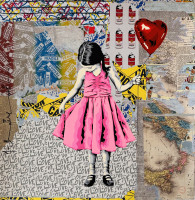
Smile, 2024
Painting
Mixed Media
EUR 6,000
Mr. Brainwash
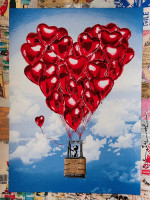
Beautiful Girl, 2024
Painting
Mixed Media
EUR 6,000
Mr. Brainwash
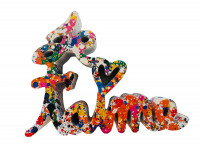
Love Above All, 2024
Painting
Mixed Media
EUR 7,200
Mr. Brainwash
Je T'aime (Splash), 2018
Sculpture / Object
Resin
EUR 3,000
Mr. Brainwash
Miles Davis (Red, Yellow), 2015
Limited Edition Print
Screen-print
EUR 2,500
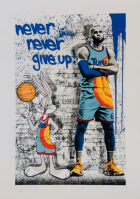
Mr. Brainwash
Tune Squad, 2021
Limited Edition Print
Screen-print
EUR 3,800
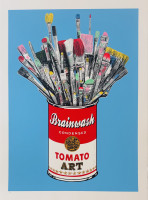
Mr. Brainwash
Tomato Pop (Blue), 2023
Limited Edition Print
Screen-print
EUR 3,500
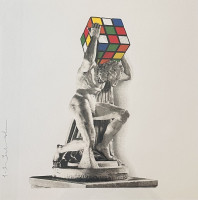
Mr. Brainwash
Rubik's Atlas, 2021
Limited Edition Print
Screen-print
EUR 1,800

Mr. Brainwash
The King Pele - Brush Portrait, 2016
Limited Edition Print
Screen-print
USD 2,300

Mr. Brainwash
Playing Cowboy, 2020
Limited Edition Print
Screen-print
USD 3,450

Mr. Brainwash
Happy Birthday To Me, 2019
Limited Edition Print
Screen-print
USD 3,200

Mr. Brainwash
Shero, 2020
Limited Edition Print
Screen-print
EUR 2,950

Mr. Brainwash
Flowarh$ (Variation Red), 2021
Limited Edition Print
Screen-print
EUR 2,500

Mr. Brainwash
Flowarh$ (Variation Blue), 2021
Limited Edition Print
Screen-print
EUR 2,500

Mr. Brainwash
Hollywood, 2016
Limited Edition Print
Screen-print
USD 1,600

Mr. Brainwash
Aquaman, 2018
Limited Edition Print
Screen-print
EUR 3,700

Mr. Brainwash
The Joker, 2019
Limited Edition Print
Screen-print
EUR 3,500

Mr. Brainwash
All You Need Is He(Art), 2021
Limited Edition Print
Screen-print
USD 1,200

Mr. Brainwash
Heart, 2014
Limited Edition Print
Screen-print
USD 3,100

Mr. Brainwash
The World Is Beautiful (Pink), 2020
Limited Edition Print
Screen-print
USD 10,750

Mr. Brainwash
Michael Jackson Marilyn Wig, 2010
Limited Edition Print
Screen-print
USD 3,900

Mr. Brainwash
ART IS NOT A CRIME (Chrome Blue, 2021
Sculpture / Object
Acrylic Sculpture
USD 1,790

Mr. Brainwash
Superheroes (BLUE), 2018
Limited Edition Print
Serigraph
USD 1,850

Mr. Brainwash
Watch Out! (Large Red), 2019
Limited Edition Print
Screen-print
USD 12,100

Mr. Brainwash
Marilyn Monroe, 2017
Limited Edition Print
Screen-print
Inquire For Price

Mr. Brainwash
Collage From Marilyn POPfolio, 2022
Limited Edition Print
Screen-print
USD 2,750

Mr. Brainwash
Madonna, 2011
Limited Edition Print
Monoprint
Inquire For Price

Mr. Brainwash
Street Connoisseur Follow Your Dreams Red, 2022
Limited Edition Print
Mixed Media
USD 4,300

Mr. Brainwash
Love Is The Answer (Pink), 2022
Limited Edition Print
Screen-print
USD 1,990

Mr. Brainwash
Rolls Royce, 2017
Limited Edition Print
Screen-print
Inquire For Price

Mr. Brainwash
Rubik's Victory, 2020
Limited Edition Print
Screen-print
USD 1,200

Mr. Brainwash
My First Concert, 2010
Limited Edition Print
Screen-print
EUR 1,750

Mr. Brainwash
Love Splash, 2010
Limited Edition Print
Screen-print
USD 5,900

Mr. Brainwash
Follow Your Dream (Martin Luther King Jr. And Malcolm X), 2008
Limited Edition Print
Screen-print
USD 4,325

Mr. Brainwash
All You Need Is Love (Lennon), 2010
Limited Edition Print
Silkscreen
USD 4,735

Mr. Brainwash
Mondrian, 2019
Limited Edition Print
Screen-print
USD 2,350

Mr. Brainwash
We Are All In This Together (Blue), 2017
Limited Edition Print
Silkscreen
Inquire For Price

Mr. Brainwash
VW Beetle Blue, 2020
Limited Edition Print
Screen-print
EUR 2,500

Mr. Brainwash
VW Beetle Pink, 2020
Limited Edition Print
Screen-print
EUR 2,500

Mr. Brainwash
Stay Strong Germany, 2020
Limited Edition Print
Silkscreen
EUR 1,600

Mr. Brainwash
American Hero (Ali), 2019
Limited Edition Print
Serigraph
Inquire For Price

Mr. Brainwash
Stairway To London, 2009
Limited Edition Print
Lithograph
USD 4,620

Mr. Brainwash
Big Ben, 2009
Limited Edition Print
Mixed Media
USD 4,850

Mr. Brainwash
Superheroes (red), 2018
Limited Edition Print
Serigraph
Inquire For Price

Mr. Brainwash
Banksy Thrower And Einstein, 2014
Painting
Mixed Media
USD 64,000 - 84,000

Mr. Brainwash
Untitled (Paintbrush), 2014
Limited Edition Print
Screen-print
EUR 3,900

Mr. Brainwash
Nepal Relief Fundraiser, 2015
Limited Edition Print
Screen-print
Inquire For Price

Mr. Brainwash
A Good Day's Flight, 2009
Limited Edition Print
Lithograph
USD 4,850

Mr. Brainwash
Lichtenline, 2009
Limited Edition Print
Screen-print
USD 7,800

Mr. Brainwash
Life Is Beautiful III (RED), 2022
Sculpture / Object
Metal
Currently Not Available

Mr. Brainwash
Cadillac King, 2019
Limited Edition Print
Serigraph
Currently Not Available

Mr. Brainwash
Love Is The Answer, 2018
Limited Edition Print
Screen-print
Currently Not Available

Mr. Brainwash
Speak From The Heart (Never Give Up), 2018
Limited Edition Print
Mixed Media
Currently Not Available
Related Artists



Related Articles

Popular, Artists, Art Movements - February 29, 2024
The World's 10 Most Influential Street Artists: Urban Canvases
Explore the world’s most influential street artists who transformed urban landscapes. Discover their iconic works and lasting impact on contemporary art. Read More

What is graffiti art?
Graffiti art refers to drawings and writings that are painted, scratched, or scribbled on walls or other surfaces, typically in public spaces. This art form ranges from small tags to elaborate wall paintings. Graffiti has been in existence since ancient times, with examples dating back to the Roman Empire, Ancient Greece, and Ancient Egypt.