
Thank You, 2021
Form
Medium
Size
- Inches
- Centimeters
Edition
Price
- Authenticity Guaranteed
- Insured Shipping
- Online Since 2005
Mel Bochner
Private Listing
Limited Edition Print
request info
Mel Bochner
Private Listing
Limited Edition Print
request info
Mel Bochner
Private Listing
Limited Edition Print
request info
Mel Bochner
Private Listing
Limited Edition Print
request info
Mel Bochner
Private Listing
Limited Edition Print
request info

Mel Bochner
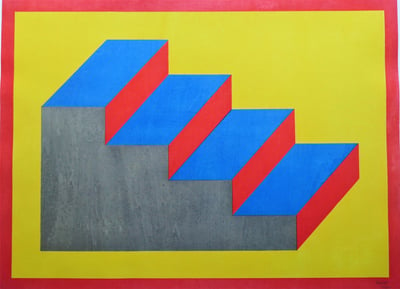
Untitled (Four X Four X Four), 1990
Limited Edition Print
Screen-print
USD 1,450
Mel Bochner
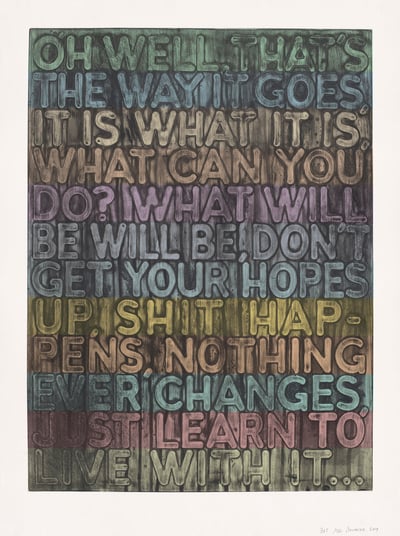
Oh Well, 2019
Limited Edition Print
Mixed Media
EUR 12,000
Mel Bochner
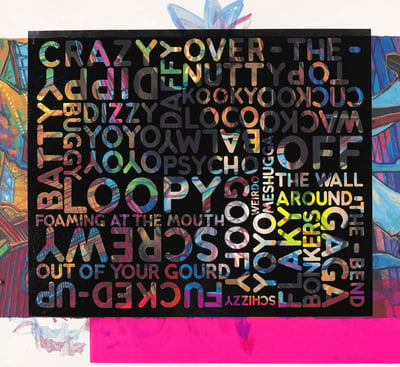
Crazy (With background Noise) , 2018
Limited Edition Print
Screen-print
EUR 9,000
Mel Bochner
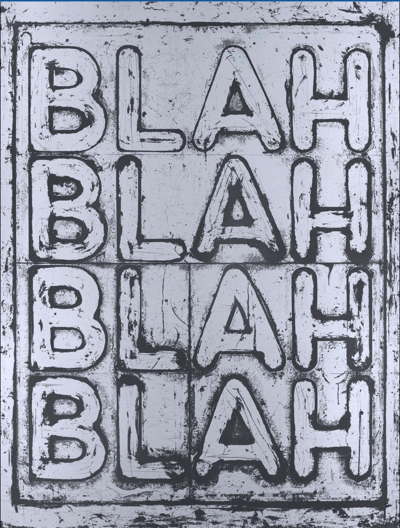
Blah Blah Blah (Inverse), 2022
Limited Edition Print
Silkscreen
Currently Not Available
Related Artists


Related Articles

Popular, Art Movements - May 1, 2022
Understanding Conceptual Art and how to appraise it
Explore the essence of Conceptual Art, its origins, and its focus on ideas over objects. Learn how to appreciate and appraise this transformative art movement.Read More
Popular, Artists, Collecting - August 20, 2026
Collecting Gerhard Richter Editions: A Guide for New and Seasoned Collectors
Learn how to collect Gerhard Richter editions: catalogue references, signatures, facsimile objects, condition, provenance and secondary-market buying.Read More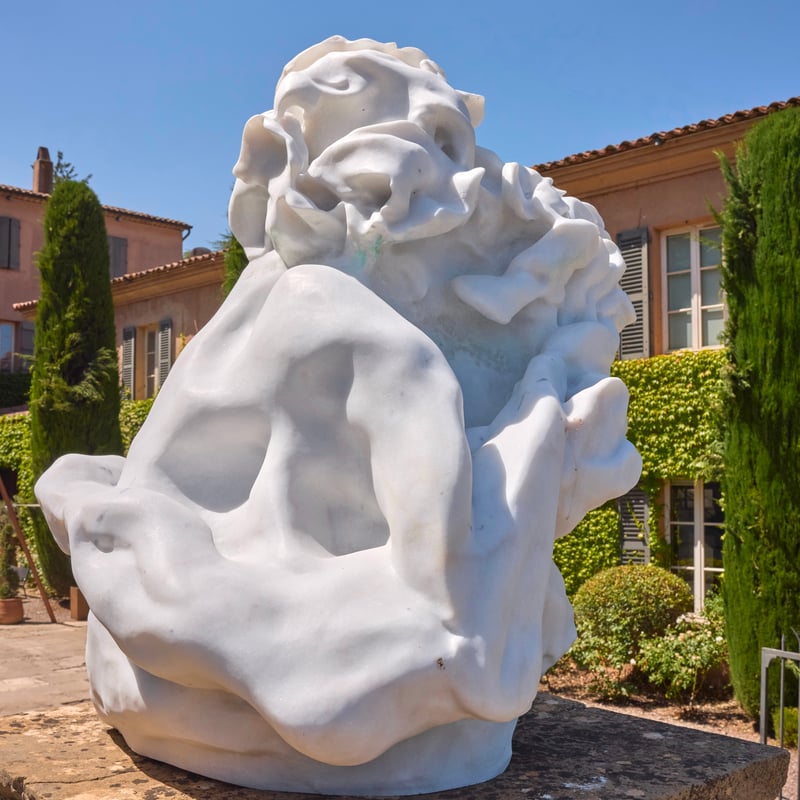
Popular, News, Artists, Collecting - August 12, 2026
In Minor Keys: Finding Intimacy and Identity at the 61st Venice Biennale — and in Your Collection
Explore how Koyo Kouoh’s 61st Venice Biennale vision, In Minor Keys, is shifting contemporary collecting toward quiet introspection, memory, and personal identity.Read More
What is Lettrism?
Lettrism is an art form that uses letters, words, and symbols to create artwork. The movement was established in Paris in the 1940s and later gained popularity in the 1950s in America. Lettrisme is the French spelling of the movement's name, derived from the French word for letter.


