
Still Life II (V), 1986
Form
Medium
Size
- Inches
- Centimeters
Edition
Price
- USD
- EUR
- GBP
- CHF
- Authenticity Guaranteed
- Insured Shipping
- Online Since 2005

Manolo Valdés
Mujer con periodico - Warhol, 2012
Limited Edition Print
Collage
EUR 4,700
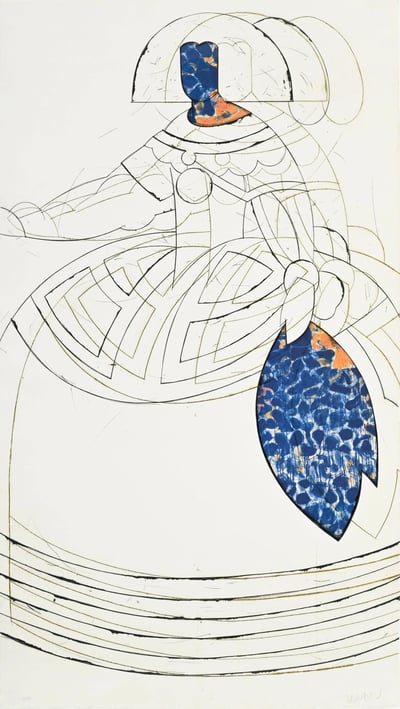
Manolo Valdés
Reina Mariana VIII, 2000
Limited Edition Print
Collage
EUR 22,350
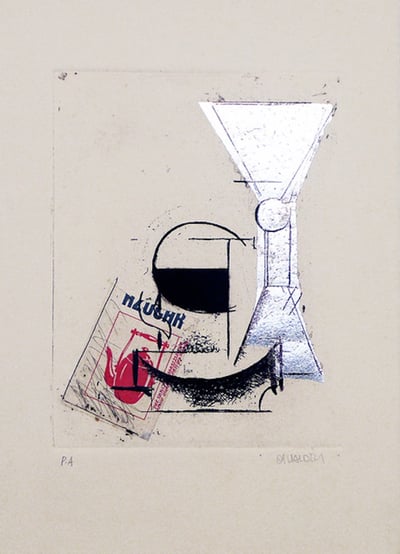
Manolo Valdés
Still Life II (V), 1986
Limited Edition Print
Etching
EUR 1,550
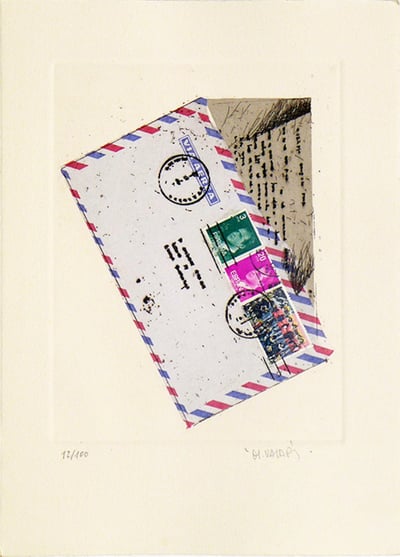
Manolo Valdés
Still Life I, 1986
Limited Edition Print
Etching
EUR 1,550
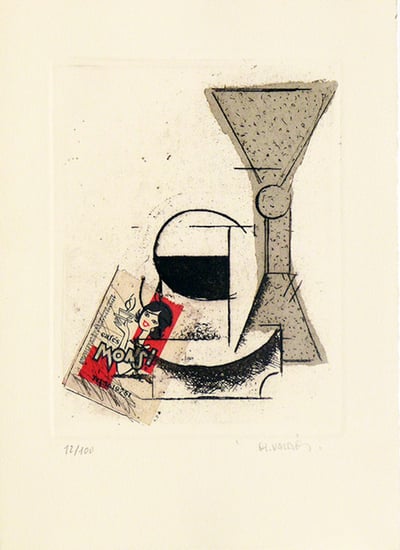
Manolo Valdés
Still Life II, 1986
Limited Edition Print
Etching
EUR 1,550
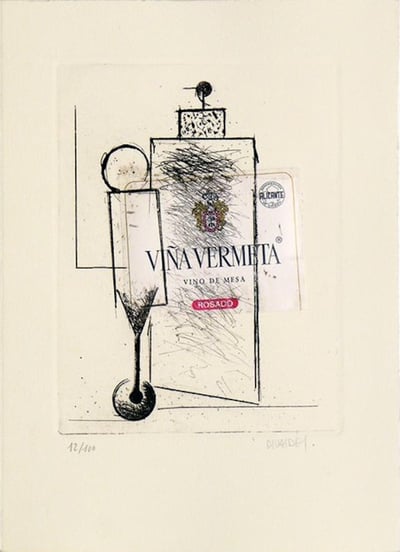
Manolo Valdés
Still Life IV, 1986
Limited Edition Print
Etching
EUR 1,550
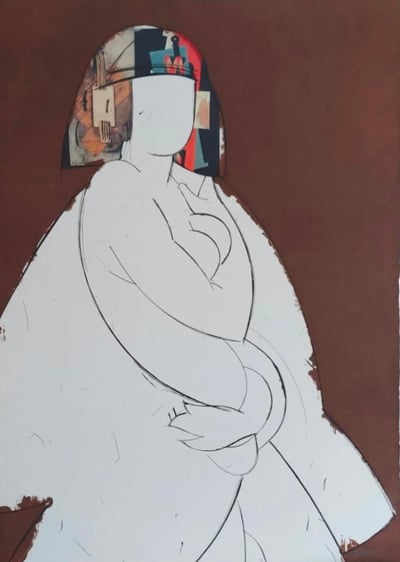
Manolo Valdés
Helene II, 2004
Limited Edition Print
Collage
EUR 9,600
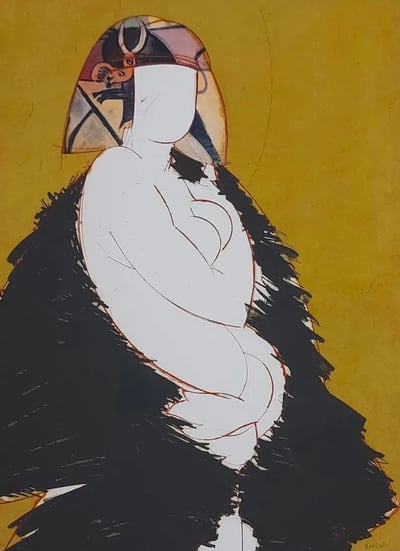
Manolo Valdés
Helene I, 2004
Limited Edition Print
Collage
EUR 9,600
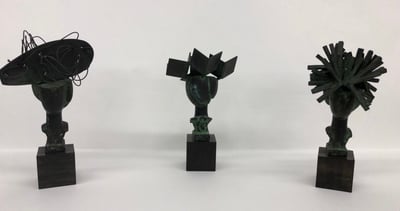
Manolo Valdés
Las Damas De Barajas, 2006
Sculpture / Object
Bronze
EUR 23,890

Manolo Valdés
La Donna Italiana (Helene), 2005
Limited Edition Print
Collage
EUR 4,375
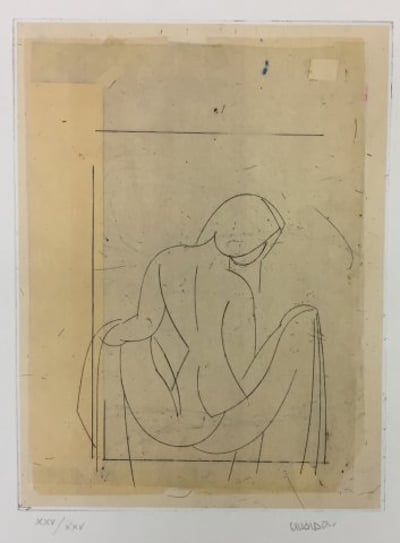
Manolo Valdés
Desnudo I, 2002
Limited Edition Print
Etching
EUR 1,875
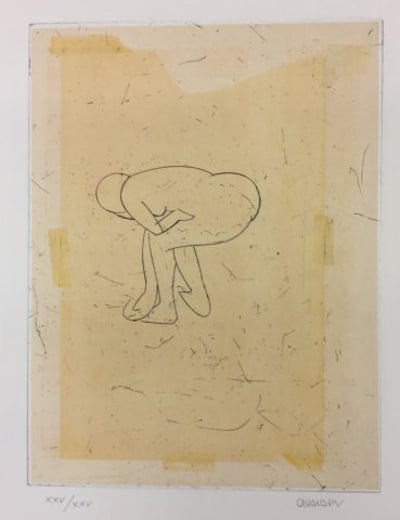
Manolo Valdés
Desnudo VI, 2002
Limited Edition Print
Etching
EUR 1,900
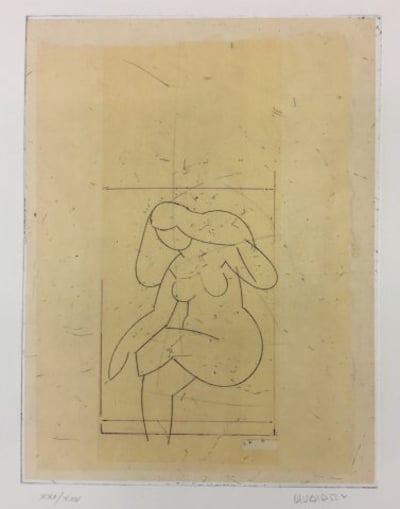
Manolo Valdés
Desnudo XIII, 2002
Limited Edition Print
Etching
EUR 1,875

Manolo Valdés
Still Life III, 1986
Limited Edition Print
Etching
EUR 1,550

Manolo Valdés
Still Life V, 1986
Limited Edition Print
Etching
EUR 1,550

Manolo Valdés
Still Life VI, 1986
Limited Edition Print
Etching
EUR 1,570
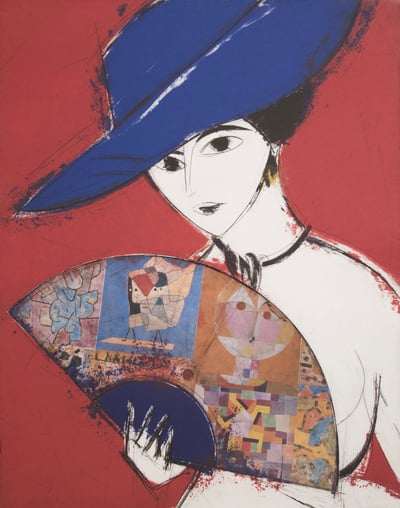
Manolo Valdés
Dama con sombrero (Pamela I), 2013
Limited Edition Print
Collage
Currently Not Available

Manolo Valdés
Retratro de mujer con mantilla, 1992
Limited Edition Print
Mixed Media
Currently Not Available

Manolo Valdés
Eva III, 1993
Limited Edition Print
Mixed Media
Currently Not Available
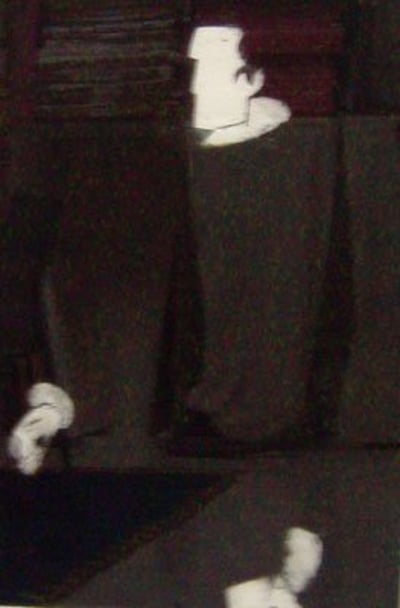
Manolo Valdés
Condeduque, 1987
Limited Edition Print
Etching
Currently Not Available
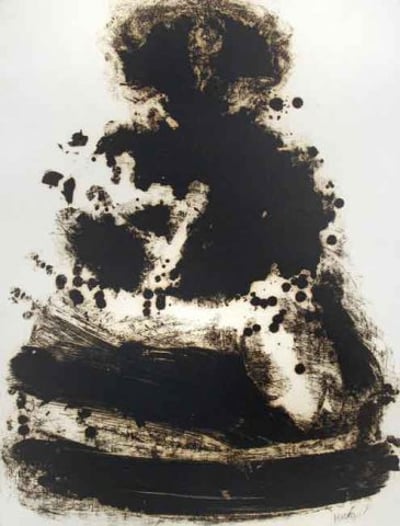
Manolo Valdés
Las Meninas #4, 2000
Limited Edition Print
Etching
Currently Not Available
Related Artists
Related Articles
Popular, Art Movements - May 1, 2020
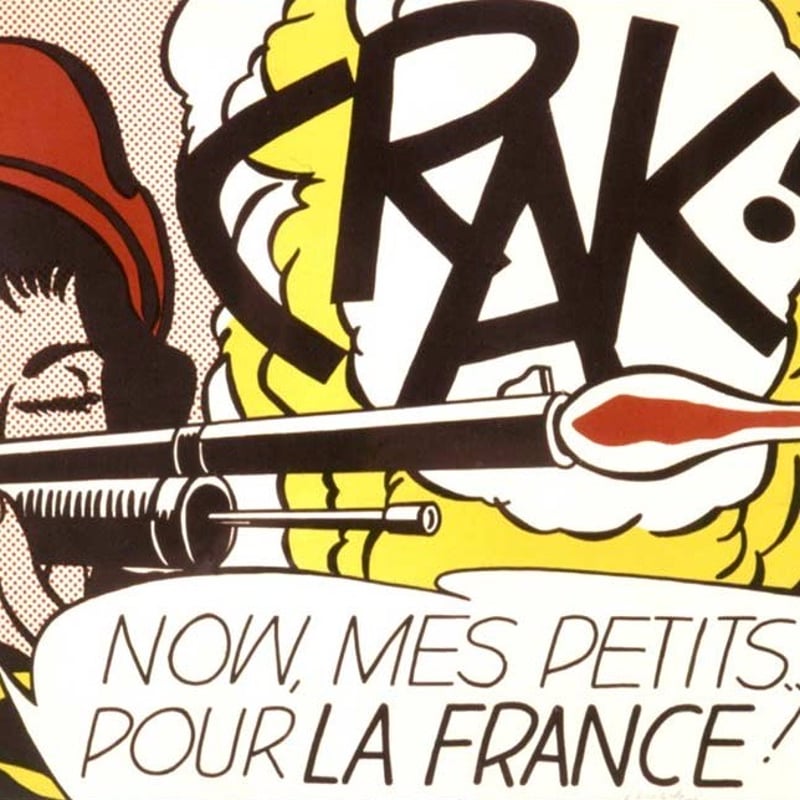
Reinvention of the Art world: The Insurgency of Pop Art
Explore the rise of Pop Art, from its roots in 1950s Britain to its global impact. Discover iconic works by Warhol, Lichtenstein, and others redefining culture.Read More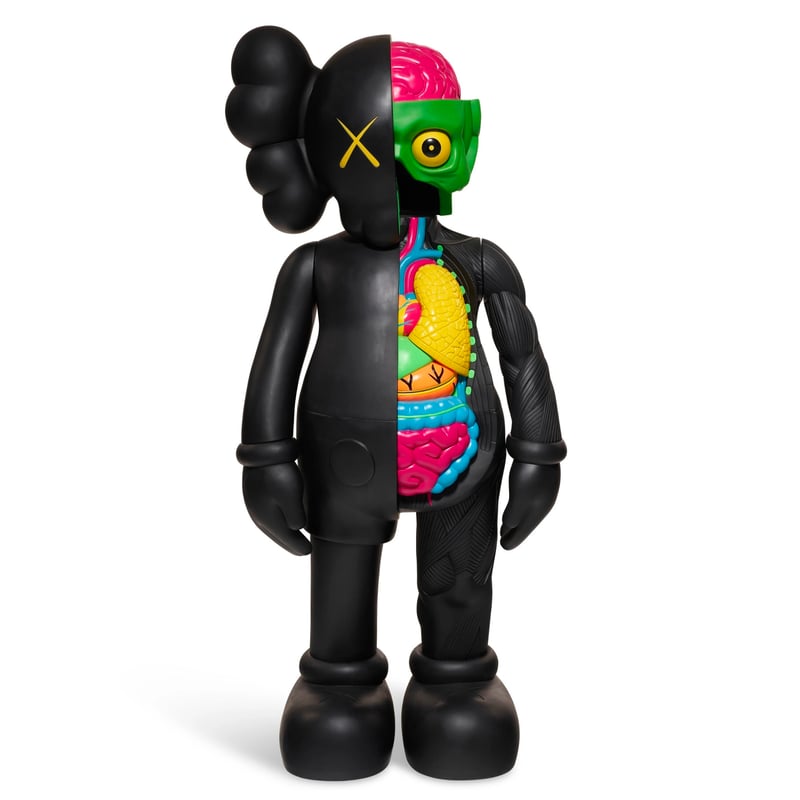

What is contemporary art?
Contemporary art refers to avant-garde or innovative art created in the recent past or present day. The exact starting point of contemporary art varies depending on the institution, often tied to the founding year of museums or galleries that showcase the style. Contemporary art is characterized by its focus on current ideas, diverse media, and the exploration of new concepts and techniques.
Manolo Valdés
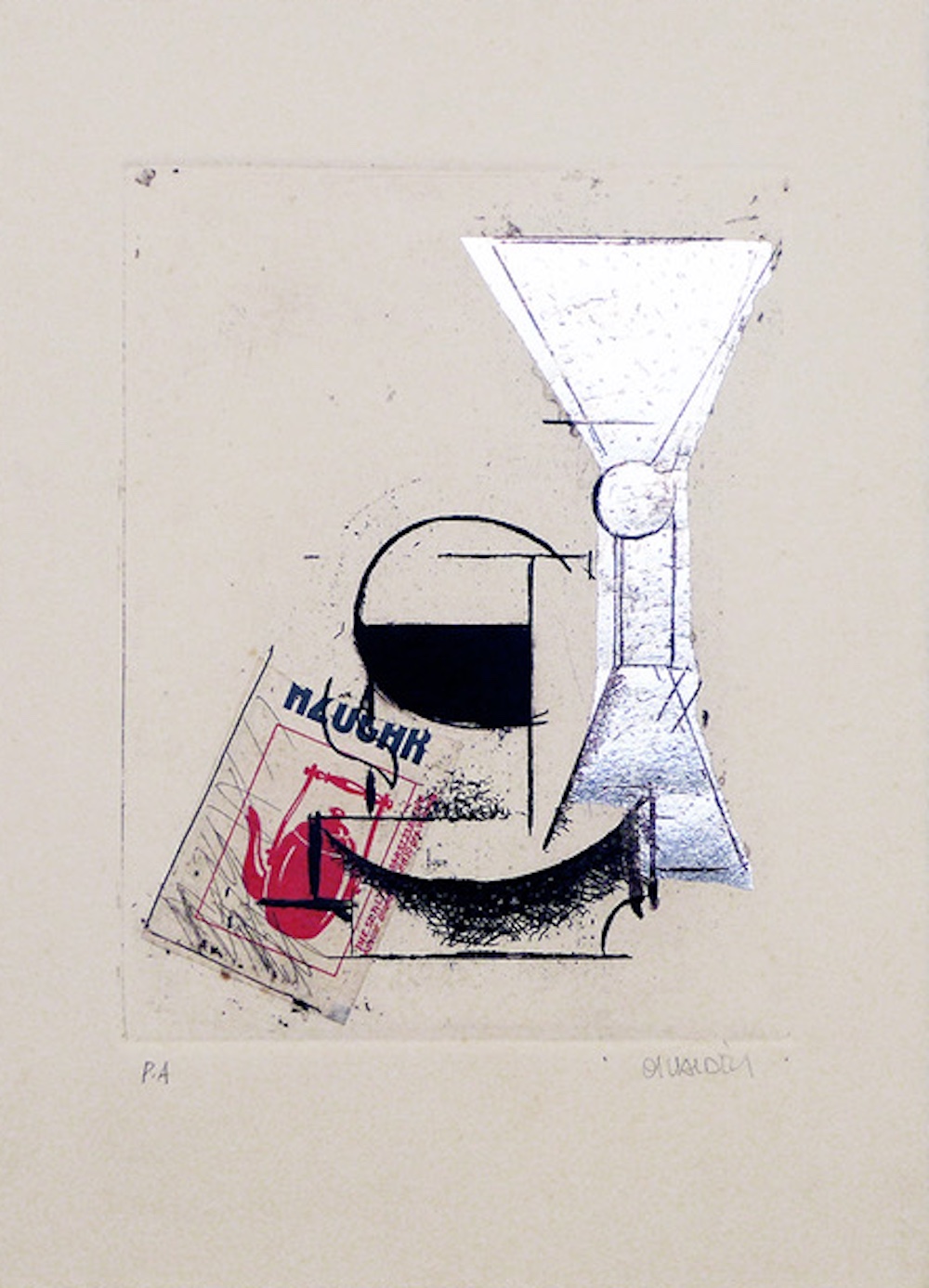
Still Life II (V), 1986
32 x 23.5 cm


