Details
Artist
Styles
3d construction // SB II by Ludwig Wilding, created in 1986, is a three-dimensional object that reflects the artist's mastery of optical art. This piece plays with visual perception through intricate geometric patterns and alternating black and white stripes, creating a compelling illusion of depth and movement. As the viewer changes position, the patterns seem to shift dynamically, exemplifying Wilding's interest in the interaction between art and observer. The work’s minimalistic color scheme emphasizes the optical effects, making it a captivating study of perspective and form. Part of a limited edition of 100, SB II is both a collectible object and a testament to Wilding’s innovative contributions to kinetic and optical art.
SB II, 1986
form
Medium
Size
28 x 28 X 6 cm
- Inches
- Centimeters
Edition
Price
- USD
- EUR
- GBP
Details
Artist
Styles
3d construction // SB II by Ludwig Wilding, created in 1986, is a three-dimensional object that reflects the artist's mastery of optical art. This piece plays with visual perception through intricate geometric patterns and alternating black and white stripes, creating a compelling illusion of depth and movement. As the viewer changes position, the patterns seem to shift dynamically, exemplifying Wilding's interest in the interaction between art and observer. The work’s minimalistic color scheme emphasizes the optical effects, making it a captivating study of perspective and form. Part of a limited edition of 100, SB II is both a collectible object and a testament to Wilding’s innovative contributions to kinetic and optical art.
- Recently Added
- Price (low-high )
- Price (high-low )
- Year (low-high )
- Year (high-low )

Ludwig Wilding
SBST 2827, 1993
Sculpture / Object
Object
EUR 1,500

Ludwig Wilding
SBST 2838, 2000
Sculpture / Object
Object
EUR 1,500

Ludwig Wilding
SBST 2823, 1993
Sculpture / Object
Object
EUR 1,500

Ludwig Wilding
SB II, 1986
Sculpture / Object
Object
EUR 1,500

Ludwig Wilding
SBST 2818, 1986
Sculpture / Object
Object
EUR 1,500

Ludwig Wilding
SBT 2835, 1998
Sculpture / Object
Object
EUR 1,500

Ludwig Wilding
SBST 2839, 2001
Limited Edition Print
Mixed Media
EUR 1,500
Related Artists


Related Articles
Popular, Collecting - July 23, 2025
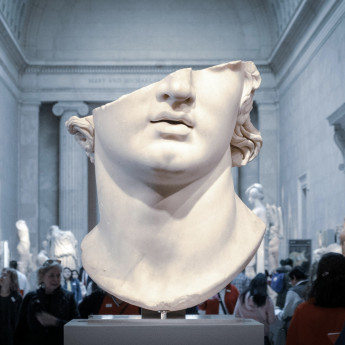
Sculpture Care and Display: From Plinths to Pedestals in Your Home
Learn how to display and care for sculpture at home—from lighting tips to material care—so your art can truly shine in any space. Read More

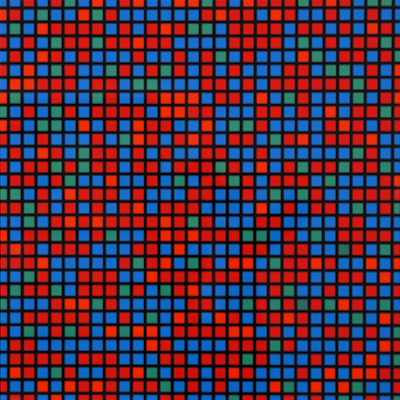
What is geometric abstract art?
Geometric abstraction is a form of abstract art that uses geometric shapes arranged in a non-illusionistic space (though not always) and combined into non-representational (non-objective) compositions. Based on years of artistic research, some artists have proposed that geometric abstraction offers a solution to modern challenges by rejecting traditional illusionistic practices in favor of clarity and simplicity.