Details
Artist
Styles
Metalized Porcelain - Signature and edition number fired into rear of piece - Published by the Metropolitan Museum of Contemporary Art // Jeff Koons' Blue Balloon Dog (2002) is a sculptural piece made of metallized porcelain, capturing the playful form of a balloon animal, one of Koons’ most recognizable motifs. The reflective, vibrant blue surface gives the illusion of an inflatable balloon, yet the use of porcelain elevates the everyday object into the realm of fine art. The round dish showcases the balloon dog in a simple but iconic pose, highlighting Koons' exploration of popular culture, mass production, and high art. This piece, published by the Metropolitan Museum of Contemporary Art, blurs the boundaries between kitsch and sophistication, turning a fleeting childhood toy into a permanent, luxurious object.
Blue Balloon Dog, 2002
form
Medium
Size
26.7 x 26.7 cm
- Inches
- Centimeters
Edition
Price
- USD
- EUR
- GBP
Details
Artist
Styles
Metalized Porcelain - Signature and edition number fired into rear of piece - Published by the Metropolitan Museum of Contemporary Art // Jeff Koons' Blue Balloon Dog (2002) is a sculptural piece made of metallized porcelain, capturing the playful form of a balloon animal, one of Koons’ most recognizable motifs. The reflective, vibrant blue surface gives the illusion of an inflatable balloon, yet the use of porcelain elevates the everyday object into the realm of fine art. The round dish showcases the balloon dog in a simple but iconic pose, highlighting Koons' exploration of popular culture, mass production, and high art. This piece, published by the Metropolitan Museum of Contemporary Art, blurs the boundaries between kitsch and sophistication, turning a fleeting childhood toy into a permanent, luxurious object.
- Recently Added
- Price (low-high )
- Price (high-low )
- Year (low-high )
- Year (high-low )

Jeff Koons
Balloon Venus Dom Perignon, 2013
Sculpture / Object
Resin
USD 50,000 - 70,000

Jeff Koons
Balloon Dog (Blue), 2021
Sculpture / Object
Porcelain
Inquire For Price

Jeff Koons
Split-Rocker (Vase), 2012
Sculpture / Object
Porcelain
EUR 3,000

Jeff Koons
Diamond (Red), 2020
Sculpture / Object
Mixed Media
EUR 18,000

Jeff Koons
Balloon Animals, Set I, 2017
Sculpture / Object
Porcelain
EUR 45,000

Jeff Koons
Balloon Animals (Collector´s Set), 2017-2019
Sculpture / Object
Porcelain
EUR 95,000

Jeff Koons
Balloon Monkey (Orange), 2019
Sculpture / Object
Porcelain
USD 12,000

Jeff Koons
Balloon Monkey (Blue), 2017
Sculpture / Object
Porcelain
USD 12,000

Jeff Koons
Balloon Swan (Yellow), 2017
Sculpture / Object
Porcelain
EUR 14,000

Jeff Koons
Balloon Dog (Magenta), 2015
Sculpture / Object
Porcelain
EUR 8,500

Jeff Koons
Balloon Dog (Orange), 2015
Sculpture / Object
Porcelain
EUR 9,000

Jeff Koons
Balloon Dog (Yellow), 2015
Sculpture / Object
Porcelain
EUR 9,000

Jeff Koons
Balloon Animals, Set II, 2019
Sculpture / Object
Porcelain
EUR 38,000

Jeff Koons
Blue Balloon Dog, 2002
Sculpture / Object
Porcelain
USD 17,750

Jeff Koons
Red Balloon Dog, 1995
Sculpture / Object
Porcelain
USD 21,200

Jeff Koons
Monkey Train (Blue), 2007
Limited Edition Print
Silkscreen
USD 30,000 - 40,000

Jeff Koons
Ballon Dogs - Set Of 3, 2015 -2017
Sculpture / Object
Porcelain
USD 30,000 - 40,000

Jeff Koons
Balloon Rabbit (Red), 2017
Sculpture / Object
Porcelain
EUR 20,000 - 30,000

Jeff Koons
Seated Ballerina, 2015
Sculpture / Object
Wood
EUR 85,000 - 100,000

Jeff Koons
Diamond (Blue), 2023
Sculpture / Object
Porcelain
USD 16,500

Jeff Koons
Balloon Swan (Magenta), 2019
Sculpture / Object
Porcelain
USD 11,900

Jeff Koons
Balloon Rabbit (Violet), 2019
Sculpture / Object
Mixed Media
USD 11,900

Jeff Koons
Dolphin Saddle, 2009
Limited Edition Print
Lithograph
GBP 10,700

Jeff Koons
Fisherman Golfer, 1986
Limited Edition Print
Lithograph
Artwork On Hold
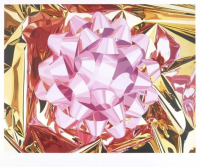
Jeff Koons
Pink Bow - Celebration Series, 2013
Limited Edition Print
Inkjet Print
Currently Not Available

Jeff Koons
Loopy, 2000
Limited Edition Print
Digital Print On Paper
Currently Not Available
Related Artists

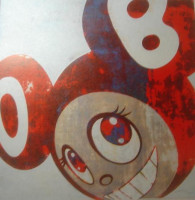


Related Articles

Artists - November 07, 2024
Koons: The Balloon Animal Editions (1995-2023): A Technical and Market Analysis
Analyze Jeff Koons' iconic Balloon Animal editions (1995–2023). Discover their artistic, technical, and market evolution, from concept to collector status. Read More
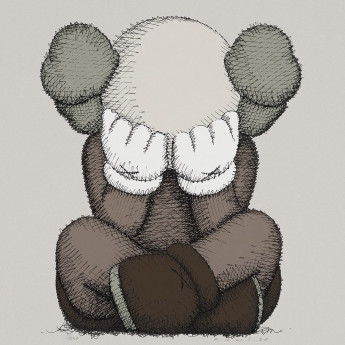
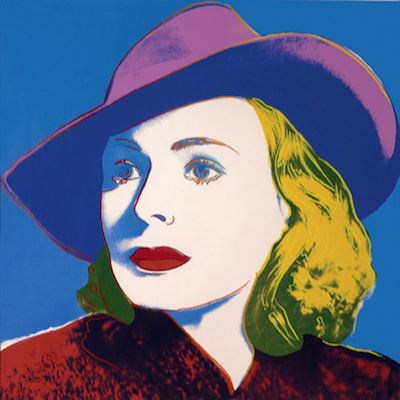
What is pop-art?
Pop Art is an art movement that began in Britain in 1955 and in the late 1950s in the U.S. It challenged traditional fine arts by incorporating imagery from popular culture, such as news, advertising, and comic books. Pop Art often isolates and recontextualizes materials, combining them with unrelated elements. The movement is more about the attitudes and ideas that inspired it than the specific art itself. Pop Art is seen as a reaction against the dominant ideas of Abstract Expressionism, bringing everyday consumer culture into the realm of fine art.