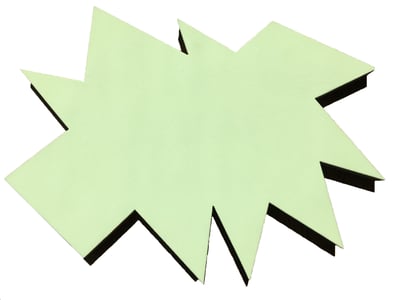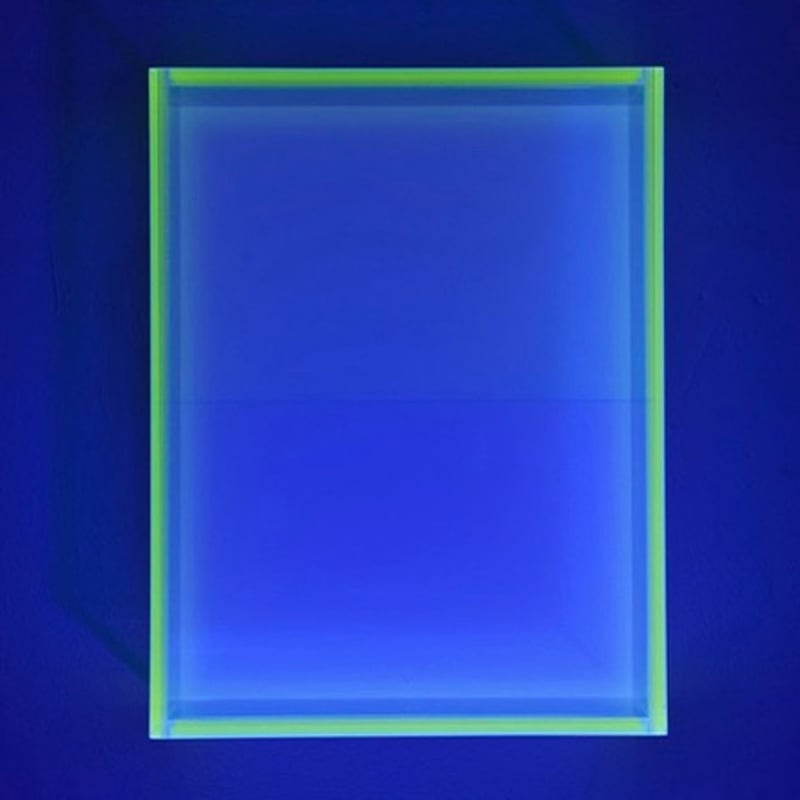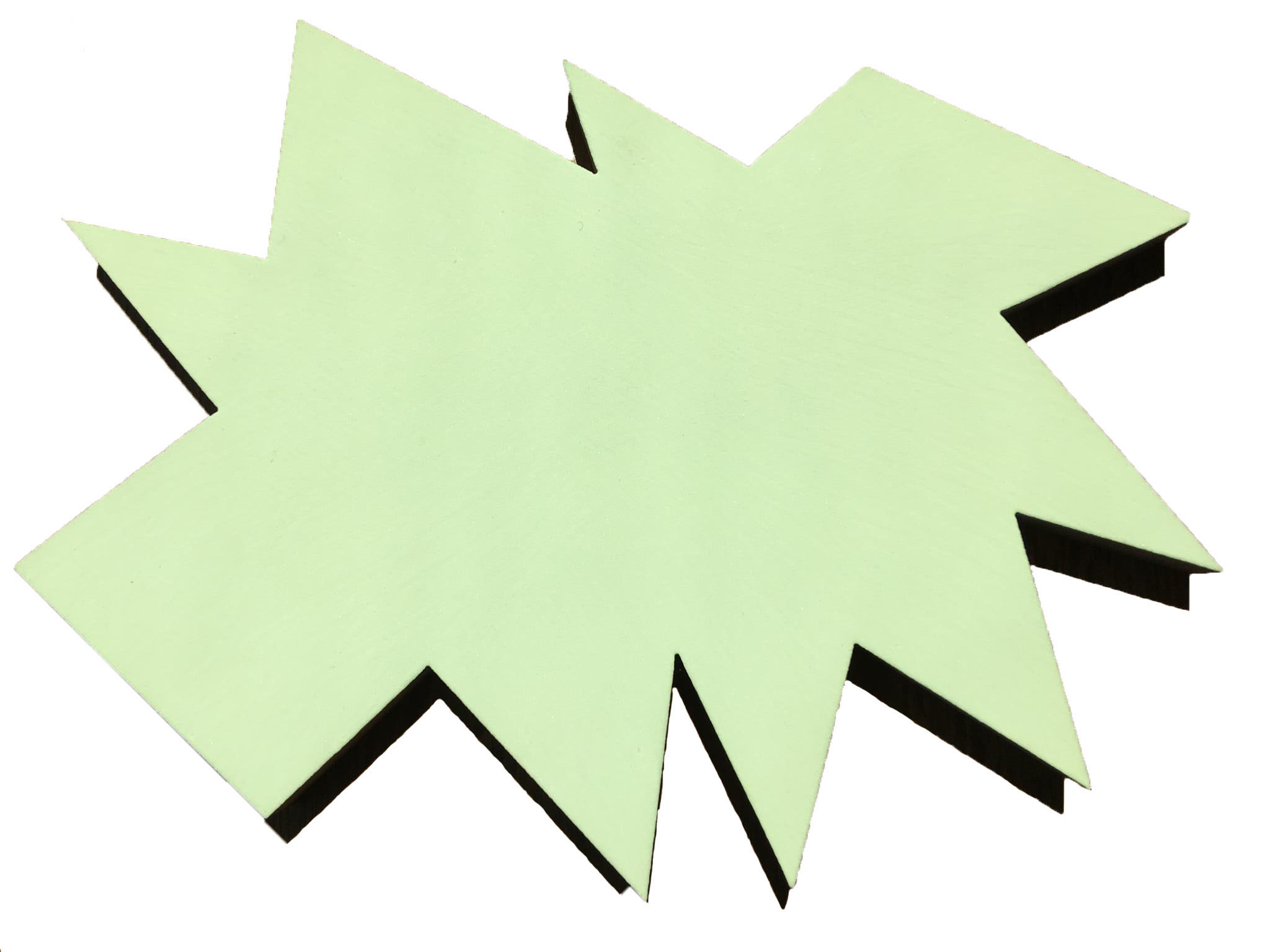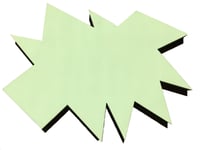
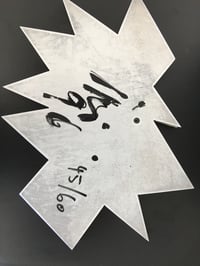
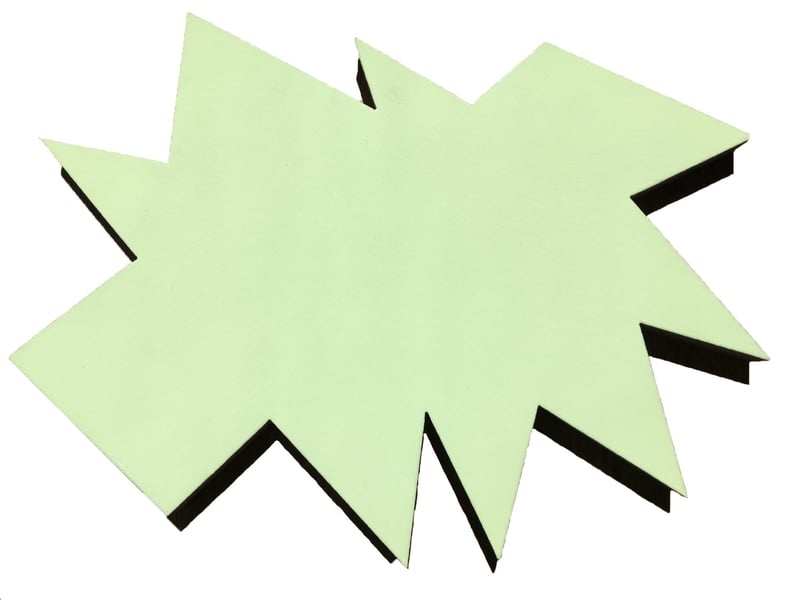
Canapé Enfant by Imi Knoebel is a mixed media artwork from 1996, featuring acrylic on aluminum in a striking phosphor green hue. This piece takes on a dynamic, jagged form, with sharp angular edges that give it a bold, sculptural presence. The irregular, star-like shape appears as if it’s bursting or radiating, with shadows emphasizing its three-dimensional quality. Knoebel, known for his minimalist and abstract aesthetic, uses color and shape to create a sense of playful energy and spatial tension. The phosphor green adds a bright, almost neon intensity, drawing attention to the artwork’s bold simplicity and modern design.
Imi Knoebel (Germany, 1940) is a prominent abstract artist associated with minimalism and constructivism. Known for his bold use of color and geometric forms, his works span painting, sculpture, and installation. Influenced by the Bauhaus and his studies with Joseph Beuys, Knoebel's art explores light, space, and materiality.
Mixed MediaMixed media refers to artwork that incorporates more than one medium within a single piece. Unlike multimedia art, which combines distinct forms of visual art and often includes elements like sound, video, or digital media, mixed media focuses on combining traditional art materials, such as paint, ink, and collage. Mixed media art allows artists to achieve a wide range of effects and textures by layering and blending different materials.
Canapé Enfant by Imi Knoebel is a mixed media artwork from 1996, featuring acrylic on aluminum in a striking phosphor green hue. This piece takes on a dynamic, jagged form, with sharp angular edges that give it a bold, sculptural presence. The irregular, star-like shape appears as if it’s bursting or radiating, with shadows emphasizing its three-dimensional quality. Knoebel, known for his minimalist and abstract aesthetic, uses color and shape to create a sense of playful energy and spatial tension. The phosphor green adds a bright, almost neon intensity, drawing attention to the artwork’s bold simplicity and modern design.
Imi Knoebel (Germany, 1940) is a prominent abstract artist associated with minimalism and constructivism. Known for his bold use of color and geometric forms, his works span painting, sculpture, and installation. Influenced by the Bauhaus and his studies with Joseph Beuys, Knoebel's art explores light, space, and materiality.
If you want to stay alive, you have to do something radical.
- Imi Knoebel
Imi Knoebel (b. 1940 Germany) is a German contemporary artist known for his contributions to minimalism and abstract art. Knoebel's work is characterized by its exploration of color, form, and space, often through the use of simple geometric shapes and a restricted color palette. A student of Joseph Beuys at the Kunstakademie Düsseldorf, Knoebel was initially influenced by Constructivism and the Bauhaus, leading him to develop a visual language that emphasizes purity of form and the interaction of shapes within a given space. His work often includes large-scale installations, paintings, and sculptures that challenge the boundaries between painting and sculpture. Knoebel is particularly known for his vibrant use of color in later works, where he expanded his palette to include bright, dynamic hues. His contributions to contemporary art have been widely recognized, with his work exhibited in major museums and galleries around the world, cementing his status as a significant figure in post-war European art.
Minimalism is a style in music and visual arts characterized by pared-down designs and simplicity. It began in Western art after World War II, gaining prominence particularly in American visual arts. Minimalism draws heavily on aspects of modernism and is often viewed as a reaction against Abstract Expressionism, as well as a precursor to post-minimal art practices. Prominent minimalist artists include Agnes Martin, Donald Judd, Robert Morris, Frank Stella, and Dan Flavin.