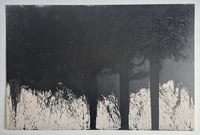
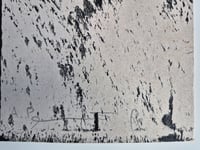
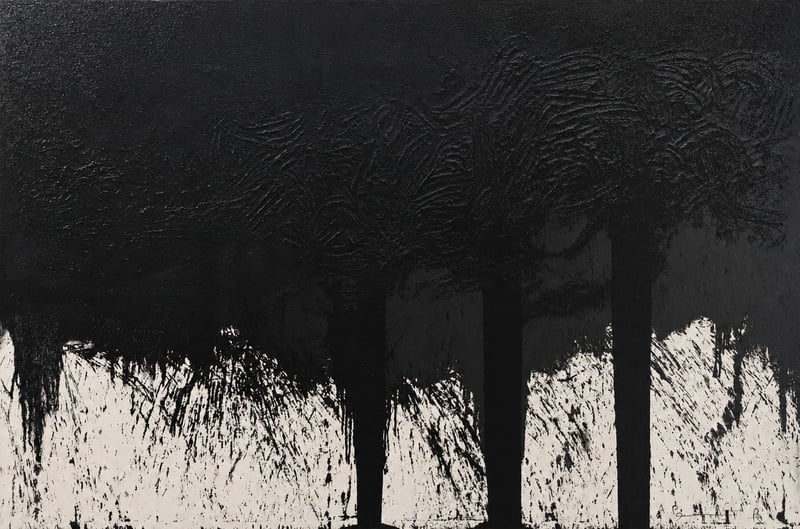
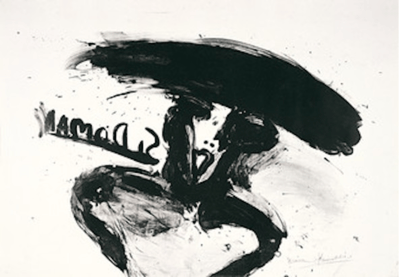
Untitled, 1996
Form
Medium
Size
- Inches
- Centimeters
Edition
Price
- USD
- EUR
- GBP
- CHF
- Authenticity Guaranteed
- Insured Shipping
- Online Since 2005
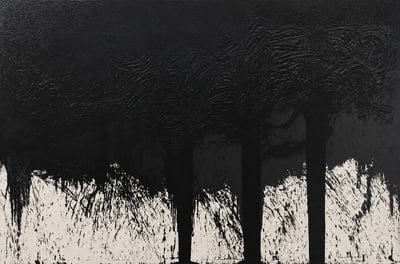
Hermann Nitsch
Untitled, 1996
Limited Edition Print
Screen-print
EUR 4,800
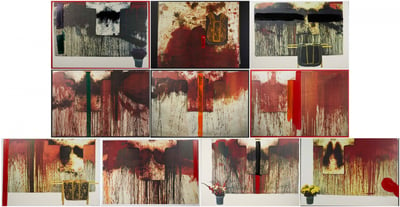
Hermann Nitsch
Domus Jani (10), 1991
Limited Edition Print
Mixed Media
EUR 22,950
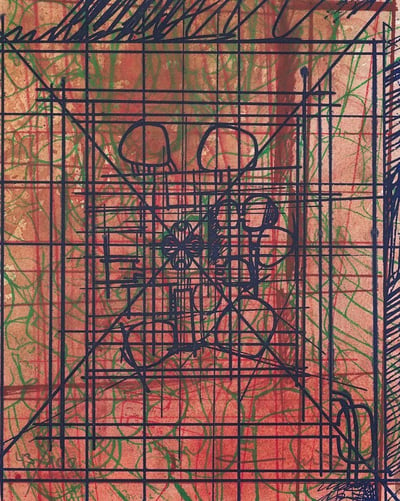
Hermann Nitsch
Das Sechstagespiel des Orgien Mysterien Theaters, 1998
Limited Edition Print
Etching
EUR 1,750
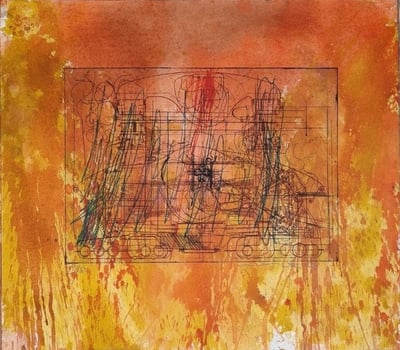
Hermann Nitsch
Untitled (Fiery Resonance), 2006
Limited Edition Print
Lithograph
EUR 3,440
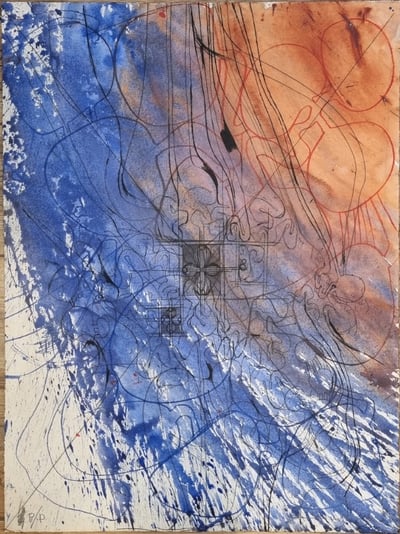
Hermann Nitsch
Untitled (Dual Forces), 2006
Limited Edition Print
Lithograph
EUR 3,900
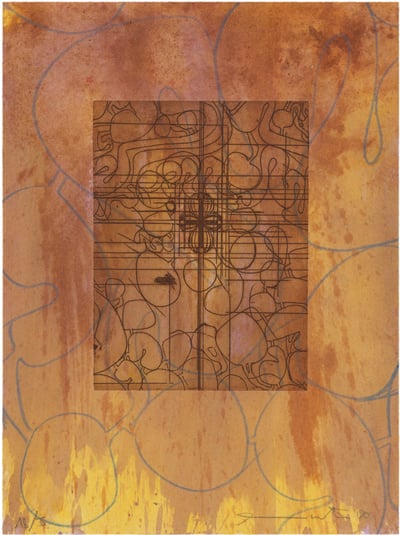
Hermann Nitsch
Untitled (Organic Maze), 2006
Limited Edition Print
Mixed Media
EUR 3,200
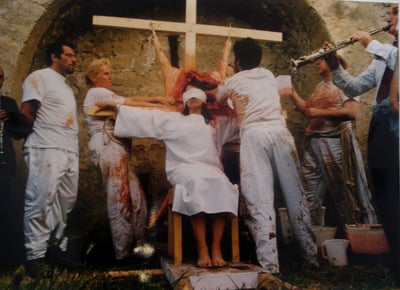
Hermann Nitsch
96 Aktion – Giardini San Martino, Napoli, T, 1996
Photography
Photograph
EUR 1,830
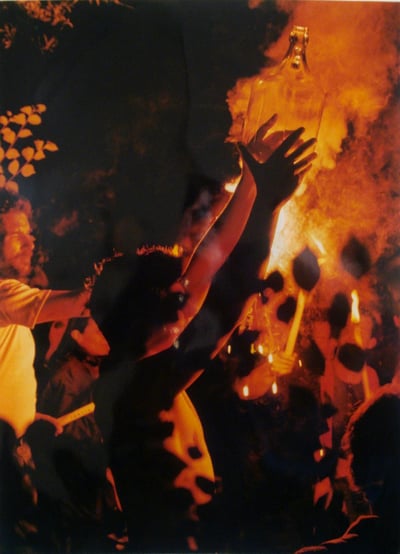
Hermann Nitsch
96 Aktion – Giardini San Martino, Napoli, R, 1996
Photography
Photograph
EUR 1,830
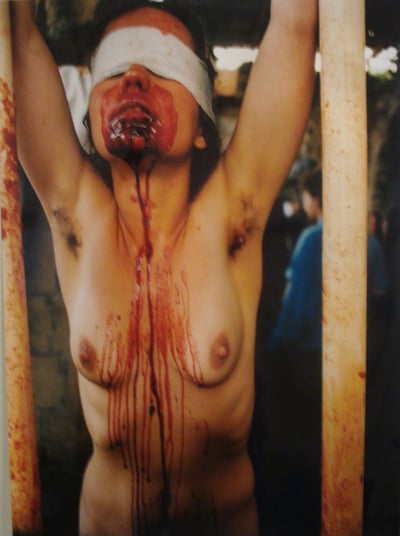
Hermann Nitsch
96 Aktion – Giardini San Martino, Napoli, P, 1996
Photography
Photograph
EUR 1,830
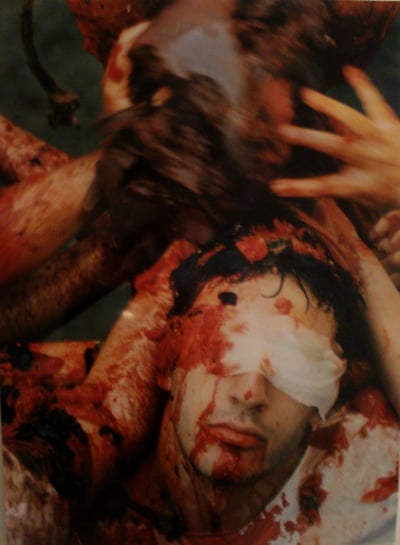
Hermann Nitsch
96 Aktion – Giardini San Martino, Napoli, M, 1996
Photography
Photograph
EUR 1,830
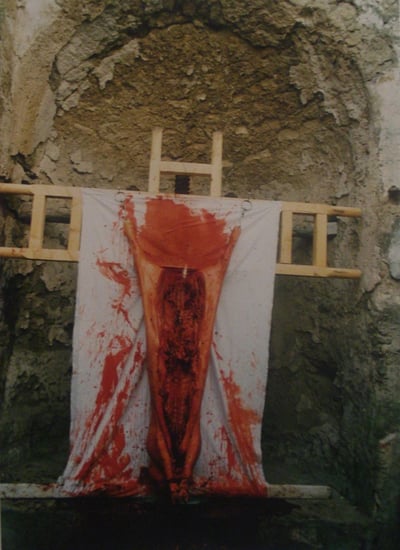
Hermann Nitsch
96 Aktion – Giardini San Martino, Napoli, I, 1996
Photography
Photograph
EUR 1,830
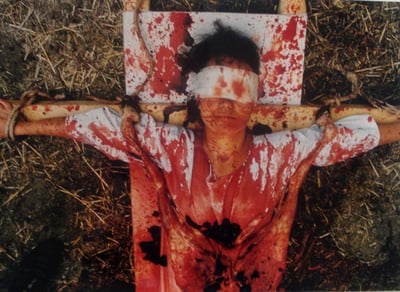
Hermann Nitsch
96 Aktion – Giardini San Martino, Napoli, C, 1996
Photography
Photograph
EUR 1,830
Hermann Nitsch
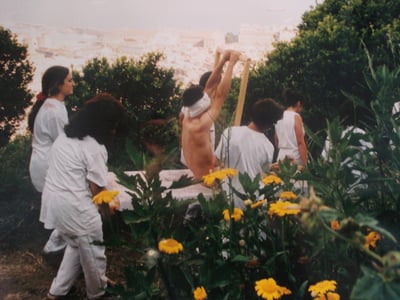
96 Aktion – Giardini San Martino, Napoli, A, 1996
Photography
Photograph
EUR 1,830
Hermann Nitsch
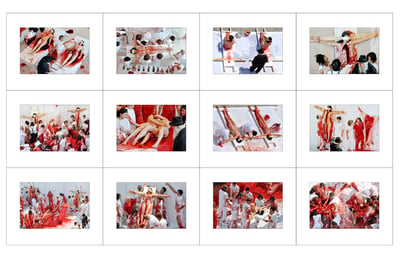
Under My Skin (12), 2010
Photography
Photograph
EUR 3,600
Hermann Nitsch
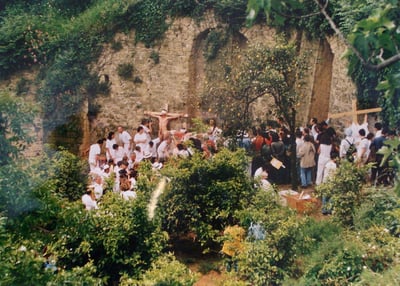
96 Aktion – Giardini San Martino, Napoli, N, 1996
Photography
Photograph
EUR 1,830
Hermann Nitsch
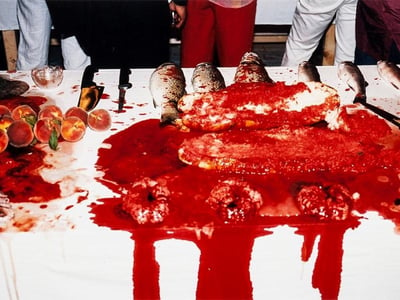
Performance 2003, 2003
Photography
Photograph
EUR 650
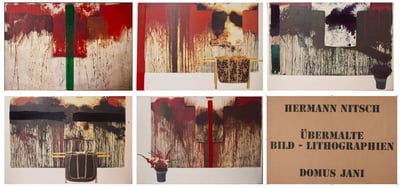
Hermann Nitsch
Ubermalte Bild - Lithographien, Domus Jani, 1991
Limited Edition Print
Lithograph
Currently Not Available
Related Artists
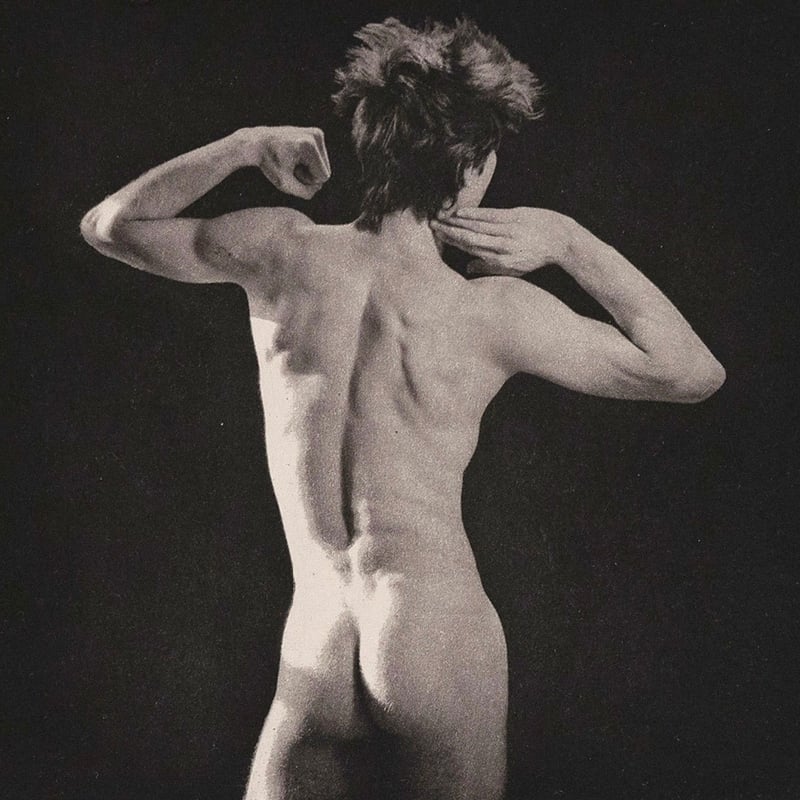
Related Articles
Art Movements - December 21, 2023
Revelations and Taboos: Unveiling the Naked Truths in Art
Dive into the evolving role of nudity in art, from historical taboos to modern revelations. Explore artists and works that redefine cultural perceptions.Read More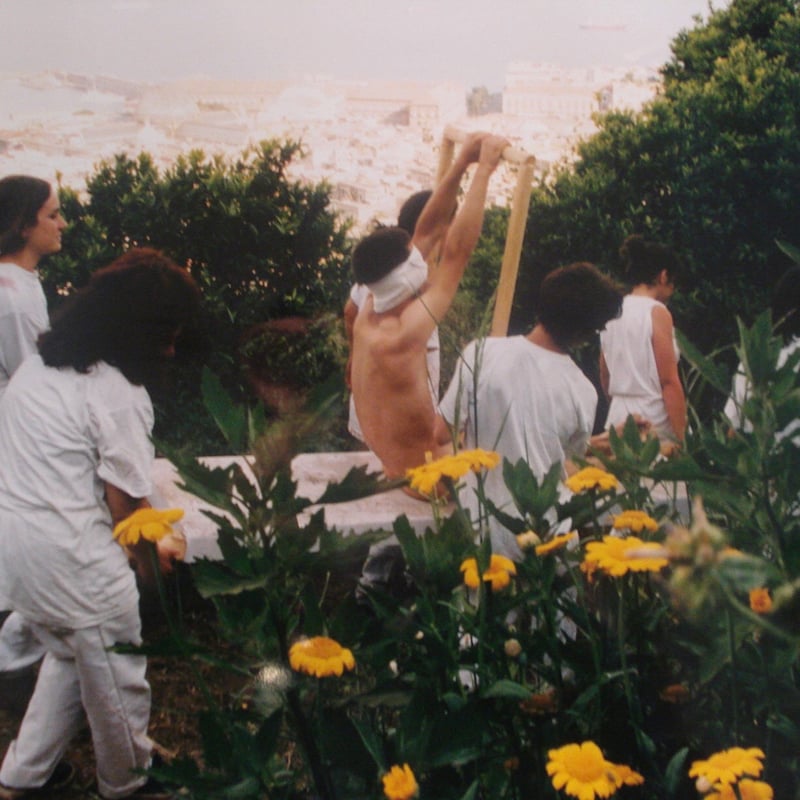
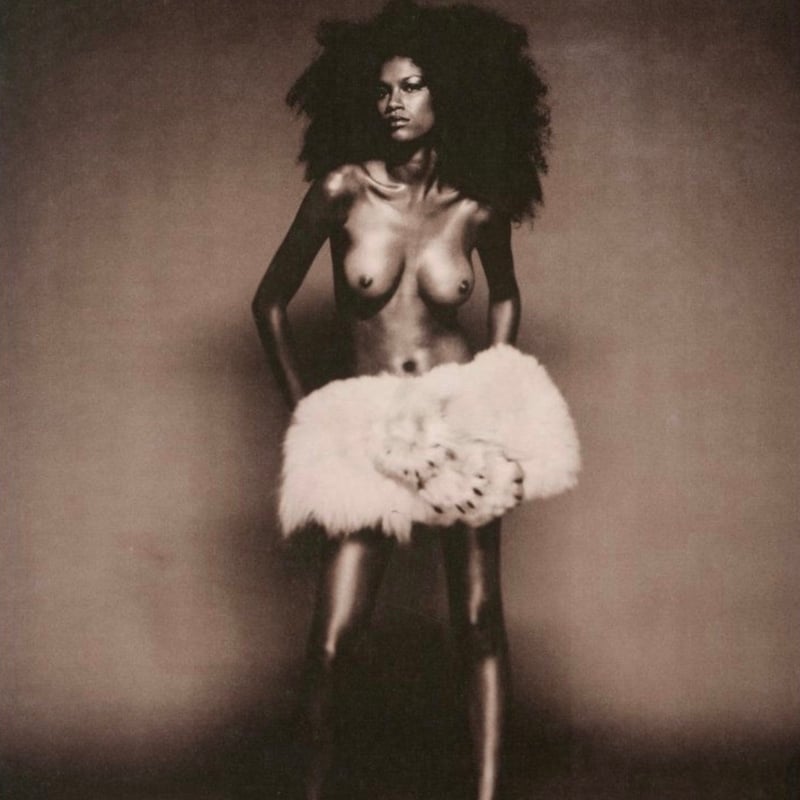
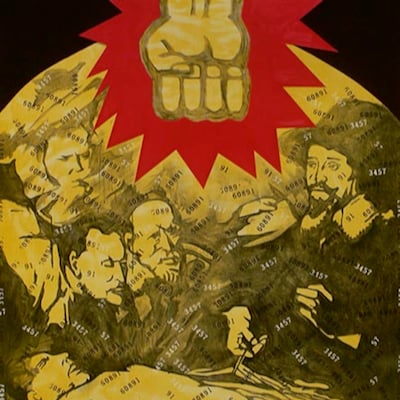
What is activist art?
Activist Art is a form of art created to address social and political issues. It often involves public engagement and works closely with communities to raise awareness or inspire change. While it can include elements of performance art, it is not limited to this form. Examples include creating and distributing social protest posters or organizing community-based art projects that highlight specific causes.
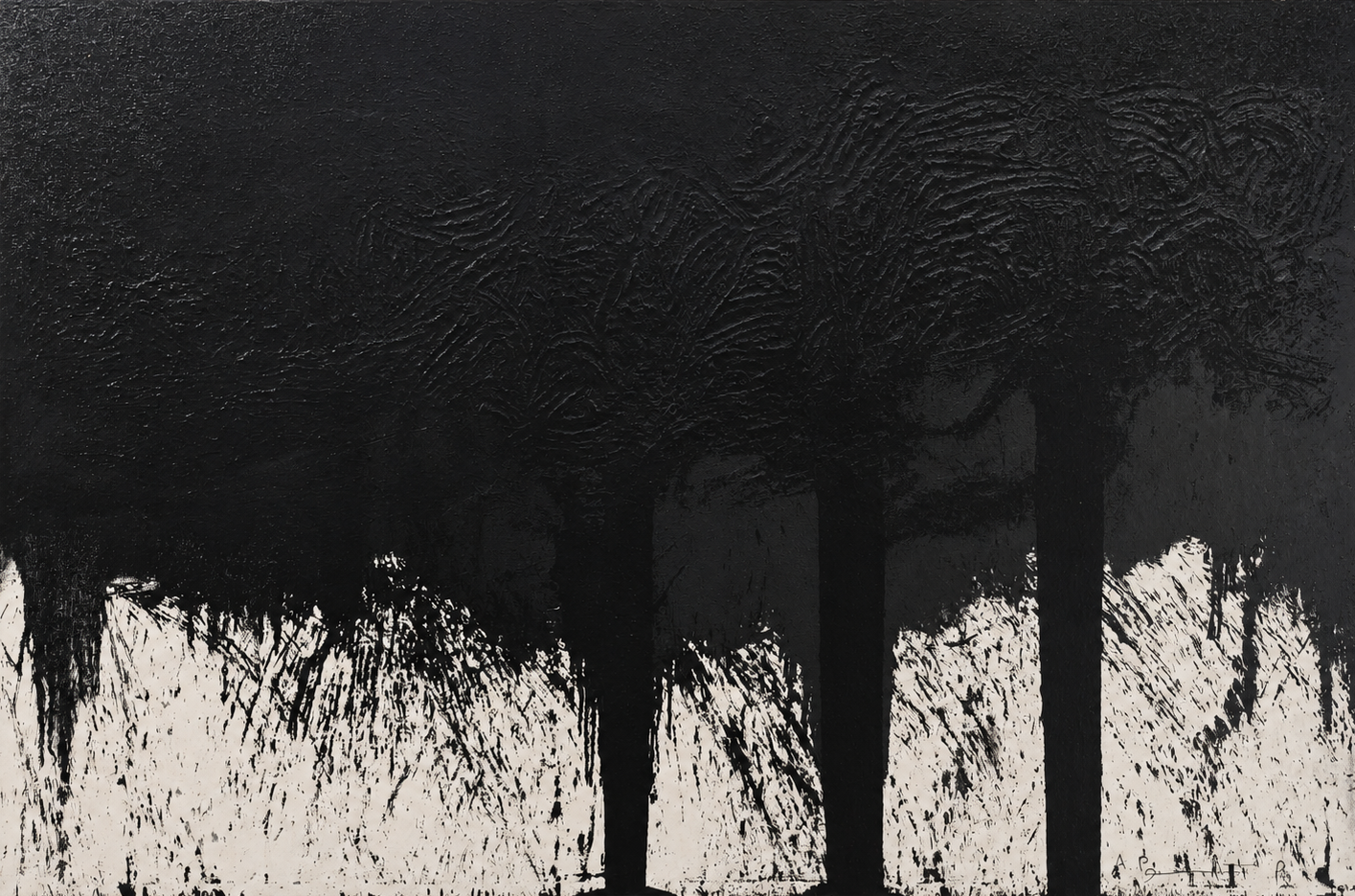
Hermann Nitsch
Untitled, 1996
62.5 x 94 cm


