
Artwork Copyright © Feng Zhengjie
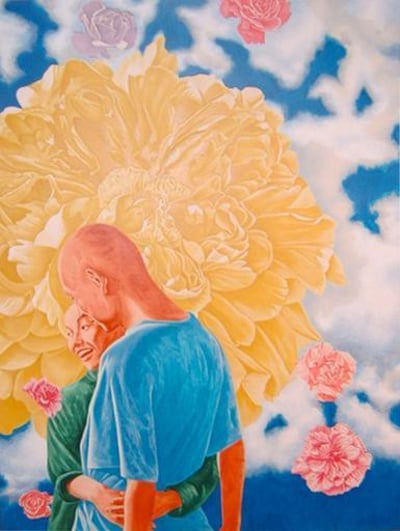
Feng Zhengjie (China, 1968) is a contemporary artist best known for his vibrant, larger-than-life portraits that critique consumer culture and societal ideals. His Chinese Portrait series features stylized figures with vivid colors and vacant stares, reflecting a blend of traditional Chinese aesthetics and pop art. Feng's work explores identity in an era of globalization.
Artwork Copyright © Feng ZhengjieChinese portrait 2, 2008
Form
Medium
Size
- Inches
- Centimeters
Edition
Price
Available works →
- Authenticity Guaranteed
- Insured Shipping
- Online Since 2005
●
●Inventory 1834
●Signed
●Comes with gallery invoice and certificate
●Sell Us a Similar Artwork. Learn more.
Artwork Copyright © Feng Zhengjie
Feng Zhengjie (China, 1968) is a contemporary artist best known for his vibrant, larger-than-life portraits that critique consumer culture and societal ideals. His Chinese Portrait series features stylized figures with vivid colors and vacant stares, reflecting a blend of traditional Chinese aesthetics and pop art. Feng's work explores identity in an era of globalization.
Artwork Copyright © Feng Zhengjie- Recently Added
- Price (Low-High)
- Price (High-Low)
- Year (Low-High)
- Year (High-Low)

Feng Zhengjie
Chinese Portrait (c), 2008
Limited Edition Print
Screen-print
USD 950

Feng Zhengjie
Chinese Portrait (b), 2008
Limited Edition Print
Screen-print
USD 950

Feng Zhengjie
Chinese Portrait (a), 2008
Limited Edition Print
Screen-print
USD 950
Related Artists


Related Articles
Popular, Collecting - May 6, 2026
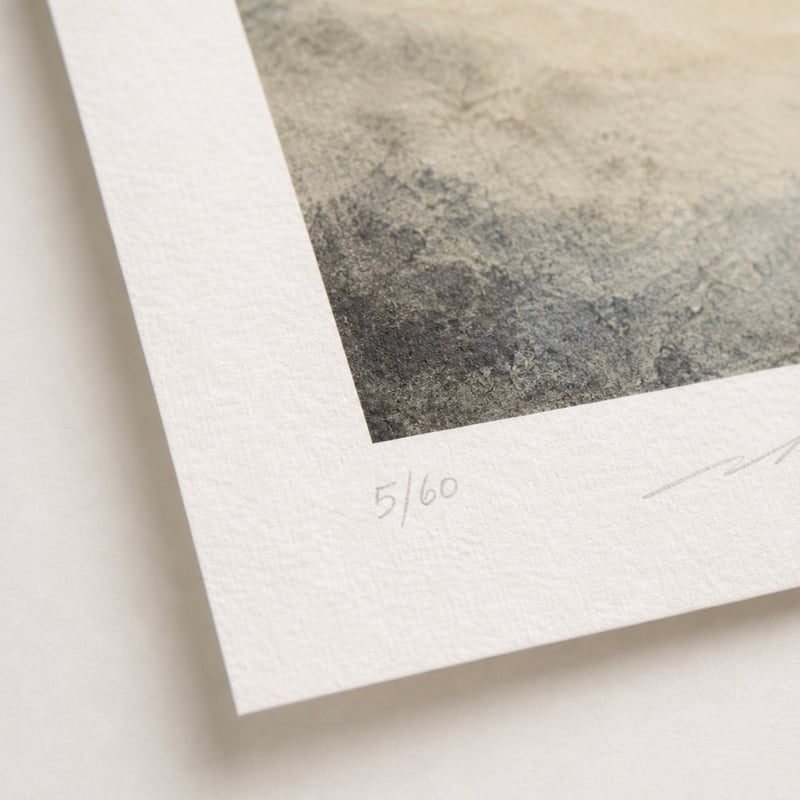
Edition Numbers and Print Value: What Really Matters
Edition size—not number—drives print value. Learn how scarcity, condition, provenance, and artist demand shape prices in modern printmaking.Read More
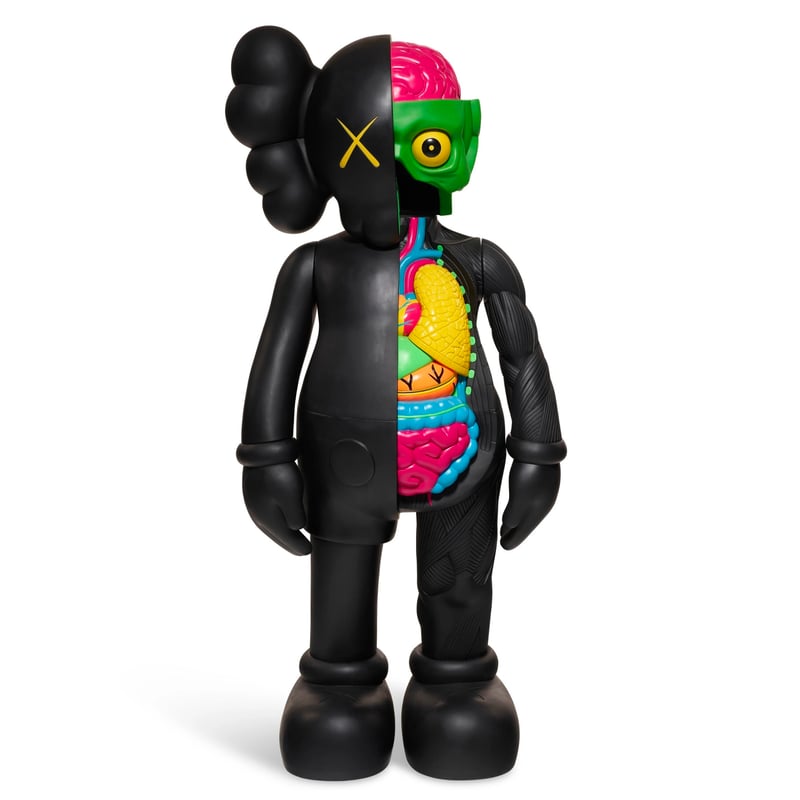
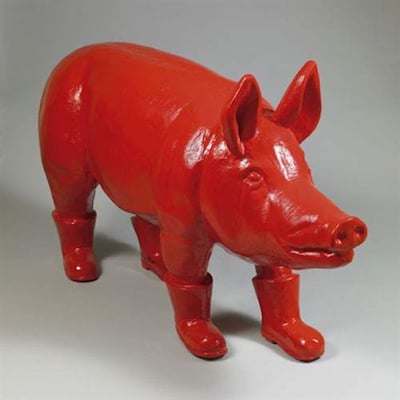
Artwork by William Sweetlove
What is Kitsch?
Kitsch is a term used to describe cheap, commercial, sentimental, or vulgar art and objects commonly associated with popular culture. The word is borrowed from German, where it originally means trash. Since the 1920s, kitsch has been used to denote the opposite of high art, often implying that the work lacks sophistication or artistic merit.


