
Details
Artist
Styles
Tela estrofelessa and Tempera // Agostino Bonalumi's Giallo (1979) is a striking mixed-media work that utilizes the technique of tela estroflessa (stretched canvas) combined with tempera. The monochromatic yellow surface is sculpted into rhythmic, three-dimensional forms, creating an interplay of light and shadow that shifts depending on the viewer's perspective. These protrusions and indentations lend a dynamic, architectural quality to the canvas, as if the artwork is emerging from within. Bonalumi’s use of a single color emphasizes the purity of form and depth, inviting contemplation of spatiality and the limits of two-dimensional surfaces in art.
Details
Artist
Styles
Tela estrofelessa and Tempera // Agostino Bonalumi's Giallo (1979) is a striking mixed-media work that utilizes the technique of tela estroflessa (stretched canvas) combined with tempera. The monochromatic yellow surface is sculpted into rhythmic, three-dimensional forms, creating an interplay of light and shadow that shifts depending on the viewer's perspective. These protrusions and indentations lend a dynamic, architectural quality to the canvas, as if the artwork is emerging from within. Bonalumi’s use of a single color emphasizes the purity of form and depth, inviting contemplation of spatiality and the limits of two-dimensional surfaces in art.
- Recently Added
- Price (low-high )
- Price (high-low )
- Year (low-high )
- Year (high-low )

Agostino Bonalumi
Senza Titolo, 1990
Sculpture / Object
Bronze
EUR 3,750

Agostino Bonalumi
Senza Titolo, 1993
Limited Edition Print
Mixed Media
Currently Not Available
Related Artists


Related Articles
Popular, Collecting - July 23, 2025
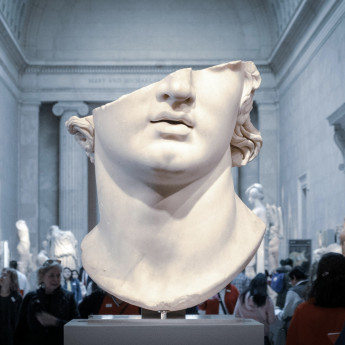
Sculpture Care and Display: From Plinths to Pedestals in Your Home
Learn how to display and care for sculpture at home—from lighting tips to material care—so your art can truly shine in any space. Read More
Art Movements - August 01, 2024
Augmented Reality and Art: The Future of Gallery Experience
Step into the future of galleries with augmented reality! Discover how AR transforms art experiences through immersive exhibits and digital innovation. Read More
Collecting - August 23, 2024
Catalogues Raisonnés of Contemporary Artists: Essential Reference Works for Art Collectors and Enthusiasts
Explore the importance of catalogues raisonnés in art collecting! Uncover how these comprehensive guides authenticate, document, and preserve artists' legacies. Read More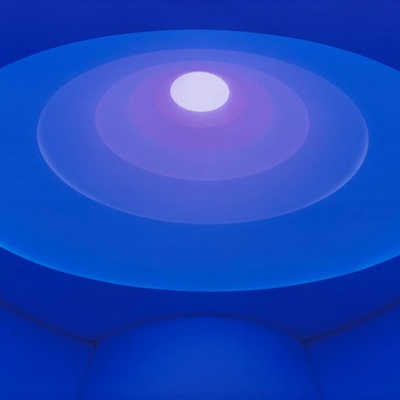
What is ‘light and space’?
The Light and Space Movement refers to loosely affiliated art movements connected to minimalism, geometric abstraction, and op art that originated in Southern California in the 1960s. Greatly influenced by artist John McLaughlin, these artists focused on sensory phenomena such as light, perception, and space as central elements of their work. They also incorporated cutting-edge technologies from the aerospace and engineering industries to develop light-filled and sensuous objects, creating immersive experiences that emphasize the viewer's perception.