

Sculpture Care and Display: From Plinths to Pedestals in Your Home

By Emilia Novak
A Bronze in the Afternoon Light
Late afternoon light slants through a mid-century modern living room. A collector carefully lifts a small bronze figure—its patina catching the amber glow—and places it atop a waist-high walnut plinth by the window. In that moment, the sculpture comes alive: no longer just an object on a shelf, it becomes the focal point of the room. The once-empty corner now feels curated and dynamic, the bronze casting playful shadows on the wall. This simple act of placement transforms both the artwork and the space around it, illustrating how displaying a sculpture is an art in itself. From choosing the right stand to finding the perfect spot, how you care for and showcase a sculpture at home can make all the difference in how it inspires and delights.
Why Display Matters
Sculpture lives in space. As Arnaldo Pomodoro observed, it is “the appropriation of one’s own space within the wider space in which we live.” Unlike paintings, which orient us frontally, sculptures invite us to move around them. They engage the room, reflect light, and change with the day. The same bronze figure that feels solemn in morning light may glow warmly in the evening.
Interior designers and collectors alike agree: a well-positioned sculpture often becomes the first thing you notice when entering a room. It draws attention, anchors the décor, and creates a visual pause—a sculptural punctuation mark in the rhythm of domestic life.
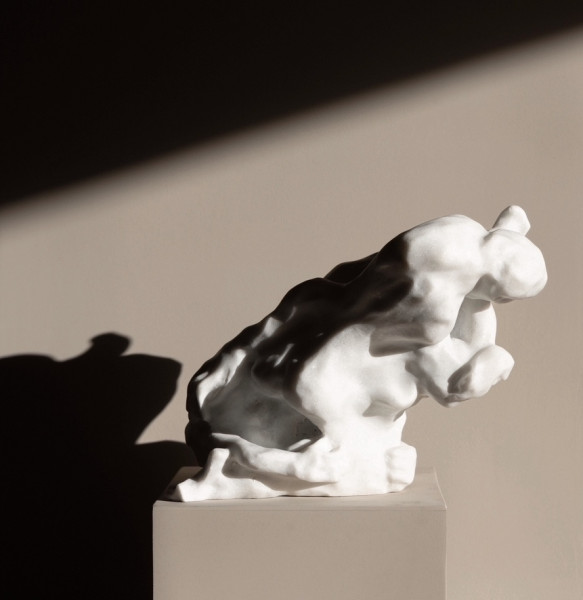
Light is one of sculpture’s most powerful allies. Directional lighting can enhance shadows and surface textures, while diffused daylight brings subtlety and warmth. Harsh spotlights may flatten or overwhelm a work, while insufficient lighting can hide its nuances. One collector described how a sculpture lit from below took on an “ominous feel,” while the same piece under soft ambient light felt serene.

A useful tip: use a flashlight to test different lighting angles before finalizing placement. This experiment can help you decide whether a piece glows best in morning sun, under a warm LED, or beneath a focused gallery spotlight.
Sightlines matter, too. Freestanding sculptures, particularly those “in the round,” benefit from open space and visibility from multiple angles. Wall-mounted works or reliefs, on the other hand, offer a frontal engagement and can serve as vertical statements.
Plinths, Pedestals, and Shelves: Choosing the Right Support
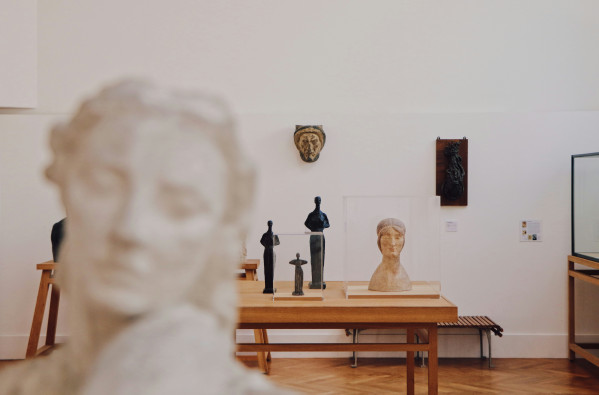
Supporting your sculpture correctly is both practical and poetic. Plinths and pedestals, mainstays of galleries and museums, elevate sculptures physically and metaphorically. They isolate and frame the work, guiding the viewer’s eye.
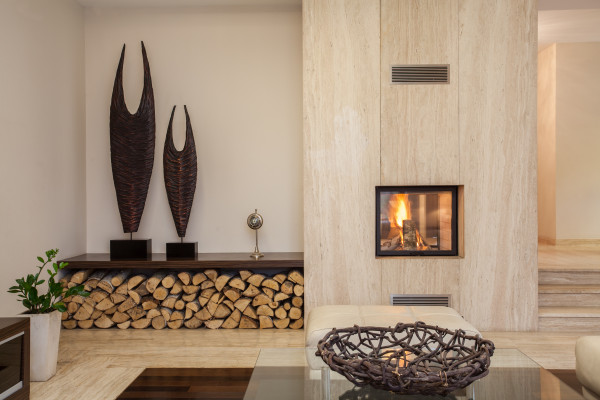
At home, you can borrow this visual language to powerful effect. A slender metal pedestal might complement a contemporary resin piece. A warm wood stand could soften a cold bronze. A marble column under a classical bust evokes antiquity. Acrylic or lucite pedestals nearly disappear, making a sculpture seem suspended in space.
Proportion is essential. A pedestal should be sturdy, with a top surface that exceeds the sculpture’s base by at least a few centimeters. Aim for the artwork’s focal point to fall near eye level—though this can vary depending on room height, furniture arrangement, and the piece itself.
Shelves and built-in niches are excellent for smaller works. A floating shelf near eye level, or a set of staggered ledges on a feature wall, can create a gallery-like presentation. For stability, especially with heavier materials like bronze or stone, ensure the surface is well anchored. Use museum wax or earthquake putty to prevent accidental knocks.
Placement in the Home: Practical and Inspired
Placing sculpture at home is part logic, part intuition. Start with safety and flow: don’t place delicate works near doorways, narrow halls, or places where children or pets are active. Heavy pieces require solid flooring—especially if you live in a multi-level home.
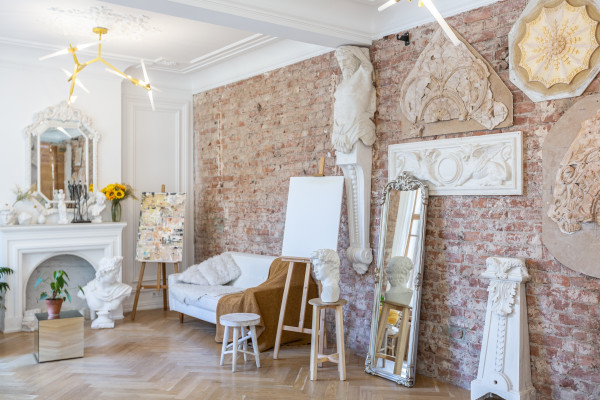
Then consider atmosphere. A bold abstract sculpture might serve as a dramatic focal point in a minimalist living room. A gentle ceramic form could offer a moment of quiet in a reading nook. Groupings can also work well. A trio of ceramic pieces, arranged by height or tone, can evoke rhythm and dialogue. But be careful not to overcrowd—each sculpture needs room to breathe.
Context matters. A dark piece against a dark wall may disappear. Backlighting can create silhouettes, while frontal light enhances detail. Transparent or reflective sculptures—like those incorporating glass, resin, or polished bronze—respond dynamically to their environments. For example, Pomodoro’s gleaming bronze spheres reflect their surroundings, creating a live interplay with the space itself.
Collectors often find joy in seasonal rotation. A sculpture might move outdoors to a shaded garden alcove in summer, then return inside during colder months. Changing light, environment, and positioning can make even familiar pieces feel newly alive.
Sculpture Care by Material
Sculptures are built to last—but only with proper care. Each material has its quirks and vulnerabilities.
General Guidelines
Always handle sculptures with clean, dry hands—or gloves if possible. Support them from their strongest point, never a limb or narrow section. Dust with a soft brush or cloth. Avoid household cleaners or chemicals unless recommended by a conservator. Test all methods on a hidden area first.
Bronze is durable and dignified. Indoors, dusting is often enough. Outdoor pieces require more: clean every few months, apply Renaissance wax annually, and keep them out of direct sun or rain if possible. Never use metal polish on patinated bronze—it may strip the intentional surface coloration.
Stone sculptures (marble, alabaster, granite) are strong but can absorb moisture and acids. Dust gently. Never use vinegar or lemon-based cleaners. Avoid placing soft stones like alabaster near windows or kitchens, where they might be exposed to moisture.
Wood
Wood is sensitive to temperature and humidity. Avoid direct sun and heat sources. Dry climates may cause cracking; overly damp spaces can lead to mold. Dust regularly, and use wood conditioner only if advised by the artist.
Ceramic and Glass
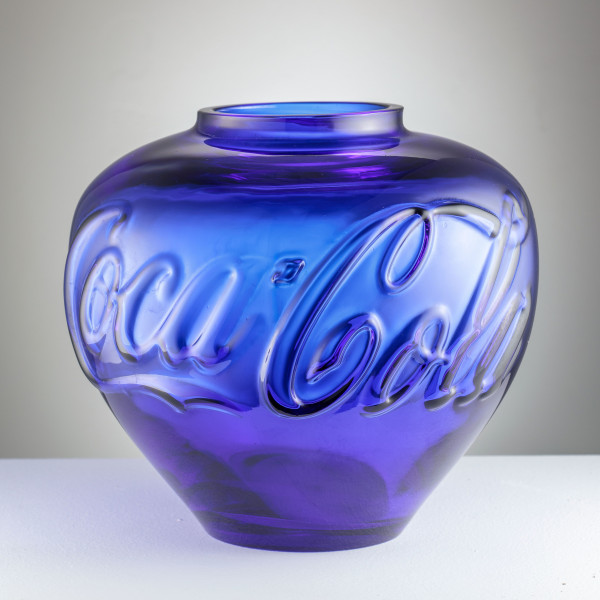
Among the most fragile materials, ceramics and glass should be handled with care and supported from below. Use a soft brush to remove dust. Glazed ceramics and glass can be wiped gently with a damp cloth. Unglazed ceramics should be kept dry. Avoid sudden temperature changes with glass—thermal shock can cause cracking.
Resin, Acrylic, and Mixed Media
These materials can be visually striking but are sensitive to UV and heat. Avoid direct sun and high temperatures. Use only soft cloths for cleaning; never use alcohol or solvents. Mixed-media sculptures require a case-by-case approach—always follow the gentlest care instructions for each component.
The Emotional Value of Living with Art
Beyond visual and material considerations, living with sculpture brings emotional depth. Sculptures don’t just sit quietly—they participate in our daily lives. Their physicality creates an intimacy that two-dimensional art can’t always match.
Many collectors speak of their sculptures as companions. A figure that catches the light just so in the morning. A ceramic piece whose surface you instinctively reach out to touch. A work that changes character as the seasons pass.
This personal connection is where the joy of collecting truly lies. You’re not just acquiring objects—you’re building a living environment that reflects your aesthetic, your values, your curiosity. Over time, your collection becomes a portrait of your evolving taste.
Make Space, Make Meaning
Sculpture invites us to make space—not just in our homes, but in our routines. To pause, observe, and engage with form. You don’t need a cavernous room or a minimalist palette to display sculpture meaningfully. Even a corner can become a gallery. A bookshelf can host a conversation between works. A console table can become a plinth for contemplation.
At Composition Gallery, we believe that every sculpture tells a story—and that story deepens when it enters your home. From monumental forms to intimate studies, our selection includes works by established masters and rising talents alike. Whether you’re acquiring your first piece or reimagining your collection, we’re here to help you make sculpture part of your daily landscape.
Because when you make space for art, art makes your space uniquely yours.
By Emilia Novak
A Bronze in the Afternoon Light
Late afternoon light slants through a mid-century modern living room. A collector carefully lifts a small bronze figure—its patina catching the amber glow—and places it atop a waist-high walnut plinth by the window. In that moment, the sculpture comes alive: no longer just an object on a shelf, it becomes the focal point of the room. The once-empty corner now feels curated and dynamic, the bronze casting playful shadows on the wall. This simple act of placement transforms both the artwork and the space around it, illustrating how displaying a sculpture is an art in itself. From choosing the right stand to finding the perfect spot, how you care for and showcase a sculpture at home can make all the difference in how it inspires and delights.
Why Display Matters
Sculpture lives in space. As Arnaldo Pomodoro observed, it is “the appropriation of one’s own space within the wider space in which we live.” Unlike paintings, which orient us frontally, sculptures invite us to move around them. They engage the room, reflect light, and change with the day. The same bronze figure that feels solemn in morning light may glow warmly in the evening.
Interior designers and collectors alike agree: a well-positioned sculpture often becomes the first thing you notice when entering a room. It draws attention, anchors the décor, and creates a visual pause—a sculptural punctuation mark in the rhythm of domestic life.
Light is one of sculpture’s most powerful allies. Directional lighting can enhance shadows and surface textures, while diffused daylight brings subtlety and warmth. Harsh spotlights may flatten or overwhelm a work, while insufficient lighting can hide its nuances. One collector described how a sculpture lit from below took on an “ominous feel,” while the same piece under soft ambient light felt serene.
A useful tip: use a flashlight to test different lighting angles before finalizing placement. This experiment can help you decide whether a piece glows best in morning sun, under a warm LED, or beneath a focused gallery spotlight.
Sightlines matter, too. Freestanding sculptures, particularly those “in the round,” benefit from open space and visibility from multiple angles. Wall-mounted works or reliefs, on the other hand, offer a frontal engagement and can serve as vertical statements.
Plinths, Pedestals, and Shelves: Choosing the Right Support
Supporting your sculpture correctly is both practical and poetic. Plinths and pedestals, mainstays of galleries and museums, elevate sculptures physically and metaphorically. They isolate and frame the work, guiding the viewer’s eye.
At home, you can borrow this visual language to powerful effect. A slender metal pedestal might complement a contemporary resin piece. A warm wood stand could soften a cold bronze. A marble column under a classical bust evokes antiquity. Acrylic or lucite pedestals nearly disappear, making a sculpture seem suspended in space.
Proportion is essential. A pedestal should be sturdy, with a top surface that exceeds the sculpture’s base by at least a few centimeters. Aim for the artwork’s focal point to fall near eye level—though this can vary depending on room height, furniture arrangement, and the piece itself.
Shelves and built-in niches are excellent for smaller works. A floating shelf near eye level, or a set of staggered ledges on a feature wall, can create a gallery-like presentation. For stability, especially with heavier materials like bronze or stone, ensure the surface is well anchored. Use museum wax or earthquake putty to prevent accidental knocks.
Placement in the Home: Practical and Inspired
Placing sculpture at home is part logic, part intuition. Start with safety and flow: don’t place delicate works near doorways, narrow halls, or places where children or pets are active. Heavy pieces require solid flooring—especially if you live in a multi-level home.
Then consider atmosphere. A bold abstract sculpture might serve as a dramatic focal point in a minimalist living room. A gentle ceramic form could offer a moment of quiet in a reading nook. Groupings can also work well. A trio of ceramic pieces, arranged by height or tone, can evoke rhythm and dialogue. But be careful not to overcrowd—each sculpture needs room to breathe.
Context matters. A dark piece against a dark wall may disappear. Backlighting can create silhouettes, while frontal light enhances detail. Transparent or reflective sculptures—like those incorporating glass, resin, or polished bronze—respond dynamically to their environments. For example, Pomodoro’s gleaming bronze spheres reflect their surroundings, creating a live interplay with the space itself.
Collectors often find joy in seasonal rotation. A sculpture might move outdoors to a shaded garden alcove in summer, then return inside during colder months. Changing light, environment, and positioning can make even familiar pieces feel newly alive.
Sculpture Care by Material
Sculptures are built to last—but only with proper care. Each material has its quirks and vulnerabilities.
General Guidelines
Always handle sculptures with clean, dry hands—or gloves if possible. Support them from their strongest point, never a limb or narrow section. Dust with a soft brush or cloth. Avoid household cleaners or chemicals unless recommended by a conservator. Test all methods on a hidden area first.
Bronze is durable and dignified. Indoors, dusting is often enough. Outdoor pieces require more: clean every few months, apply Renaissance wax annually, and keep them out of direct sun or rain if possible. Never use metal polish on patinated bronze—it may strip the intentional surface coloration.
Stone sculptures (marble, alabaster, granite) are strong but can absorb moisture and acids. Dust gently. Never use vinegar or lemon-based cleaners. Avoid placing soft stones like alabaster near windows or kitchens, where they might be exposed to moisture.
Wood
Wood is sensitive to temperature and humidity. Avoid direct sun and heat sources. Dry climates may cause cracking; overly damp spaces can lead to mold. Dust regularly, and use wood conditioner only if advised by the artist.
Ceramic and Glass
Among the most fragile materials, ceramics and glass should be handled with care and supported from below. Use a soft brush to remove dust. Glazed ceramics and glass can be wiped gently with a damp cloth. Unglazed ceramics should be kept dry. Avoid sudden temperature changes with glass—thermal shock can cause cracking.
Resin, Acrylic, and Mixed Media
These materials can be visually striking but are sensitive to UV and heat. Avoid direct sun and high temperatures. Use only soft cloths for cleaning; never use alcohol or solvents. Mixed-media sculptures require a case-by-case approach—always follow the gentlest care instructions for each component.
The Emotional Value of Living with Art
Beyond visual and material considerations, living with sculpture brings emotional depth. Sculptures don’t just sit quietly—they participate in our daily lives. Their physicality creates an intimacy that two-dimensional art can’t always match.
Many collectors speak of their sculptures as companions. A figure that catches the light just so in the morning. A ceramic piece whose surface you instinctively reach out to touch. A work that changes character as the seasons pass.
This personal connection is where the joy of collecting truly lies. You’re not just acquiring objects—you’re building a living environment that reflects your aesthetic, your values, your curiosity. Over time, your collection becomes a portrait of your evolving taste.
Make Space, Make Meaning
Sculpture invites us to make space—not just in our homes, but in our routines. To pause, observe, and engage with form. You don’t need a cavernous room or a minimalist palette to display sculpture meaningfully. Even a corner can become a gallery. A bookshelf can host a conversation between works. A console table can become a plinth for contemplation.
At Composition Gallery, we believe that every sculpture tells a story—and that story deepens when it enters your home. From monumental forms to intimate studies, our selection includes works by established masters and rising talents alike. Whether you’re acquiring your first piece or reimagining your collection, we’re here to help you make sculpture part of your daily landscape.
Because when you make space for art, art makes your space uniquely yours.


Related Articles

News, Artists - March 27, 2024
Remembering Richard Serra: Master of Steel and Shadows
Explore Richard Serra’s legacy of monumental steel sculptures and evocative etchings. Celebrate his transformative art and enduring impact on space and form. Read More

Related Artworks You Might Like

Red Grooms
Lorna Doone, 1979
Limited Edition Print
Lithograph
USD 1,200

Julio Le Parc
Cercles Par Déplacement, 1965 - 2015
Sculpture / Object
Mixed Media
EUR 8,000

William Sweetlove
Cloned Bronze Marmot With Bottle, 2011
Sculpture / Object
Bronze
EUR 5,000