
What is Surrealism?
- Show All
- Established
- Discoveries
- Show All
Artworks Related to Surrealism
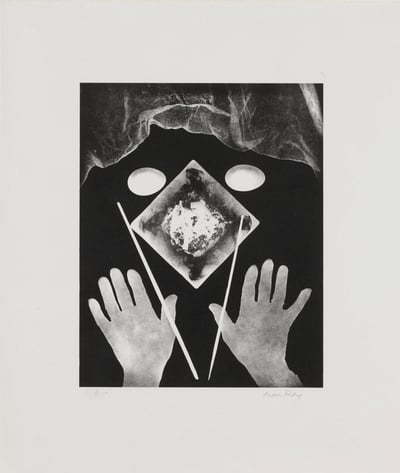
Man Ray
Untitled - (MR66-1194), 1966
Limited Edition Print
Lithograph
USD 19,500
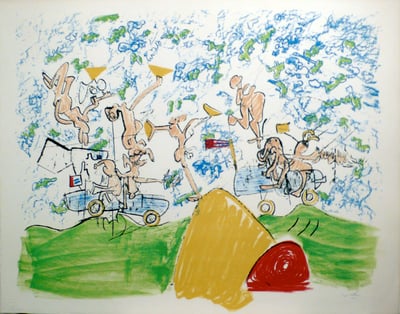
Roberto Matta
Fog Gog Magog (2), 1971
Limited Edition Print
Lithograph
USD 1,500
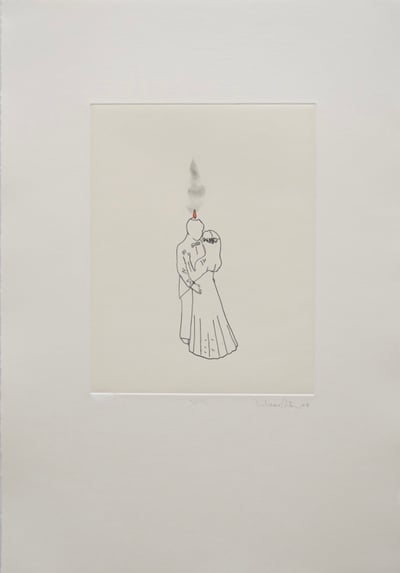
Liliana Porter
Vals , 2007
Limited Edition Print
Etching
EUR 1,400

Liliana Porter
Pato, 2007
Limited Edition Print
Etching
EUR 1,400

Liliana Porter
Concierto, 2007
Limited Edition Print
Etching
EUR 1,400
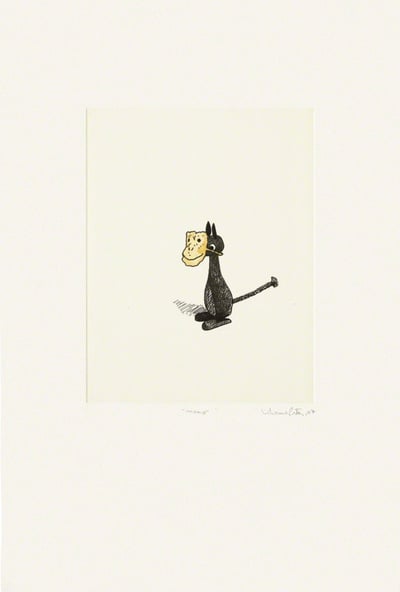
Liliana Porter
Mono, 2007
Limited Edition Print
Etching
EUR 1,400

Liliana Porter
Cantante, 2007
Limited Edition Print
Etching
EUR 1,400

Liliana Porter
Gorrito verde, 2007
Limited Edition Print
Etching
EUR 1,400

Liliana Porter
Máscara, 2007
Limited Edition Print
Etching
EUR 1,400
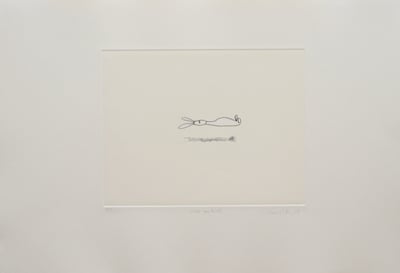
Liliana Porter
Conejo que levita, 2007
Limited Edition Print
Etching
EUR 1,400
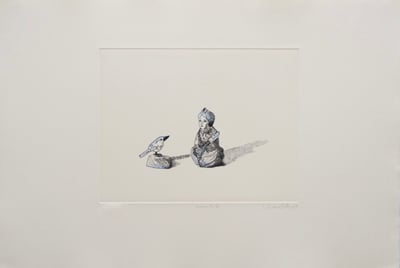
Liliana Porter
Concierto II, 2007
Limited Edition Print
Etching
EUR 1,400
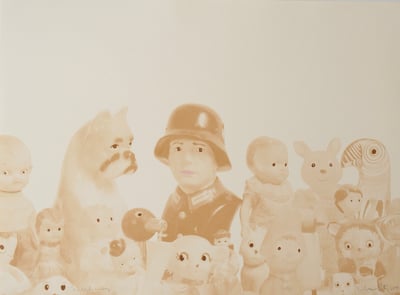
Liliana Porter
Sin título con nazi , 2005
Limited Edition Print
Lithograph
EUR 1,800
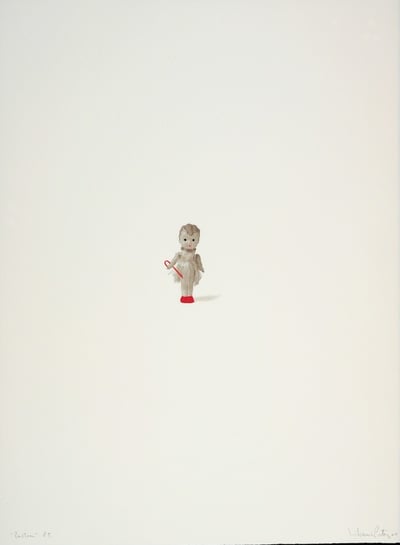
Liliana Porter
Pastora, 2005
Limited Edition Print
Lithograph
EUR 1,800
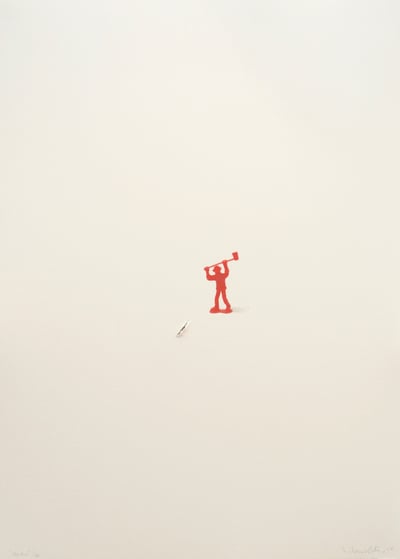
Liliana Porter
Hacha, 2005
Limited Edition Print
Lithograph
EUR 1,800
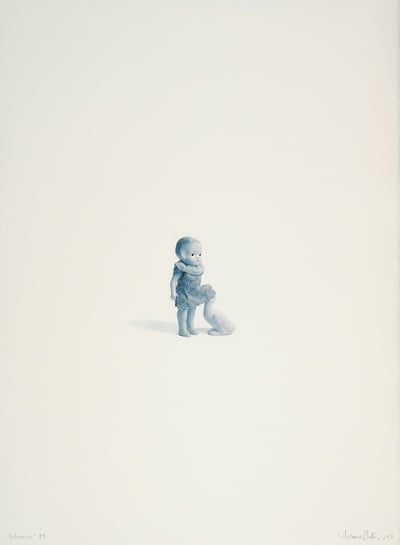
Liliana Porter
Situación, 2005
Limited Edition Print
Lithograph
EUR 1,800
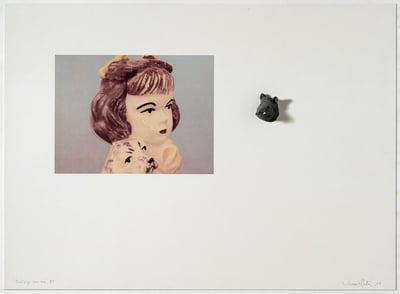
Liliana Porter
Diálogo con eso, 2005
Limited Edition Print
Lithograph
EUR 2,200
Related Articles
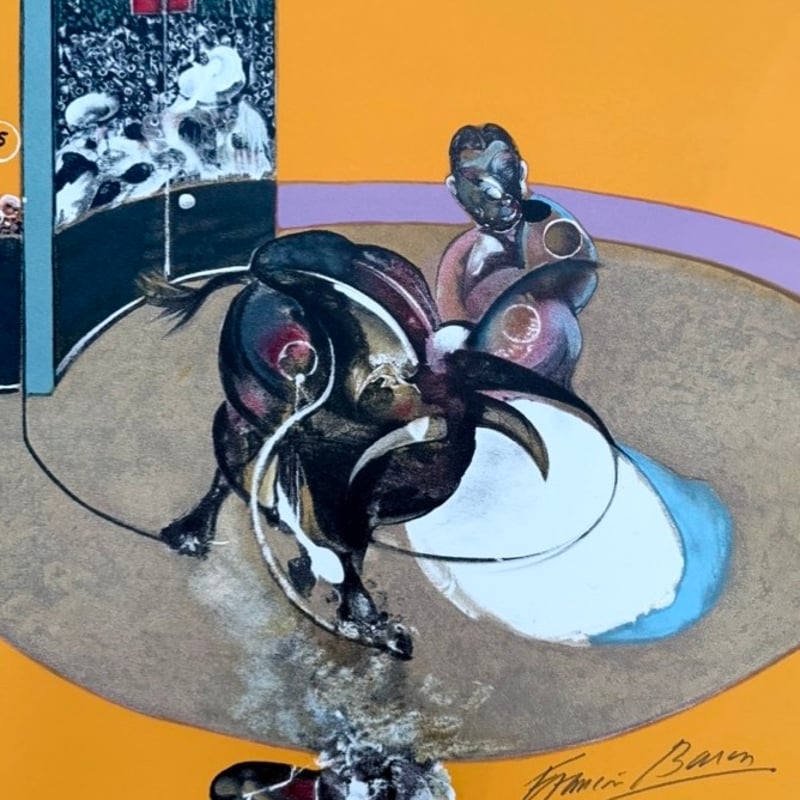
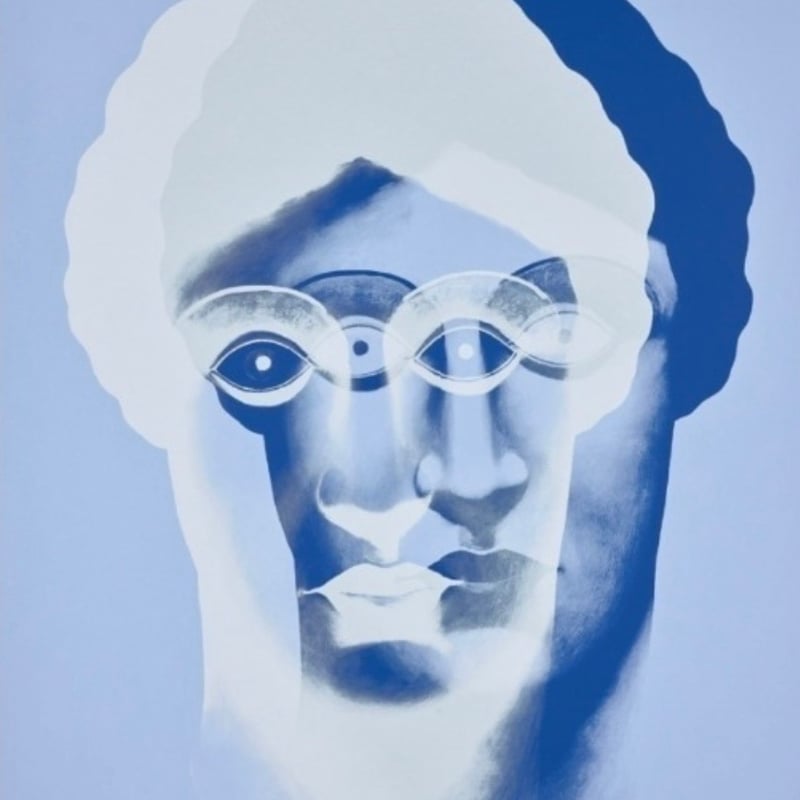
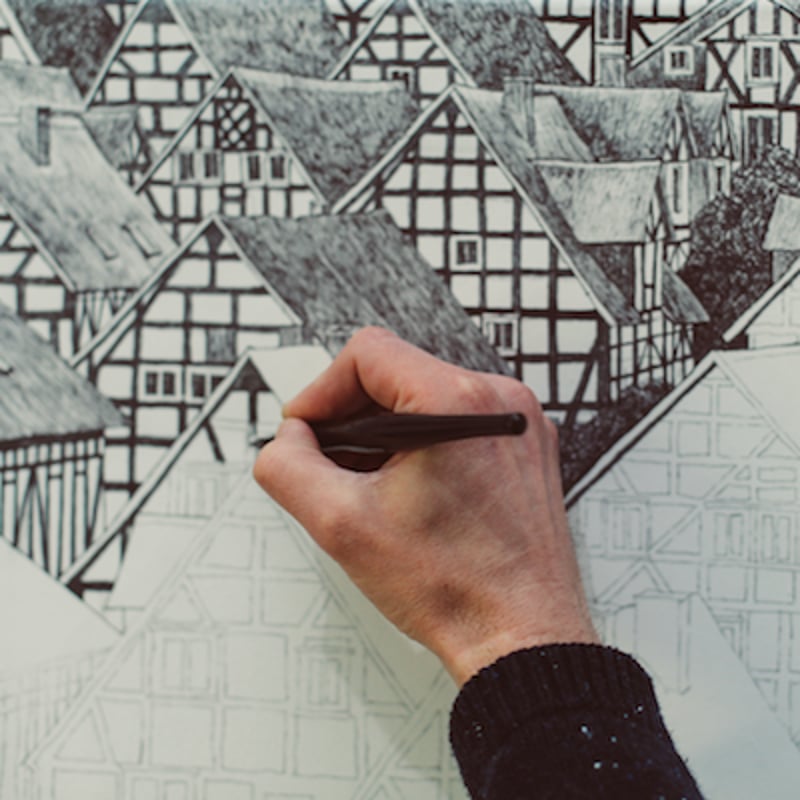
Monochromatic describes paintings, photographs, designs, or drawings that utilize one color or various shades of a single color. Monochromatic objects have a limited range of hues. While the term often refers to black and white or grayscale images, it can also apply to any artwork that contains tones of just one color.
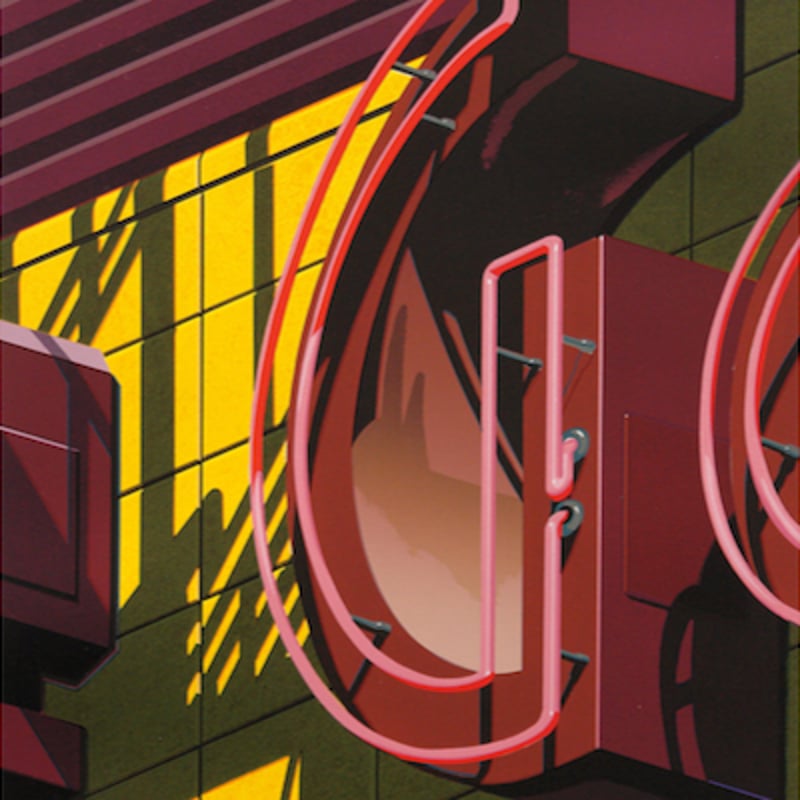
Hyperrealism is a genre of sculpture and painting that closely resembles high-resolution photographs. It is an evolution of Photorealism and is often applied to an independent art style or movement that became prominent in Europe and the United States in the early 2000s. Hyperrealist artists focus on extreme detail and precision, creating works that are often indistinguishable from real-life images.
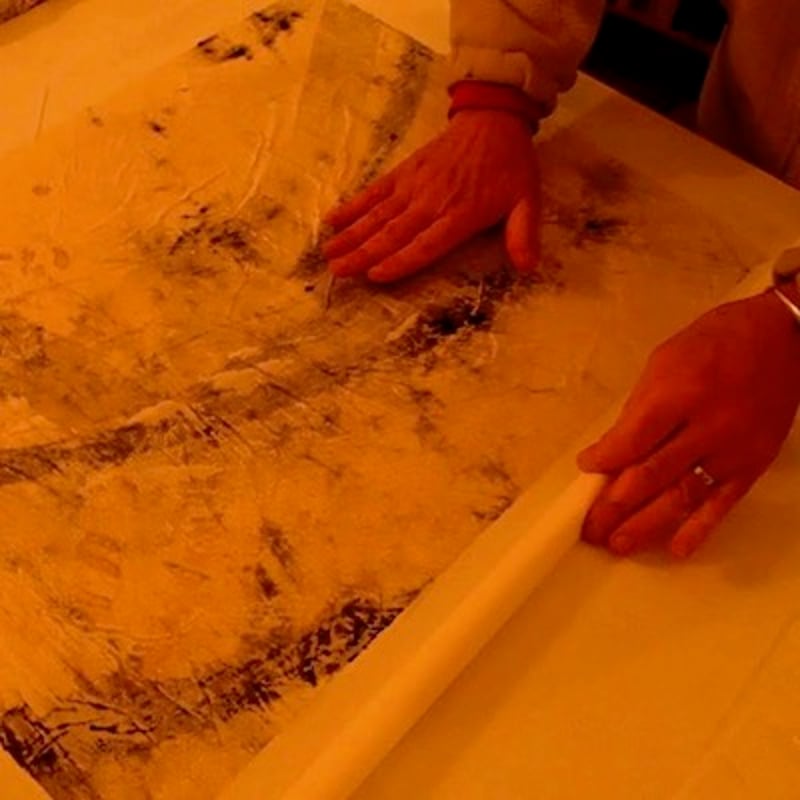
Marouflage on canvas is a technique where a paper artwork is affixed to a canvas using a transparent adhesive. This method is often used to avoid the need for framing behind glass and is usually reversible. Marouflage helps to preserve the artwork while allowing it to be displayed like a traditional painting.
Can't find your Answer?
Thank you! Your question has been sent — we'll get back to you shortly.
