
What is Surrealism?
- Show All
- Established
- Discoveries
- Show All
Artworks Related to Surrealism
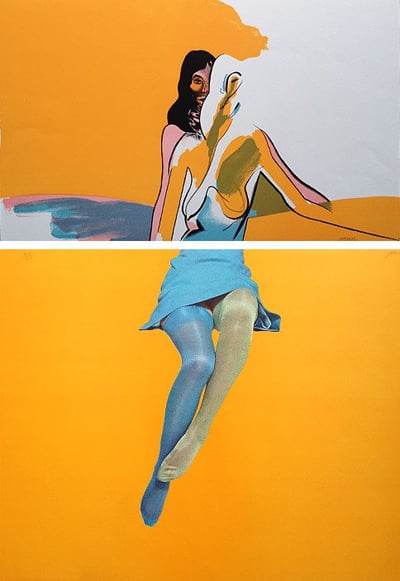
Allen Jones
Life Class VI, 1968
Limited Edition Print
Lithograph
Currently Not Available
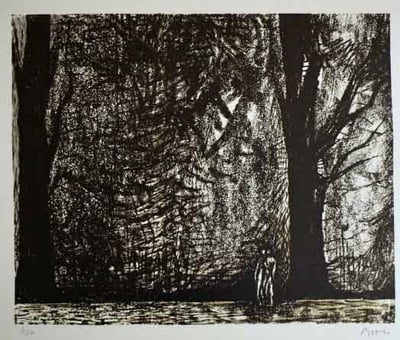
Henry Moore
Figures In A Forest, 1976
Limited Edition Print
Lithograph
EUR 1,650
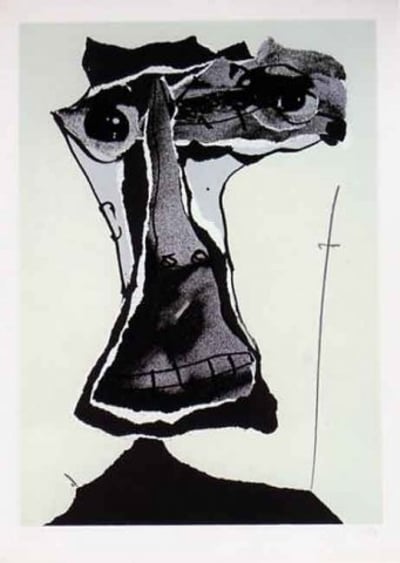
Antonio Saura
Moi, Planche 2, 1976
Limited Edition Print
Serigraph
EUR 1,880
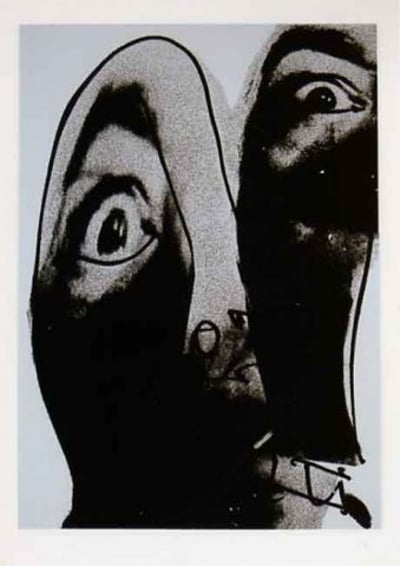
Antonio Saura
Moi, Planche 4, 1976
Limited Edition Print
Serigraph
EUR 1,875
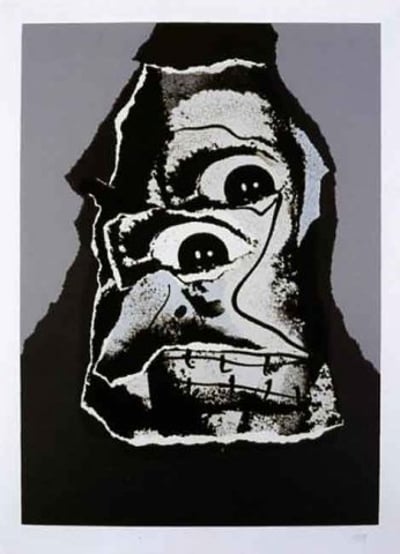
Antonio Saura
Moi, Planche 5, 1976
Limited Edition Print
Serigraph
EUR 2,650
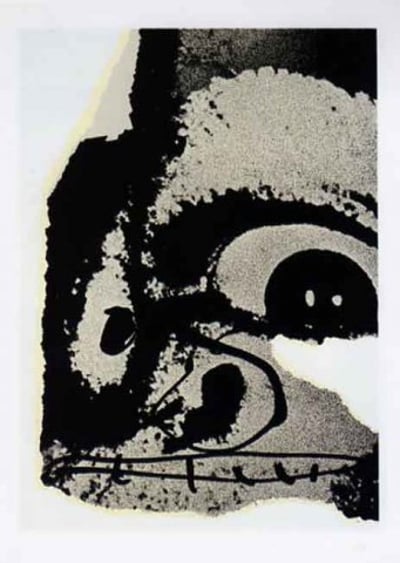
Antonio Saura
Moi, Planche 6, 1976
Limited Edition Print
Serigraph
EUR 1,875
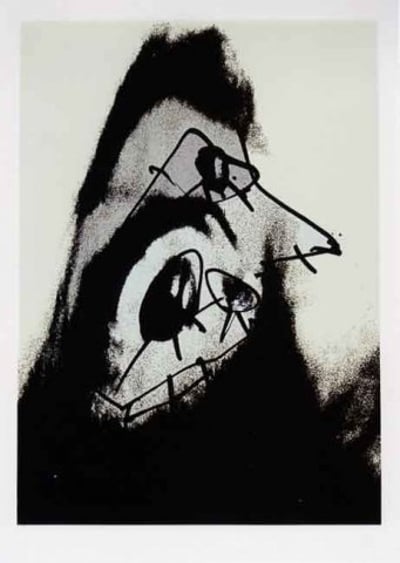
Antonio Saura
Moi, Planche 8, 1976
Limited Edition Print
Serigraph
EUR 2,650
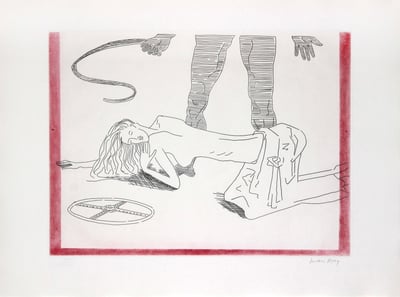
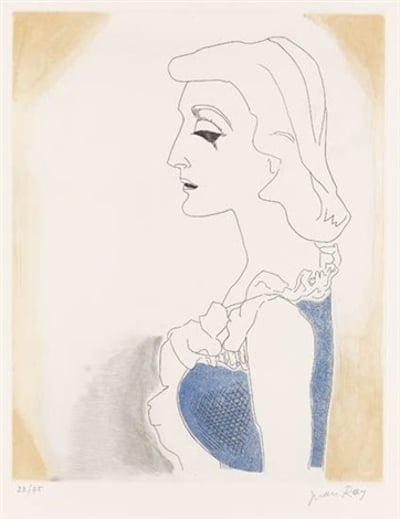
Man Ray
Donna, 1970
Limited Edition Print
Etching
EUR 2,750
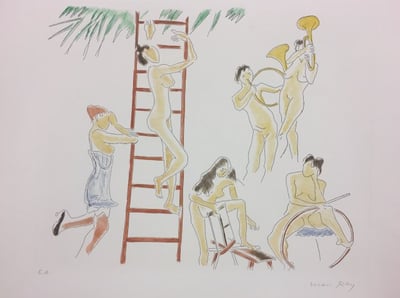
Man Ray
Le Concert, 1970
Limited Edition Print
Etching
EUR 2,750
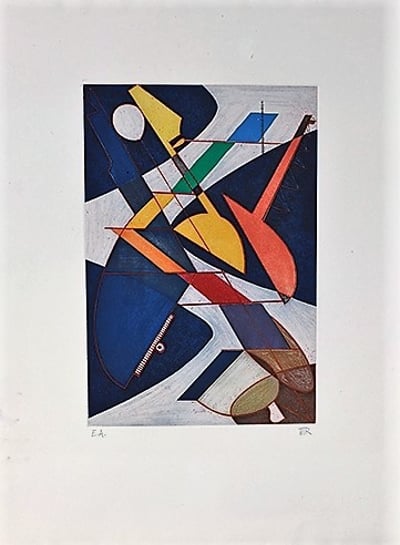
Man Ray
La ballade des dames hors du temps, 1970
Limited Edition Print
Etching and Aquatint
EUR 2,750
Man Ray
Symphony ou Orchestra, 1970
Limited Edition Print
Etching and Aquatint
EUR 4,375

Lucian Freud
Before The Fourth, 2004
Limited Edition Print
Etching
Currently Not Available
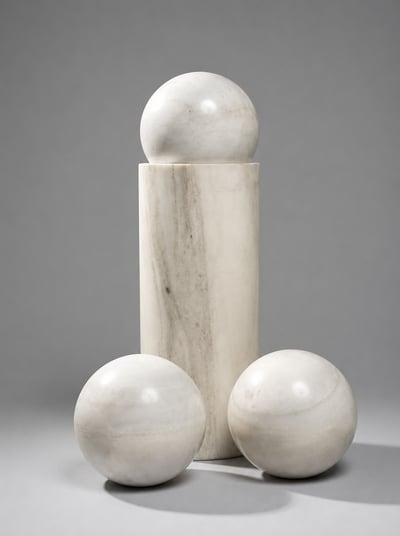
Man Ray
Pynape, 1975
Sculpture / Object
Marble
Currently Not Available
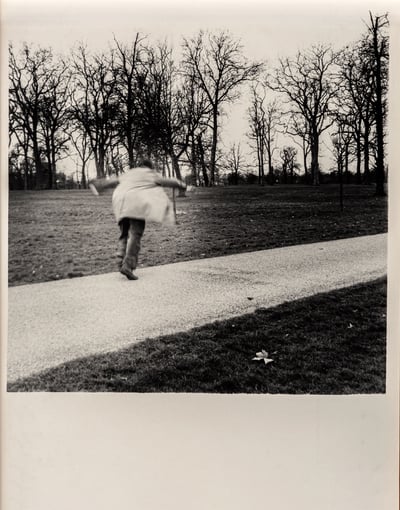
Francis Alys
Untitled (Hyde Park), 1999
Photography
Photograph
Currently Not Available
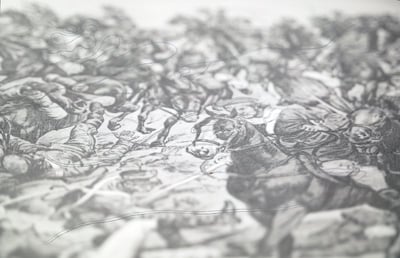
Liliana Porter
El caminante
Limited Edition Print
Mixed Media
EUR 13,000
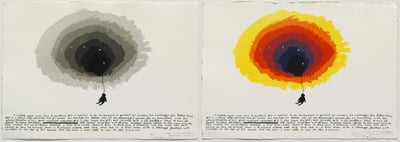
Nedko Solakov
A man with seven problems , 2010
Limited Edition Print
Lithograph
EUR 2,500
Related Articles

Anti-Art refers to artwork that challenges traditional definitions of art. The term is often attributed to artist Marcel Duchamp, who pioneered the use of readymades—everyday objects presented as art. These works defied conventional expectations that art should adhere to traditional or high art standards.

A Biennial is an art exhibition held every two years, typically on a large scale with international participants. The first and most famous example is the Venice Biennale, established in 1895 and held in the Giardini, a public park in Venice. Over time, the event has grown to include thirty permanent pavilions, each representing different countries. Biennials have become significant events in the contemporary art world, offering a platform for artists to showcase their work to a global audience.
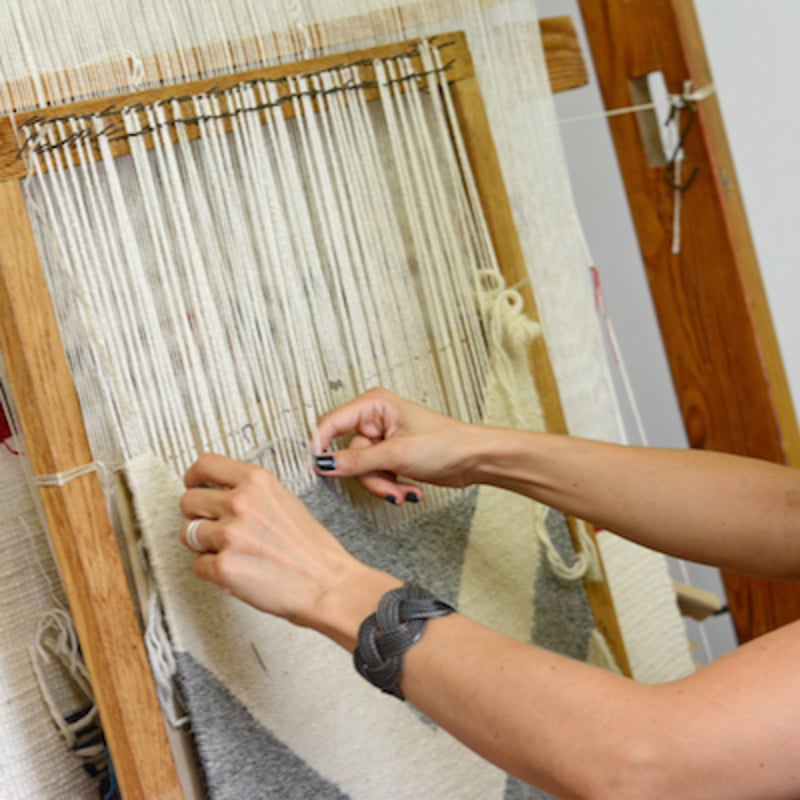
Tapestry is a heavy, handwoven textile featuring intricate designs or images woven directly into the fabric. Created by skilled weavers using materials like wool, linen, cotton, silk, and sometimes silver and gold threads, tapestries have historically served as art pieces, decorations, insulation, and symbols of authority.
Can't find your Answer?
Thank you! Your question has been sent — we'll get back to you shortly.
