
What is Surrealism?
- Show All
- Established
- Discoveries
- Show All
Artworks Related to Surrealism
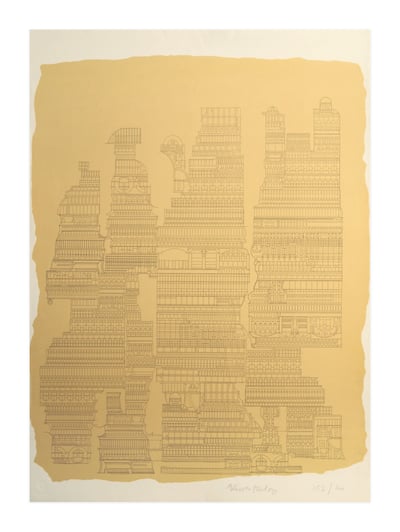
Eduardo Paolozzi
Central Park East, 1972
Limited Edition Print
Lithograph
Currently Not Available
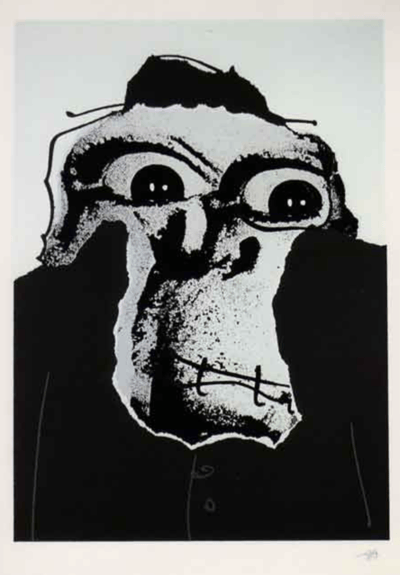
Antonio Saura
Moi, Planche 12, 1976
Limited Edition Print
Serigraph
EUR 1,880
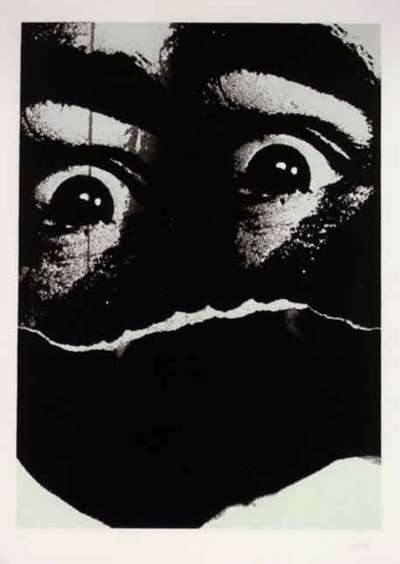
Antonio Saura
Moi, Planche 14, 1976
Limited Edition Print
Serigraph
EUR 2,650
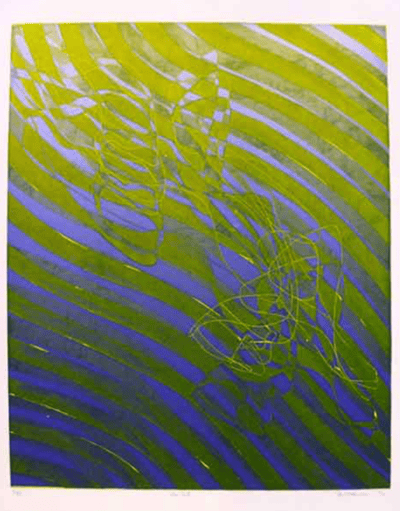
Stanley William Hayter
The Fall, 1974
Limited Edition Print
Etching
EUR 1,550

Mike Kelley
Bowling Bag, 1991
Sculpture / Object
Mixed Media
Currently Not Available
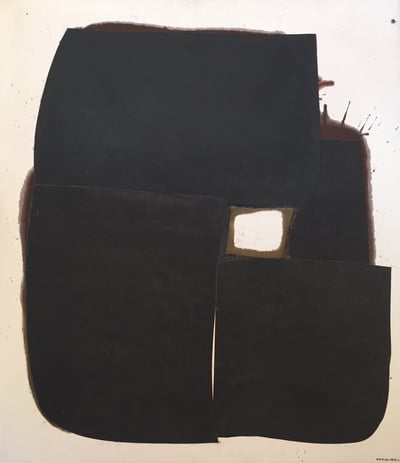
Conrad Marca-Relli
F-M-2-67, 1967
Painting
Mixed Media
USD 60,000
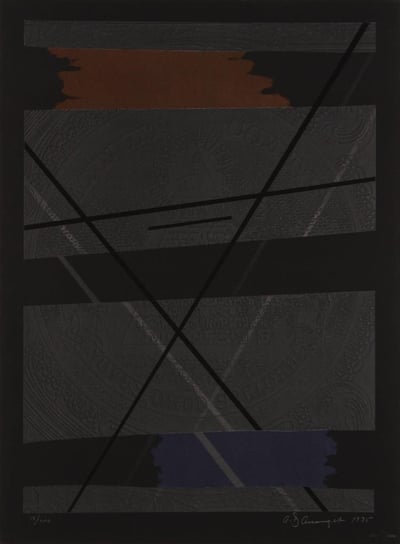
Allan D'Arcangelo
Beginning, 1975
Limited Edition Print
Lithograph
Inquire For Price
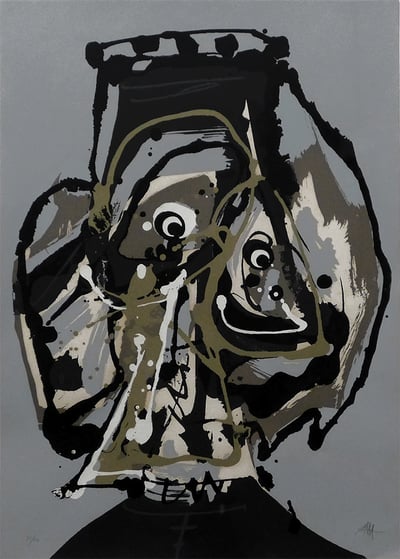
Antonio Saura
Atal, 1983
Limited Edition Print
Silkscreen
EUR 2,100
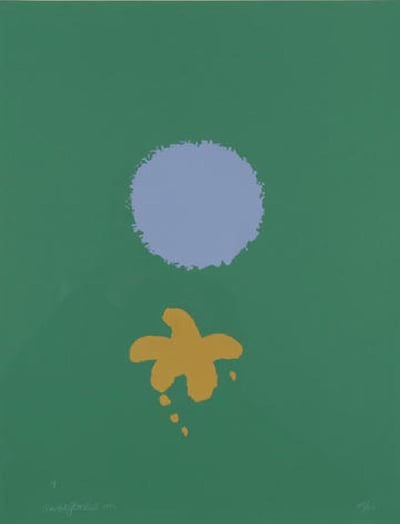
Adolph Gottlieb
Green Ground Blue Disc, 1966
Limited Edition Print
Serigraph
Currently Not Available
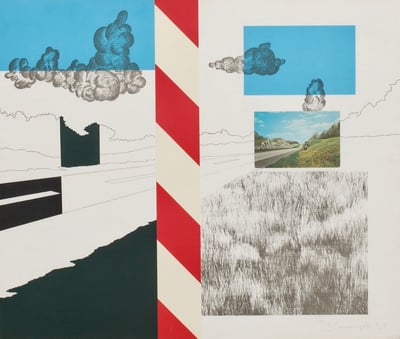
Allan D'Arcangelo
Super Highway, 1969
Limited Edition Print
Silkscreen
USD 1,800
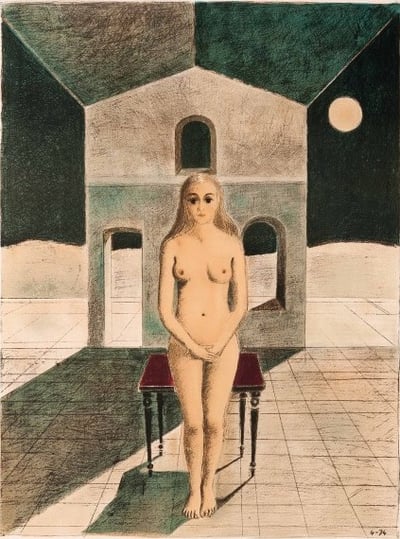
Paul Delvaux
La voyante, 1974
Limited Edition Print
Lithograph
Currently Not Available
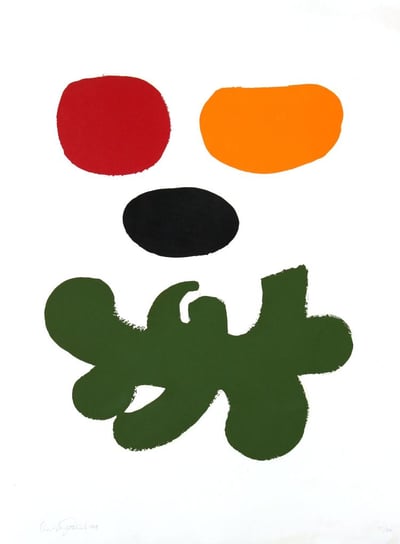
Adolph Gottlieb
Levitation, 1969
Limited Edition Print
Serigraph
Currently Not Available

Allen Jones
Catwalk II, 1999
Limited Edition Print
Etching
EUR 2,500

Allen Jones
Catwalk IV, 1999
Limited Edition Print
Etching
EUR 2,500
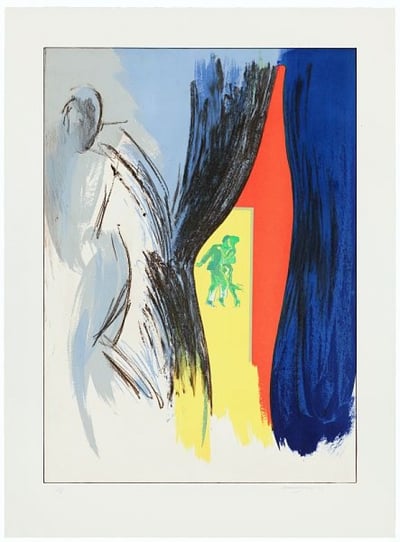
Allen Jones
Dance, 1999
Limited Edition Print
Lithograph
EUR 2,000
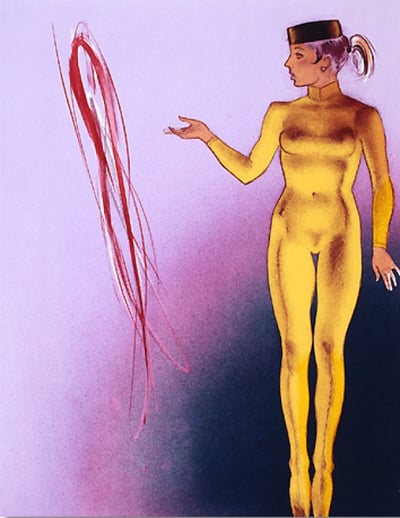
Allen Jones
Intro
Limited Edition Print
Lithograph
Currently Not Available
Related Articles

A Chinese term that describes performance art. This concept is relatively new and may be challenging to articulate unless people understand the intentions behind it. It is a flexible concept that emphasizes everyday, common, and community-focused elements. The art form is heightened, refined, and reflective of how people behave, move, and live.
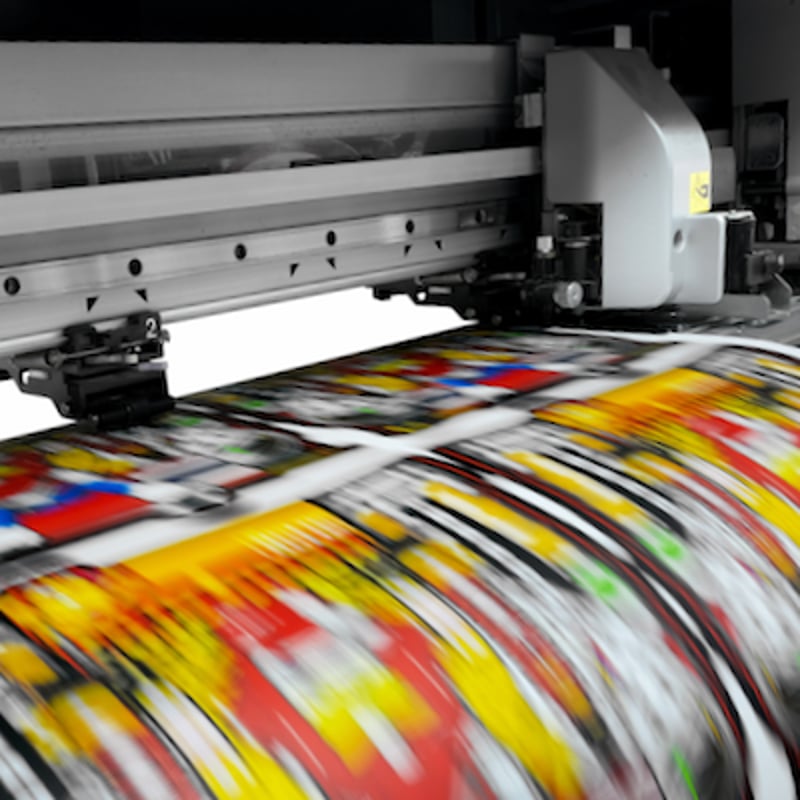
Computer printing involves using computer technology to reproduce fine art images as prints. In its basic form, this means creating digital versions of artwork that are printed onto paper. More advanced techniques allow artists to program computers to generate original art, which is then printed using various printing technologies.
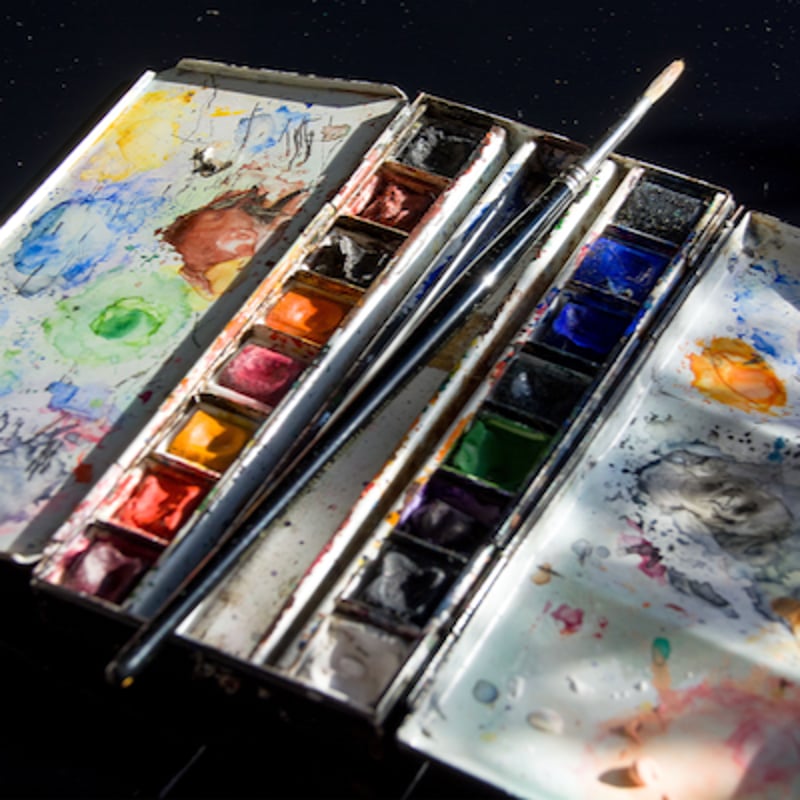
Watercolor refers to both the medium and the resulting artwork created using pigments suspended in a water-soluble vehicle. Watercolors are known for their luminous, transparent appearance because the pigments are applied in pure form with minimal fillers. By adding Chinese white, the watercolor can become opaque, resembling gouache.
Can't find your Answer?
Thank you! Your question has been sent — we'll get back to you shortly.
