
What is Surrealism?
- Show All
- Established
- Discoveries
- Show All
Artworks Related to Surrealism
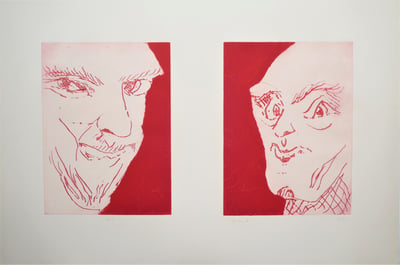
Thomas Schutte
Alte Freunde (Old friends), 2010
Limited Edition Print
Etching
EUR 2,650
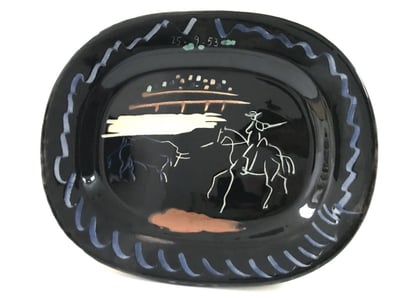
Pablo Picasso
Corrida sur fond noir, 1953
Ceramics
Plate
EUR 12,000 - 15,000
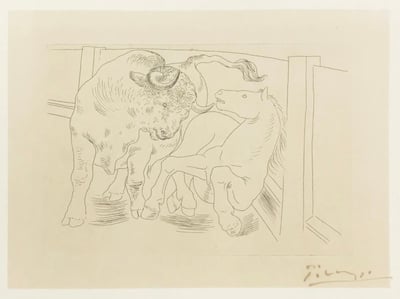
Pablo Picasso
Bull and Horse (plate III) in the Arena from Le Chef-d'œuvre inconnu, 1927
Limited Edition Print
Etching
USD 8,000
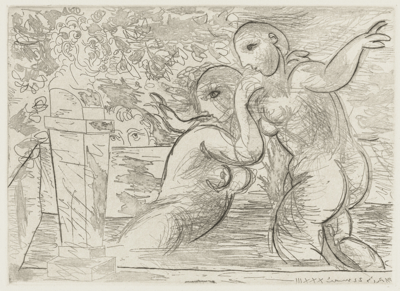
Pablo Picasso
Les Baigneuses Surprises, from La Suite Vollard, 1933
Limited Edition Print
Etching
USD 16,800

Pablo Picasso
Le Cocu Magnifique (noir), 1966
Limited Edition Print
Etching and Aquatint
USD 7,600
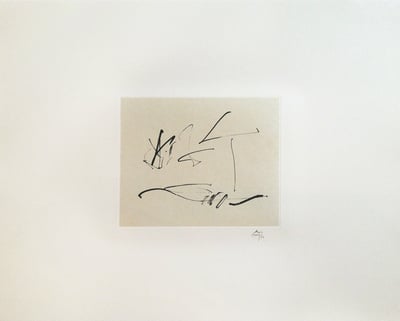
Robert Motherwell
Wind (from Octavio Paz suite), 1988
Limited Edition Print
Lithograph
Currently Not Available
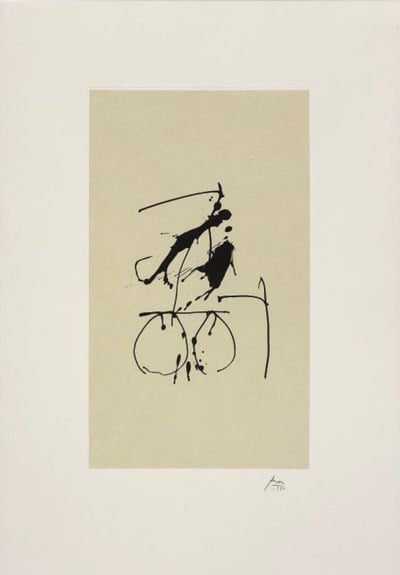
Robert Motherwell
Untitled B423 (from Octavio Paz suit), 1988
Limited Edition Print
Lithograph
USD 2,990
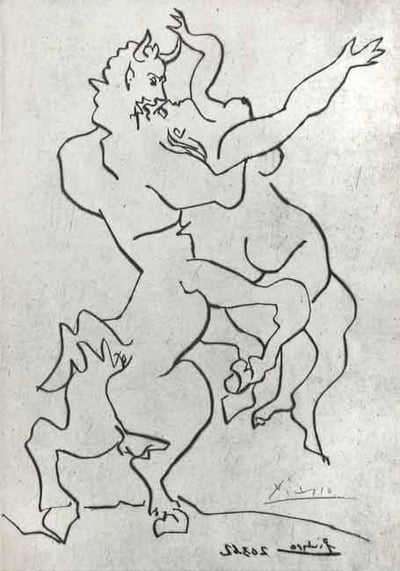
Pablo Picasso
El Rapto De Jezabel Por Quirón El Centauro II, 1962
Limited Edition Print
Drypoint
EUR 9,560
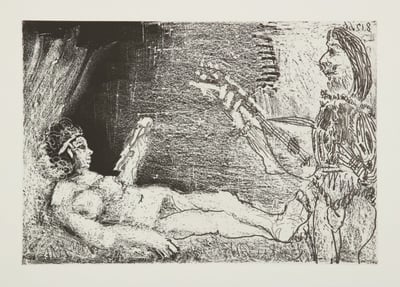
Pablo Picasso
Le Cocu magnifique I, 1968
Limited Edition Print
Etching
EUR 11,900
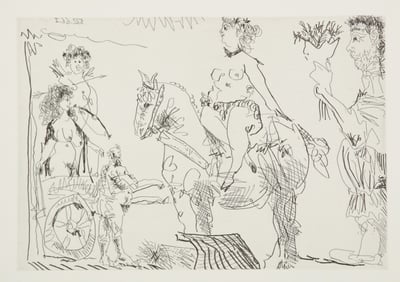
Pablo Picasso
Le Cocu magnifique, 1968
Limited Edition Print
Etching
EUR 11,900

Pablo Picasso
David Et Bethsabée, 1949
Limited Edition Print
Lithograph
EUR 42,450
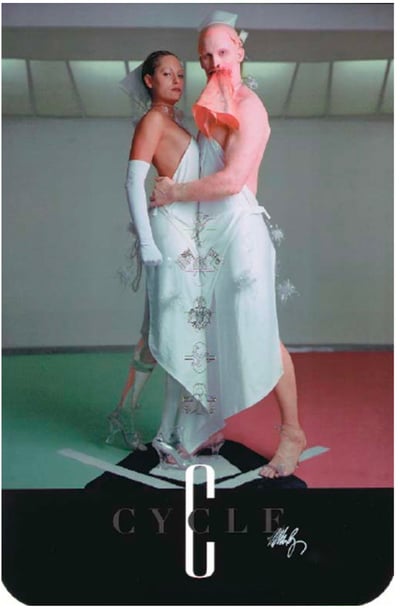
Matthew Barney
Cremaster 3 Mahalym, from The Cremaster Cycle, 1994-2002
Photography
Offset Print
USD 4,500
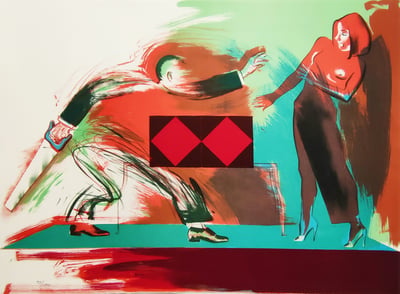
Allen Jones
Trick or Treat, 2000
Limited Edition Print
Lithograph
EUR 1,000
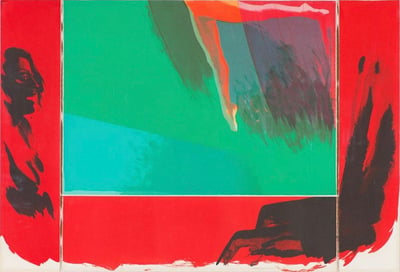
Allen Jones
Box, 1980
Limited Edition Print
Lithograph
USD 1,400

Man Ray
La Ballade des dames hors du temps, Natasha, 1971
Limited Edition Print
Etching and Aquatint
EUR 3,125

Man Ray
Cactus, 1969
Limited Edition Print
Aquatint
EUR 3,125
Related Articles
Situationism is a psychological theory that gained prominence in 1968, following the publication of a monograph by Walter Mischel that sparked the Person-situation debate. This theory argues that behavior is primarily influenced by external situational factors rather than internal traits or motivations, challenging the ideas of trait theorists like Raymond B. Cattell and Hans Eysenck, who emphasized stable personality traits. It is important not to confuse this with the Situationist International movement, an artistic and political movement founded by Asger Jorn, which focused on the critique of modern consumer society and the influence of environments on human behavior.
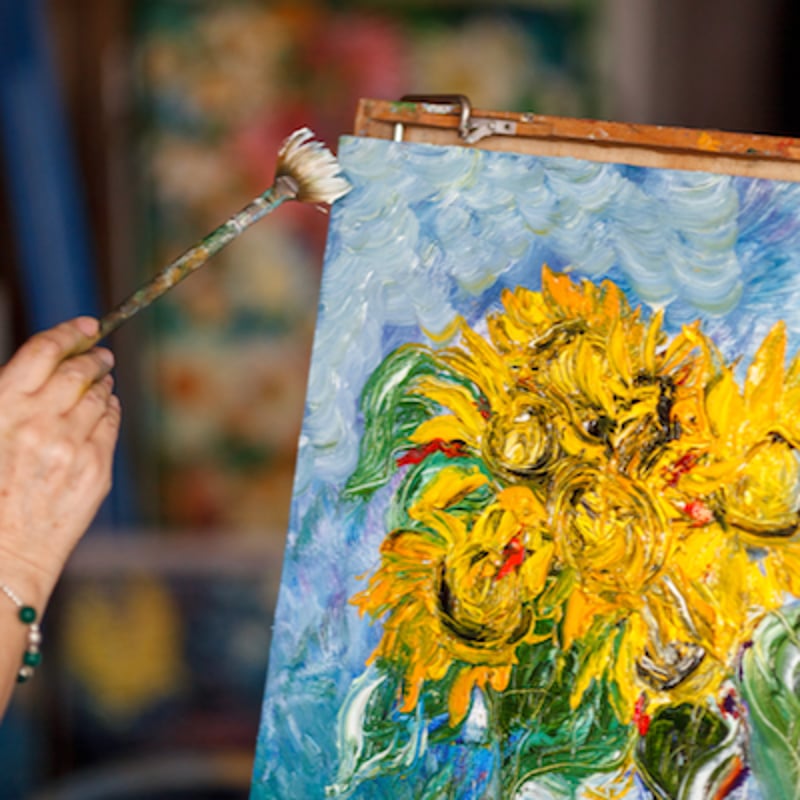
Oil paint is a slow-drying type of paint made from pigment particles suspended in a drying oil, typically linseed oil. The viscosity of the paint can be adjusted by adding a solvent like turpentine, and varnish can be added to increase the glossiness of the dried paint film. Oil painting has been used since the 12th century in Europe, initially for decoration, but it was not widely adopted as a primary painting medium until the 15th century.
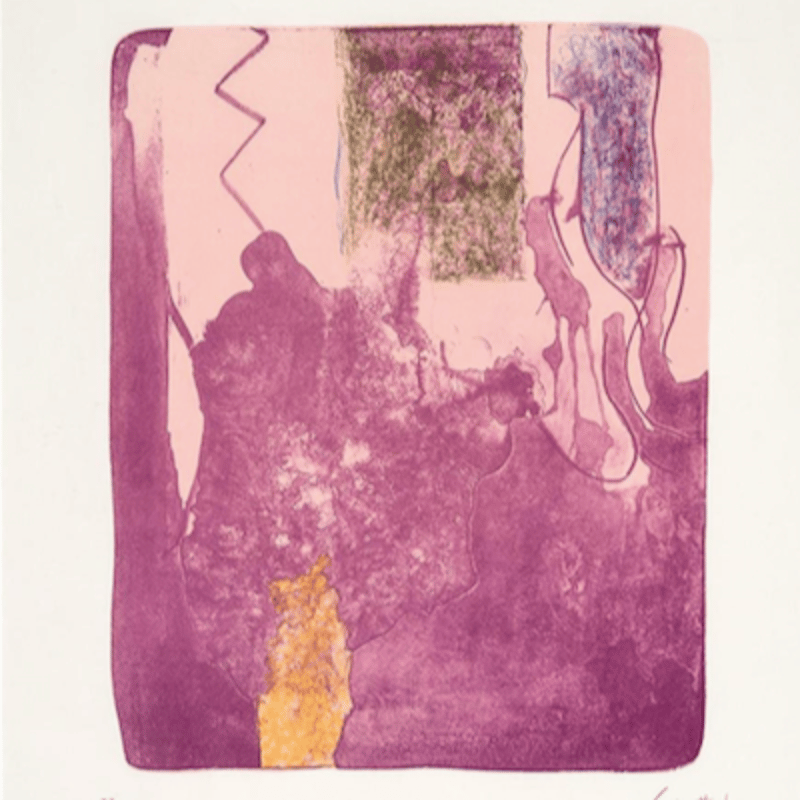
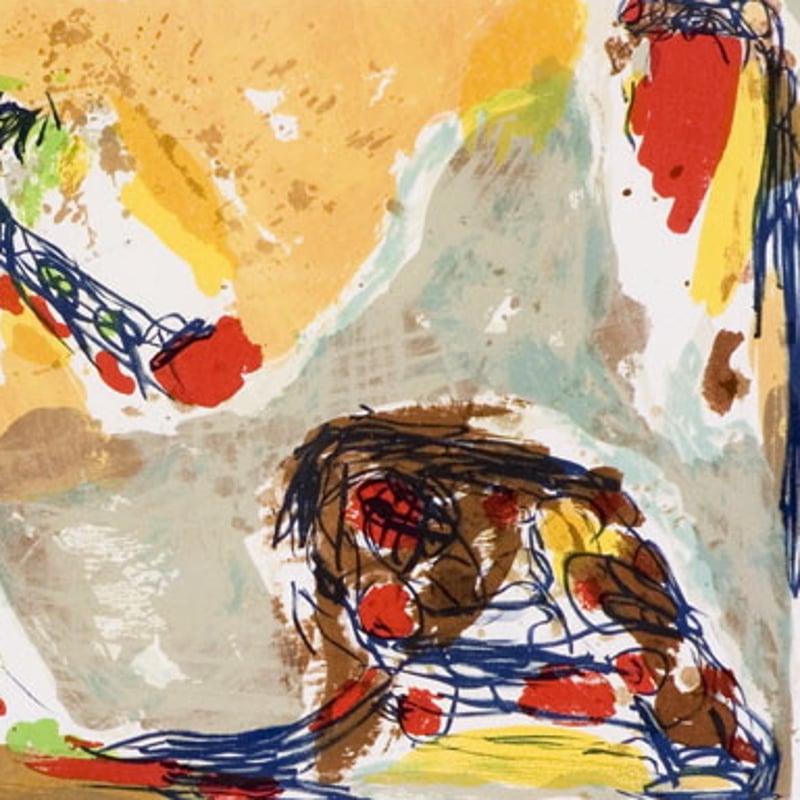
Lyrical abstraction is a descriptive term characterizing a type of abstract painting closely related to Abstract Expressionism, in use from the 1940s to the present. The term can also describe two distinct but related trends in post-World War II modernist painting. This art movement originated in Paris, France, after the war, emphasizing personal expression, spontaneity, and the emotional use of color and form.
Can't find your Answer?
Thank you! Your question has been sent — we'll get back to you shortly.
