What is Intaglio?
Intaglio is a printmaking technique where a design is incised below the surface of a metal or stone plate. Ink is applied to the plate, filling the incised lines or depressions, while the surface is wiped clean. The ink in the depressions is then transferred to paper using an etching press. Common intaglio techniques include engraving, etching, and drypoint.
Show All
- Show All
- Established
- Discoveries
Show All
ARTWORKS RELATED TO INTAGLIO

Jack Youngerman
Untitled 2, from the White Portfolio, 1972
Limited Edition Print
Intaglio
Inquire For Price

Jack Youngerman
Untitled 1, from the White Portfolio, 1972
Limited Edition Print
Intaglio
Inquire For Price
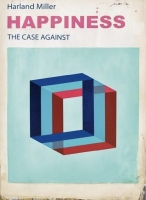
Harland Miller
Happiness (small), 2017
Limited Edition Print
Intaglio
Inquire For Price

Carmen Herrera
Untitled (Vertical Blue Band), 2018
Limited Edition Print
Intaglio
GBP 7,000 - 10,000

Yoshitomo Nara
Y.N. (Self-Portrait), 2002
Limited Edition Print
Intaglio
Inquire For Price

Damien Hirst
Memento 3, 2008
Limited Edition Print
Intaglio
Inquire For Price

Helen Frankenthaler
Valentine for Mr. Wonderful (book), 1995
Limited Edition Print
Intaglio
USD 15,700
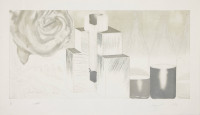
James Rosenquist
Just Desert Israel 2nd State, 1979
Limited Edition Print
Intaglio
Inquire For Price
Related Articles

Artists - October 23, 2024
Roy Lichtenstein's 'Sweet Dreams, Baby!': An Icon of Pop Art
Dive into Roy Lichtenstein’s Sweet Dreams, Baby! (1965). Discover its comic-inspired bold visuals, irony, and impact on Pop Art’s cultural dialogue. Read More
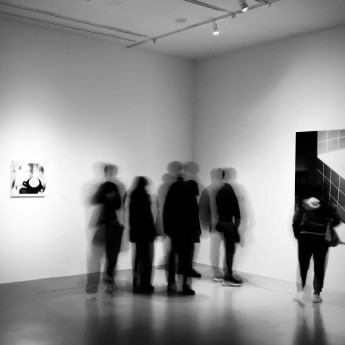
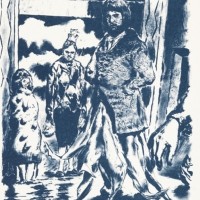
The New Leipzig School is a movement in modern German painting that represents the third generation of artists associated with the Hochschule für Grafik und Buchkunst Leipzig. This movement reflects the post-reunification landscape of Germany. Unlike the first generation of Leipzig painters, the third generation does not have clear, defined characteristics or messages. Instead, their work blends figurative and abstract elements, placing a strong emphasis on creativity and experimentation.
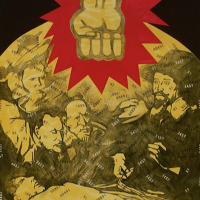
Activist Art is a form of art created to address social and political issues. It often involves public engagement and works closely with communities to raise awareness or inspire change. While it can include elements of performance art, it is not limited to this form. Examples include creating and distributing social protest posters or organizing community-based art projects that highlight specific causes.