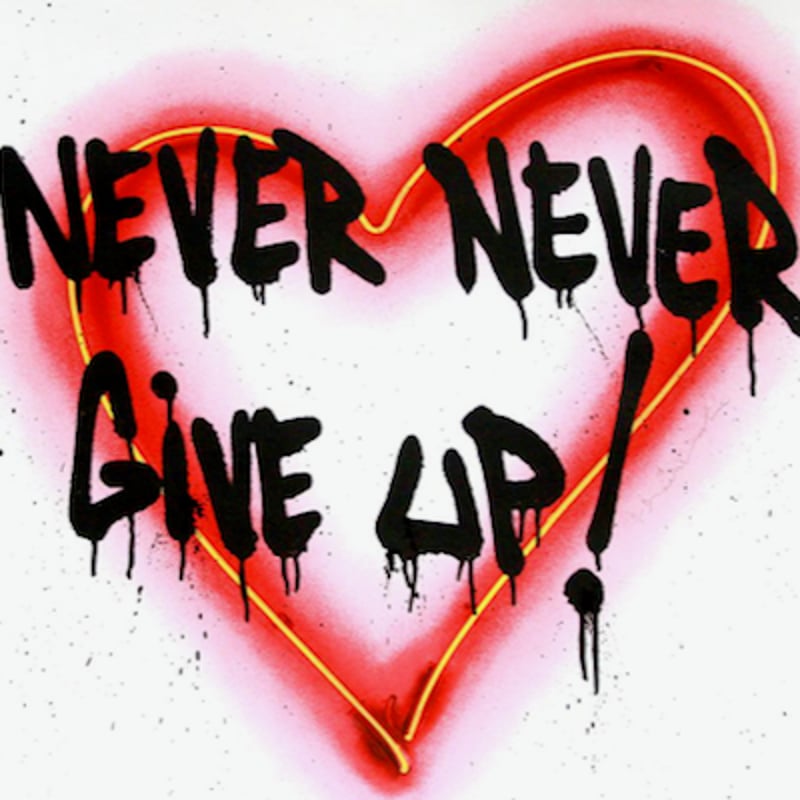
What is graffiti art?
- Show All
- Established
- Discoveries
- Show All
Artworks Related to Graffiti Art
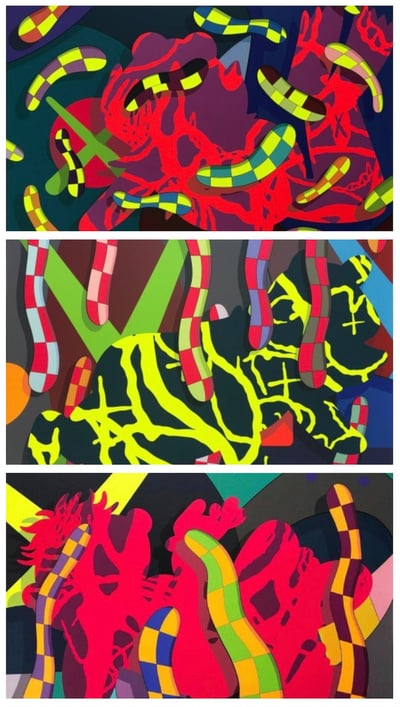
KAWS
Set of 3 serigraphs, 2017/18
Limited Edition Print
Serigraph
Inquire For Price
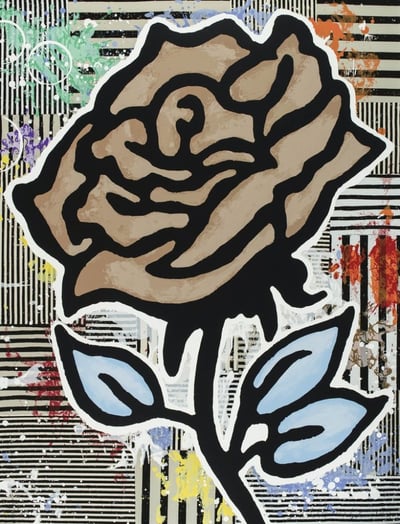
Donald Baechler
The brown rose, 2015
Limited Edition Print
Silkscreen
Currently Not Available
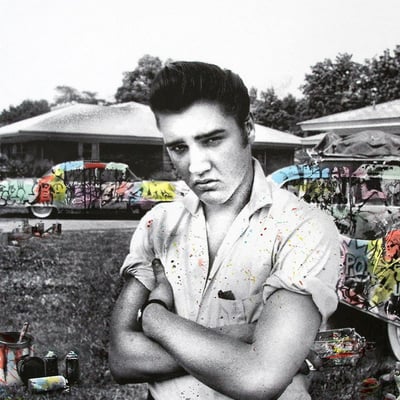
Mr. Brainwash
Cadillac King, 2019
Limited Edition Print
Serigraph
Currently Not Available
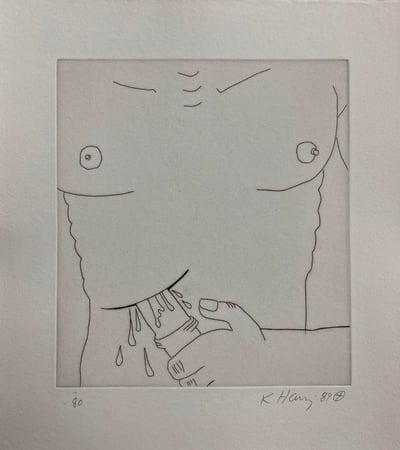
Keith Haring
Untitled from ''The Valley'', 1989
Limited Edition Print
Etching
USD 7,100
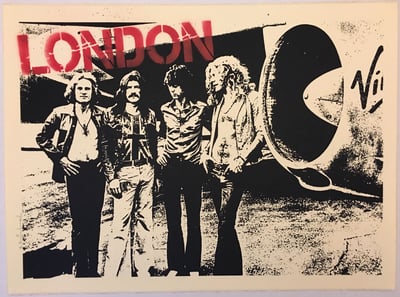
Mr. Brainwash
Stairway to London, 2009
Limited Edition Print
Lithograph
USD 4,620
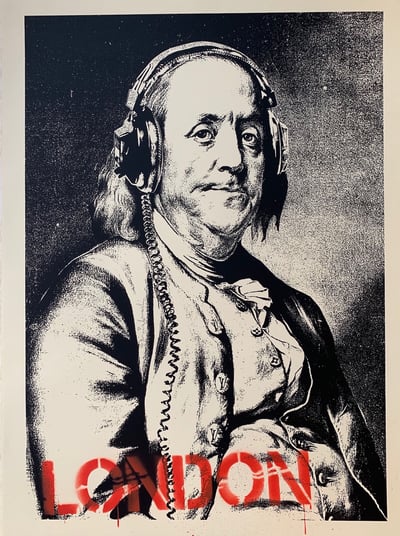
Mr. Brainwash
Big Ben, 2009
Limited Edition Print
Mixed Media
USD 4,850
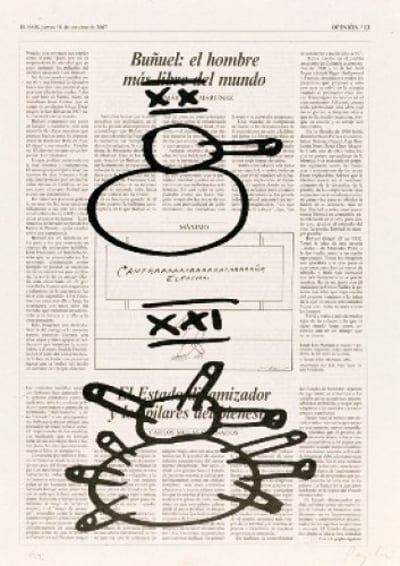
Dan Perjovschi
El País, 2007
Limited Edition Print
Lithograph
EUR 500

Mr. Brainwash
Superheroes (red), 2018
Limited Edition Print
Serigraph
Inquire For Price
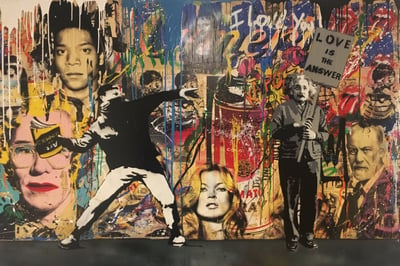
Mr. Brainwash
Banksy thrower and Einstein, 2014
Painting
Mixed Media
USD 64,000 - 84,000
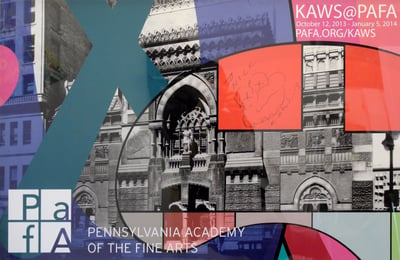
KAWS
Unique Ink Sketch on PAFA , 2013
Drawing / Watercolor
Ink
Inquire For Price
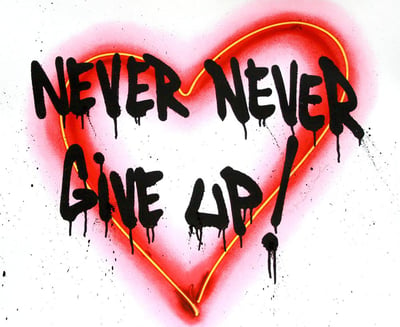
Mr. Brainwash
Speak from the Heart (Never Give Up), 2018
Limited Edition Print
Mixed Media
Currently Not Available
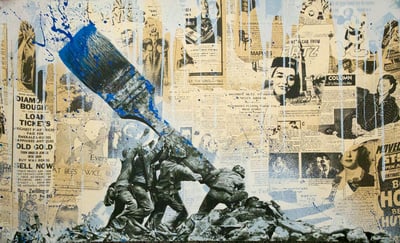
Mr. Brainwash
Untitled (Paintbrush), 2014
Limited Edition Print
Screen-print
EUR 3,900
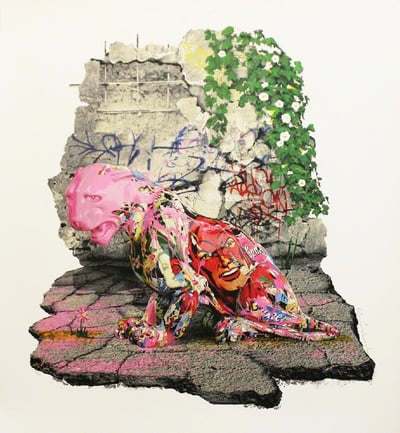
Mr. Brainwash
Nepal Relief Fundraiser, 2015
Limited Edition Print
Screen-print
Inquire For Price
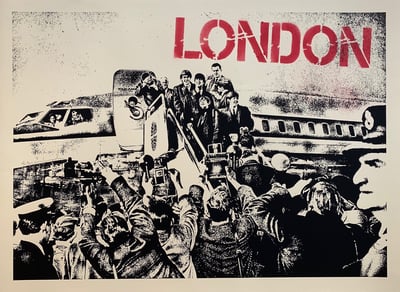
Mr. Brainwash
A good day's flight, 2009
Limited Edition Print
Lithograph
USD 4,850
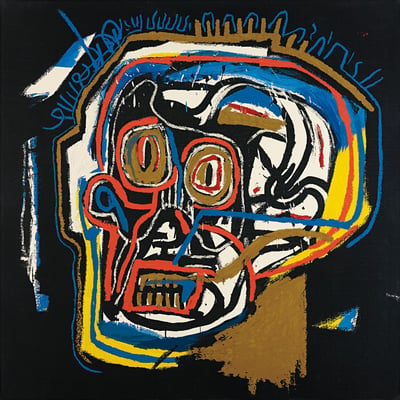
Jean-Michel Basquiat
Head, 2001
Limited Edition Print
Screen-print
Currently Not Available
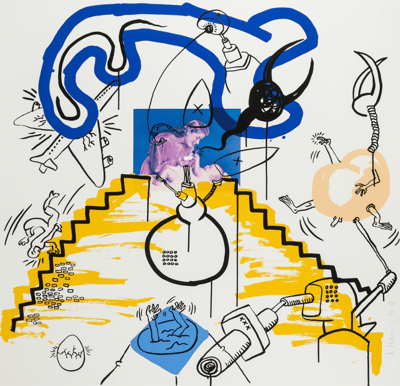
Keith Haring
Apocalypse 3, 1988
Limited Edition Print
Screen-print
EUR 12,250
Related Articles
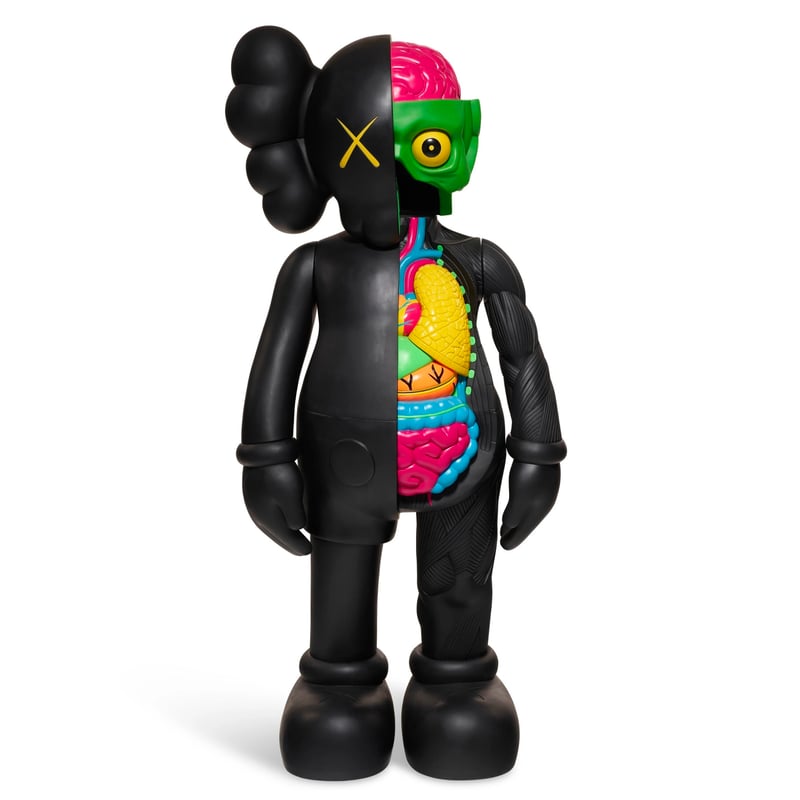

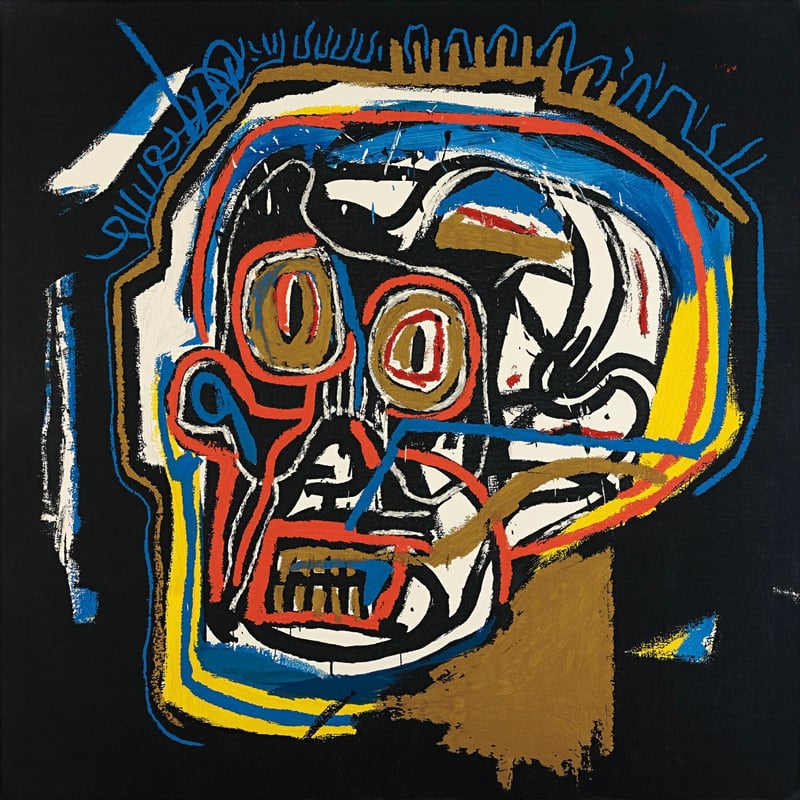

Young British Artists (YBAs), also known as Britart or Brit artists, refers to a group of artists who began exhibiting together in London in 1988. Most of them graduated from the BA Fine Arts course at Goldsmiths in the late 1980s. The YBAs are known for their wild lifestyles, use of unconventional materials, and a combination of entrepreneurial and oppositional attitudes. They dominated the British art scene in the 1990s and gained significant media attention. Many of these artists were initially supported and collected by Charles Saatchi, a key figure in their rise to prominence.
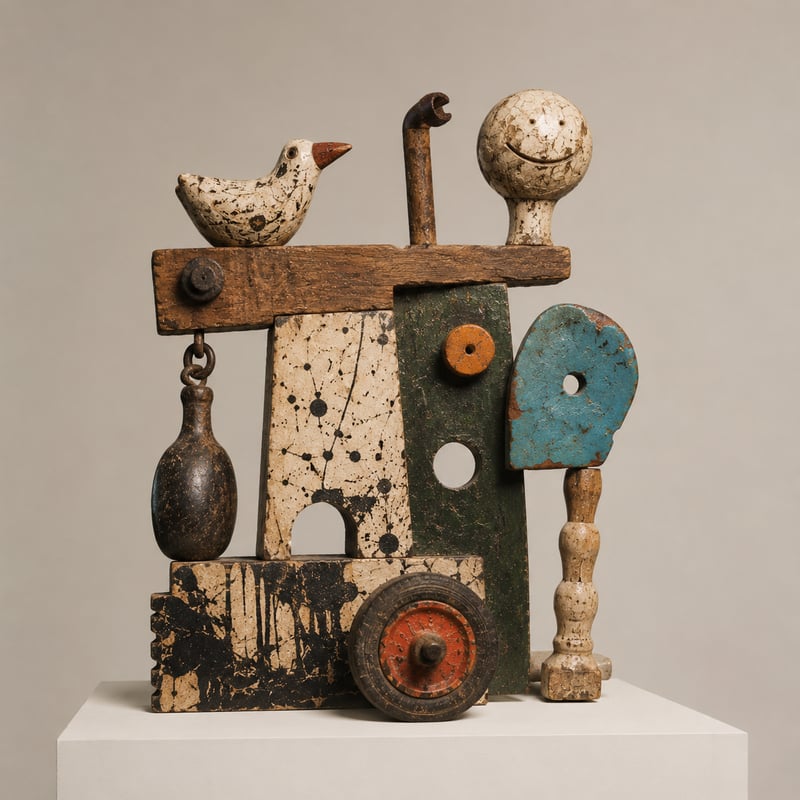
In the 1960s, Funk Art emerged as a reactive movement against Abstract Expressionism. It was widely known as an anti-establishment movement, with the name derived from the jazz term funky. This term carried both positive and negative connotations: in the jazz world, it described passion, quirkiness, and sensuality, but it could also refer to a foul odor. Funk Art was particularly popular in the California Bay Area. While the artists of the Funk Art era shared similar attitudes and styles, they did not see themselves as part of a formal group or movement.
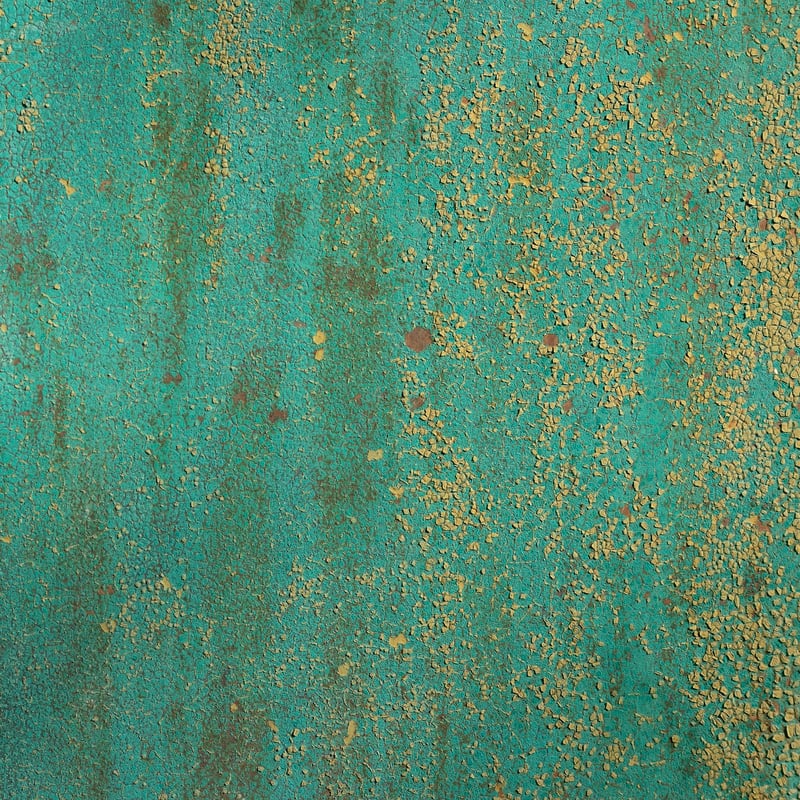
Patina is the distinctive greenish surface that bronze develops over time due to exposure to air and humidity. Artists can also apply chemicals to bronze to artificially create patina. Alternatively, bronze can be polished to reveal its natural rich gold color. Patina is not exclusive to bronze; it can also occur on other metals like copper and even on wood and stone, enhancing the material's character over time.
Can't find your Answer?
Thank you! Your question has been sent — we'll get back to you shortly.
