
What is Comic Strip Art?
- Show All
- Established
- Discoveries
- Show All
Artworks Related to Comic Strip art
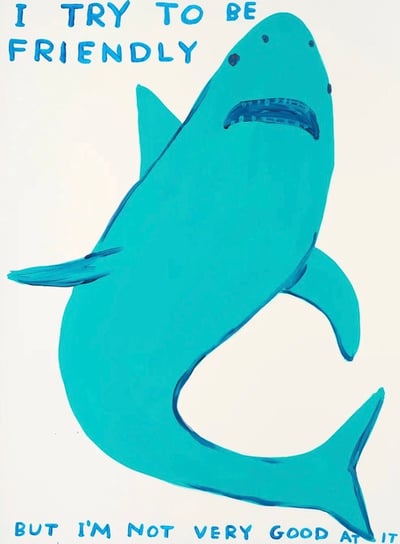
David Shrigley
I try to be friendly, 2023
Limited Edition Print
Screen-print
GBP 11,400
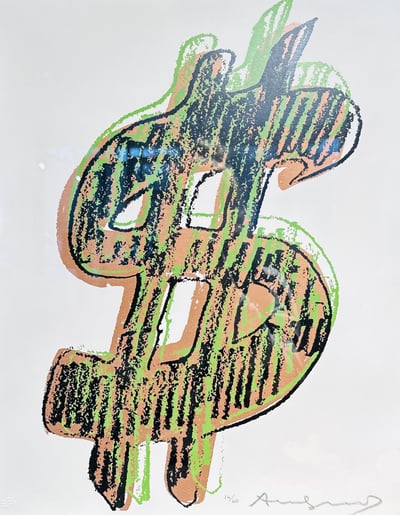
Andy Warhol
Single Dollar Sign (FS II. 278), 1982
Limited Edition Print
Screen-print
EUR 120,000 - 140,000
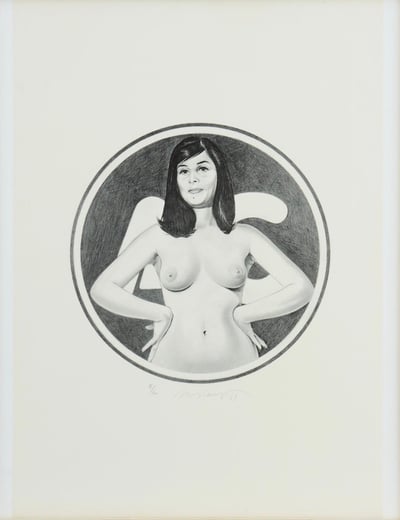
Mel Ramos
Kvinna, 1969
Limited Edition Print
Lithograph
EUR 1,450
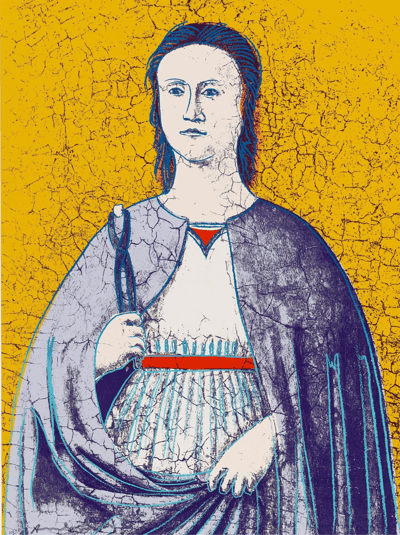
Andy Warhol
Saint Apollonia, II.333, 1984
Limited Edition Print
Screen-print
USD 23,500
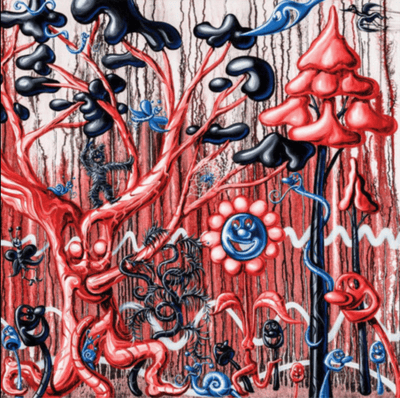
Kenny Scharf
Furungle 6, 2021
Limited Edition Print
Mixed Media
USD 5,790
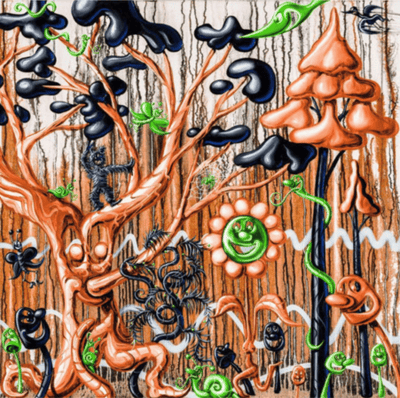
Kenny Scharf
Furungle 5, 2021
Limited Edition Print
Mixed Media
USD 5,790
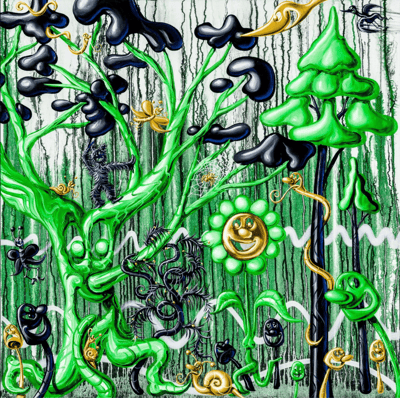
Kenny Scharf
Furungle 4, 2021
Limited Edition Print
Mixed Media
USD 5,790
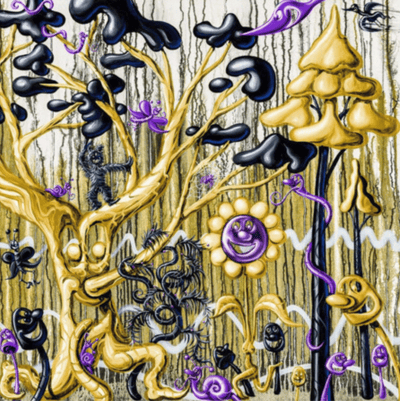
Kenny Scharf
Furungle 3, 2021
Limited Edition Print
Mixed Media
USD 5,790
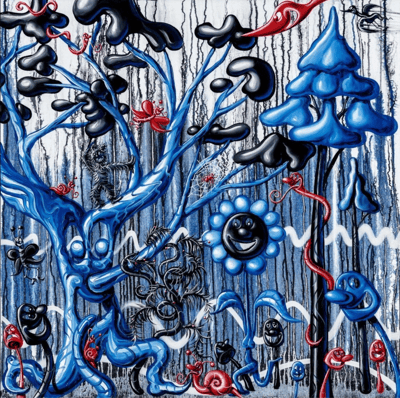
Kenny Scharf
Furungle 2, 2021
Limited Edition Print
Mixed Media
USD 5,790
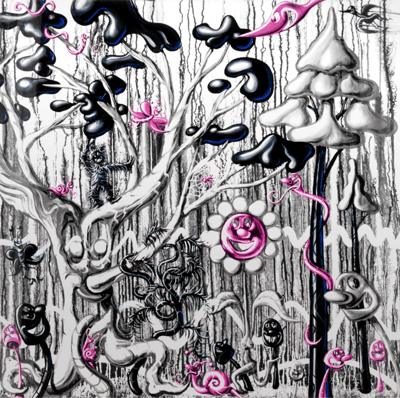
Kenny Scharf
Furungle 1, 2021
Limited Edition Print
Mixed Media
USD 5,790
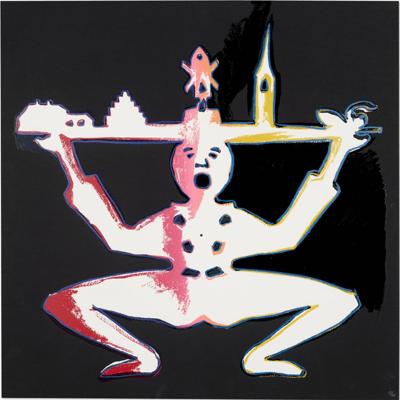
Andy Warhol
Hans Christian Andersen (Clown with Tablet on his Head), 1987
Limited Edition Print
Screen-print
USD 14,600
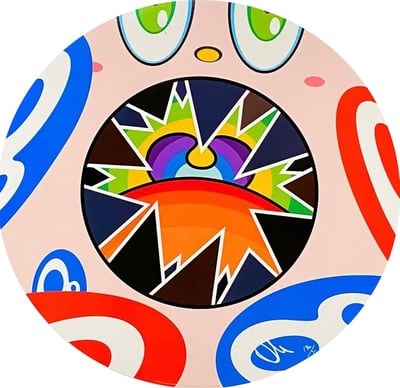
Takashi Murakami
Untitled XXV from We Are the Jocular Clan, 2018
Limited Edition Print
Lithograph
USD 1,550
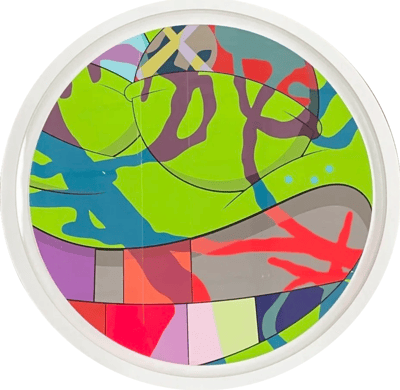
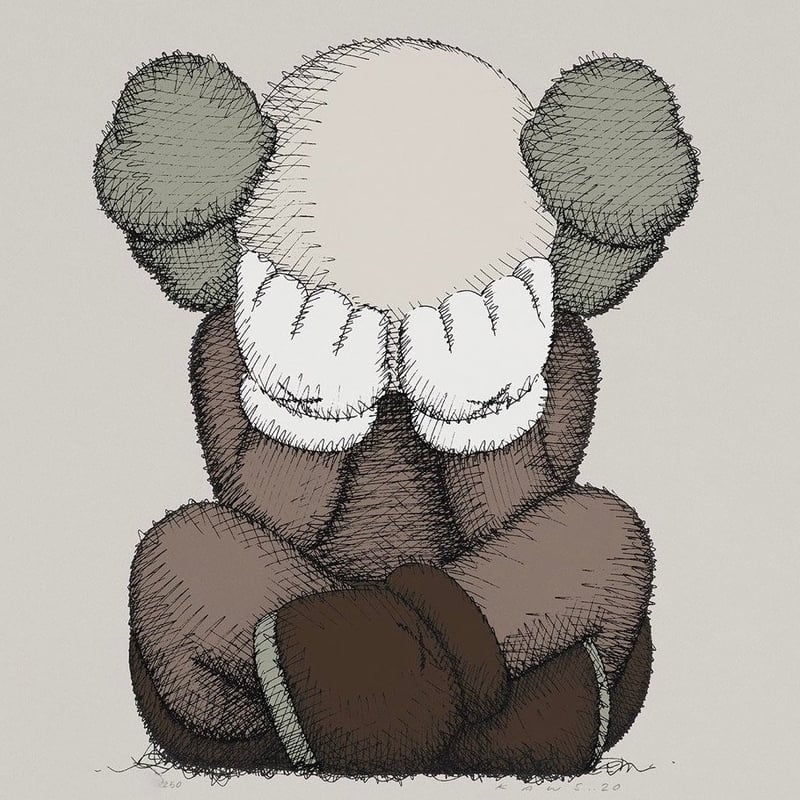
KAWS
The News 2, 2017
Limited Edition Print
Serigraph
USD 11,150
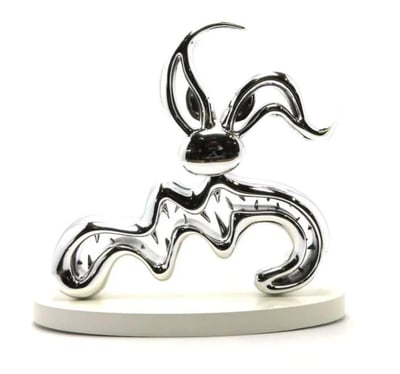
Kenny Scharf
Scary Guy, 2015
Sculpture / Object
Mixed Media
Currently Not Available
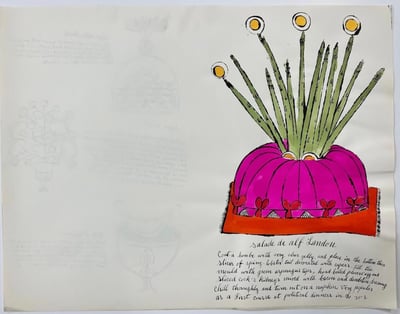
Andy Warhol
Wild Raspberries (Salad), 1959
Limited Edition Print
Offset Print
Inquire For Price
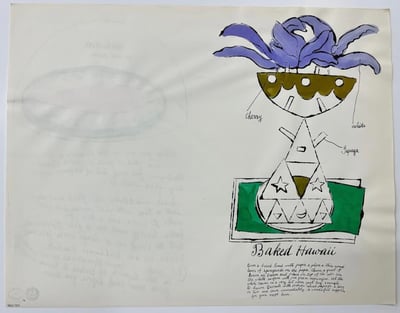
Andy Warhol
Wild Raspberries (Baked Hawaii), 1959
Limited Edition Print
Offset Print
Inquire For Price
Related Articles

Process Art is an artistic movement and creative approach where the focus is on the act of creation rather than the final product. The term process in this context refers to the various stages of art-making, including gathering, sorting, associating, and organizing materials and actions. This movement emphasizes the artistic journey and the human expression involved in creating art, rather than the finished piece itself. Process Art is driven by inherent motivation, intentionality, and the rationale behind the actions, viewing the creative process as the true artwork.

Also known as Dadaism, Dada was a literary and artistic movement that began in 1916 in Zurich, Switzerland. It emerged as a rejection of rationalism and nationalism, which were seen as contributing factors to World War I. The movement had political undertones and was strongly anti-war. Dada activities included demonstrations, gatherings, and the publication of literary and art journals that explored cultural and political topics.

Site-Specific Art is a form of artwork created to exist in a particular location, with the artist considering the site as an integral part of the creative process. Robert Irwin was a key figure in promoting this art form in California. Site-Specific Art emerged as a reaction against modernist objects, which were often portable, commodified, and confined to museum spaces. In contrast, Site-Specific Art is inherently tied to its location, challenging the traditional notions of art as a transportable and marketable commodity.
Can't find your Answer?
Thank you! Your question has been sent — we'll get back to you shortly.
