
What is avant-garde?
- Show All
- Established
- Discoveries
- Show All
Artworks Related to Avant-garde
Andy Warhol
Private Listing
Limited Edition Print
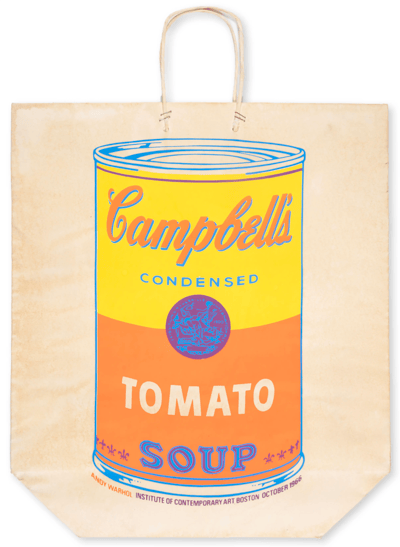
Andy Warhol
Campbell's Soup Can (Tomato), 1966
Limited Edition Print
Screen-print
USD 4,125
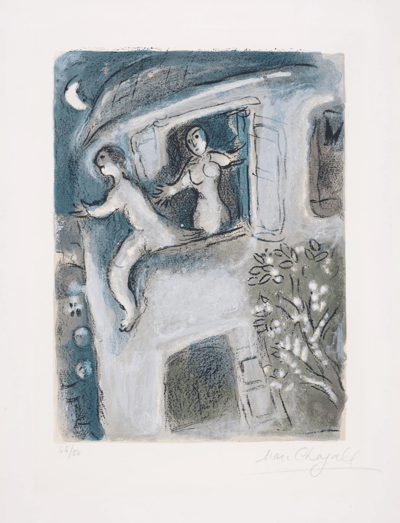
Marc Chagall
David Sauvé par Michal, from La Bible, 1960
Limited Edition Print
Lithograph
USD 4,690

Andy Warhol
Golden Mushroom (from Campbell's Soup II), 1969
Limited Edition Print
Screen-print
USD 50,000 - 60,000
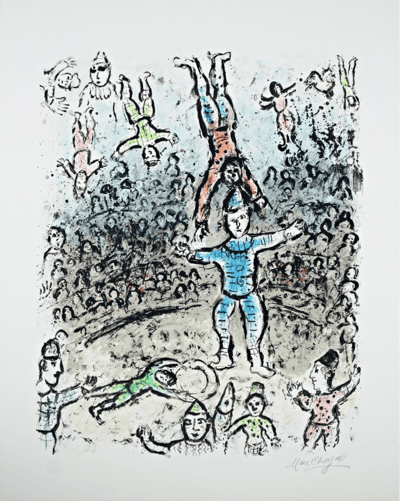
Marc Chagall
The Acrobats, 1984
Limited Edition Print
Lithograph
Inquire For Price
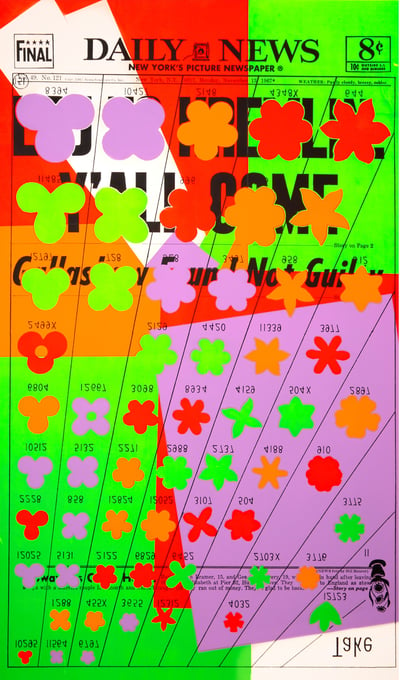
Andy Warhol
Daily News - LBJ to Kremlin – Y'all Come, 1967
Limited Edition Print
Silkscreen
USD 20,000

Man Ray
À l’heure de l’observatoire – Les amoureux, 1970
Limited Edition Print
Lithograph
EUR 38,500
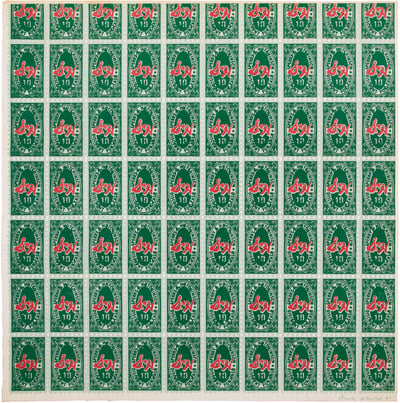
Andy Warhol
S & H Green Stamps, 1965
Limited Edition Print
Offset Print
USD 11,400

Andy Warhol
Tomato Soup, II.46 from Campbell's Soup I, 1968
Limited Edition Print
Screen-print
USD 150,000 - 170,000

Andy Warhol
$ (9), II.285, 1982
Limited Edition Print
Screen-print
USD 200,000 - 250,000
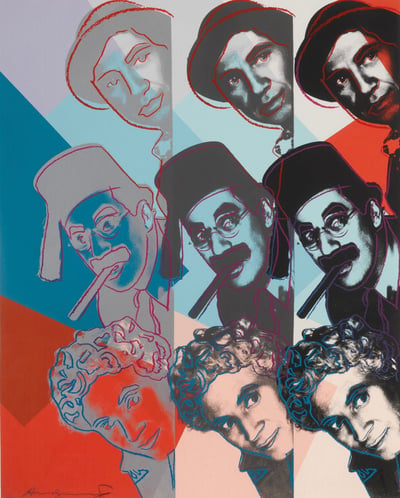
Andy Warhol
The Marx Brothers (F. & S. II.232), 1980
Limited Edition Print
Serigraph
USD 50,000 - 60,000
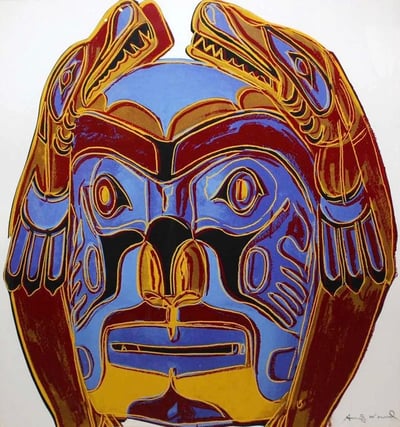
Andy Warhol
Cowboys and Indians: Northwest Coast Mask, II.380, 1986
Limited Edition Print
Screen-print
USD 39,700

Andy Warhol
Mao (F & S II.96), 1972
Limited Edition Print
Screen-print
USD 45,000 - 55,000
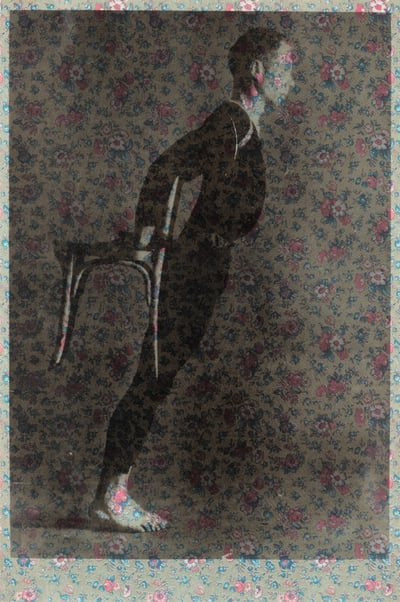
Andy Warhol
Merce Cunningham, 1974
Limited Edition Print
Screen-print
USD 14,000
Andy Warhol
Private Listing
Drawing / Watercolor
Andy Warhol
Private Listing
Drawing / Watercolor
Related Articles

Plaster is a mixture of heat-treated powdered gypsum combined with water to create a workable material. It can be used to make solid sculptures, cast in molds, carved, modeled, or attached to other materials. Artists have used plaster for both working models and finished artworks for centuries due to its versatility.

A silver gelatin print is a type of photographic print made using the silver process. In this process, photographic materials such as black and white films and printing papers are coated with a light-sensitive emulsion of silver salts suspended in gelatin. This emulsion is applied to a support, which could be flexible plastic, glass, resin-coated paper, or baryta paper. The materials are light-sensitive and remain stable under normal storage conditions, making them ideal for long-term preservation.

Cement refers to a variety of mixtures, typically made from clay, limestone, water, sand, and gravel, which form concrete used in construction. The term to cement also means to join or unite materials. In art, cement can refer to the process of securely gluing or bonding elements together, often used in sculptural work or mixed media.
Can't find your Answer?
Thank you! Your question has been sent — we'll get back to you shortly.
