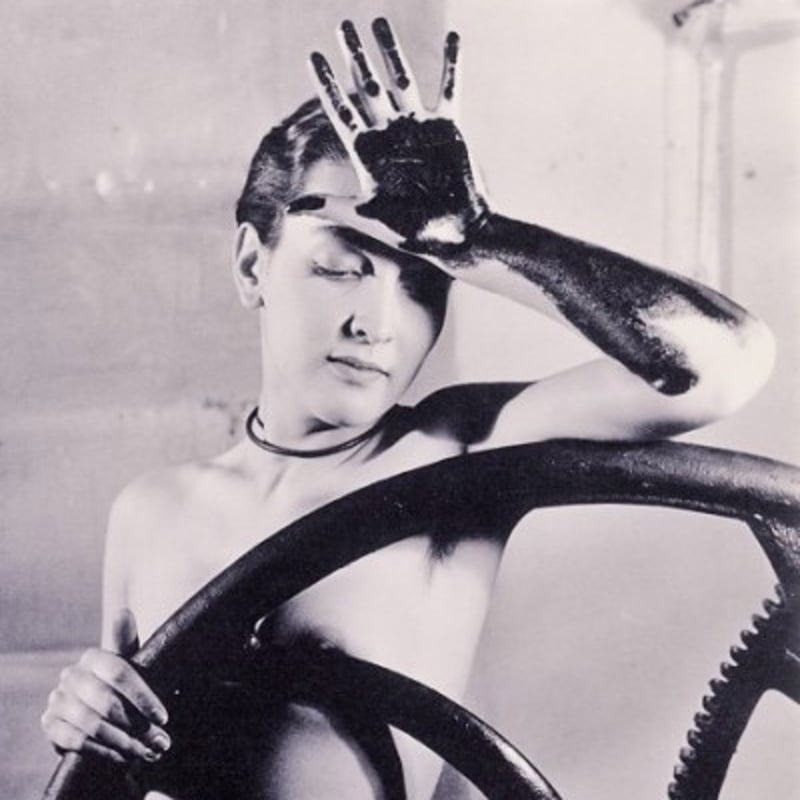
What is avant-garde?
- Show All
- Established
- Discoveries
- Show All
Artworks Related to Avant-garde

Andy Warhol
In The Bottom of my Garden IV.102A, 1956
Limited Edition Print
Mixed Media
USD 7,200
Andy Warhol
Private Listing
Limited Edition Print
Andy Warhol
Private Listing
Limited Edition Print
Andy Warhol
Private Listing
Painting
Andy Warhol
Private Listing
Limited Edition Print
Andy Warhol
Private Listing
Painting
Andy Warhol
Private Listing
Limited Edition Print
Andy Warhol
Private Listing
Limited Edition Print
Andy Warhol
Private Listing
Limited Edition Print
Andy Warhol
Private Listing
Limited Edition Print
Andy Warhol
Private Listing
Limited Edition Print
Andy Warhol
Private Listing
Limited Edition Print
Andy Warhol
Private Listing
Drawing / Watercolor
Andy Warhol
Private Listing
Drawing / Watercolor
Andy Warhol
Private Listing
Drawing / Watercolor
Andy Warhol
Private Listing
Limited Edition Print
Related Articles

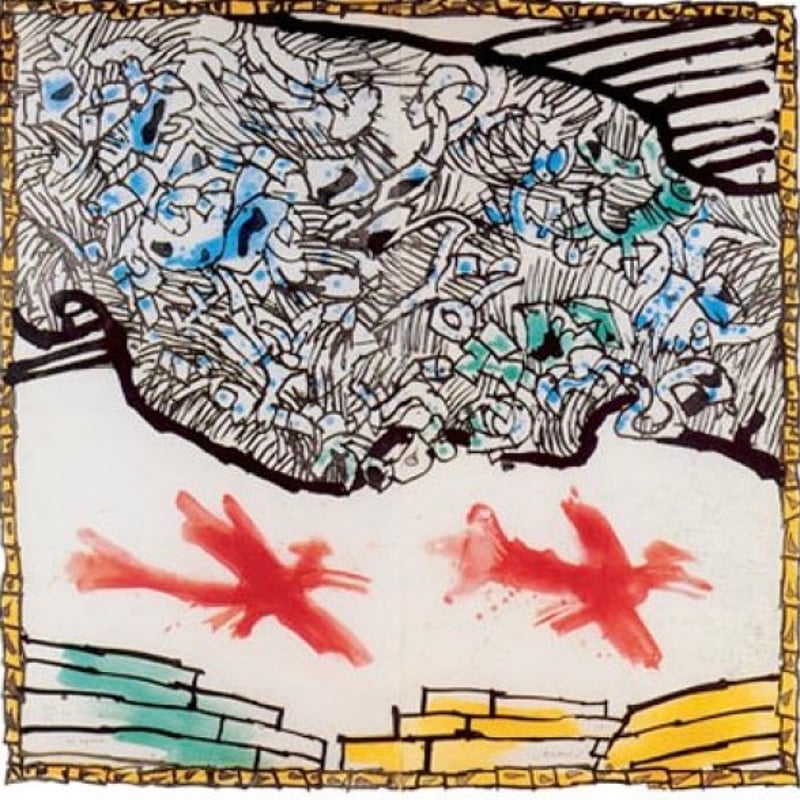
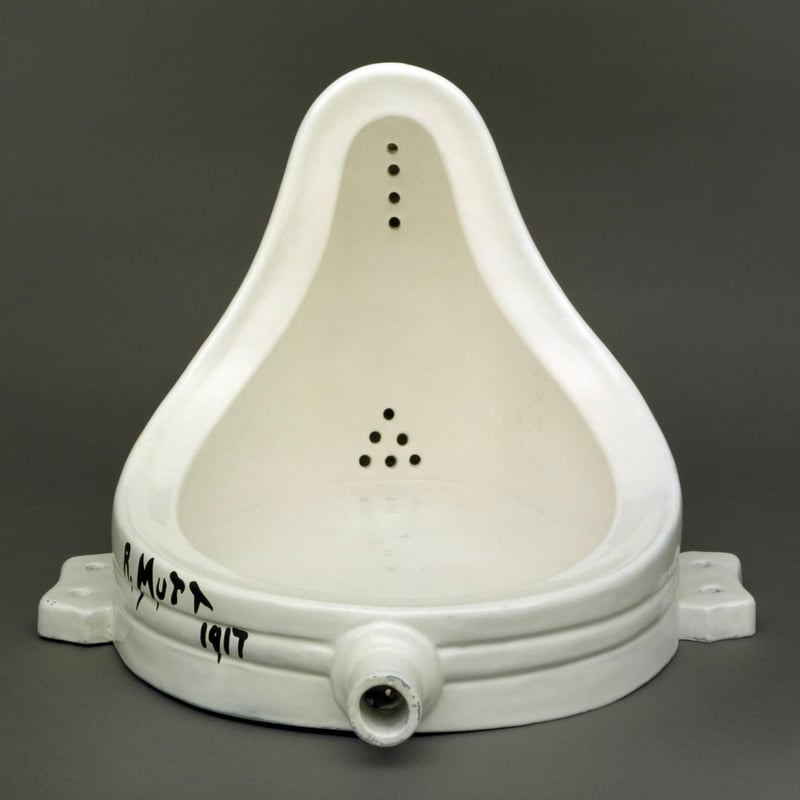

Intaglio is a printmaking technique where the artist creates marks on a metal plate that hold ink or dye. The inked plate is then pressed onto paper, transferring the ink to the sheet. This process can be repeated multiple times depending on the technique. Intaglio methods, such as etching, often involve applying a mordant (acid) to the metal plate to create the design. Intaglio encompasses various techniques, including engraving, etching, and drypoint.
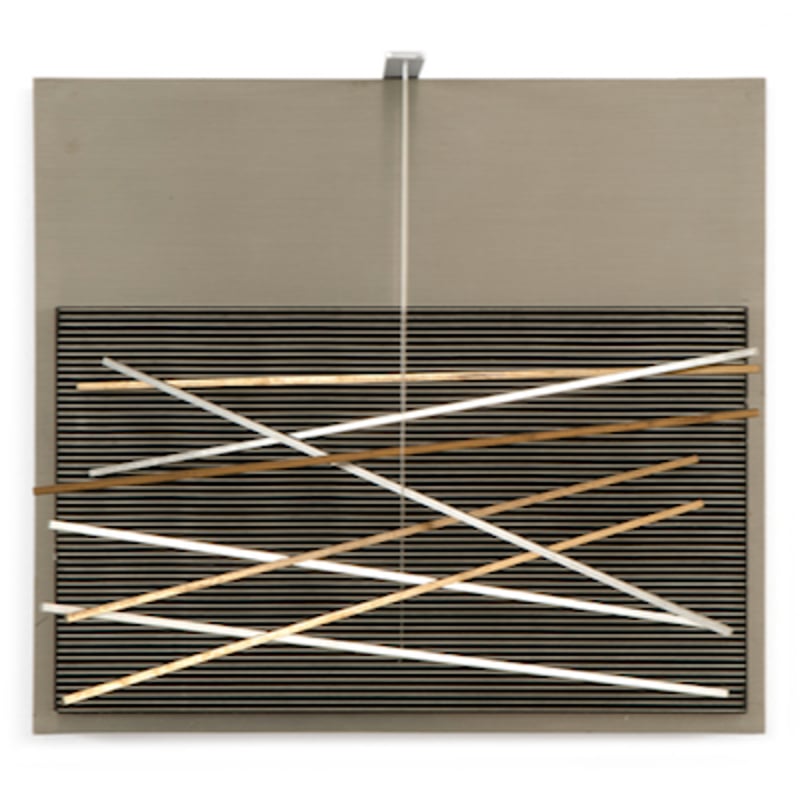
Kinetic art is an international movement that emerged in the 1920s and gained prominence in the 1960s, referring to art that involves both apparent and real motion. It encompasses any medium that includes movement, either relying on actual motion for its effect or being perceived as moving by the viewer. Early examples include canvas paintings designed to create optical illusions of movement. Today, kinetic art often refers to three-dimensional figures and sculptures, such as those operated by machines or those that move naturally. The movement covers a variety of styles and techniques that frequently overlap.
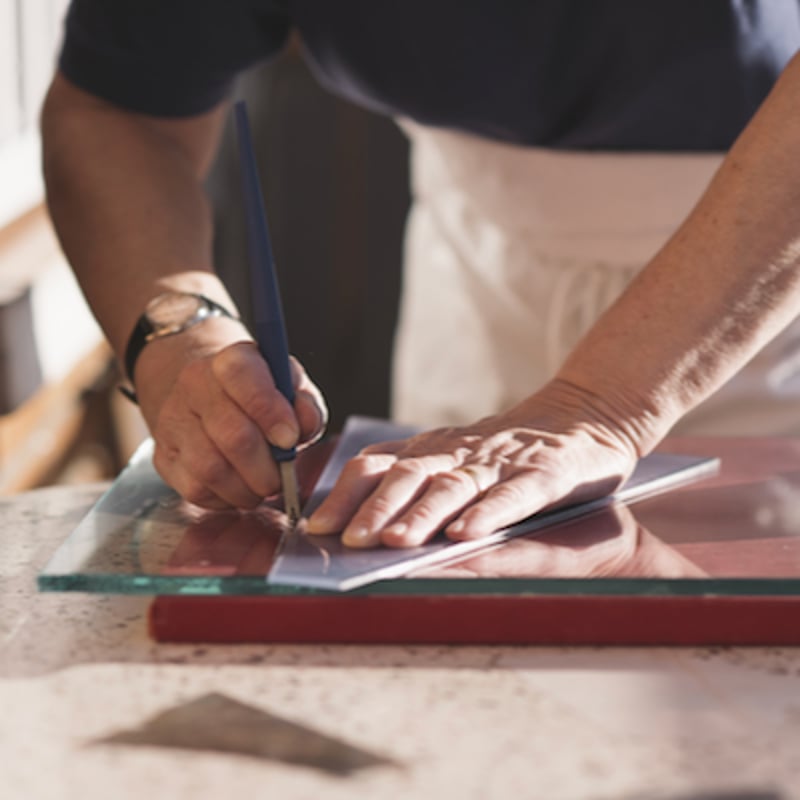
Glass is a transparent solid that varies in composition depending on the type. Artists use different types of glass to create art forms such as stained glass, blown glass, and various decorated pieces. Glass can be cut, textured, overlaid, engraved, and shaped in many ways to produce intricate and beautiful works of art.
Can't find your Answer?
Thank you! Your question has been sent — we'll get back to you shortly.
