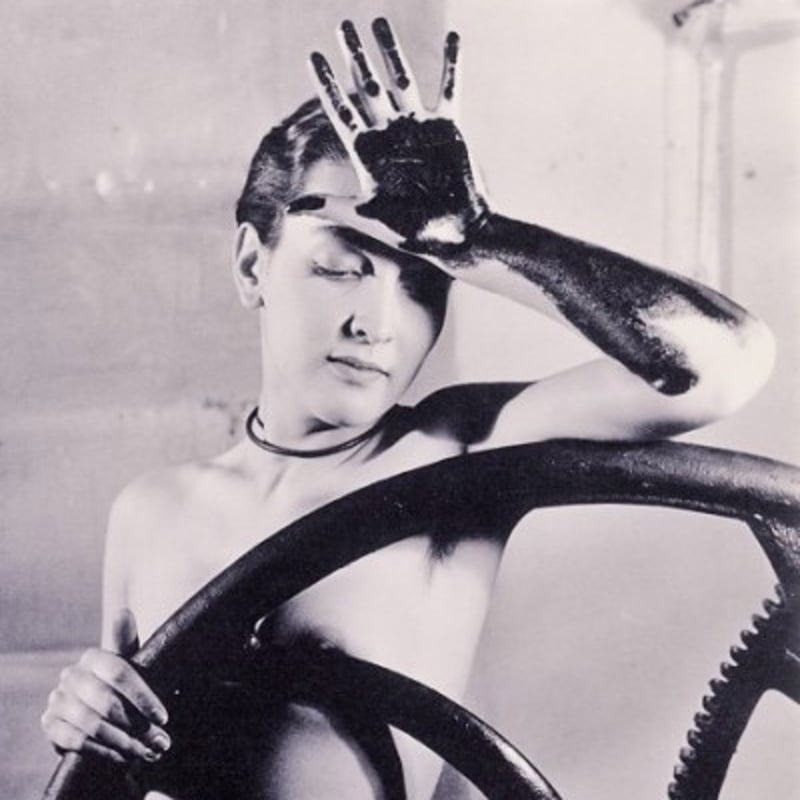
What is avant-garde?
- Show All
- Established
- Discoveries
- Show All
Artworks Related to Avant-garde
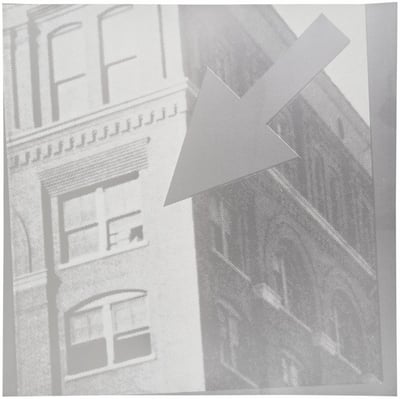
Andy Warhol
Flash - November 22, 1963 (F. & S. 39), 1968
Limited Edition Print
Screen-print
USD 9,540
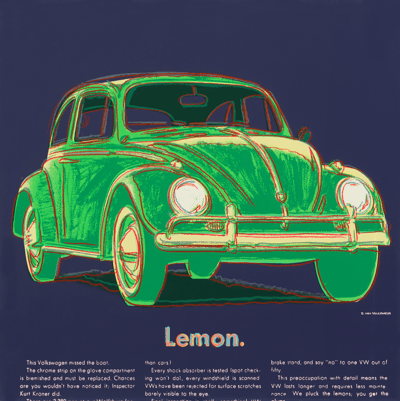
Andy Warhol
Volkswagen (F. & S. II.358), 1985
Limited Edition Print
Screen-print
USD 80,000 - 90,000
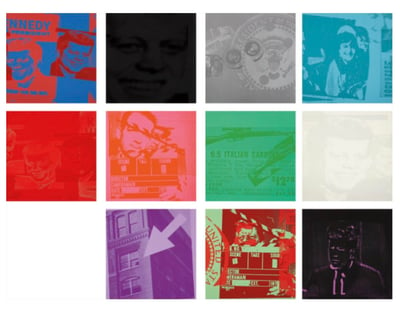
Andy Warhol
Flash (November 22 1963) portfolio, 1968
Limited Edition Print
Screen-print
USD 100,000 - 120,000
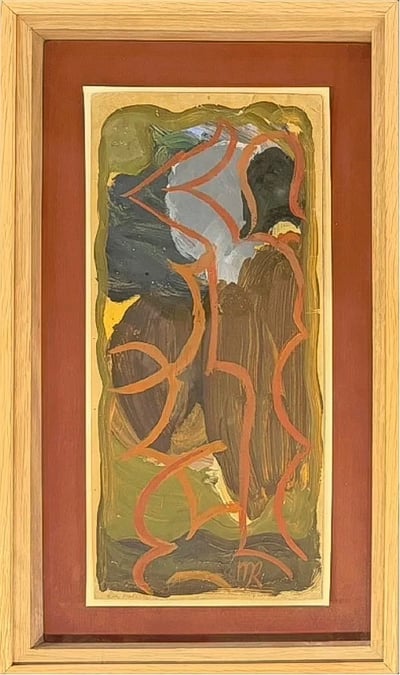
Man Ray
La Palette, 1944
Painting
Oil on paper
Inquire For Price
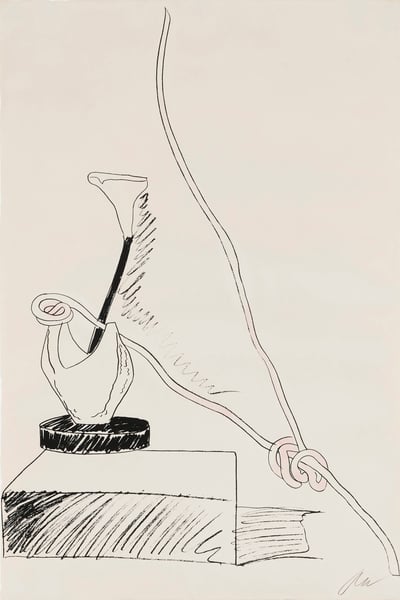
Andy Warhol
Flowers (Black and White), FS II.101, 1974
Limited Edition Print
Screen-print
USD 10,750
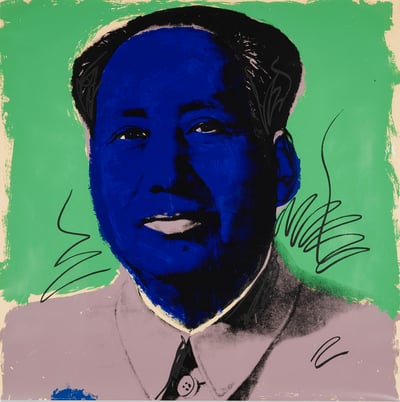
Andy Warhol
Mao (F & S II.90), 1972
Limited Edition Print
Screen-print
Inquire For Price
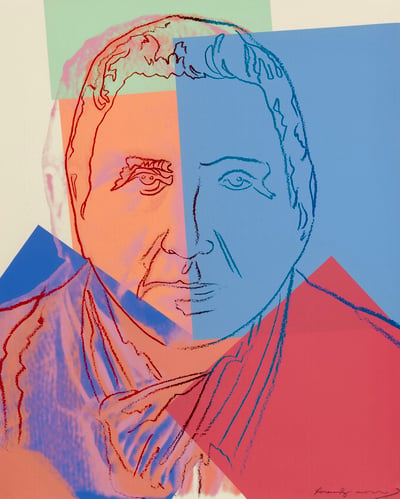
Andy Warhol
Gertrude Stein (FS II.227), 1980
Limited Edition Print
Screen-print
USD 16,500
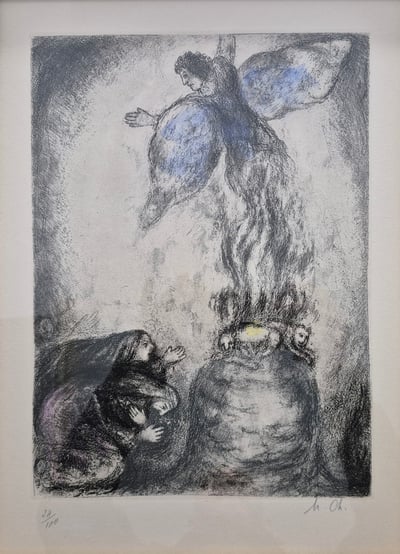
Marc Chagall
Sacrifice of Manoah, 1956
Limited Edition Print
Etching
EUR 4,200
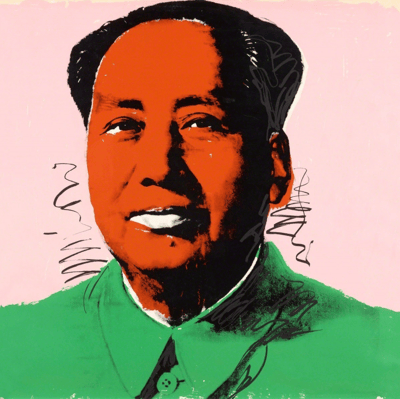
Andy Warhol
Mao (F & S II.94), 1972
Limited Edition Print
Screen-print
USD 45,000 - 55,000
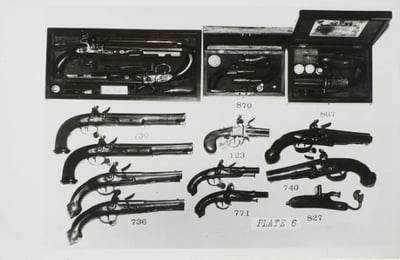
Andy Warhol
Gun Collection Photgraph
Limited Edition Print
Gelatin Silver Print
Inquire For Price
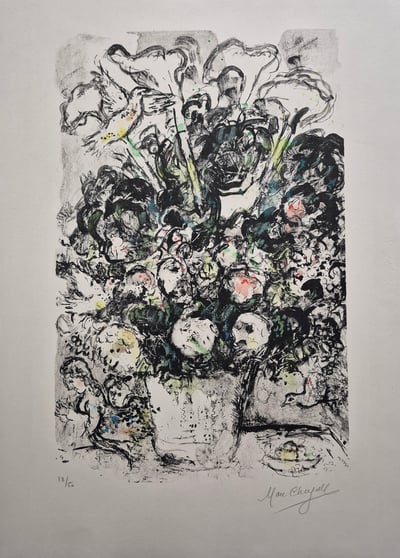
Marc Chagall
Le Bouquet Blanc, 1969
Limited Edition Print
Lithograph
EUR 9,600
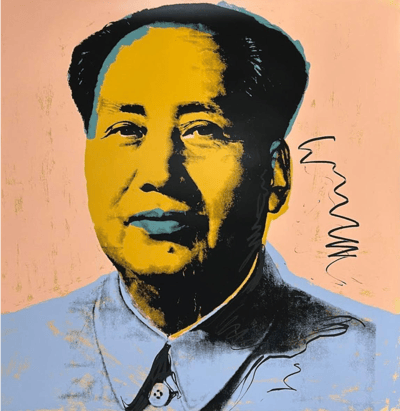
Andy Warhol
Mao (F & S II.92), 1972
Limited Edition Print
Screen-print
USD 45,000 - 55,000
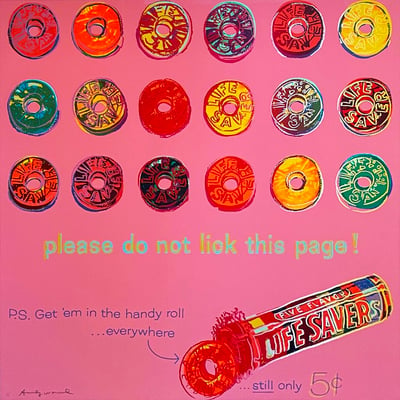
Andy Warhol
Ads: Life Savers, II.353, 1985
Limited Edition Print
Screen-print
USD 120,000 - 150,000
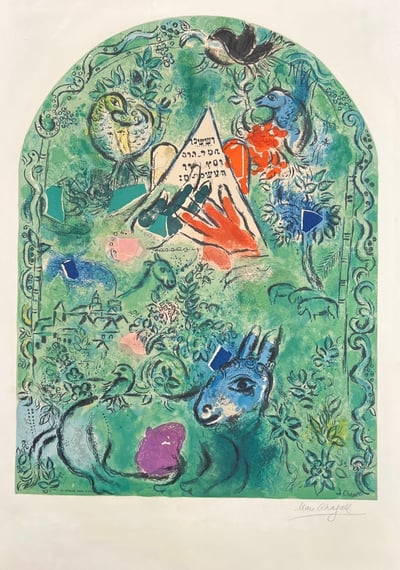
Marc Chagall
The Tribe of Issachar, 1964
Limited Edition Print
Lithograph
Inquire For Price
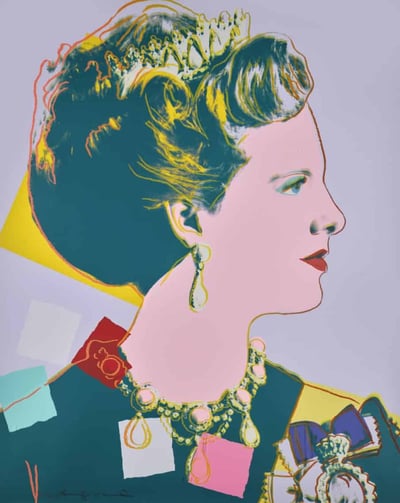
Andy Warhol
Queen Margrethe II of Denmark, FS II. 342A, 1985
Limited Edition Print
Screen-print
USD 50,000 - 60,000
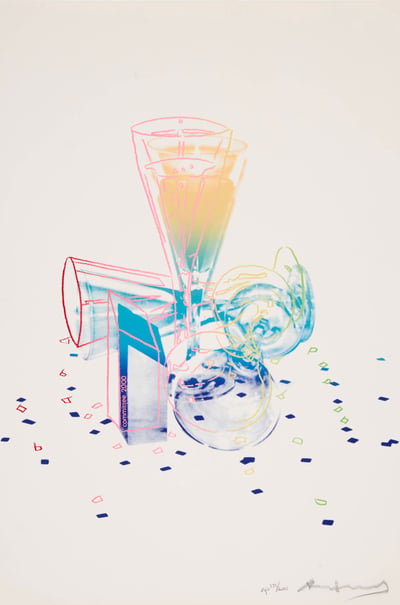
Andy Warhol
Committee 2000, II.289, 1982
Limited Edition Print
Screen-print
USD 16,850
Related Articles
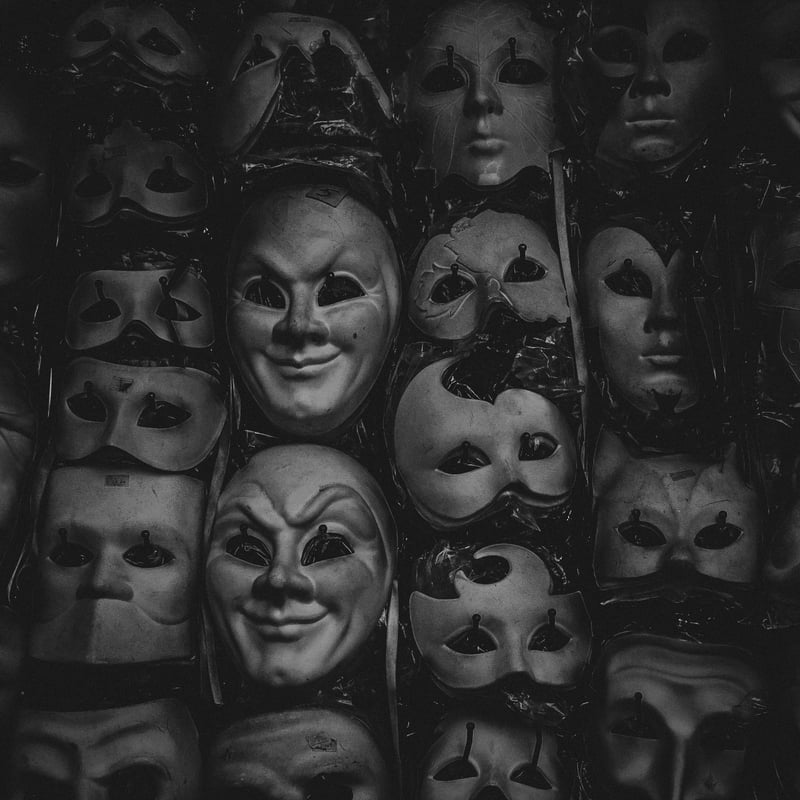
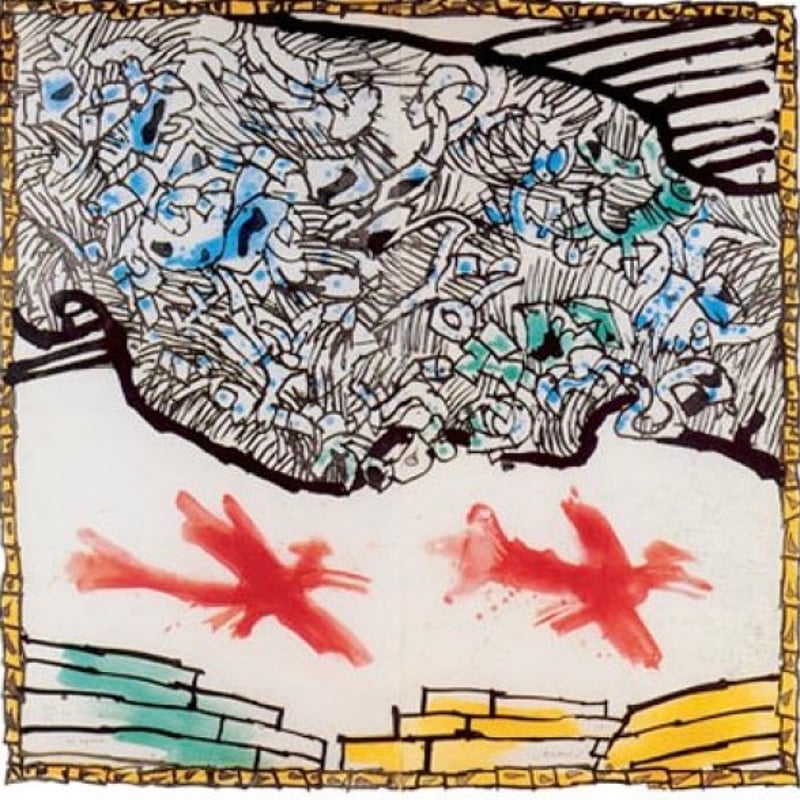

Transavanguardia is the Italian version of Neo-Expressionism, referring to an art movement that emerged in Italy and other parts of Western Europe during the 1970s and 1980s. The term translates to beyond the avant-garde. Transavanguardia arose as a reaction against the dominance of conceptual art, reintroducing emotion and reviving painting as a primary medium. The movement marked a return to mythic imagery and figurative art, celebrating a rediscovery of traditional forms and themes in a contemporary context.

The term medium in art refers both to the type of art being created and the materials used to make the artwork. For example, painting, printmaking, and sculpture are types of art that are referred to as mediums. The materials used in these mediums include oils, acrylics, inks, and clay.
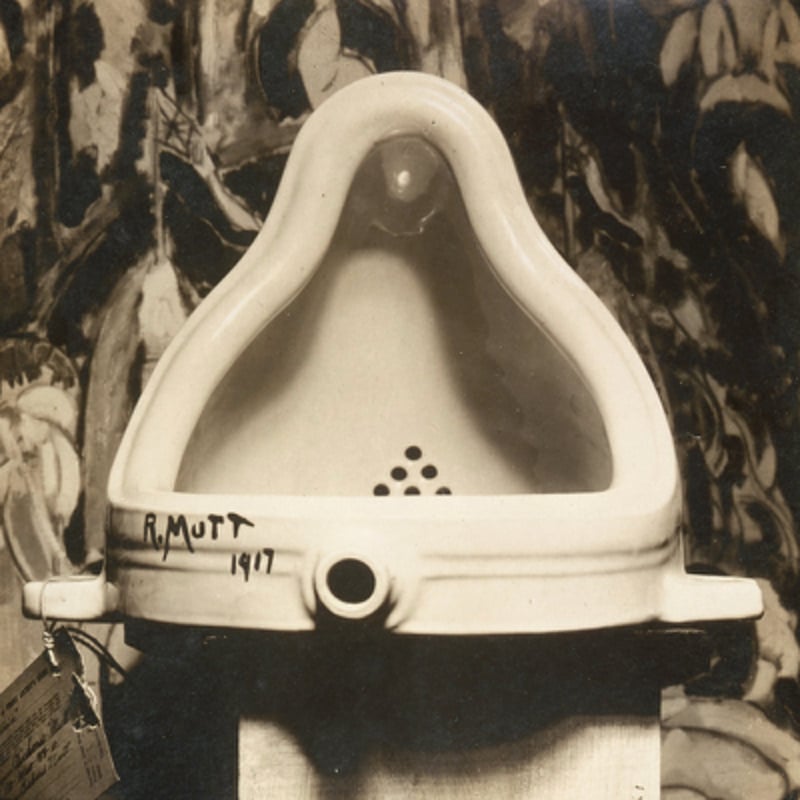
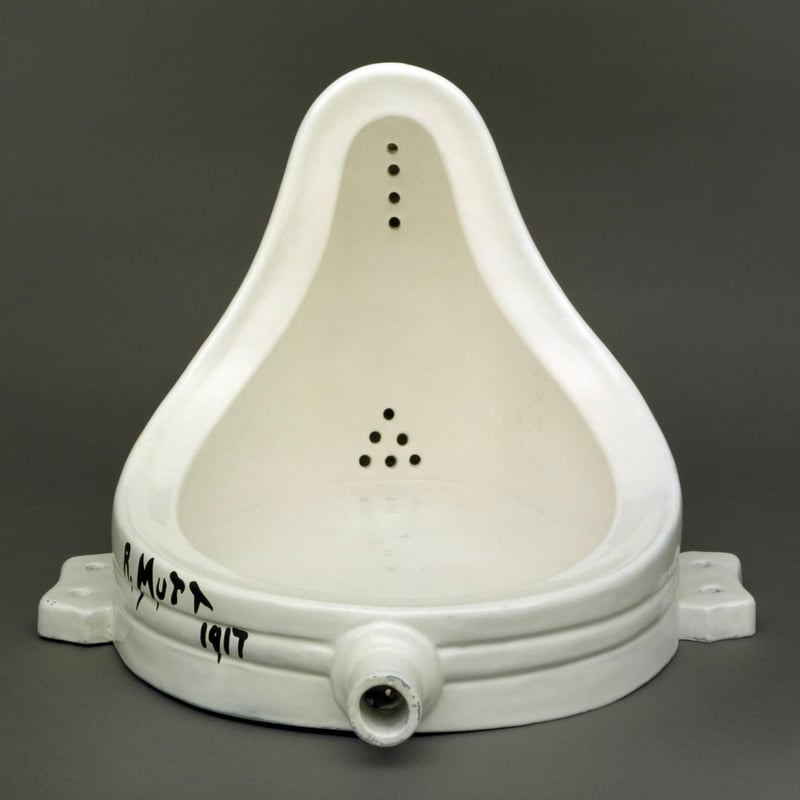
Found objects (or objet trouvé in French) are everyday items that an artist finds and incorporates into a work of art. While collectors have displayed aesthetically pleasing objects for centuries, modern art often uses objects that originally had non-artistic functions, such as recycled or repurposed materials.
Can't find your Answer?
Thank you! Your question has been sent — we'll get back to you shortly.
