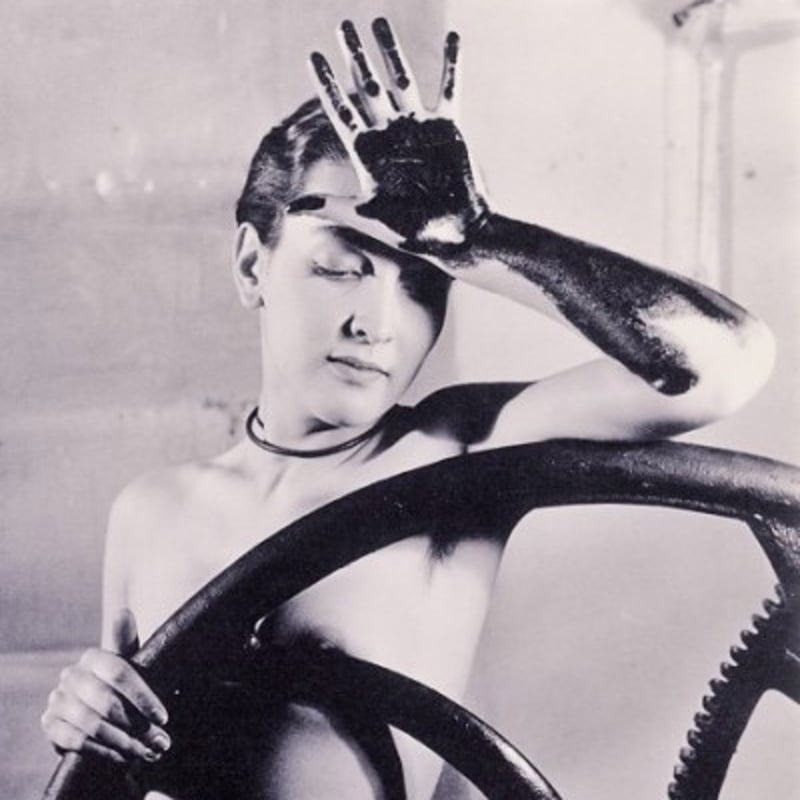
What is avant-garde?
- Show All
- Established
- Discoveries
- Show All
Artworks Related to Avant-garde
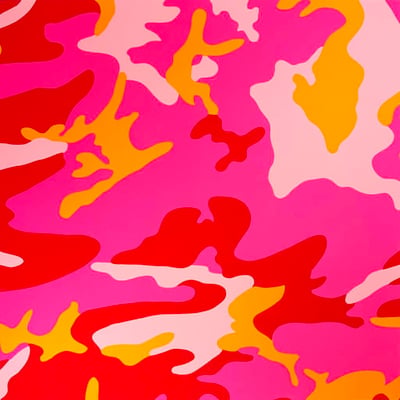
Andy Warhol
Camouflage, II.408, 1987
Limited Edition Print
Screen-print
Inquire For Price
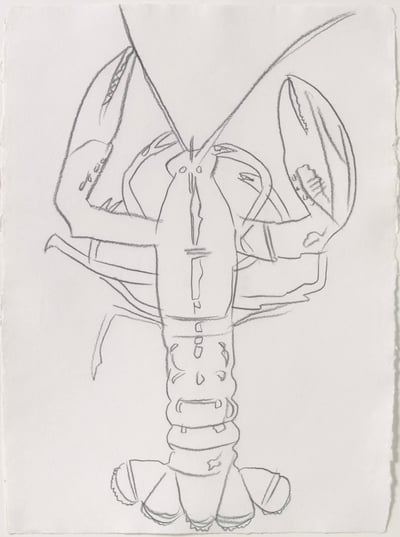
Andy Warhol
Lobster, 1979
Drawing / Watercolor
Graphite
Inquire For Price
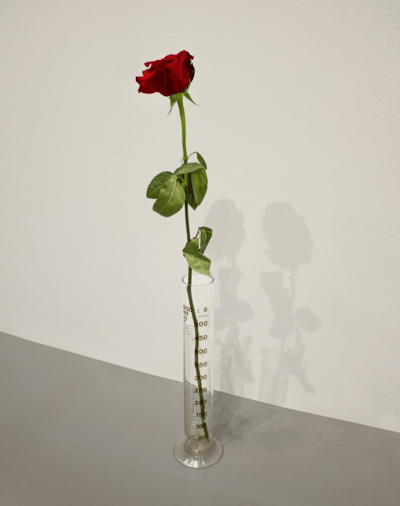
Joseph Beuys
Eine Rose für direkte Demokratie, 1968
Sculpture / Object
Mixed Media
EUR 2,800
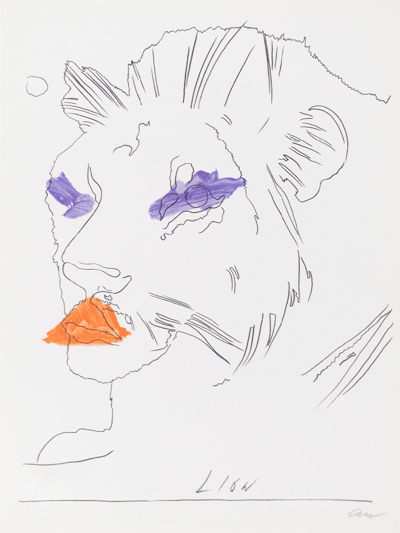
Andy Warhol
The Lyon, 1975
Limited Edition Print
Mixed Media
EUR 4,000
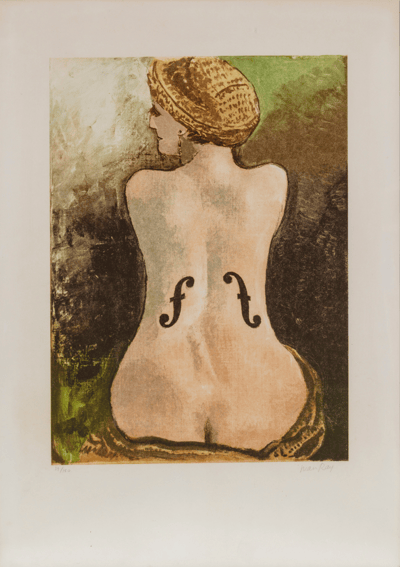
Man Ray
Le Violon d'Ingres, 1968
Limited Edition Print
Lithograph
EUR 5,000
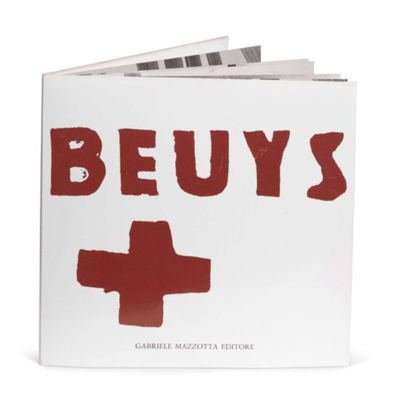
Joseph Beuys
Ja Ja Ja Ja Nee Nee Nee, 1970
Sculpture / Object
Mixed Media
EUR 2,500
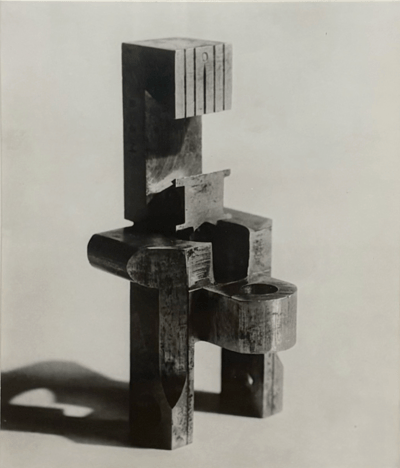
Man Ray
The Rebus, 1926
Photography
Gelatin Silver Print
EUR 6,500
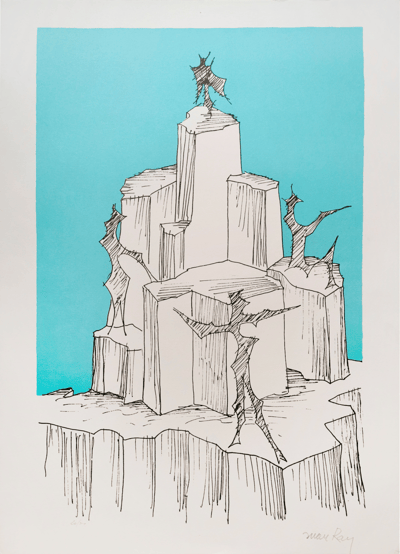
Man Ray
La Montagna di Cristallo, 1971
Limited Edition Print
Lithograph
EUR 2,400
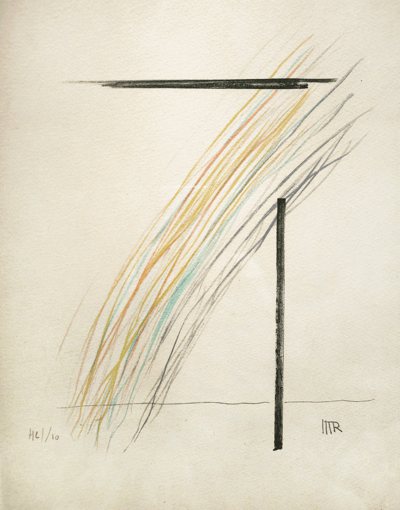
Man Ray
Invasion de l'espace, 1974
Limited Edition Print
Lithograph
EUR 2,300
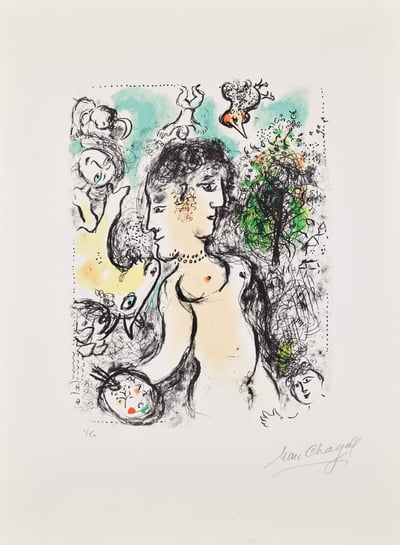
Marc Chagall
Nu au visage double (Nude with a Double Face) (M. 1013), 1983
Limited Edition Print
Lithograph
USD 7,200
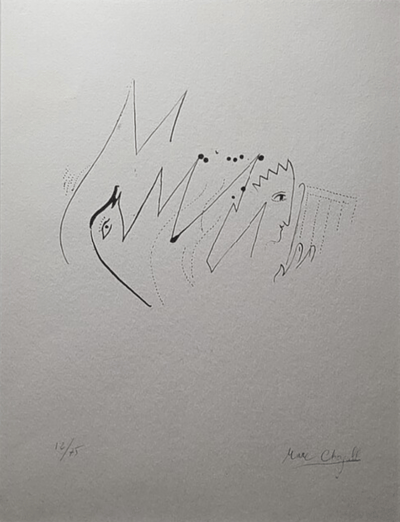
Marc Chagall
David and Bathsheba, 1956
Limited Edition Print
Lithograph
EUR 4,550
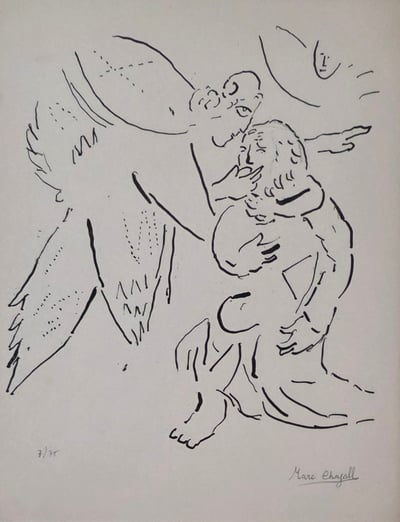
Marc Chagall
Isaiah Divinely Inspired, 1956
Limited Edition Print
Lithograph
EUR 4,800
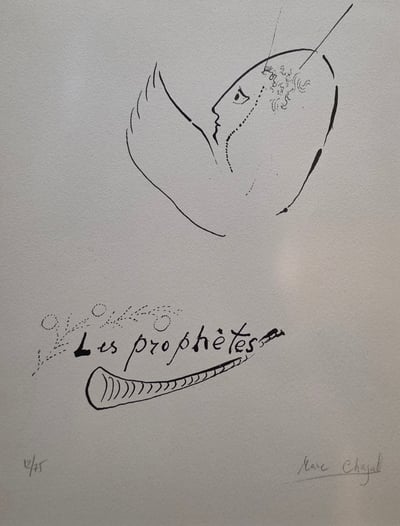
Marc Chagall
The Prophets, 1956
Limited Edition Print
Lithograph
EUR 4,550
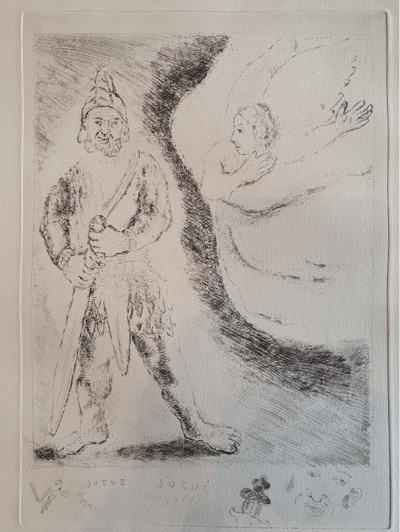
Marc Chagall
Passage du Jourdain, 1956
Limited Edition Print
Etching
EUR 16,000
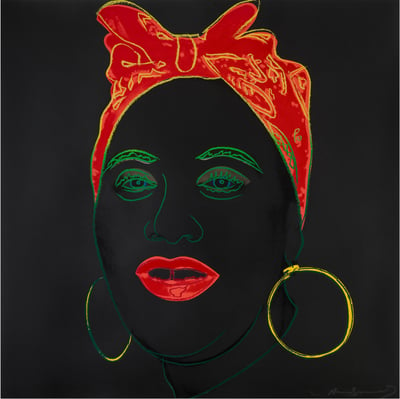
Andy Warhol
Myths: Mammy, II.262, 1981
Limited Edition Print
Screen-print
USD 35,000 - 40,000
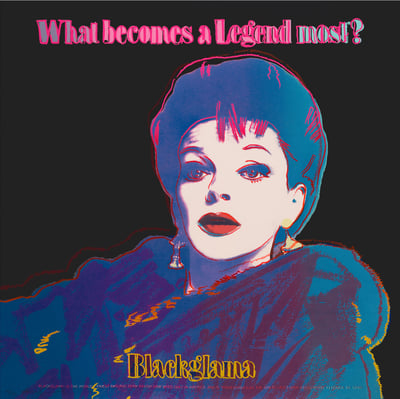
Andy Warhol
Blackglama (Judy Garland), 1985
Limited Edition Print
Screen-print
USD 35,000 - 40,000
Related Articles
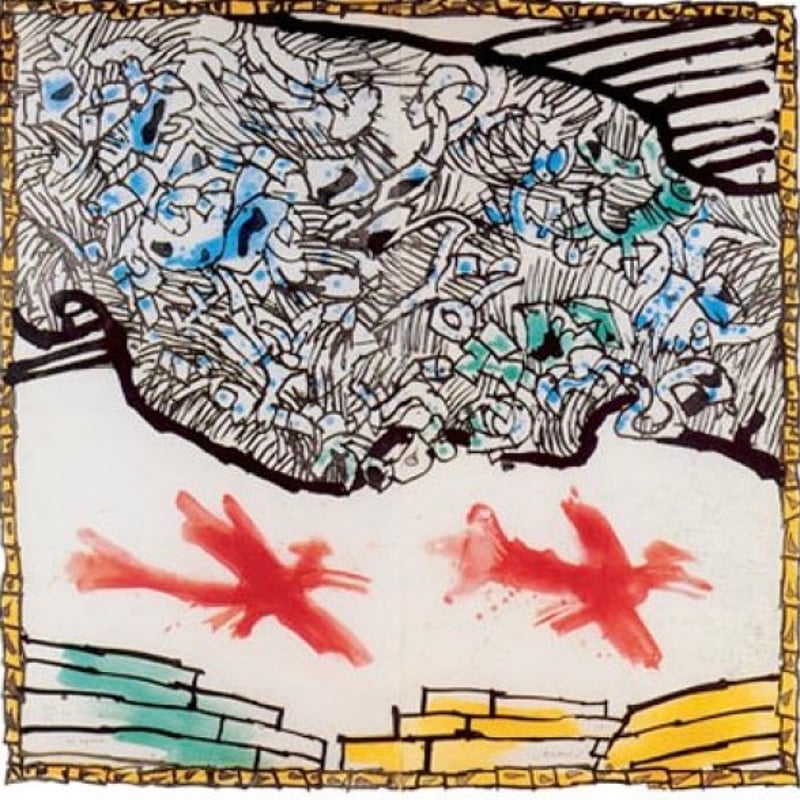
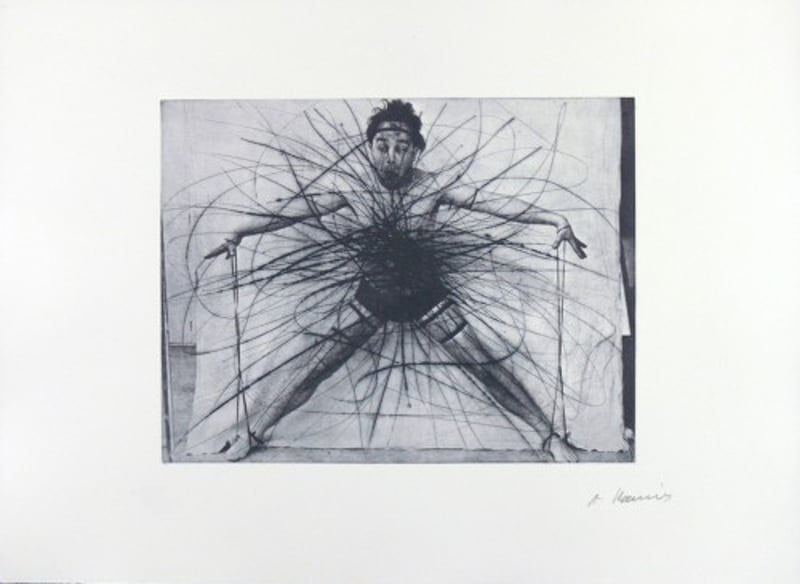
Etching is a technique where a design is created on a metal surface by using a strong acid or mordant to eat away the unprotected parts of the metal, leaving the desired pattern in relief (intaglio). In modern art and manufacturing, different chemicals may be used depending on the material being etched.

Etching and aquatint are printmaking techniques. In aquatint, the printing plate is etched with a pattern of tiny pits and cracks to create a wide range of tonal gradations. This technique allows artists to replicate the broad, flat tones found in watercolor paintings and ink washes.

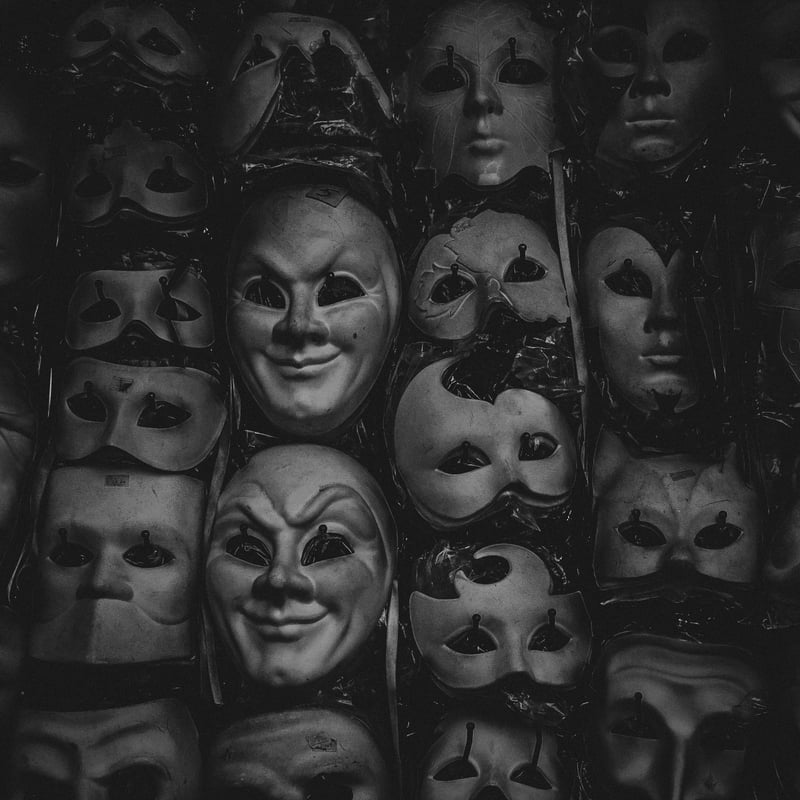
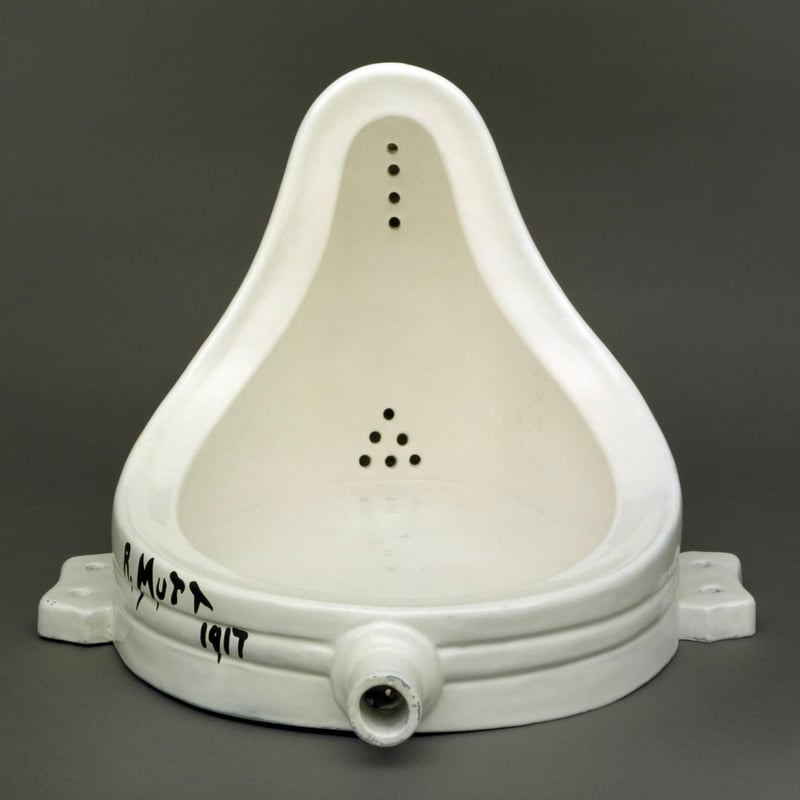
Contemporary art refers to avant-garde or innovative art created in the recent past or present day. The exact starting point of contemporary art varies depending on the institution, often tied to the founding year of museums or galleries that showcase the style. Contemporary art is characterized by its focus on current ideas, diverse media, and the exploration of new concepts and techniques.
Can't find your Answer?
Thank you! Your question has been sent — we'll get back to you shortly.
