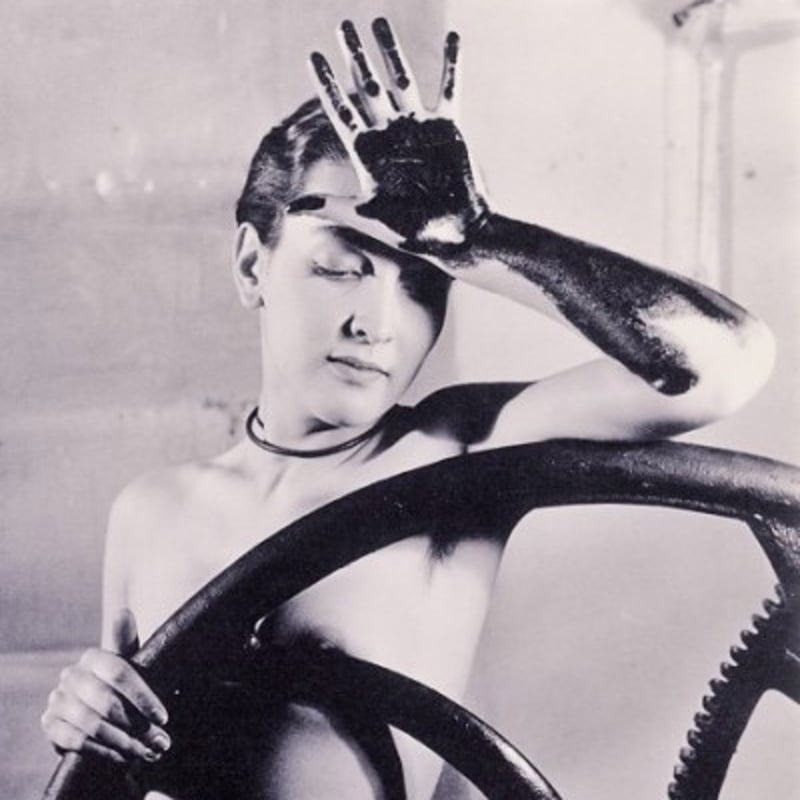
What is avant-garde?
- Show All
- Established
- Discoveries
- Show All
Artworks Related to Avant-garde
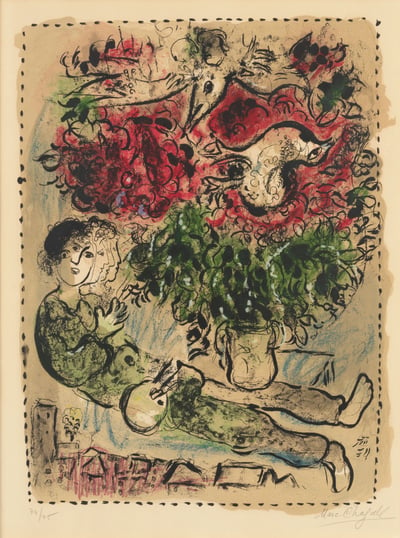
Marc Chagall
Le Bouquet du Peintre (Mourlot 483), 1967
Limited Edition Print
Lithograph
USD 17,500
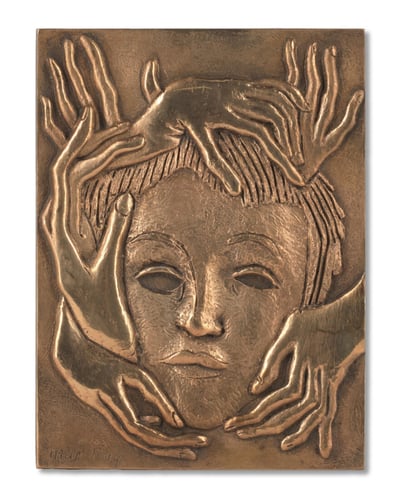
Man Ray
Masque, 1971
Sculpture / Object
Bronze
USD 9,750
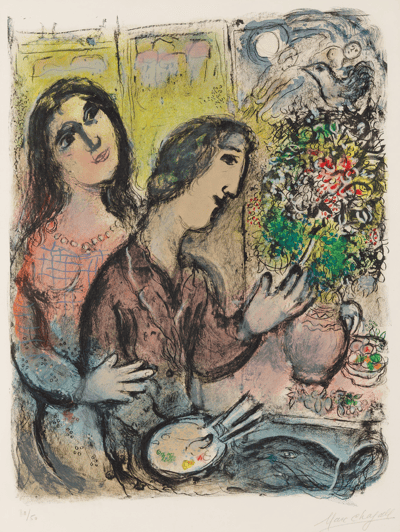
Marc Chagall
The Artist’s Wife / La femme du peintre, 1971
Limited Edition Print
Lithograph
Inquire For Price
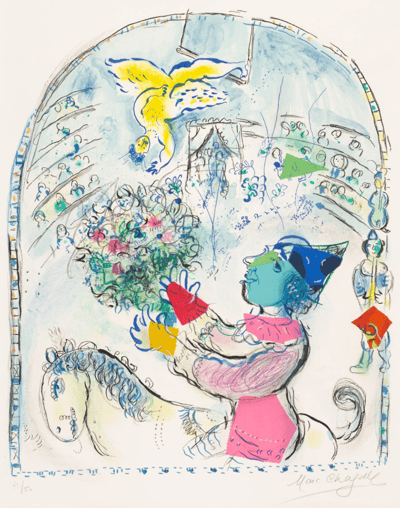
Marc Chagall
The Circus with the Angel / Le cirque à l’ange, 1968
Limited Edition Print
Lithograph
Inquire For Price
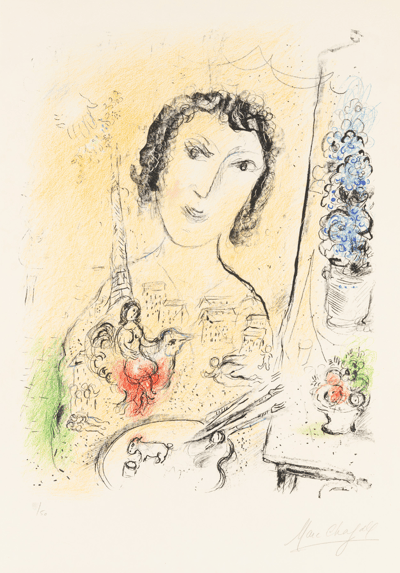
Marc Chagall
Self Portrait, 1974
Limited Edition Print
Lithograph
Inquire For Price
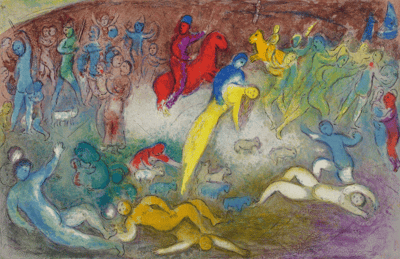
Marc Chagall
Chloe is Carried Off by the Methymneans, 1962
Limited Edition Print
Lithograph
Inquire For Price
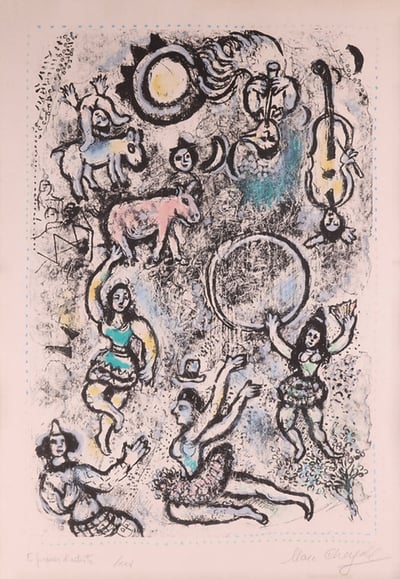
Marc Chagall
Les Saltimbanques, 1969
Limited Edition Print
Lithograph
GBP 13,000 - 15,000
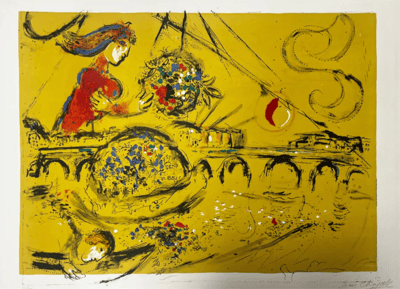
Marc Chagall
Île Saint-Louis, 1959
Limited Edition Print
Lithograph
EUR 13,500 - 17,000
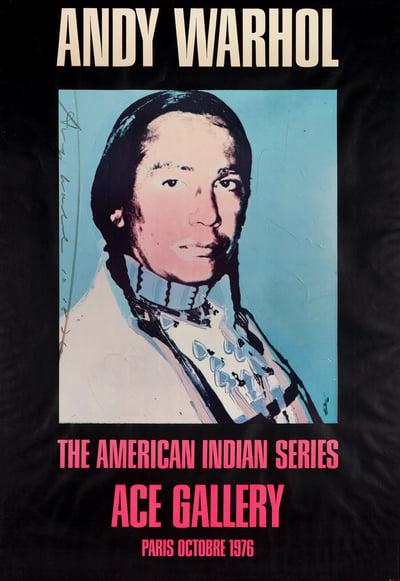
Andy Warhol
American Indian (Black), 1976
Limited Edition Print
Offset Print
USD 2,400
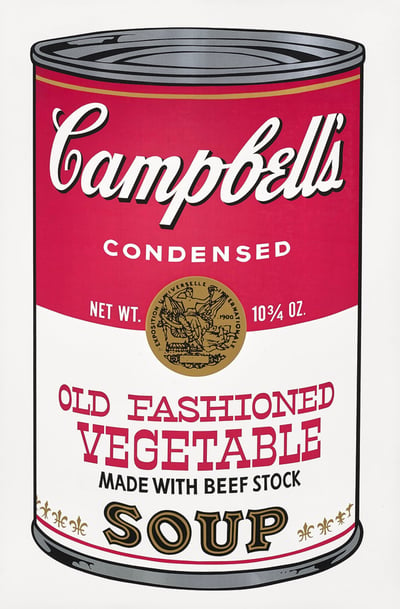
Andy Warhol
Old Fashioned Vegetable from Campbell's Soup II (F.&S.54), 1969
Limited Edition Print
Screen-print
GBP 60,000 - 70,000
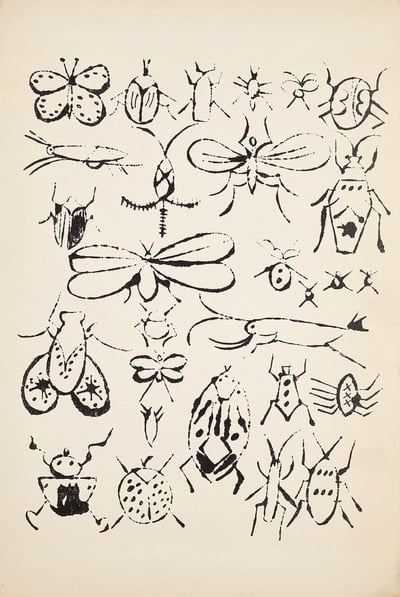
Andy Warhol
Happy Bug Day, 1955
Limited Edition Print
Lithograph
GBP 6,500 - 8,400
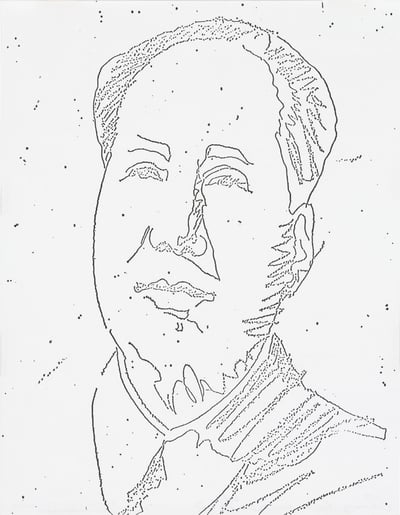
Andy Warhol
Untitled (Mao) from The New York Collection for Stockholm, 1973
Limited Edition Print
Mixed Media
GBP 20,000 - 26,000
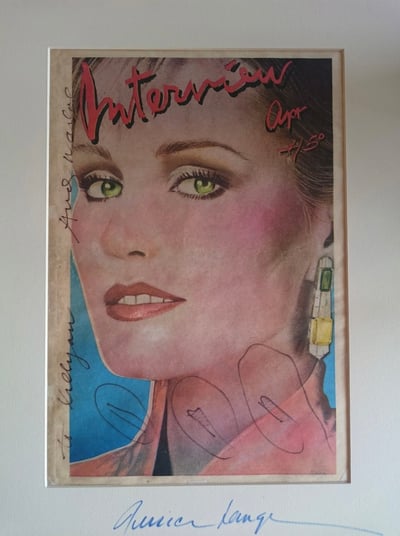
Andy Warhol
Jessica Lange, 1979
Drawing / Watercolor
Mixed Media
EUR 15,000
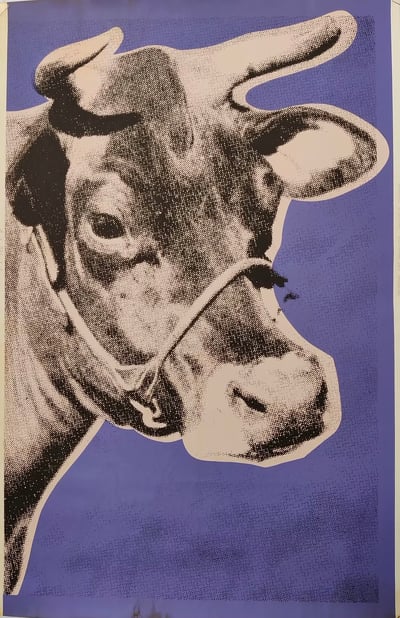
Andy Warhol
Cow, II.12A, 1971
Limited Edition Print
Silkscreen
USD 9,350
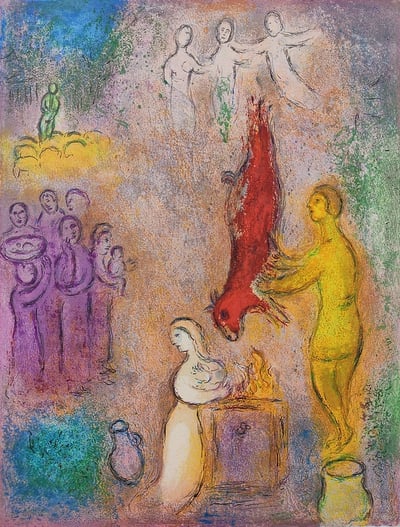
Marc Chagall
Sacrifices Made to the Nymphs, from Daphnis and Chloe, 1961
Limited Edition Print
Lithograph
USD 4,400
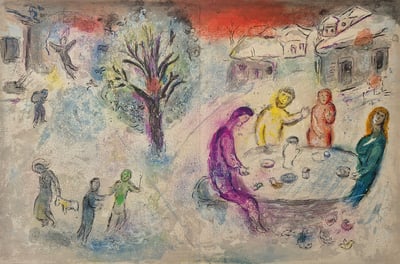
Marc Chagall
Le repas chez Dryas, from Daphnis et Chloé, 1961
Limited Edition Print
Lithograph
USD 5,750
Related Articles

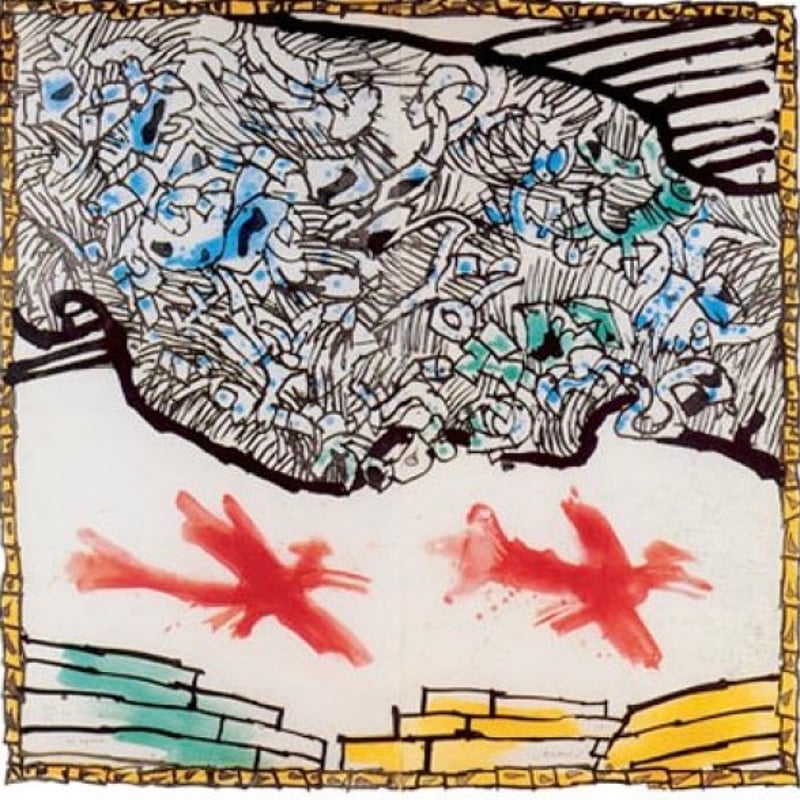
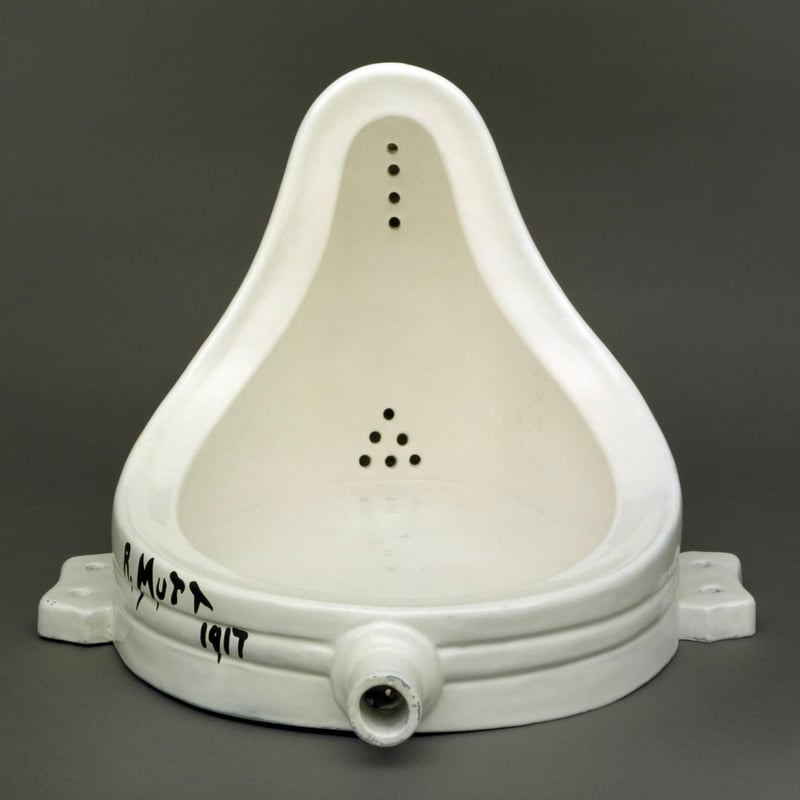
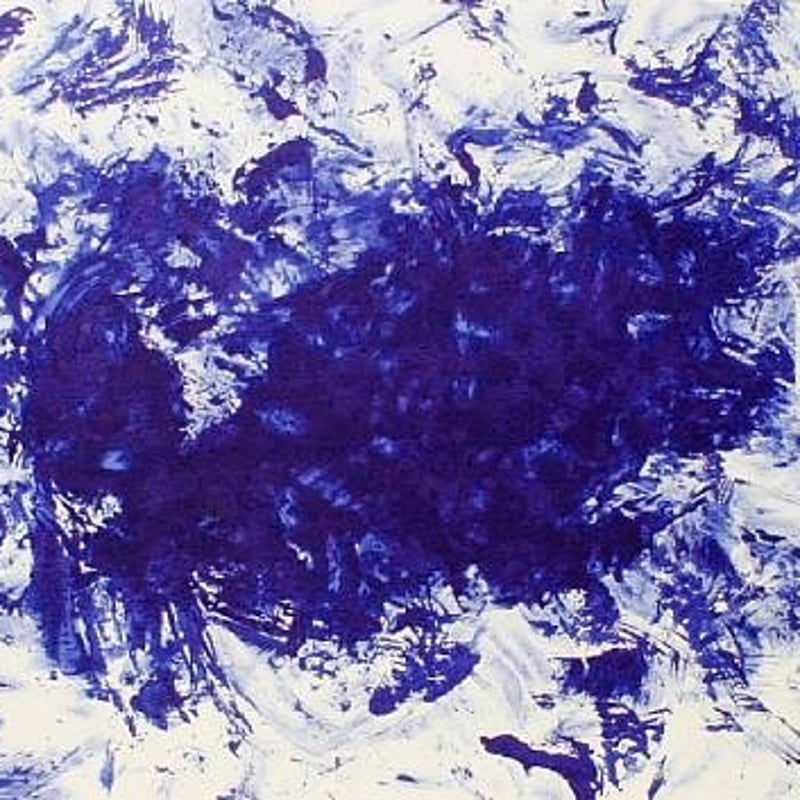
Body art involves creating art directly on or with the human body. Common forms include body piercings and tattoos, but it also encompasses practices like branding, scarification, scalping, body painting, full-body tattoos, body shaping, and sub-dermal implants. Body art can also refer to a subcategory of performance art where the artist's body is central to the artwork.
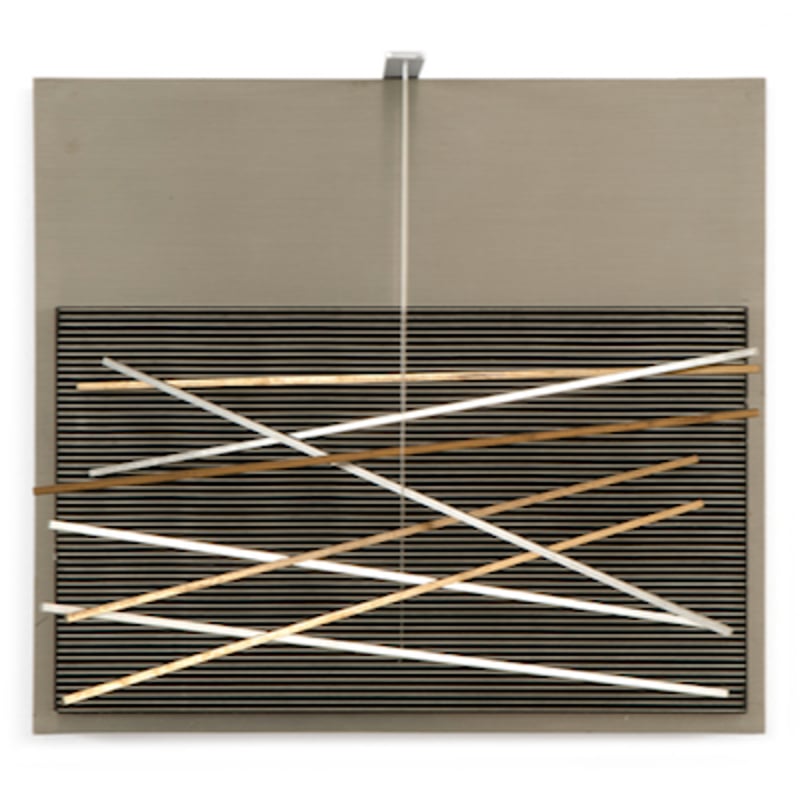
Kinetic art is an international movement that emerged in the 1920s and gained prominence in the 1960s, referring to art that involves both apparent and real motion. It encompasses any medium that includes movement, either relying on actual motion for its effect or being perceived as moving by the viewer. Early examples include canvas paintings designed to create optical illusions of movement. Today, kinetic art often refers to three-dimensional figures and sculptures, such as those operated by machines or those that move naturally. The movement covers a variety of styles and techniques that frequently overlap.

Textile refers to a flexible material made by weaving, felting, crocheting, knitting, or knotting long strands of natural or synthetic yarn or thread. Textile artists often create their own materials or use selected textiles in fabric art compositions, incorporating a wide range of textures and patterns.
Can't find your Answer?
Thank you! Your question has been sent — we'll get back to you shortly.
