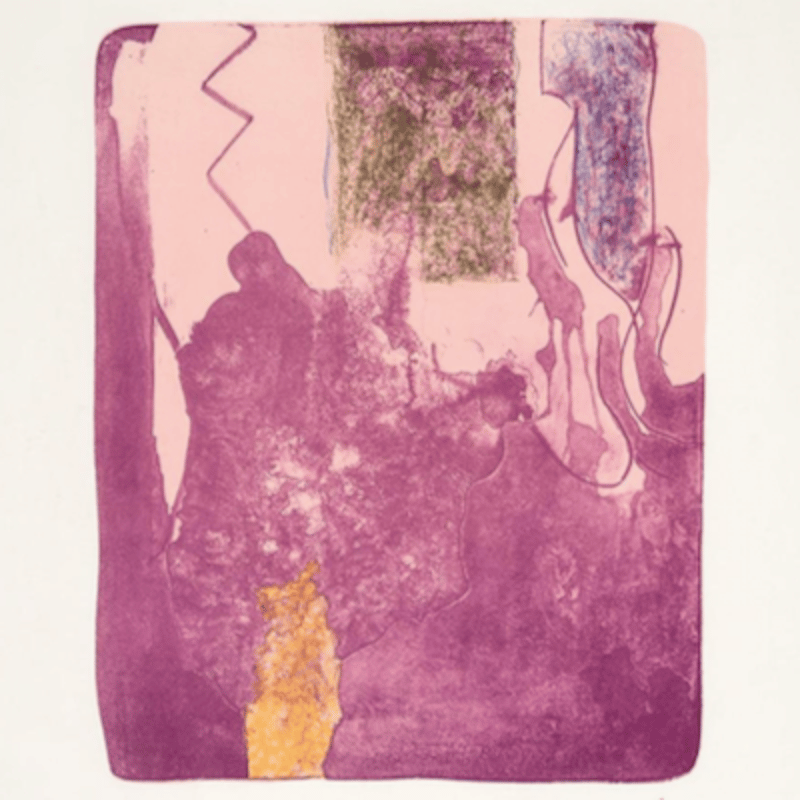
What is abstract expressionism?
- Show All
- Established
- Discoveries
- Show All
Artworks Related to Abstract expressionism

Miquel Barceló
Lanzarote 21, 2000
Limited Edition Print
Etching and Aquatint
EUR 5,450

Miquel Barceló
Lanzarote 25, 2000
Limited Edition Print
Etching and Aquatint
EUR 5,450

Miquel Barceló
Lanzarote 27, 2000
Limited Edition Print
Etching and Aquatint
EUR 6,600

Miquel Barceló
Lanzarote 28, 2000
Limited Edition Print
Etching and Aquatint
EUR 6,600

Miquel Barceló
Lanzarote 31, 2000
Limited Edition Print
Etching and Aquatint
EUR 6,600

Miquel Barceló
Lanzarote 35, 2000
Limited Edition Print
Etching and Aquatint
EUR 6,600

Miquel Barceló
Lanzarote 43, 2002
Limited Edition Print
Etching and Aquatint
EUR 7,200
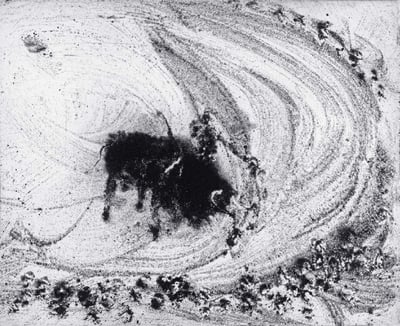
Miquel Barceló
Lanzarote 48, 2002
Limited Edition Print
Etching and Aquatint
EUR 5,450

Miquel Barceló
Lanzarote 49, 2002
Limited Edition Print
Etching and Aquatint
EUR 5,450

Miquel Barceló
Lanzarote 51, 2002
Limited Edition Print
Etching and Aquatint
EUR 7,200

Miquel Barceló
Lanzarote 57, 2002
Limited Edition Print
Etching and Aquatint
EUR 8,950

Miquel Barceló
Lanzarote 58, 2002
Limited Edition Print
Etching and Aquatint
EUR 8,950

Miquel Barceló
Lanzarote 55, 2002
Limited Edition Print
Etching and Aquatint
EUR 8,950

Miquel Barceló
Lanzarote 56, 2002
Limited Edition Print
Etching and Aquatint
EUR 8,950

Miquel Barceló
Lanzarote 60, 2002
Limited Edition Print
Etching and Aquatint
EUR 8,950
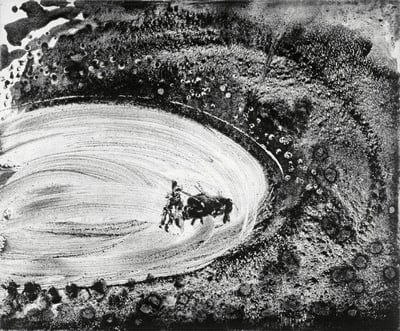
Miquel Barceló
Lanzarote 61, 2002
Limited Edition Print
Etching and Aquatint
EUR 8,950
Related Articles
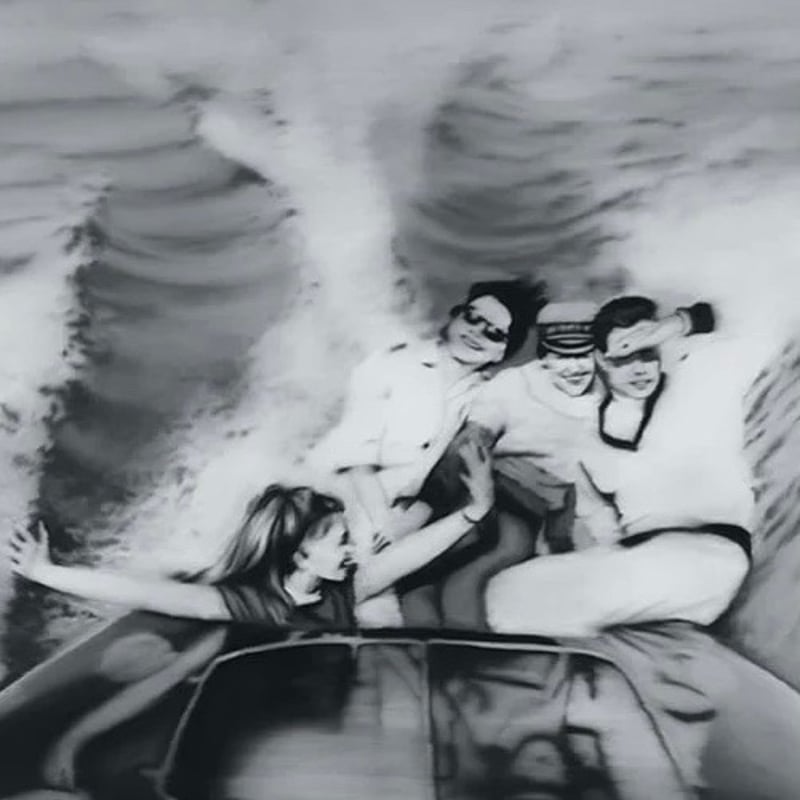
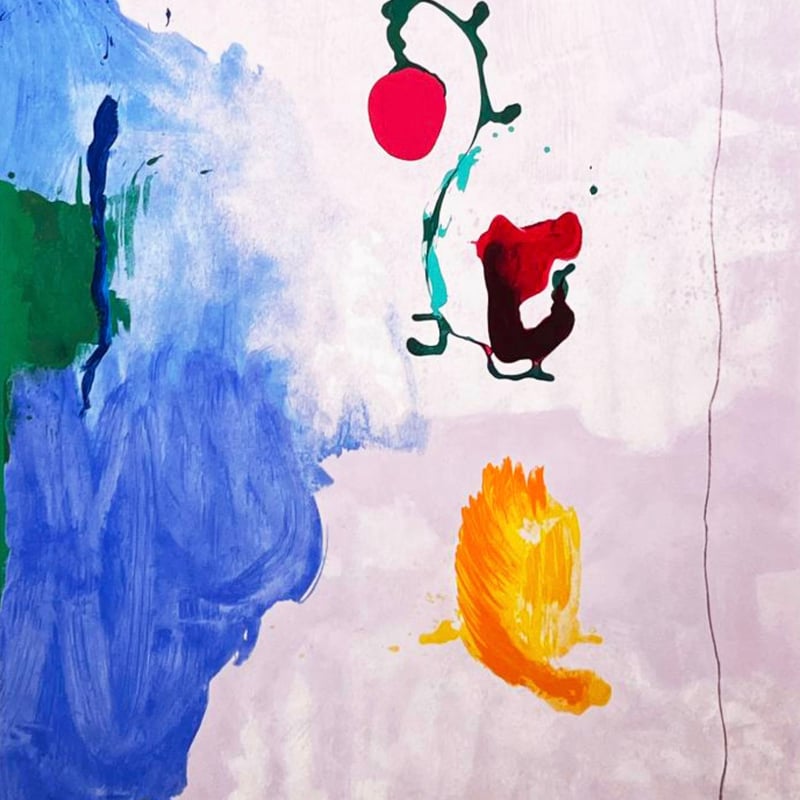
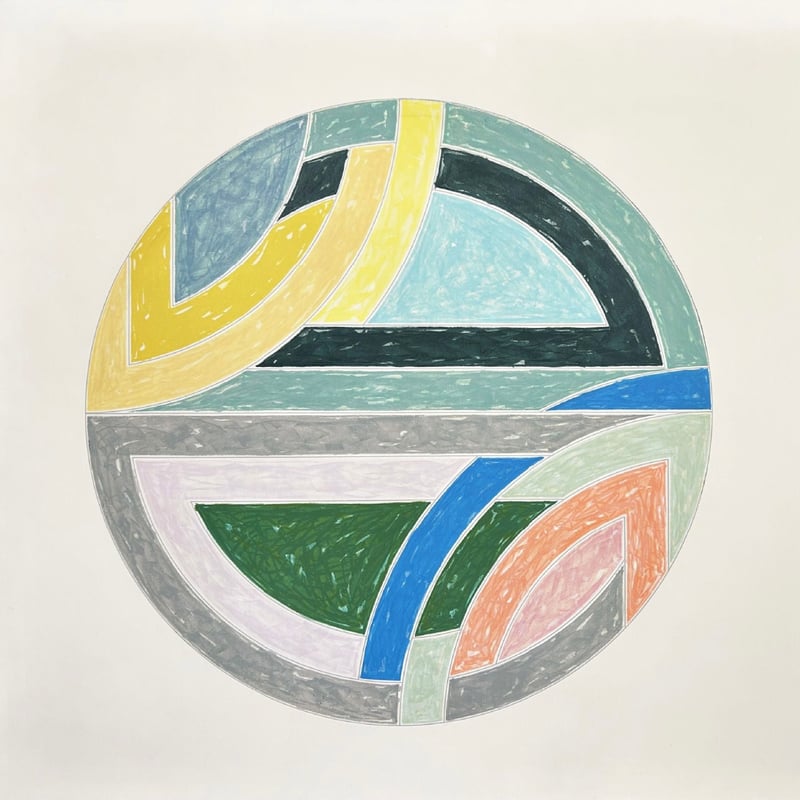

Tansaekhwa, also known as monochrome painting, is a movement in Korean art that began in the mid-1970s. These artworks are characterized by the manipulation of painting materials, such as pushing paint, soaking the canvas, ripping paper, or other techniques that alter the medium. Tansaekhwa emphasizes texture, materiality, and the physical process of creating the artwork.

Intaglio is a printmaking technique where the artist creates marks on a metal plate that hold ink or dye. The inked plate is then pressed onto paper, transferring the ink to the sheet. This process can be repeated multiple times depending on the technique. Intaglio methods, such as etching, often involve applying a mordant (acid) to the metal plate to create the design. Intaglio encompasses various techniques, including engraving, etching, and drypoint.
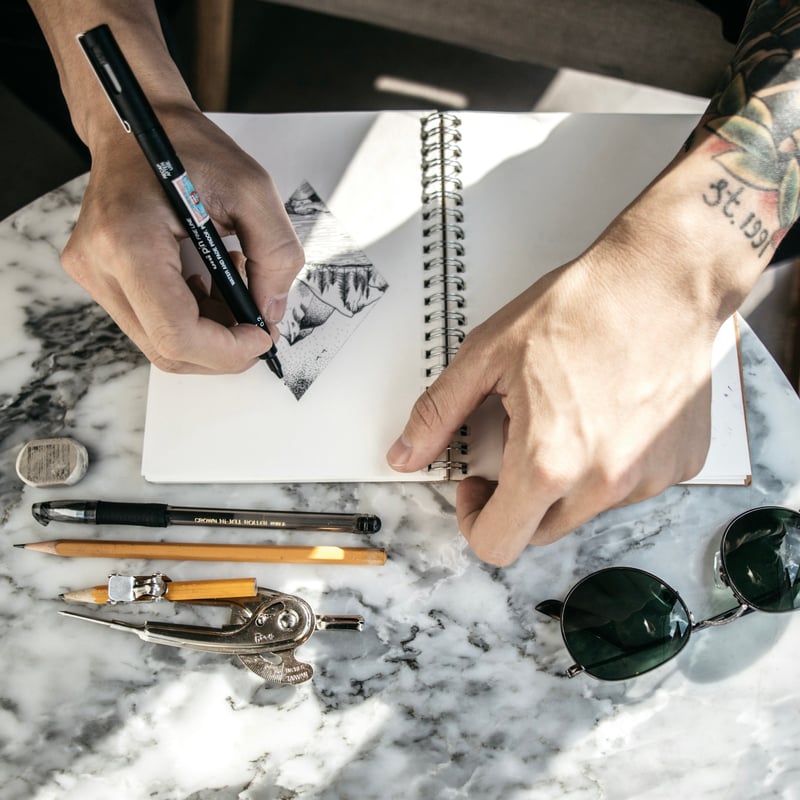
Drawing and watercolor are two traditional art techniques which stand alone as media, but are often used in conjunction with each other. Drawing can create the basic outlines for watercolor painting. Drawing over dried watercolor or using watercolor pencils are combined media techniques.
Can't find your Answer?
Thank you! Your question has been sent — we'll get back to you shortly.
