What is abstract expressionism?
- Show All
- Established
- Discoveries
- Show All
Artworks Related to Abstract expressionism

Miquel Barceló
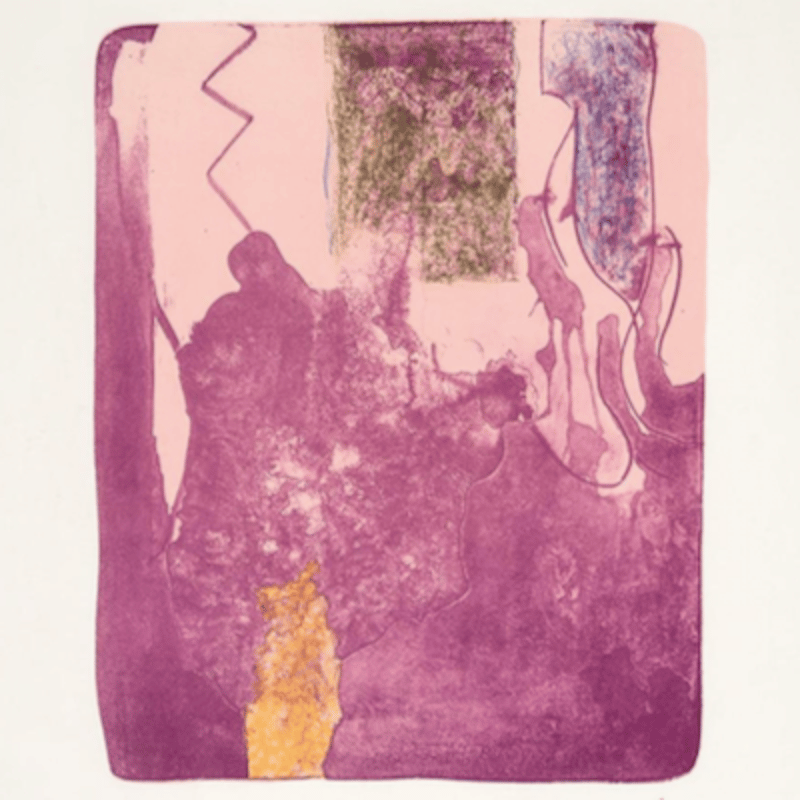
La chaussure, 1984
Limited Edition Print
Lithograph
EUR 4,300
Miquel Barceló
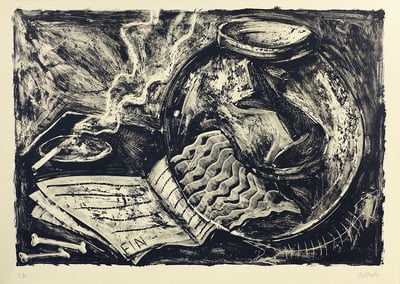
Nature morte, 1984
Limited Edition Print
Lithograph
EUR 4,300
Miquel Barceló
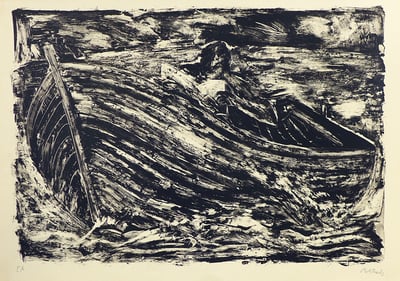
La barque, 1984
Limited Edition Print
Lithograph
EUR 4,300

Miquel Barceló
La bibliothèque, 1984
Limited Edition Print
Lithograph
EUR 4,300
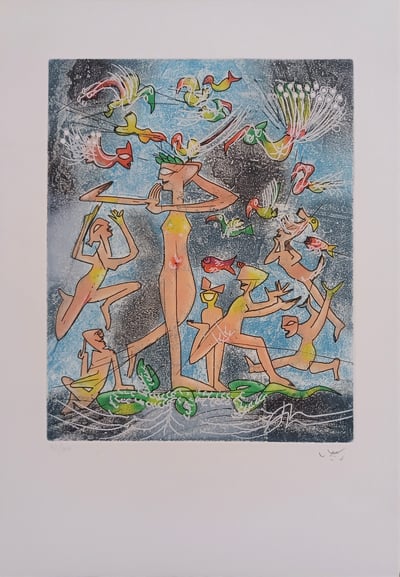
Roberto Matta
Demoiselles
Limited Edition Print
Etching and Aquatint
EUR 850
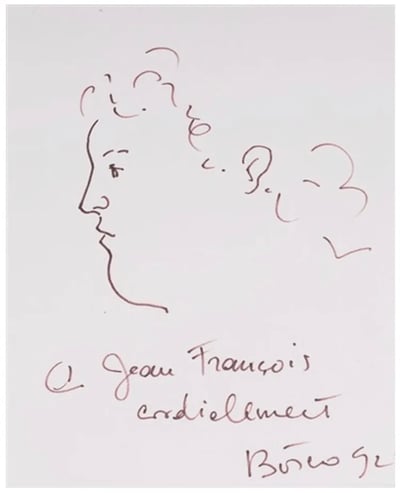
Fernando Botero
Profile de Jeune Homme, 1992
Drawing / Watercolor
Pen and ink
USD 17,900
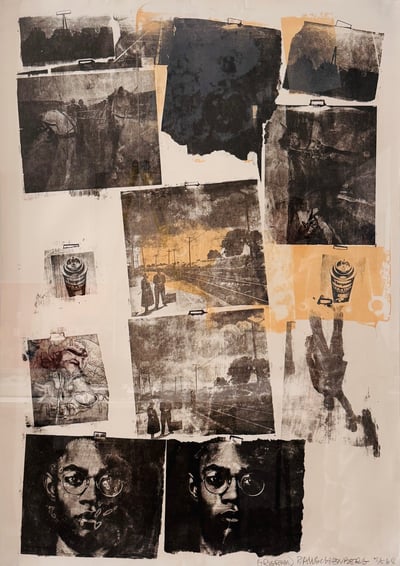
Robert Rauschenberg
Landmark, 1968
Limited Edition Print
Lithograph
USD 10,800
Robert Rauschenberg
Private Listing
Limited Edition Print
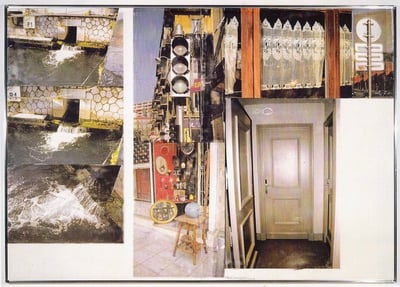
Robert Rauschenberg
Local Color (Scenario Series), 2006
Limited Edition Print
Monotype
Inquire For Price
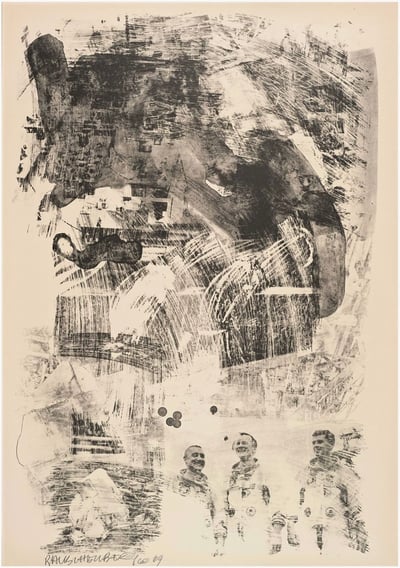
Robert Rauschenberg
Brake (Stoned Moon Series), 1969
Limited Edition Print
Lithograph
Inquire For Price
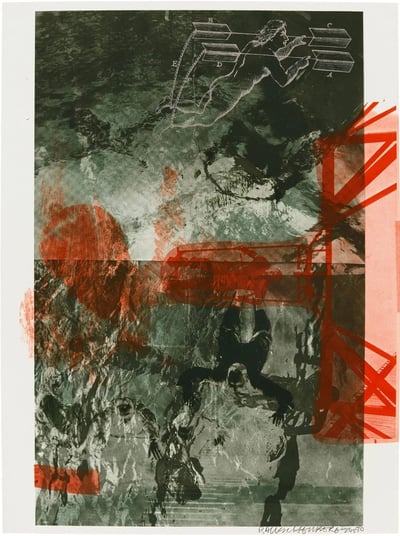
Robert Rauschenberg
Bait (Stoned Moon Series), 1970
Limited Edition Print
Lithograph
Inquire For Price
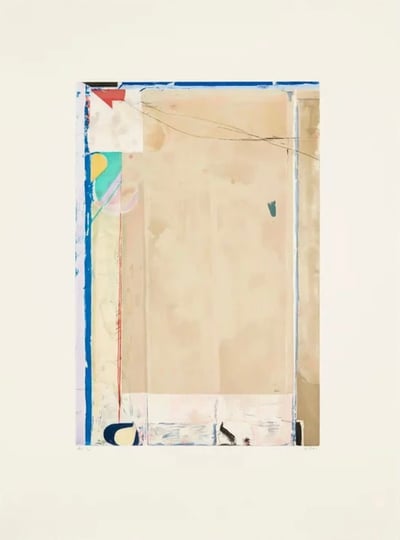
Richard Diebenkorn
Touched Red, 1991
Limited Edition Print
Mixed Media
Inquire For Price
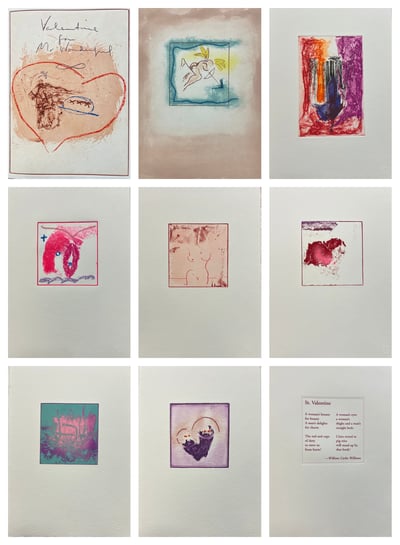
Helen Frankenthaler
Valentine for Mr. Wonderful (book), 1995
Limited Edition Print
Intaglio
USD 15,700

Louise Nevelson
Senza titolo, 1975
Limited Edition Print
Screen-print
EUR 3,700
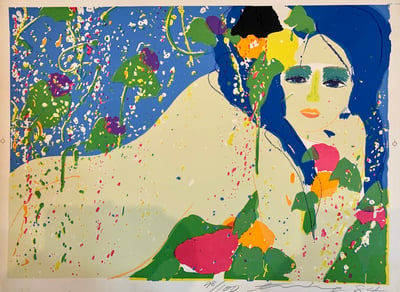
Walasse Ting
Lovely Nude, 1984
Limited Edition Print
Lithograph
EUR 1,100

Robert Rauschenberg
Happiness, 1994
Limited Edition Print
Lithograph
USD 3,700
Related Articles
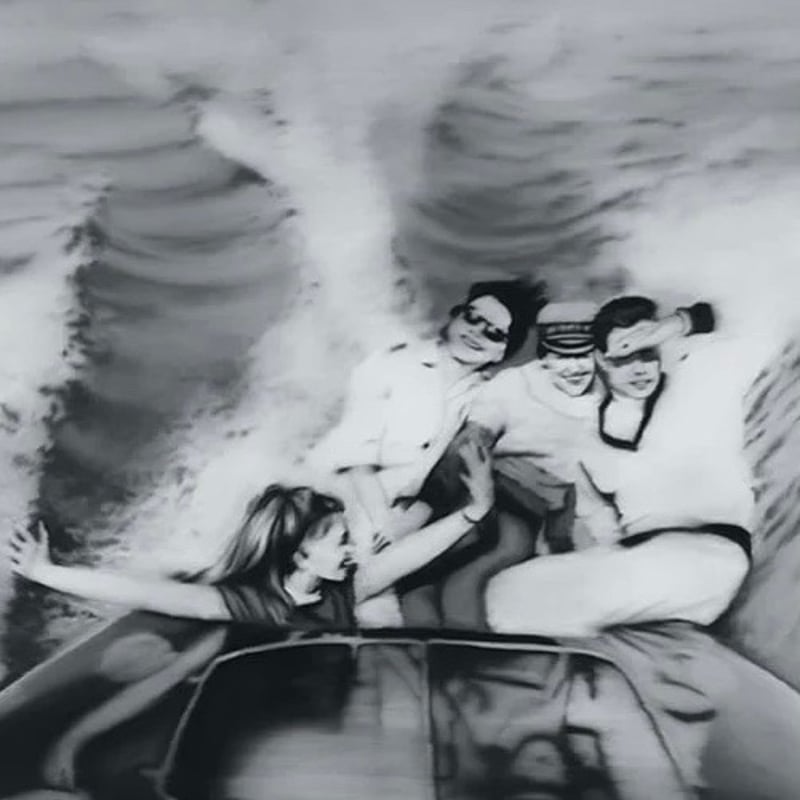
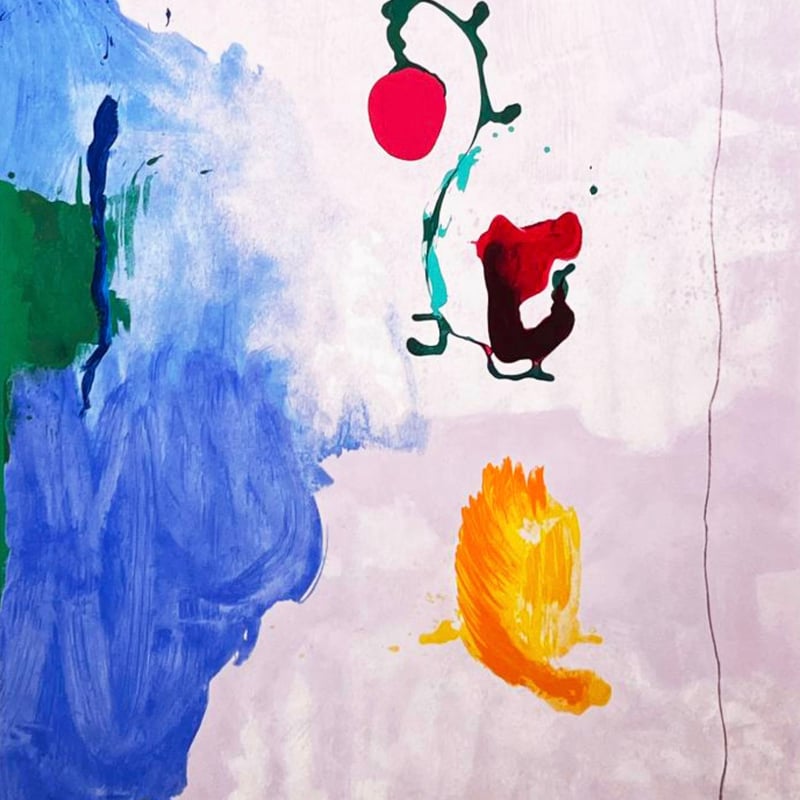
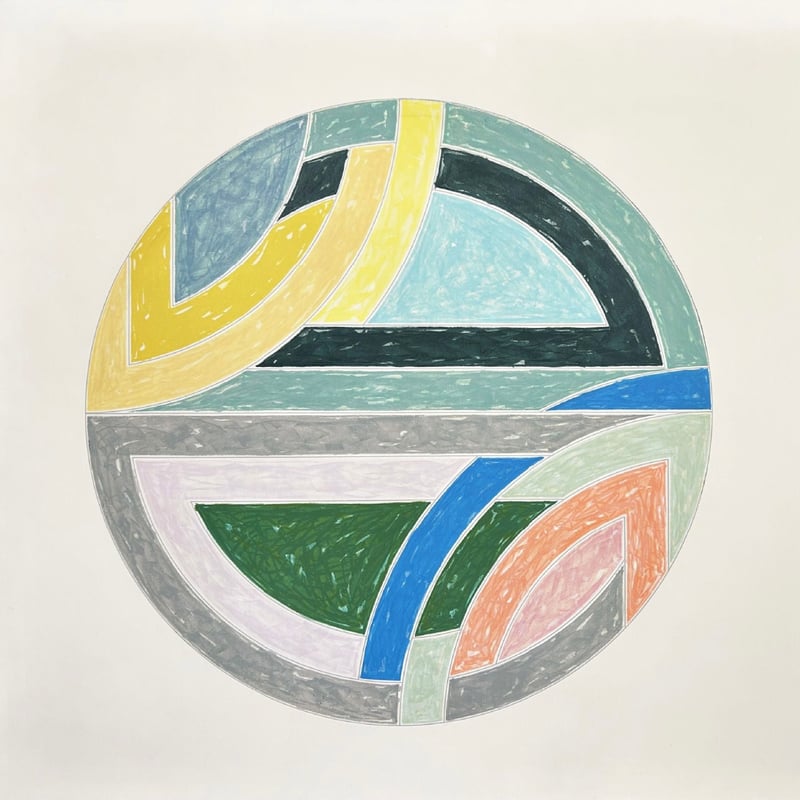

Art Intervention refers to art created with the intention of interacting with an existing situation, structure, artwork, audience, or institution. This form of art gained popularity in the 1960s as artists sought to provoke change within political and social contexts. The concept of Artist-in-Residence programs was influenced by the ideas and practices of this movement.
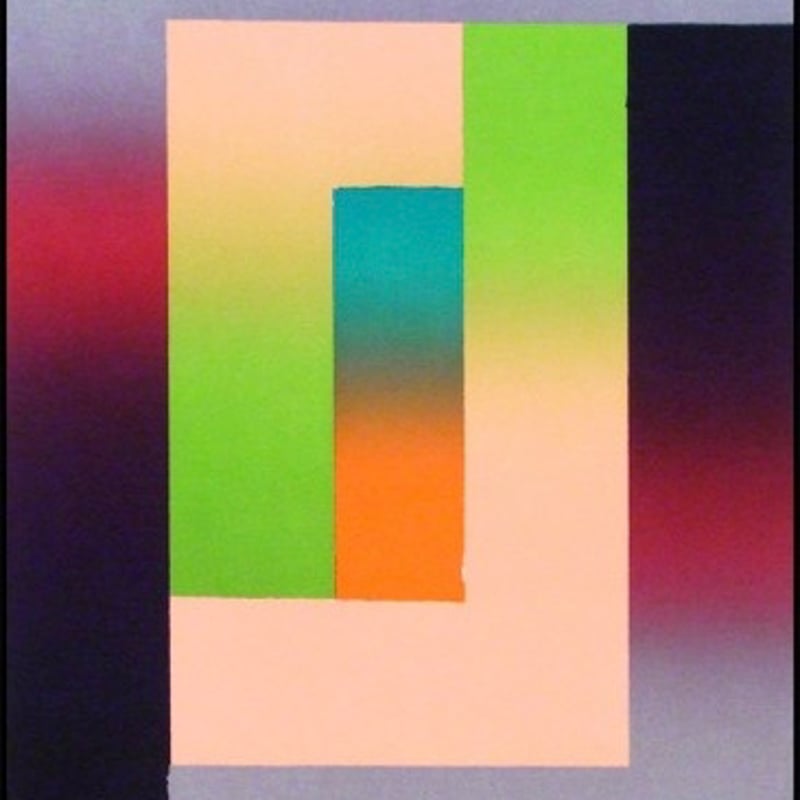
Entropy, in a broader sense, refers to the inevitable deterioration or decline of a society or system. In art, the concept was popularized by artist Robert Smithson in the 1960s. He used the term to critique what he saw as the static and overly simplified nature of contemporary minimalist art. Smithson's work often explored the idea of entropy as a force of chaos and decay, contrasting with the perceived order and purity of minimalist works.
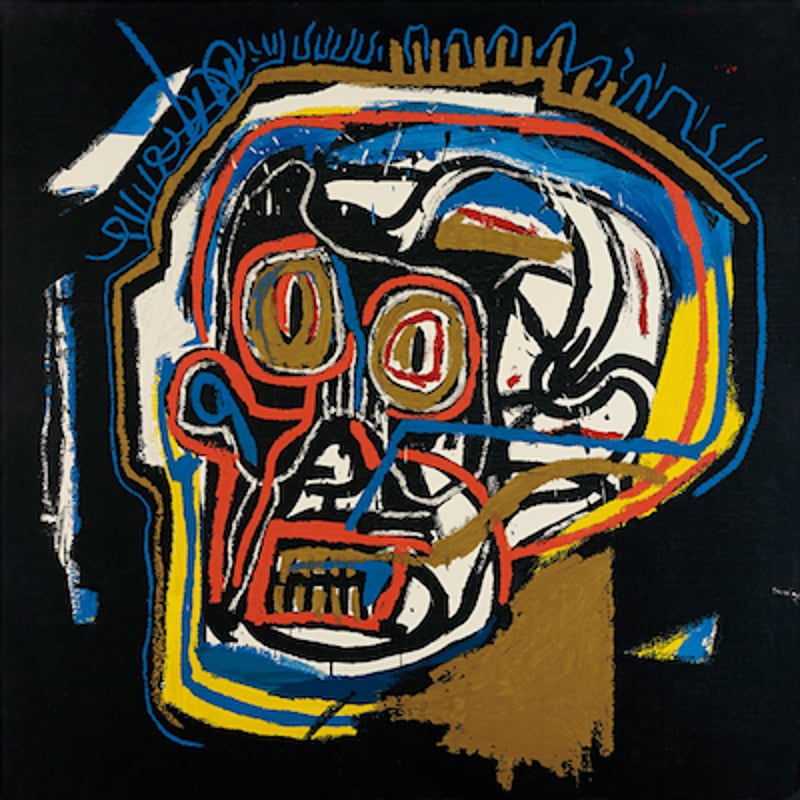
Street Art is artwork created and executed in public spaces, outside of traditional art venues. It gained popularity during the 1980s graffiti art boom and has since evolved into various forms and styles. Common forms of Street Art include pop-up art, sticker art, stencil graffiti, and street installations or sculptures. Terms like guerrilla art, neo-graffiti, post-graffiti, and urban art are often used interchangeably to describe this genre, which challenges conventional ideas about where and how art should be displayed.
Can't find your Answer?
Thank you! Your question has been sent — we'll get back to you shortly.
