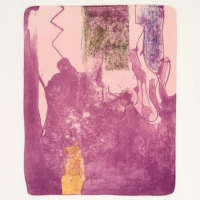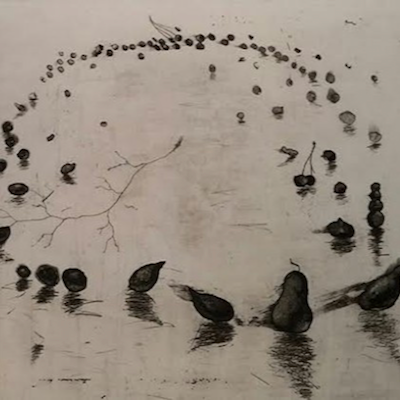
What is drypoint?
Drypoint is an intaglio printmaking technique where an image is incised onto a plate using a sharp, pointed tool, typically a needle made of metal or diamond. Traditionally, copper plates were used, but today zinc, plexiglass, or acetate are also common. Drypoint is easier for drawing artists to master compared to engraving, as the needle technique resembles drawing with a pencil rather than the more complex burin used in engraving.
Show All
- Show All
- Established
- Discoveries
A,B,C
ARTWORKS RELATED TO DRYPOINT

Bernard Frize
Suite à onze, 2009
Limited Edition Print
Drypoint
EUR 2,000

Henri Matisse
Nu assis-les yeux noris, 1926 / 1948
Limited Edition Print
Drypoint
USD 8,350

Thiebaud Wayne
Three Cows, 1991
Limited Edition Print
Drypoint
USD 11,300

Pablo Picasso
Aux trois acteurs (Suite Vollard 77), 1933
Limited Edition Print
Drypoint
EUR 5,500

Julie Mehretu
Amulet in Crowd, 2021
Limited Edition Print
Drypoint
GBP 7,140

Pablo Picasso
Filles entre elles, dont une avec une fleur, 1971
Limited Edition Print
Drypoint
Inquire For Price
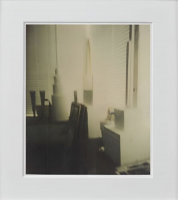
Cy Twombly
Studio Lexington, 2008
Limited Edition Print
Drypoint
EUR 4,800

Richard Tuttle
Word of Mouth from Artist for Obama, 2008
Limited Edition Print
Drypoint
USD 1,350

Arnulf Rainer
En Face (schwarz), 1971 - 1972
Limited Edition Print
Drypoint
Currently Not Available

Arnulf Rainer
Kosmos II (violett), 2003
Limited Edition Print
Drypoint
Currently Not Available

Arnulf Rainer
lila Wald, 2001
Limited Edition Print
Drypoint
Currently Not Available

Markus Lupertz
Ohne Titel (portrait), 2008
Limited Edition Print
Drypoint
EUR 890

Richard Diebenkorn
Spade Drypoint, 1982
Limited Edition Print
Drypoint
Inquire For Price

Joan Miró
Emehpylop, 1968
Limited Edition Print
Drypoint
USD 9,700

Pablo Picasso
El Rapto De Jezabel Por Quirón El Centauro II, 1962
Limited Edition Print
Drypoint
EUR 9,560

Thomas Schutte
Flowers , 2001
Limited Edition Print
Drypoint
Currently Not Available
Related Articles

Collecting - May 01, 2022
Collecting prints and multiples: a brief introduction on how to start
Learn how to start collecting prints and multiples. Discover tips on editions, artist proofs, and choosing prints that combine value, creativity, and affordability. Read More


Digital art refers to art which is created using digital technology. It can be generated by computer, drawn or scanned with a tablet using a mouse. Video may be downloaded to computers so artists can manipulate images filmed with a video camera.
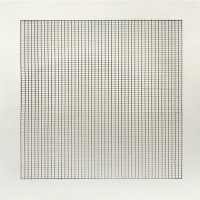
Minimalism is a style in music and visual arts characterized by pared-down designs and simplicity. It began in Western art after World War II, gaining prominence particularly in American visual arts. Minimalism draws heavily on aspects of modernism and is often viewed as a reaction against Abstract Expressionism, as well as a precursor to post-minimal art practices. Prominent minimalist artists include Agnes Martin, Donald Judd, Robert Morris, Frank Stella, and Dan Flavin.