What is marble?
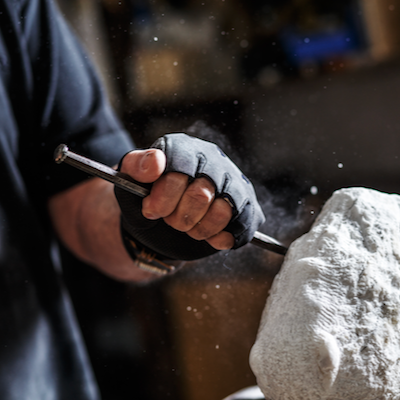
Marble is a rare and expensive metamorphic rock composed of recrystallized limestone. It has been used for centuries to create statues, decorative floors, and walls due to its translucency and durability. Marble is ideal for both free-standing statues and relief sculptures. When carving, the material is chiseled away in small increments to achieve the desired form.
Show All
- Show All
- Established
- Discoveries
Show All
ARTWORKS RELATED TO MARBLE

Eva Claessens
Un souffle d'une fleur, 2026
Sculpture / Object
Marble
Inquire For Price

Eva Claessens
Se reconnaitre comme un souffle, 2026
Sculpture / Object
Marble
Inquire For Price

Eva Claessens
Le baiser d'une rose, 2026
Sculpture / Object
Marble
Inquire For Price

Eva Claessens
Un lieu de rencontre, 2026
Sculpture / Object
Marble
Inquire For Price

Eva Claessens
Un baiser, 2026
Sculpture / Object
Marble
Inquire For Price

Eva Claessens
Ce lieu invisible où l'on se rejoint, 2026
Sculpture / Object
Marble
Inquire For Price

Eva Claessens
L'instant où les contours s'effacent, 2026
Sculpture / Object
Marble
Inquire For Price

Livia Canestraro
Seated Couple, ca 1985
Sculpture / Object
Marble
EUR 17,500
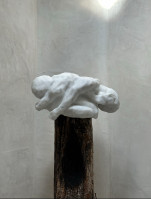
Eva Claessens
L'Amant, 2025
Sculpture / Object
Marble
Inquire For Price
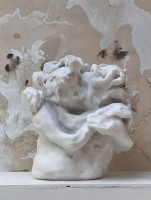
Eva Claessens
A hug, 2025
Sculpture / Object
Marble
Inquire For Price

Eva Claessens
Seeking the silence, 2025
Sculpture / Object
Marble
Inquire For Price
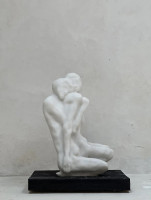
Eva Claessens
Seeking the Silence, 2024
Sculpture / Object
Marble
EUR 9,400
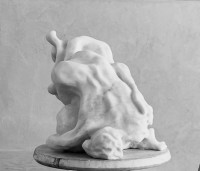
Eva Claessens
Embrace (sculpture), 2023
Sculpture / Object
Marble
Inquire For Price

Eva Claessens
Seeking the Silence (sculpture), 2023
Sculpture / Object
Marble
USD 9,400

Eva Claessens
She said yes, 2021
Sculpture / Object
Marble
Inquire For Price
Eva Claessens
A hug, 2021
Sculpture / Object
Marble
EUR 6,500
Related Articles

Popular, Collecting - February 21, 2025
Sculpture 101: From Clay to Bronze – How Sculptures Are Made
Discover the art of sculpture! Explore traditional techniques like carving and bronze casting, plus modern innovations like 3D printing. A journey in creativity! Read More
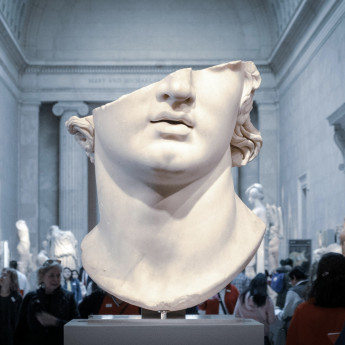
Digital art refers to artistic practices or works that utilize digital technology as an essential component of both the creation and presentation process. Since the 1970s, various terms like multimedia and computer art have been used to describe this practice. Digital art is a subset of the broader category known as new media art, which has brought significant changes to the art world. Technology has transformed traditional forms of painting, drawing, sound/music, and sculpture into new digital formats, expanding the possibilities of artistic expression.

Meaning School of Things, Mono-ha originated in Tokyo in the mid-1960s. Instead of creating traditional artwork, the artists of Mono-ha used different materials and their natural properties to express dismay at the industrialization taking place in Japan at the time. The movement gained international attention and is now a widely respected form of art, known for its emphasis on the relationship between materials and their environment.