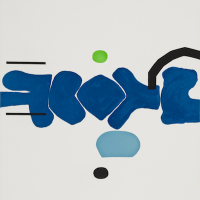
What is Tempera?
Tempera is a paint traditionally made by mixing colored pigments with egg yolk. It dries quickly and is highly durable, with some examples dating back to 100 AD still in existence. Modern tempera paint often uses glue size as a binder instead of egg yolk. Tempera is known for its bright colors and fine, detailed application, making it popular for panel paintings and icons.
Show All
- Show All
- Established
- Discoveries
Show All
Related Articles

Artists - September 14, 2022
David Hockney: The visionary contemplations of an elusive master
Discover David Hockney’s visionary art, blending vibrant landscapes, intimate portraits, and bold perspectives. Explore his lasting impact on modern creativity. Read More

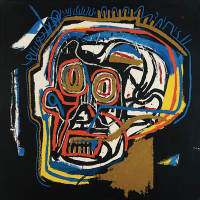
Street Art is artwork created and executed in public spaces, outside of traditional art venues. It gained popularity during the 1980s graffiti art boom and has since evolved into various forms and styles. Common forms of Street Art include pop-up art, sticker art, stencil graffiti, and street installations or sculptures. Terms like guerrilla art, neo-graffiti, post-graffiti, and urban art are often used interchangeably to describe this genre, which challenges conventional ideas about where and how art should be displayed.
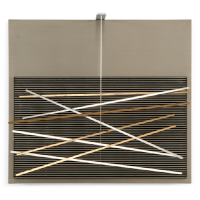
Kinetic art is an international movement that emerged in the 1920s and gained prominence in the 1960s, referring to art that involves both apparent and real motion. It encompasses any medium that includes movement, either relying on actual motion for its effect or being perceived as moving by the viewer. Early examples include canvas paintings designed to create optical illusions of movement. Today, kinetic art often refers to three-dimensional figures and sculptures, such as those operated by machines or those that move naturally. The movement covers a variety of styles and techniques that frequently overlap.