India
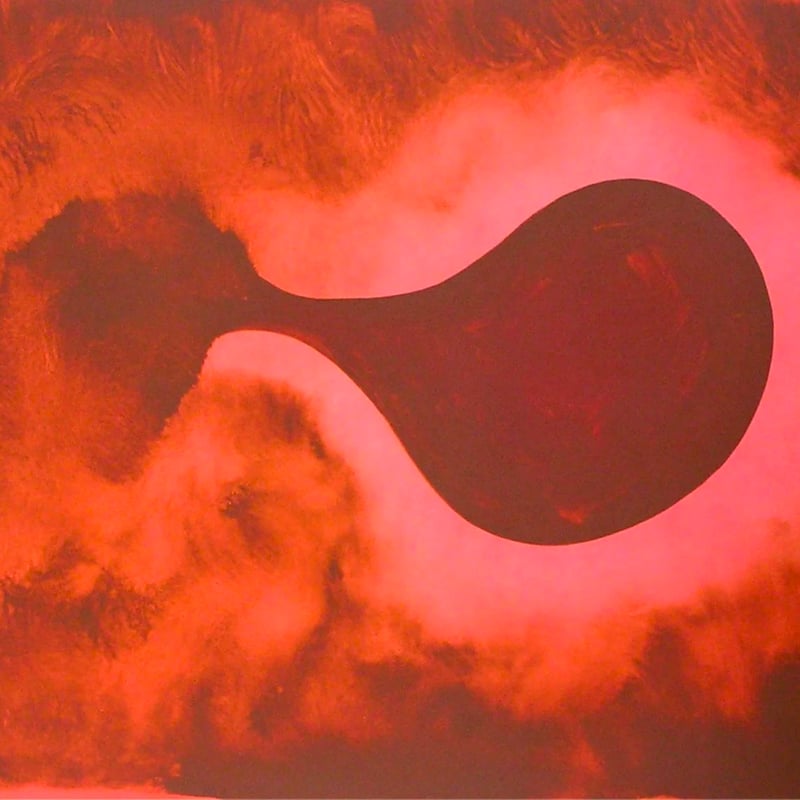
India's contemporary art scene is a vibrant amalgamation of tradition and innovation. Key spaces like the Kiran Nadar Museum of Art in New Delhi, and the Kochi-Muziris Biennale showcase a diverse range of art. Prominent artists such as Anish Kapoor, celebrated for his monumental sculptures, and Bharti Kher, known for her intricate bindi work, exemplify the eclectic Indian creativity. Explore India's dynamic contemporary art at Composition Gallery's website.
Show All
- Show All
- Established
- Discoveries
Show All
- Show All
Artworks Related to India
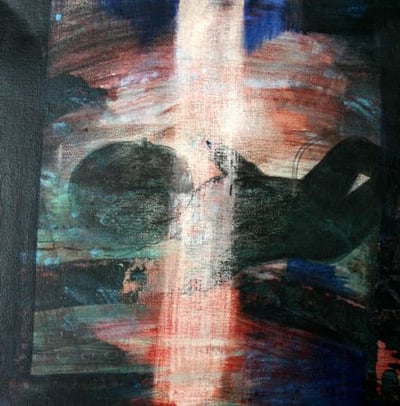
Chintan Upadhyay
Before she was discovered 3, 2007
Painting
Oil on canvas
USD 3,000
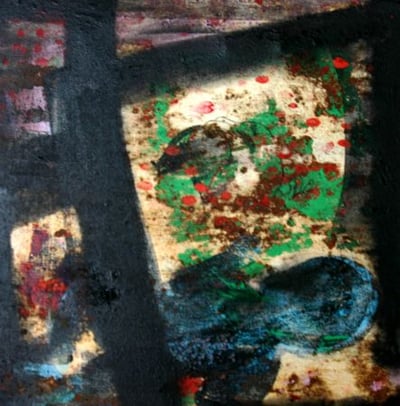
Chintan Upadhyay
Before she was discovered 2, 2007
Painting
Oil on canvas
USD 3,000
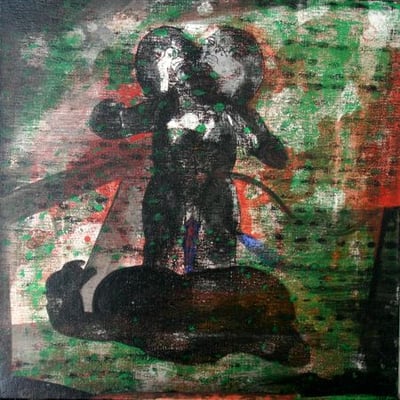
Chintan Upadhyay
Before she was discovered 1, 2007
Painting
Oil on canvas
USD 3,000

Subodh Gupta
title unknown, 2006
Photography
Photograph
Currently Not Available
Related Articles




Acrylic sculpture refers to both a process and the resulting object. The artist begins by creating a sculpture from clay, plaster, or epoxy, which is then used to make a flexible mold. Melted acrylic is poured into the mold, and once it cures, the acrylic piece is hand-finished through sanding and polishing. Acrylic sculptures are valued for their clarity, durability, and ability to achieve intricate details.

Bricolage is the creation or construction of a piece of art using materials that are readily available to the artist. The term is French and roughly translates to do-it-yourself. This approach became popular when materials were scarce, encouraging artists to improvise and repurpose everyday objects. Bricolage emphasizes creativity and resourcefulness, often resulting in artworks that reflect the unique character of the materials used.

Futurism was an early 20th-century art movement that sought to capture the energy and dynamism of the modern world. The movement was launched by Italian poet Filippo Tommaso Marinetti, who published the Manifesto of Futurism on February 20, 1909. Futurism denounced the past and passionately embraced technology, industry, and the speed of modern life.
Can't find your Answer?
Thank you! Your question has been sent — we'll get back to you shortly.
